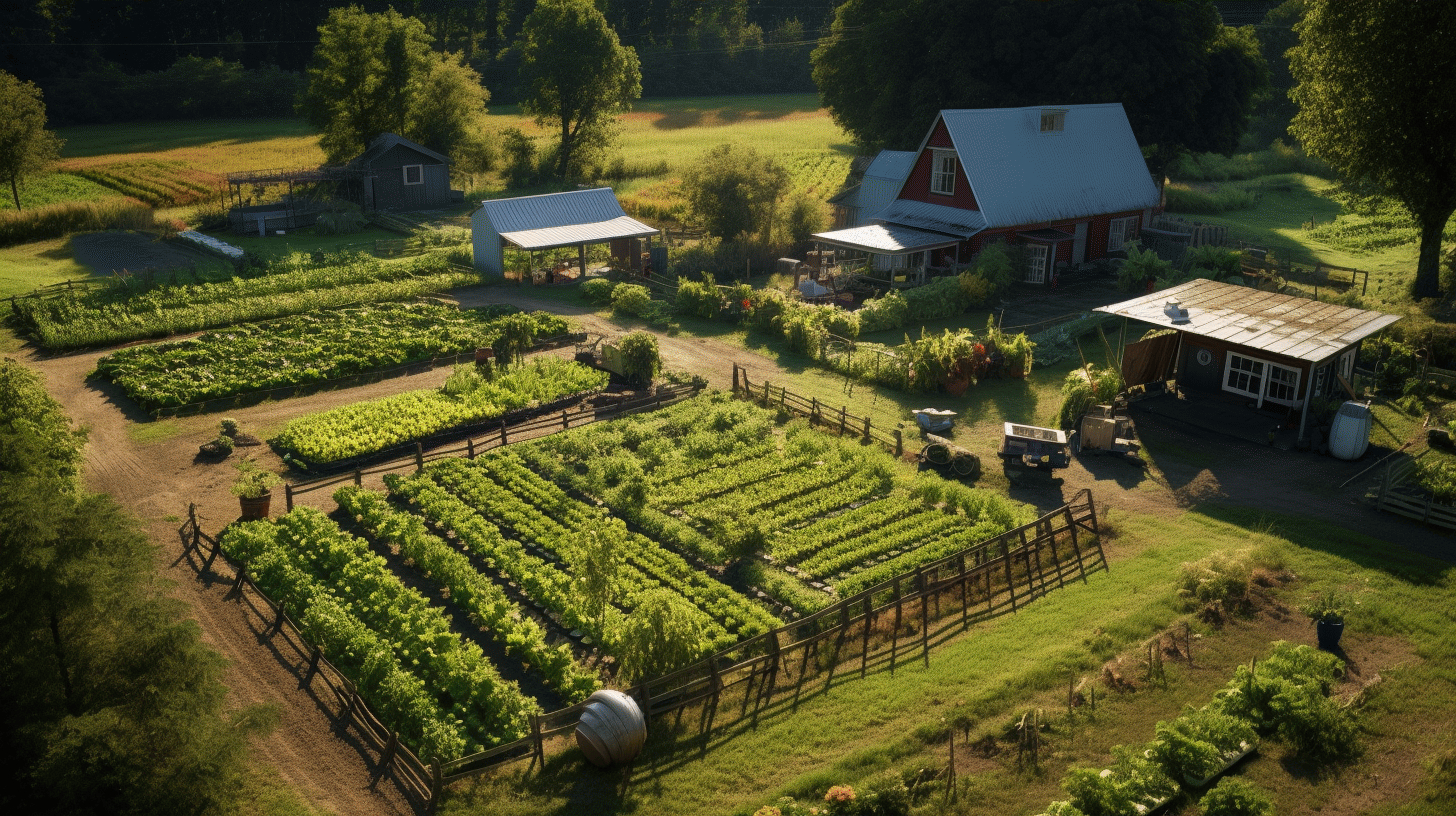
Regenerative farming is a practice that goes beyond conventional agriculture. It’s a movement driven by a group of passionate farmers who believe in healing and restoring the land while producing food sustainably. These farmers are not only focused on maximizing profits but also on creating a positive impact on the environment and community.
In the age of industrialization and mass production, regenerative farming offers a ray of hope. It’s a return to the roots, where farmers work hand-in-hand with nature, nurturing the soil, promoting biodiversity, and building resilient farming systems.
The stories of regenerative farmers are inspiring and demonstrate the power of working with nature instead of against it. They are pioneers in the farming industry, showcasing how sustainable practices can lead to better soil health, increased profitability, and even climate change mitigation.
In this article, we will delve into the world of regenerative farming and explore the various aspects that make it a game-changer. From understanding the principles and methods of regenerative farming to exploring its impact on soil health, profitability, and climate change, we will uncover the many benefits this approach brings.
So, join us on this journey as we discover the stories of regenerative farmers who are making a real difference in our world. Get ready to be inspired, informed, and uplifted by the incredible transformation happening in the agricultural landscape.
Understanding Regenerative Farming
Regenerative farming is an innovative approach to agriculture that focuses on replenishing and revitalizing the land, rather than depleting it. This holistic farming method aims to create a regenerative and sustainable ecosystem by working in harmony with nature. By implementing regenerative practices, farmers can improve soil health, promote biodiversity, and enhance the overall resilience of their farms. Let’s delve into the basic principles and some of the key methods used in regenerative farming.
Basic Principles
Regenerative farming is based on several core principles that guide its practices. Here are some of the fundamental principles behind regenerative farming:
- Soil health as a priority: Regenerative farmers understand that healthy soil is the foundation of a thriving farm ecosystem. They prioritize building and maintaining soil health through practices such as cover cropping, composting, and minimizing soil disturbance.
- Promoting biodiversity: Regenerative farmers value biodiversity and aim to create a diverse range of plants, insects, and microorganisms on their farms. This biodiversity helps to support a balanced ecosystem, enhance soil fertility, and reduce the risk of pests and diseases.
- Minimizing chemical inputs: Unlike conventional farming, which heavily relies on synthetic fertilizers and pesticides, regenerative farming focuses on reducing or eliminating the use of harmful chemicals. Instead, natural alternatives and biological controls are used to manage pests and maintain soil fertility.
- Water conservation and management: Regenerative farmers prioritize water conservation by implementing practices that reduce runoff and increase water retention in the soil. Techniques like contour plowing and water catchment systems are commonly used to optimize water usage.
- Continuous improvement and adaptability: Regenerative farming is a dynamic process that involves constant learning, experimentation, and adaptation. Farmers continually assess their practices and make adjustments based on their observations and the specific needs of their land.
Methods: Cover Cropping, Rotational Grazing, Minimal Tillage
Regenerative farming employs various methods to implement its principles effectively. Here are three key methods commonly used in regenerative farming:
- Cover cropping: Cover cropping involves planting crops specifically for the purpose of improving soil health, reducing erosion, and suppressing weeds. These cover crops, such as legumes or grasses, help to increase organic matter in the soil, improve soil structure, promote nutrient cycling, and provide habitat for beneficial organisms.
- Rotational grazing: Rotational grazing is a practice in which livestock are moved between different paddocks or pastures. This method allows the land to rest and recover while preventing overgrazing in specific areas. Rotational grazing promotes healthy grass growth, enhances soil fertility through animal manure, and improves pasture resilience.
- Minimal tillage: In contrast to conventional farming, which often involves intensive plowing and soil disturbance, regenerative farming emphasizes minimal tillage. The aim is to disturb the soil as little as possible to maintain its structure and preserve beneficial soil organisms. This helps to reduce erosion, improve water infiltration, and preserve soil carbon.
By adopting these regenerative methods, farmers can create a more sustainable and resilient agricultural system, benefiting both the environment and the farmers themselves. The principles and practices of regenerative farming can be applied in a variety of agricultural contexts, from small-scale organic farms to large-scale conventional operations. It’s a promising approach that offers a path towards a more sustainable future for agriculture.
Impact of Regenerative Farming on Soil Health
Regenerative farming practices have gained significant attention and recognition for their positive impact on soil health. Farmers and experts alike have recognized the potential of regenerative agriculture to not only improve soil health but also combat soil degradation, enhance carbon and nitrogen stocks, and promote sustainable agricultural practices.
Improved Soil Health
One of the key benefits of regenerative farming is its ability to rejuvenate and improve soil health. This is achieved through a combination of practices that focus on restoring soil biodiversity, optimizing nutrient cycling, and reducing soil erosion. By prioritizing the health of the soil, regenerative farmers can enhance its water-holding capacity, nutrient availability, and overall fertility.
Regenerative practices such as cover cropping, crop rotation, and minimal tillage help to protect the soil from erosion and compaction while fostering the growth of beneficial microorganisms. These practices enable the soil to better retain moisture, reduce the need for synthetic fertilizers, and promote the growth of healthy and resilient crops. As a result, regenerative farming leads to improved soil structure, increased nutrient availability, and reduced reliance on chemical inputs.
Reduced Soil Degradation
Soil degradation is a significant concern worldwide, with factors such as erosion, nutrient depletion, and compaction contributing to its decline. However, regenerative farming offers a viable solution to combat these challenges and reverse the damage caused by conventional agricultural practices.
By implementing regenerative techniques, farmers can effectively prevent erosion by retaining plant residues on the soil surface and incorporating cover crops. This coverage not only protects the soil from the impact of heavy rainfall and wind but also helps to enhance its organic matter content. Additionally, practices like crop rotation and agroforestry promote diversification, strengthening the soil’s ability to resist disease and pest outbreaks.
Carbon and Nitrogen Stocks
The impact of regenerative farming extends beyond soil health; it also plays a crucial role in addressing climate change. Regenerative agriculture can build up organic carbon and nitrogen stocks in the soil, which helps to mitigate greenhouse gas emissions while enhancing soil fertility.
Through practices such as cover cropping and the use of compost and organic amendments, regenerative farmers are able to increase the amount of organic matter in the soil. This not only sequesters carbon from the atmosphere but also improves soil structure, nutrient retention, and water-holding capacity. Additionally, regenerative farming methods reduce the need for synthetic fertilizers, minimizing nitrogen losses and enhancing nitrogen cycling within the soil ecosystem.
In conclusion, regenerative farming practices have a significant and positive impact on soil health. By implementing strategies that prioritize soil health, farmers can improve soil fertility, prevent erosion, and enhance carbon and nitrogen stocks. As the demand for sustainable agriculture continues to grow, regenerative farming offers a promising solution for the future of our soil and the overall ecosystem.
Profitability Impact of Regenerative Farming
Regenerative farming practices have shown significant potential when it comes to boosting profitability for farmers. By implementing these sustainable methods, farmers can not only contribute to environmental conservation but also increase their profits in the long run.
Increased Profits
Studies conducted by the National Association of Conservation Districts have found that regenerative farming can lead to a staggering 78% increase in profits for farmers[1]. This is primarily due to the benefits that regenerative practices provide, such as:
- Improved soil health: By focusing on soil regeneration, farmers can enhance the nutrient content and structure of their soil, resulting in higher crop productivity. This means higher yields and more profitable harvests.
- Reduced input costs: Regenerative farming emphasizes natural processes and minimizes the reliance on synthetic inputs like chemical fertilizers and pesticides. By adopting these practices, farmers can save on expensive inputs, thus increasing their profit margins.
- Premium prices for regenerative products: There is a growing market demand for sustainably produced food products. Consumers are willing to pay a premium for products that are grown using regenerative practices. Farmers who adopt these methods can tap into this market and command higher prices, further boosting their profitability.
It’s important to note that implementing regenerative practices may require an initial investment in infrastructure and equipment. However, the long-term benefits, including increased profits, far outweigh these initial costs.
Operational Savings
Not only does regenerative farming contribute to increased profits, but it also offers significant operational savings for farmers. Converting abandoned and degraded farmland into regenerative systems can result in substantial savings in the following ways:
- Reduced water usage: Regenerative farming practices, such as soil cover crops and conservation tillage, help retain moisture in the soil. This reduces the need for irrigation, ultimately saving water and lowering associated costs.
- Decreased dependence on synthetic inputs: As mentioned earlier, regenerative farming reduces reliance on chemical fertilizers and pesticides. By adopting natural pest control measures and nutrient cycling strategies, farmers can significantly cut down on input costs.
- Enhanced ecological balance: Regenerative farming prioritizes biodiversity and ecological balance. By creating a vibrant and diverse ecosystem on their farms, farmers can naturally control pests and diseases. This eliminates the need for costly interventions, further reducing operational expenses.
According to recent estimates, converting abandoned degraded farmland to regenerative farming practices has the potential to generate operational savings of US$2.34–3.52 trillion and a profit of US$134.40–205.35 billion[2]. These numbers demonstrate the significant financial benefits associated with the adoption of regenerative farming practices.
In summary, regenerative farming not only contributes to environmental sustainability but also has a profound impact on the profitability of farmers. By increasing profits and reducing operational costs, these practices offer a win-win situation for both farmers and the planet.
Did you know? In addition to financial benefits, regenerative farming practices also enhance soil health, promote biodiversity, and reduce greenhouse gas emissions. This holistic approach ensures a more sustainable and resilient agricultural system.
Regenerative Farming and Climate Change
Regenerative farming is gaining traction as a sustainable agricultural practice that not only promotes healthy soil, but also plays a crucial role in addressing climate change. By employing regenerative farming techniques, farmers have the potential to make a significant impact in reducing CO2 emissions and building resilience to the effects of climate change. Let’s explore two key aspects of regenerative farming in relation to climate change:
CO2 Emission Reduction
Regenerative farming systems have the potential to sequester more than 100% of current annual CO2 emissions. This means that these practices have the ability to not only offset the emissions produced by agriculture but also remove additional CO2 from the atmosphere. How does regenerative farming achieve this?
- Cover cropping: Planting cover crops over fallow fields helps to sequester carbon in the soil, as these plants capture CO2 through photosynthesis and store it underground.
- Crop rotation: Rotating crops helps improve soil health and fertility, enhancing its capacity to sequester carbon. Different crops have varying root structures that contribute to carbon storage and promote biodiversity.
- Conservation tillage: Minimizing or eliminating tillage reduces soil erosion, retains moisture, and promotes better carbon sequestration. It also prevents the release of CO2 from soil disturbance.
Imagine the impact if regenerative farming practices were adopted on a large scale. Not only could we reduce our carbon footprint, but we could also actively restore the health of our soil and mitigate climate change simultaneously.
Resilience to Climate Change Effects
Climate change is already affecting agricultural systems worldwide, with extreme weather events becoming more frequent and intense. However, regenerative farming provides a solution by increasing the resilience of farms and ranches to these climate change effects.
- Water management: Regenerative farming practices such as contour plowing and the use of swales and berms help to capture and retain water, reducing the vulnerability to droughts and floods.
- Biodiversity support: By prioritizing biodiversity on farms, regenerative agriculture creates a healthy and robust ecosystem that can better withstand pest outbreaks and increase crop and livestock resilience.
- Diversification: Regenerative farmers often employ diversified cropping systems and integrate livestock into their operations. This diversification spreads risk and reduces the impact of climate-related disruptions on a farm’s income.
A new report highlights the role of regenerative agriculture in helping farmers and ranchers withstand the effects of climate change. With its focus on soil health, biodiversity, and ecological balance, regenerative farming offers a promising path forward in building resilience and adapting to a changing climate.
Incorporating regenerative farming practices into our agricultural systems not only benefits farmers and the environment but also plays a significant role in tackling climate change. The ability of regenerative agriculture to capture and store carbon, as well as enhance resilience, makes it a powerful tool in the fight against climate change. Embracing regenerative farming on a larger scale holds the potential to contribute to a more sustainable and climate-resilient future for all.
Job Creation and Crop Yield Impact of Organic and Regenerative Agriculture
Organic and regenerative agriculture are gaining attention for their potential to positively impact not only the environment but also the economy. These innovative farming practices are not only environmentally friendly but can also create job opportunities and increase crop yields. Let’s take a closer look at the job creation potential of organic agriculture and the crop yield impact of regenerative agriculture.
Job Creation in Organic Agriculture
When it comes to job creation, organic agriculture takes the lead. Studies have shown that organic farming practices create 21% more jobs than conventional agriculture. This can be attributed to several factors, such as the labor-intensive nature of organic farming and the need for additional workers to manage organic certification and compliance processes. Moreover, organic agriculture often promotes local and small-scale farming, which further contributes to job creation at the community level.
The job opportunities in organic agriculture are diverse and range from farmers and farm workers to organic inspectors, certification officers, and organic food processors. By supporting organic agriculture, not only are we fostering sustainable farming practices, but we are also helping to create meaningful jobs that support local economies.
Crop Yield Increase in Regenerative Agriculture
Regenerative agriculture practices offer an exciting potential for increasing crop yields. Research has revealed that by implementing regenerative practices, farmers can potentially increase crop yields by up to 25%. These practices focus on building healthy soil ecosystems, enhancing biodiversity, and improving water management on farms.
Some key regenerative practices that contribute to increased crop yields include:
- Cover cropping: Planting cover crops between cash crops helps protect the soil, retain moisture, and improve nutrient availability, leading to healthier plants and higher yields.
- Crop rotation: Rotating different crops in a planned sequence optimizes soil health and reduces pest and disease pressure, ultimately leading to improved yields.
- Conservation tillage: Reducing or eliminating tillage helps to preserve soil structure, conserve moisture, and minimize soil erosion, resulting in improved crop productivity.
By adopting regenerative agriculture practices, farmers can not only enhance the sustainability of their farming systems but also deliver greater yields and improved financial stability.
In conclusion, both organic and regenerative agriculture hold significant potential for boosting job creation and increasing crop yields. Organic agriculture creates more jobs compared to conventional farming, while regenerative agriculture practices have the potential to improve crop yields by up to 25%. These sustainable farming methods not only provide economic benefits but also contribute to a healthier environment. By supporting and implementing these practices, we can pave the way for a more sustainable and prosperous future in agriculture.
Global Opportunities and Challenges for Regenerative Agriculture
Regenerative agriculture has gained significant momentum in recent years as a sustainable and environmentally-friendly approach to farming. It not only focuses on increasing agricultural productivity but also emphasizes soil health and ecosystem restoration. As the world grapples with the growing challenges of climate change, land degradation, and food security, regenerative agriculture offers both opportunities and challenges on a global scale.
Global Market Worth
The global regenerative agriculture market is estimated to be worth $8.7 billion in 2022, and it is projected to reach $16.8 billion by 2027. This rapid growth can be attributed to the increasing demand for sustainable farming practices and the rising awareness of the environmental benefits associated with regenerative agriculture[1].
Productivity Losses Due to Land Degradation
More than half of the world’s agricultural land is degraded, leading to significant productivity losses. In fact, land degradation accounts for an estimated $400 billion in losses each year[2]. Regenerative agriculture offers a promising solution to this problem by focusing on soil health restoration through practices such as cover cropping, rotational grazing, and organic inputs. By adopting regenerative farming techniques, farmers can reverse the damage caused by land degradation, improve soil fertility, and enhance overall agricultural productivity.
Consumer Awareness
Despite the numerous benefits of regenerative agriculture, consumer awareness remains relatively low. A study found that only 16% of consumers between the ages of 16 and 44 were aware of regenerative agriculture[3]. This lack of awareness poses a challenge for farmers and businesses looking to market regenerative agricultural products and create a demand for sustainable farming practices. However, as consumers become more conscious of the environmental impact of their food choices, there is an opportunity to raise awareness and educate the public about the importance of regenerative agriculture.
In conclusion, regenerative agriculture presents both opportunities and challenges on a global scale. The market is projected to grow significantly in the coming years, offering economic opportunities for farmers and businesses. However, addressing land degradation and raising consumer awareness remain as challenges that need to be overcome. By embracing regenerative agriculture practices and promoting its environmental benefits, we can create a more sustainable and resilient agricultural system for the future.
[1] Source 1
[2] Source 2
[3] Source 3
Conclusion
In conclusion, regenerative farming offers a multitude of benefits for farmers, the environment, and society as a whole. By implementing regenerative practices such as cover cropping, rotational grazing, and minimal tillage, farmers can improve soil health, reduce soil degradation, and increase carbon and nitrogen stocks. Not only does regenerative farming contribute to a healthier planet, but it also proves to be profitable, with increased profits and operational savings being observed by farmers who embrace these practices.
Furthermore, regenerative farming plays a crucial role in addressing climate change. By reducing CO2 emissions and increasing resilience to the effects of climate change, regenerative farming practices help mitigate the negative impacts of global warming.
Another significant advantage of regenerative agriculture is its potential for job creation, particularly in the field of organic farming. As the demand for organic produce grows, there is an opportunity for more individuals to be employed in this sector. Additionally, regenerative farming has been observed to increase crop yields, further supporting food security and sustainability.
While regenerative farming presents global opportunities for sustainable agriculture, it also faces challenges, such as the need for consumer awareness and the productivity losses caused by land degradation. However, with increased knowledge and support, these challenges can be overcome.
At Regenerative Agriculture Wiki, we are committed to disseminating information about regenerative farming practices and inspiring individuals and communities to embrace sustainable agriculture. Join us in fostering a future where agriculture and ecology thrive in harmony by visiting our website and exploring the wealth of knowledge we have to offer.
*[CO2]: Carbon Dioxide
Frequently Asked Questions
- What is regenerative farming?
Regenerative farming is an approach to agriculture that focuses on restoring and improving the health of the soil, biodiversity, and ecosystem. It aims to create sustainable farming systems that enhance soil fertility, reduce erosion, and promote ecological balance.
- Why is regenerative farming important?
Regenerative farming is important because it helps combat climate change by sequestering carbon in the soil, improves soil health and fertility, reduces the need for synthetic fertilizers and pesticides, promotes biodiversity, and enhances water conservation.
- What are some examples of regenerative farming practices?
Some examples of regenerative farming practices include cover cropping, crop rotation, no-till farming, agroforestry, holistic grazing, composting, and the use of natural fertilizers and pest control methods.
- How can regenerative farming benefit farmers?
Regenerative farming can benefit farmers by improving soil quality, increasing crop yields, reducing input costs, minimizing the risk of soil erosion and nutrient runoff, enhancing biodiversity, and creating more resilient farming systems in the long run.
- Are there any certifications or labels for regenerative farming?
Currently, there is no standardized certification or label specifically for regenerative farming. However, there are various organic, sustainable, and eco-friendly certifications that encompass some aspects of regenerative practices. It is important to research and understand the specific farming practices employed by each farmer or producer.