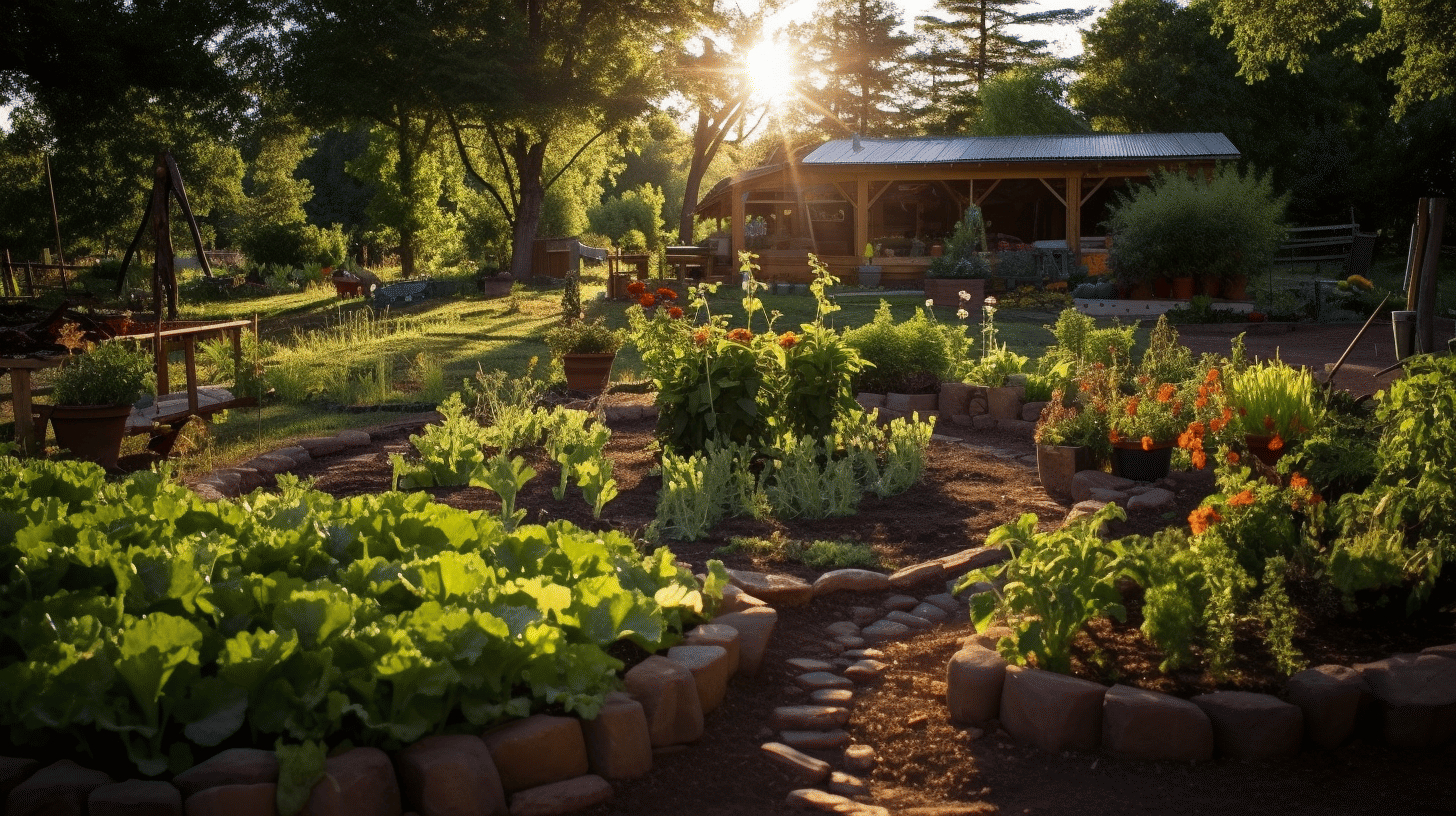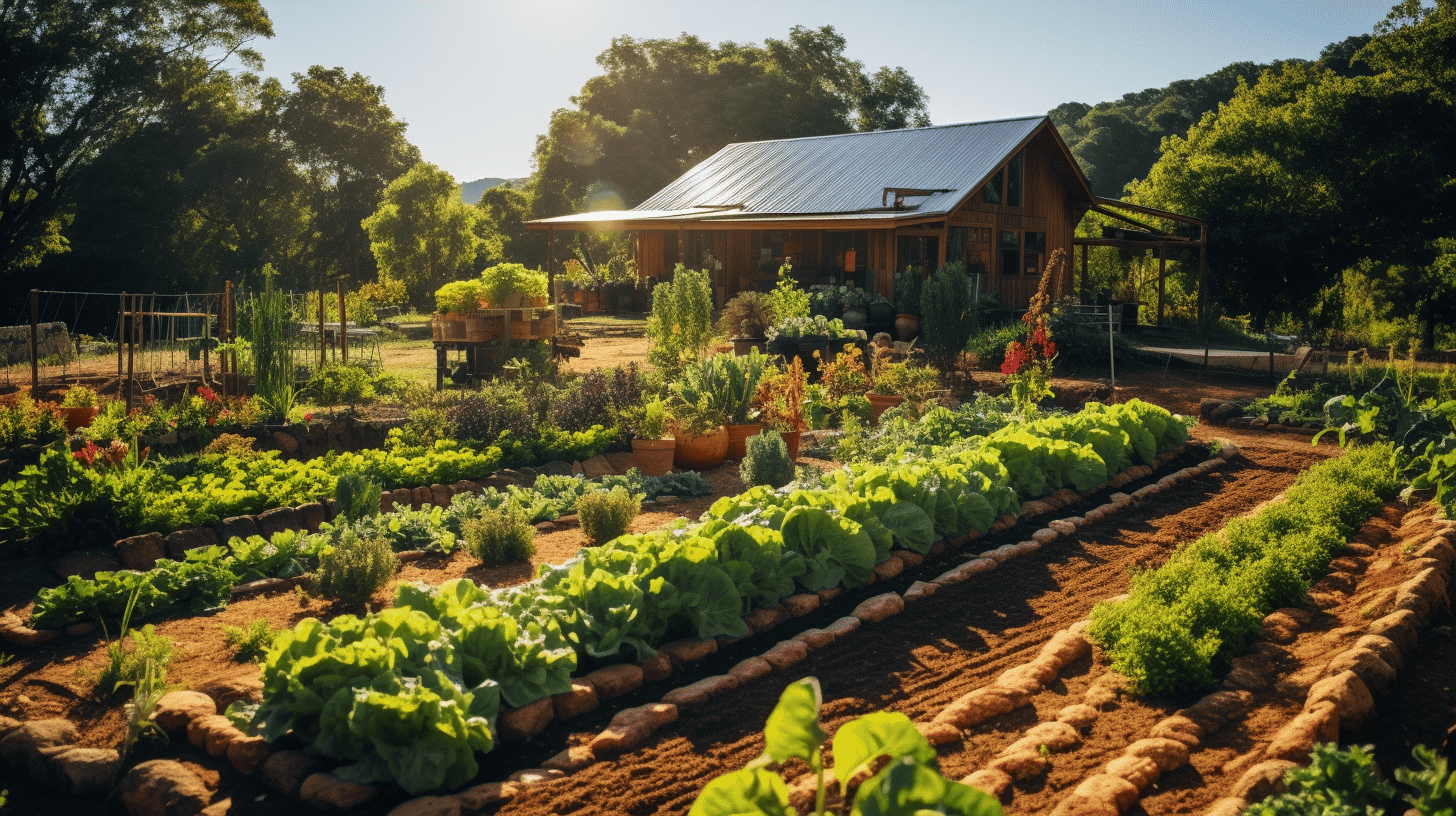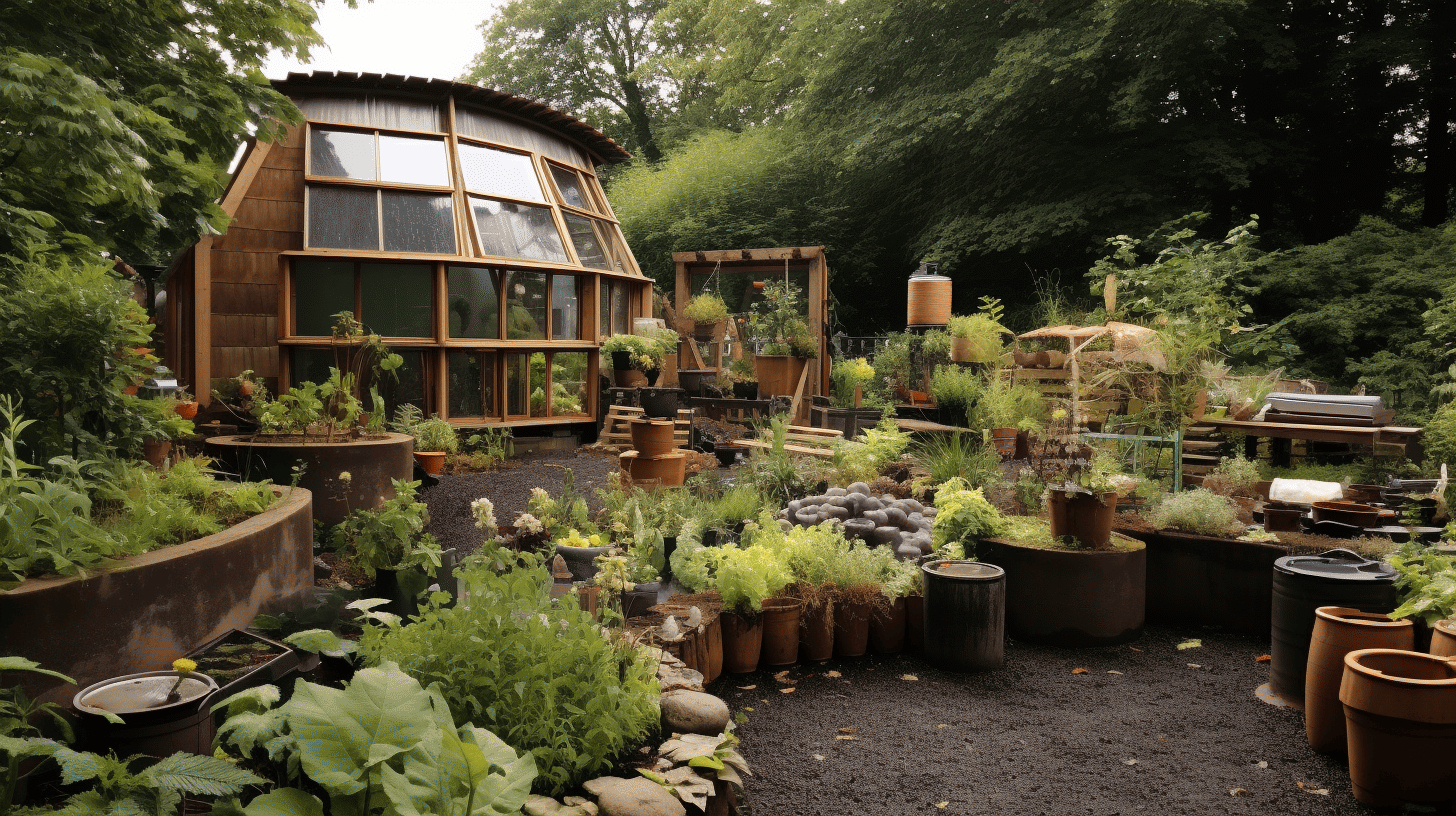
Welcome to the world of sustainable farming! In this article, we will explore the fascinating concept of permaculture and its applications in creating environmentally-friendly and resilient agricultural systems. Whether you’re a farmer looking to implement sustainable practices or simply interested in learning about eco-friendly farming methods, this guide is for you.
Sustainable farming, also known as regenerative agriculture, is gaining popularity as people increasingly realize the importance of preserving the Earth’s resources for future generations. Permaculture, a key aspect of sustainable farming, offers a holistic approach that mimics natural ecosystems and aims to create self-sustaining and diverse agricultural systems. By understanding and implementing permaculture principles, farmers can cultivate healthy crops, protect biodiversity, and mitigate the impact of climate change.
In this introduction, we will lay the foundation for our exploration of permaculture by understanding the broader concept of sustainable agriculture. We’ll dive into the increased profitability, environmental stewardship, and food production benefits associated with sustainable farming. By the end of this section, you’ll have a solid understanding of why sustainable farming practices are essential for the future of our planet.
So, let’s embark on this journey to discover the principles, applications, and benefits of permaculture in sustainable farming. Together, we can make a positive impact on our environment and create a more sustainable future for all.
Understanding Sustainable Agriculture
Sustainable agriculture is an approach to farming that focuses on three main pillars: increased profitability, environmental stewardship, and food production to meet human needs. In this section, we will delve into each aspect to gain a better understanding of what sustainable agriculture entails.
Increased Profitability
One of the primary goals of sustainable agriculture is to boost profitability for farmers. This is achieved through various practices and strategies that ensure long-term economic viability. Here are some key points to consider:
- Diversification: Sustainable farmers often adopt a diversified approach by growing multiple crops and raising livestock. This helps mitigate risks associated with relying on a single crop or livestock species.
- Use of Technology: Sustainable farmers embrace innovative technologies that help maximize efficiency and reduce costs. From precision agriculture techniques to advanced irrigation systems, these tools contribute to increased profitability.
- Market Access: Sustainable farmers focus on gaining access to markets that prioritize and value sustainable products. By leveraging certifications such as organic or fair-trade, they can tap into niche markets and command premium prices for their goods.
Environmental Stewardship
Another crucial aspect of sustainable agriculture is prioritizing environmental stewardship. Farmers play a significant role in safeguarding natural resources and reducing the ecological footprint of agricultural practices. Here are some ways sustainable agriculture promotes environmental sustainability:
- Conservation Tillage: Sustainable farmers minimize soil disturbance by adopting conservation tillage practices. This helps prevent soil erosion, improve soil health, and reduce the need for chemical inputs.
- Water Management: Sustainable agriculture prioritizes efficient water use through techniques like drip irrigation and rainwater harvesting. These practices minimize water wastage and ensure the long-term sustainability of water resources.
- Biodiversity Conservation: Sustainable farmers actively promote biodiversity on their farms. By preserving natural habitats, planting hedgerows, and providing nesting sites for beneficial insects and birds, they create a balanced ecosystem that supports pest control and pollination.
Food Production
Sustainable agriculture seeks to ensure that there is enough food to meet the needs of a growing population. This is achieved by employing sustainable practices that optimize productivity while minimizing environmental impacts. Here are a few key points to consider:
- Soil Health: Sustainable farmers prioritize soil health through practices like cover cropping, crop rotation, and organic matter application. Healthy soils support optimal plant growth, leading to higher yields and nutritious crops.
- Integrated Pest Management (IPM): Sustainable agriculture embraces IPM, which involves using a combination of techniques such as biological control, crop rotations, and resistant crop varieties to manage pests effectively. This reduces the reliance on synthetic pesticides while safeguarding human health and the environment.
- Efficient Resource Use: Sustainable farmers aim to optimize resource utilization by employing techniques such as precision farming, which allows for accurate application of inputs like fertilizers and irrigation. This minimizes wastage while maximizing yields.
Sustainable agriculture seeks to strike a balance between economic viability, environmental stewardship, and food production. By adopting practices that prioritize these pillars, farmers can contribute to a more sustainable future for agriculture while meeting the needs of the present generation.
Latest Trends in Sustainable Agriculture
With a growing focus on environmental conservation and food security, the field of sustainable agriculture has seen significant advancements in recent years. Farmers and researchers alike are constantly seeking innovative ways to maximize crop yields while minimizing the negative impact on the environment. In this article, we explore three key trends that are shaping the future of sustainable agriculture: precision agriculture, regenerative farming, and vertical agriculture/urban farming.
Technology in Sustainable Farming Systems
With concerns about climate change and environmental sustainability growing, the agricultural industry is turning to technology to create more efficient and sustainable farming systems. By harnessing the power of innovative tools and techniques, farmers can optimize their operations, reduce environmental impact, and improve crop yields.
One area where technology is making a significant impact is precision agriculture. This approach involves using sensors, drones, GPS, and other advanced tools to gather data about soil conditions, crop health, and weather patterns. Armed with this information, farmers can make data-driven decisions to optimize the use of resources such as water, fertilizer, and pesticides. The result is not only increased productivity but also reduced waste and environmental impact.
Here are some key benefits of precision agriculture:
- Increased Efficiency: By precisely targeting inputs like water and fertilizer, farmers can optimize their usage and avoid overapplication. This not only reduces costs but also minimizes the environmental impact of agriculture by reducing runoff and limiting the leaching of chemicals into water sources.
- Improved Crop Health: With real-time data on crop health and potential issues, farmers can quickly identify and address problems like nutrient deficiencies, pests, or diseases. This proactive approach allows for timely interventions and targeted treatments, minimizing the need for broad-spectrum pesticides and maximizing yield potential.
- Enhanced Sustainability: Precision agriculture promotes sustainable farming practices by minimizing the ecological footprint of agriculture. By reducing water and chemical usage and optimizing soil health, this technology helps preserve natural resources, protect biodiversity, and mitigate climate change impacts.
Another crucial aspect of technology in sustainable farming systems is the integration of renewable energy sources. As the global demand for food continues to rise, so does the demand for energy in the agricultural sector. To mitigate the environmental impact, farmers are increasingly turning to renewable energy options like solar power, wind turbines, and biogas generators. The integration of these renewable energy sources offers several advantages:
- Energy Independence: By generating their own renewable energy, farmers can reduce their dependence on fossil fuels and conventional energy sources. This not only helps lower operating costs but also offers greater energy security, especially in remote or off-grid farming operations.
- Reduced Emissions: Renewable energy sources produce minimal greenhouse gas emissions in comparison to traditional energy sources. By transitioning to renewables, farmers can significantly reduce their carbon footprint and contribute to global efforts to combat climate change.
- Diversification of Income: By generating clean energy, farmers can tap into additional revenue streams by selling excess power back to the grid or neighboring communities. This diversification of income can help stabilize farm finances and create economic opportunities in rural areas.
In conclusion, technology plays a vital role in developing sustainable farming systems. Precision agriculture enables farmers to make data-driven decisions, optimize resource usage, and safeguard the environment. The integration of renewable energy sources further enhances sustainability by reducing emissions and diversifying income streams. As the agricultural industry continues to embrace technology, we can expect to see even greater advancements in sustainable farming practices, helping to ensure a more sustainable and resilient food system for future generations.
Benefits of Sustainable Agriculture
Sustainable agriculture is a farming approach that aims to balance environmental health, economic profitability, and social and economic equity. It goes beyond conventional farming practices by implementing methods that minimize environmental impact and promote long-term sustainability. Sustainable agriculture offers numerous benefits, not only for farmers and consumers, but also for the planet as a whole. In this section, we will explore some of the key benefits of sustainable agriculture.
Carbon Sequestration
One notable benefit of sustainable agriculture is its ability to sequester carbon dioxide (CO2) from the atmosphere. By implementing practices like agroforestry, cover cropping, and rotational grazing, sustainable farmers can increase the amount of carbon stored in the soil. This is important because CO2 is a greenhouse gas that contributes to climate change. By sequestering carbon, sustainable agriculture plays a crucial role in mitigating climate change and reducing the carbon footprint of the agricultural sector. According to a study published in the Journal of Soil and Water Conservation, sustainable agriculture practices can lead to significant carbon sequestration, with potential benefits for both the environment and human health.
Resource Efficiency
Another key benefit of sustainable agriculture is its focus on resource efficiency. Conventional farming often relies heavily on synthetic fertilizers, pesticides, and herbicides, which can have negative impacts on soil health, water quality, and biodiversity. In contrast, sustainable agriculture emphasizes the use of organic and natural methods to manage pests, enrich the soil, and promote biodiversity. By reducing the reliance on external inputs, sustainable agriculture minimizes the use of non-renewable resources and helps preserve the natural ecosystem. This approach not only helps protect the environment but also ensures long-term productivity and profitability for farmers.
Water and Soil Conservation
Sustainable agriculture practices also prioritize water and soil conservation. By implementing techniques like conservation tillage, crop rotation, and precision irrigation, sustainable farmers can minimize soil erosion, improve soil structure, and reduce water usage. This is particularly important in the face of climate change, as sustainable agriculture can help mitigate the effects of extreme weather events, such as droughts and floods. Additionally, by preserving soil health and reducing erosion, sustainable agriculture helps maintain the fertility of the land and ensures its long-term productivity.
In conclusion, sustainable agriculture offers a wide range of benefits, including carbon sequestration, resource efficiency, and water and soil conservation. By adopting sustainable farming practices, farmers can contribute to the health of the environment, promote biodiversity, and ensure the long-term sustainability of our food systems. Moreover, consumers can enjoy healthier and more nutritious food while supporting farmers who prioritize sustainable practices. Therefore, it is crucial to continue promoting and investing in sustainable agriculture for the betterment of our planet and future generations.
Challenges in Agricultural Sustainability
Agriculture is the backbone of our society, providing us with the food and resources we need to survive. However, as we continue to face environmental challenges, the sustainability of our agricultural practices becomes increasingly important. In order to ensure the long-term viability of our food production systems, we must address several key challenges. Three major challenges to agricultural sustainability are pollution, soil degradation, and changing consumer preferences.
Pollution
Pollution is a pressing issue that affects both air and water quality, posing a significant risk to our agricultural systems. Pesticides and fertilizers used in conventional farming can contaminate water sources, leading to harmful effects on human health and ecosystems. In addition, agricultural practices such as burning crop residues and excessive use of machinery contribute to air pollution, exacerbating climate change.
To combat pollution and promote sustainable agricultural practices, farmers and policymakers are exploring alternative methods such as organic farming, integrated pest management, and precision agriculture. These approaches aim to minimize the use of chemical inputs, reduce soil erosion, and protect water resources. By adopting these practices, we can mitigate the negative impact of pollution on agricultural sustainability.
Soil Degradation
Soil degradation is another critical challenge that threatens agricultural sustainability. Intensive farming practices, such as monocropping, overuse of chemical fertilizers, and improper soil management, can lead to soil erosion and nutrient depletion. As a result, the fertility and health of the soil decline, jeopardizing the productivity of our farms.
To address soil degradation, sustainable farming techniques are gaining traction. These practices focus on soil conservation through measures like crop rotation, cover cropping, and the use of organic matter, such as compost and manure. By implementing these strategies, farmers can improve soil structure, enhance nutrient cycling, and increase the resilience of their farming systems.
Changing Consumer Preferences
Consumer preferences play a crucial role in shaping agricultural practices and market trends. As the demand for sustainable and ethically produced food grows, farmers face the challenge of adapting their practices to meet these evolving expectations. Consumers are seeking out organic produce, locally sourced products, and environmentally friendly farming methods.
Farmers and food producers are responding to this shift by embracing sustainable agriculture and diversifying their offerings. They are adopting organic certification, implementing agroecological practices, and establishing direct-to-consumer sales channels like farmers markets and community-supported agriculture (CSA) programs. By aligning their practices with changing consumer preferences, farmers can not only meet market demands but also contribute to the long-term sustainability of agriculture.
In conclusion, the challenges of pollution, soil degradation, and changing consumer preferences pose significant obstacles to agricultural sustainability. Through innovative practices, technological advancements, and consumer education, we can address these challenges and build a more sustainable and resilient agricultural system. By prioritizing the health of our environment and the well-being of future generations, we can ensure the continued provision of safe and nutritious food for all.
Introduction to Permaculture
Permaculture is not just a gardening technique; it’s a way of thinking and a holistic approach to land management. It offers a sustainable solution that harmonizes and mimics natural ecosystems to create productive and resilient systems. By integrating design principles, permaculture seeks to create abundant and regenerative landscapes that benefit both humans and the environment.
Holistic Land Management Approach
At its core, permaculture is about working with nature, rather than against it. It embraces the idea that everything is interconnected, and by understanding these relationships, we can create systems that are self-sustaining and mutually beneficial. By adopting a holistic land management approach, permaculturists strive to tackle a range of environmental, social, and economic challenges simultaneously. Here are some key principles of permaculture land management:
- Observation and Design: Before implementing any changes, permaculturists carefully observe the land, taking into account its specific characteristics, such as topography, climate, soil type, and existing ecosystems. This allows them to create thoughtful designs that maximize the land’s potential while minimizing negative impacts.
- Regenerative Agriculture: Permaculture embraces regenerative farming practices such as agroforestry and natural farming. Agroforestry combines the cultivation of trees with agricultural crops or livestock, creating a diverse and resilient system. Natural farming focuses on working with natural processes and minimizing external inputs while prioritizing soil health and biodiversity.
- Water Management: Permaculture emphasizes effective water management. This includes techniques such as rainwater harvesting, swales (small ditches on contour lines), and water retention landscapes, which help capture and store water, preventing erosion and ensuring the availability of this precious resource.
Practices such as Agroforestry and Natural Farming
Two fundamental practices within permaculture are agroforestry and natural farming. These practices utilize the principles of permaculture to create sustainable and productive agricultural systems.
- Agroforestry: Agroforestry is a land management practice that combines the cultivation of trees, shrubs, and herbaceous plants with the production of agricultural crops or livestock. By incorporating trees into agricultural landscapes, agroforestry provides numerous benefits such as improved soil health, increased biodiversity, enhanced microclimate regulation, and diversified income streams.
- Natural Farming: Natural farming, also known as ecological farming or farming in harmony with nature, is an approach that emphasizes working with natural processes rather than relying on synthetic inputs. It focuses on building healthy soil through techniques like composting, mulching, and cover cropping. Natural farming encourages diversity, regeneration, and resilience in agricultural systems, resulting in higher yields and reduced environmental impact.
Permaculture offers a holistic approach to land management and incorporates a range of practices such as agroforestry and natural farming. By understanding the interconnections between different components of a system and working in harmony with nature, permaculturists aim to create sustainable, abundant, and regenerative landscapes.
Application of Permaculture
Urban Environments
In recent years, there has been a growing interest in permaculture as a sustainable solution for urban environments. Permaculture, a combination of the words “permanent” and “agriculture,” is a holistic design system that aims to create regenerative and self-sustaining ecosystems. While traditionally associated with rural areas, permaculture principles can be successfully applied in urban settings to promote sustainable living and address the challenges of limited space.
Benefits of Permaculture in Urban Environments
Permaculture offers a range of benefits when implemented in urban areas:
- Enhanced Food Security: Urban permaculture systems promote local food production, reducing dependence on imported produce and increasing access to fresh, nutritious food. By integrating edible gardens and urban farming practices, communities can enjoy a more reliable and sustainable food source.
- Improved Resource Efficiency: In cities, resources like water and energy are often scarce. Permaculture techniques, such as rainwater harvesting, greywater recycling, and passive solar design, help optimize resource utilization. These practices not only reduce environmental impact but also result in cost savings for individuals and communities.
- Biodiversity Conservation: Urbanization often leads to the destruction of natural habitats and loss of biodiversity. Permaculture focuses on creating diverse and resilient ecosystems, providing a habitat for native plants and animals. By incorporating elements such as native plants, wildlife habitats, and pollinator-friendly gardens, permaculture helps restore urban biodiversity.
- Community Building: Permaculture encourages community involvement and collaboration. Through shared gardens, community composting, and skill-sharing initiatives, urban dwellers can come together to create resilient and supportive communities. This sense of connection fosters social cohesion, enhances well-being, and strengthens community resilience in the face of challenges such as climate change.
Case Study: The Brooklyn Grange Rooftop Farms
One outstanding example of permaculture in urban environments is the Brooklyn Grange Rooftop Farms in New York City. Spanning over two rooftop locations, these farms produce over 50,000 pounds of organic vegetables annually. The farms utilize various permaculture principles to maximize the use of limited space and resources:
- Intensive Farming Techniques: Raised beds, vertical gardening, and intensive planting methods are employed to optimize the use of available rooftop space.
- Composting and Soil Regeneration: The farms prioritize soil health by implementing composting systems and encouraging nutrient cycling. This helps maintain the fertility of the limited soil they have access to.
- Engaging the Community: The farms host educational programs, workshops, and community events, encouraging urban residents to learn about and connect with sustainable food production.
By showcasing the success of such urban permaculture initiatives, the Brooklyn Grange Rooftop Farms serve as an inspiration and model for other cities to follow. They demonstrate that with careful planning, creativity, and community involvement, sustainable food production can thrive even in heavily built environments.
In conclusion, permaculture presents a viable solution for addressing the challenges of urban living through regenerative design principles. By incorporating permaculture practices into urban environments, cities can foster food security, resource efficiency, biodiversity conservation, and community building. The success of initiatives like the Brooklyn Grange Rooftop Farms showcases the potential of permaculture to transform our urban landscapes and create sustainable, resilient cities for the future.
Resources for Permaculture and Sustainable Farming
Permaculture and sustainable farming are gaining popularity as people become more conscious of the impact of their food choices on the environment. Whether you’re a seasoned farmer or just starting out, there are plenty of resources available to help you dive into the world of permaculture and sustainable farming. From books to online resources, here are a few top recommendations to get you started on your journey:
Books
- “Gaia’s Garden: A Guide to Home-Scale Permaculture” by Toby Hemenway
- This comprehensive guide is a classic in the permaculture world. It covers everything from designing your garden to soil building and plant selection. Toby Hemenway provides practical advice and real-life examples to help you transform your backyard into a thriving ecosystem.
- “The One-Straw Revolution: An Introduction to Natural Farming” by Masanobu Fukuoka
- Masanobu Fukuoka’s approach to farming is centered around simplicity and working in harmony with nature. In this book, he shares his philosophy of “do-nothing” farming and offers insights into natural growing methods that can be applied to any scale of farming.
- “The Market Gardener: A Successful Grower’s Handbook for Small-Scale Organic Farming” by Jean-Martin Fortier
- Jean-Martin Fortier, a successful small-scale organic farmer, provides a practical and inspiring guide for anyone interested in starting their own market garden. This book covers topics such as crop planning, soil fertility, and efficient farm management techniques.
Online Resources
- Permaculture Research Institute
- The Permaculture Research Institute (PRI) is a globally recognized organization that promotes permaculture education and research. Their website is a valuable resource for articles, courses, and videos on a wide range of permaculture topics.
- Rodale Institute
- The Rodale Institute is a nonprofit organization that conducts research on organic farming, sustainable agriculture, and soil health. Their website offers resources such as articles, webinars, and practical tips for implementing sustainable farming practices.
- Sustainable Agriculture Research and Education (SARE)
- SARE is a program funded by the U.S. Department of Agriculture that focuses on advancing sustainable farming practices. Their website provides access to educational resources, grant opportunities, and case studies for farmers interested in sustainable agriculture.
Remember, the key to successful permaculture and sustainable farming is ongoing education and experimentation. Explore these resources to expand your knowledge and find inspiration for your own sustainable farming journey. Happy farming!
Conclusion
In conclusion, sustainable farming, particularly permaculture, is a transformative approach that offers numerous benefits for both farmers and the environment. By implementing regenerative practices such as holistic land management, agroforestry, and natural farming, farmers can achieve increased profitability, environmental stewardship, and enhanced food production. Additionally, the application of permaculture in urban environments opens up opportunities for sustainable and self-sufficient food systems.
At Regenerative Agriculture Wiki, we are dedicated to providing reliable resources and comprehensive guides on permaculture and sustainable farming practices. Whether you are a seasoned farmer, environmentalist, or simply curious about sustainable living, our platform offers the knowledge and inspiration you need to embrace regenerative agriculture. Join us in fostering a future where agriculture and ecology thrive in harmony.
Explore more about permaculture and sustainable farming on Regenerative Agriculture Wiki.
Frequently Asked Questions
- What is permaculture?
Permaculture is a sustainable farming approach that involves designing and creating agricultural systems that mimic the patterns and relationships found in natural ecosystems, aiming to create regenerative and self-sufficient environments.
- What are the benefits of practicing permaculture?
Practicing permaculture offers numerous benefits, such as enhanced soil fertility, reduced water usage, increased biodiversity, improved resilience against pests and climate change, and the ability to produce a variety of crops and resources in a balanced and sustainable way.
- How can I incorporate permaculture principles into my own garden?
You can incorporate permaculture principles into your garden by focusing on creating diverse and layered planting systems, practicing companion planting, utilizing organic methods for soil enrichment, constructing rainwater harvesting systems, and promoting beneficial insect and wildlife habitats.
- Is permaculture suitable for small-scale farming?
Yes, permaculture can be successfully implemented on small-scale farms. In fact, permaculture’s principles of maximizing efficiency, using space effectively, and minimizing waste make it an ideal approach for small-scale farmers and urban gardeners.
- Are there any permaculture certifications or courses available?
Yes, there are various permaculture certifications and courses available that provide in-depth knowledge and hands-on experience on permaculture design, implementation, and practices. These courses can be found through permaculture organizations, local universities, and online platforms.