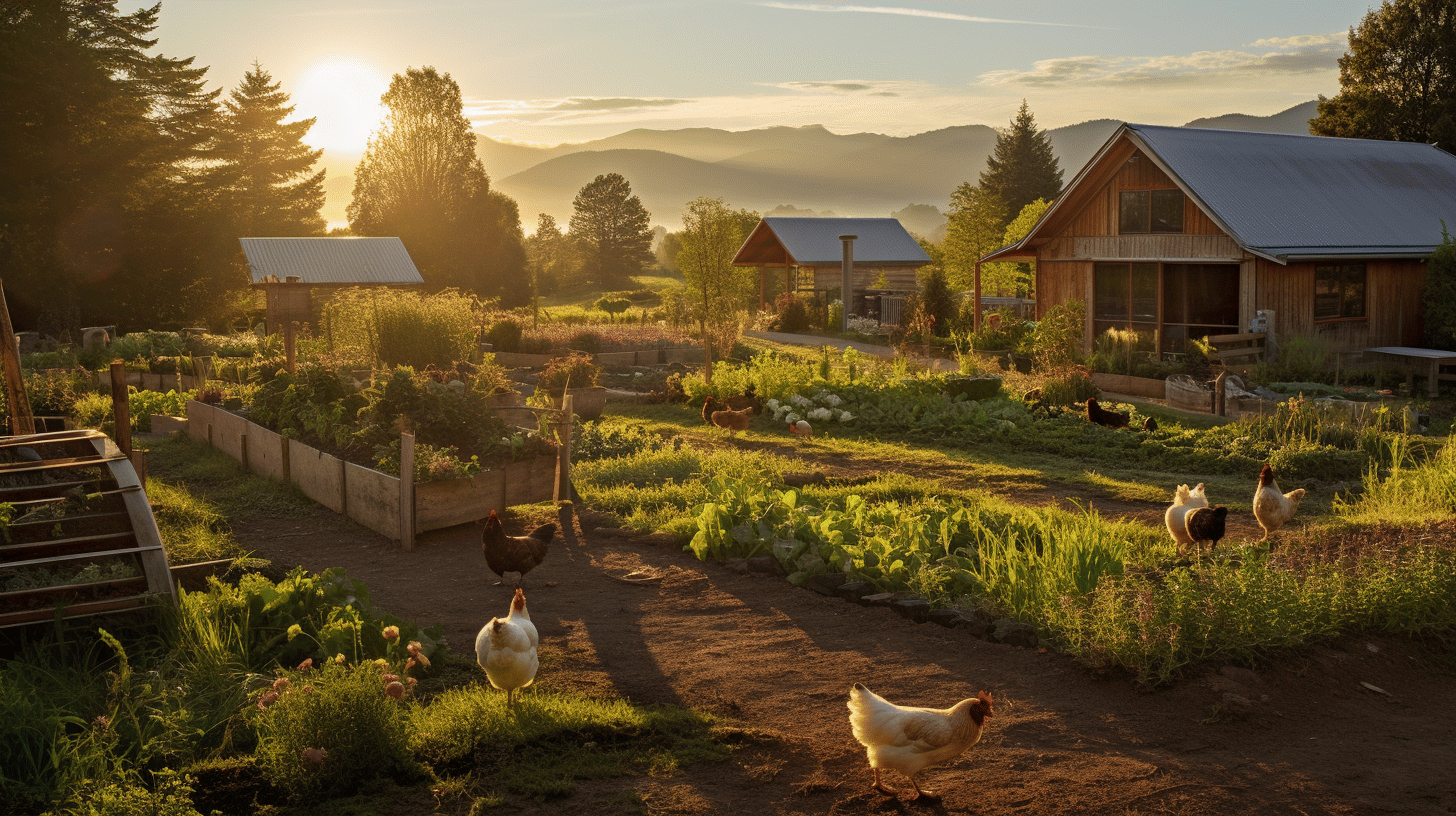
Regenerative agriculture is gaining momentum as an innovative and sustainable approach to farming. Unlike conventional methods that deplete soil health and contribute to environmental degradation, regenerative practices focus on restoring and improving the natural ecosystem on small-scale farms. By adopting these practices, farmers can not only cultivate healthier, more nutrient-rich produce but also contribute to a more sustainable future for our planet.
In this article, we will explore the principles and benefits of regenerative agriculture, as well as key techniques that farmers can implement to promote soil health and biodiversity. We’ll also showcase a success story of a farm that has successfully adopted regenerative practices. Whether you are an aspiring farmer or a consumer interested in supporting sustainable agriculture, this article will provide valuable insights into the world of regenerative farming.
So, let’s dive in and explore the exciting world of regenerative practices for small-scale sustainable farms!
Understanding Regenerative Agriculture
Regenerative agriculture is an innovative and sustainable approach to farming that focuses on restoring, improving, and enhancing natural ecosystems and soil health. By implementing a set of practices that work in harmony with the environment, regenerative agriculture aims to create a more resilient and productive agricultural system for the long term.
Definition and Principles
At its core, regenerative agriculture goes beyond the concept of sustainability. While sustainable farming seeks to minimize negative impacts on the environment, regenerative agriculture takes it a step further by actively working to regenerate the natural resources used in the farming process. Here are the key principles that define regenerative agriculture:
- Soil health improvement: Regenerative agriculture recognizes that healthy soil is the foundation for a thriving ecosystem. Farmers adopting regenerative practices focus on building up soil organic matter, improving soil structure, and enhancing soil fertility. By using cover crops, reducing tillage, and practicing crop rotation, they create an environment that nurtures beneficial microorganisms, increases water-holding capacity, and reduces erosion.
- Biodiversity promotion: Regenerative farmers understand the importance of biodiversity in a resilient ecosystem. They actively promote the protection and enhancement of biodiversity on their farms. This can include planting hedgerows, integrating livestock in grazing systems, and creating habitat for beneficial insects and wildlife. By fostering a diverse array of plants and animals, regenerative agriculture creates a balanced ecosystem that helps control pests naturally and enhances pollination.
- Water conservation: Water scarcity is a global concern, and regenerative agriculture recognizes the need for efficient water management. Regenerative practices focus on minimizing water usage through techniques such as drip irrigation, water harvesting, and soil moisture monitoring. By optimizing water resources, regenerative farmers conserve this precious commodity and contribute to the overall sustainability of the farm.
- Carbon sequestration: Climate change is one of the most critical challenges of our time, and regenerative agriculture offers a solution by actively sequestering carbon from the atmosphere. Through practices like agroforestry, rotational grazing, and the use of cover crops, regenerative farmers enhance carbon storage in the soil and plants. This not only helps mitigate climate change but also improves soil fertility and resilience.
In conclusion, regenerative agriculture represents a holistic and forward-thinking approach to farming. By prioritizing soil health improvement, biodiversity promotion, water conservation, and carbon sequestration, regenerative farmers are working towards a more sustainable and resilient agricultural system. Through these practices, they not only produce healthy and nutritious food but also contribute to the restoration and preservation of our environment for future generations.
Benefits of Regenerative Practices
Regenerative practices in agriculture offer a wide range of benefits that go beyond conventional farming methods. These practices not only contribute to the sustainability of the environment but also have several advantages for farmers and the overall ecosystem. By implementing regenerative practices, farmers can witness enhanced soil fertility, increased biodiversity, improved water management, and even contribute to climate change mitigation. Let’s dive deeper into each of these benefits.
Enhanced Soil Fertility
Regenerative practices focus on building healthy soil, which forms the foundation for sustainable agriculture. By incorporating techniques such as cover cropping, crop rotation, and minimal tillage, farmers can improve soil health and fertility. Here’s how regenerative practices contribute to enhanced soil fertility:
- Increased Organic Matter: Regenerative practices encourage the growth of cover crops and the retention of crop residues, leading to an increase in organic matter content in the soil. This organic matter provides essential nutrients to plants while improving soil structure and water-holding capacity.
- Improved Nutrient Cycling: Through diverse crop rotations and the inclusion of leguminous cover crops, regenerative practices help to maximize nutrient cycling in the soil. This reduces the need for synthetic fertilizers while ensuring that nutrients are efficiently utilized by crops.
- Microbial Activity: Regenerative practices foster a thriving community of beneficial soil microorganisms. These microorganisms play a key role in nutrient cycling, disease suppression, and overall soil health. By promoting microbial activity, regenerative practices support healthier plants and increased crop yields.
Increased Biodiversity
Promoting biodiversity is a fundamental aspect of regenerative agriculture. By creating diverse habitats within farmland, farmers can attract a wide range of beneficial organisms such as pollinators, insects, birds, and other wildlife. Here’s how regenerative practices contribute to increased biodiversity:
- Habitat Restoration: Regenerative practices include the establishment of hedgerows, native plantings, and the preservation of natural areas within farmland. These measures provide crucial habitats for various species, contributing to the overall biodiversity of the ecosystem.
- Ecosystem Services: Biodiversity plays a vital role in providing ecosystem services such as pest control, pollination, and nutrient cycling. By promoting diverse plant and animal populations, regenerative practices reduce the reliance on synthetic inputs while increasing natural ecosystem services.
- Resilience: A diverse ecosystem is more resilient to environmental challenges, such as pests, diseases, and extreme weather events. By embracing regenerative practices, farmers can build a more resilient farm system that can adapt to changing conditions.
Improved Water Management
Water is a precious resource, and regenerative practices focus on sustainable water management within agriculture. By implementing water conservation techniques, farmers can mitigate the risks of soil erosion, water pollution, and water scarcity. Here’s how regenerative practices contribute to improved water management:
- Reduced Erosion: By keeping the soil covered with plants or residues, regenerative practices help prevent soil erosion caused by wind and water. This helps to retain valuable topsoil and ensures its preservation for future generations.
- Enhanced Infiltration: Regenerative practices promote healthy soil structure and permeability, allowing water to infiltrate into the ground rather than running off. This reduces surface runoff and improves water infiltration rates, replenishing groundwater reserves.
- Water Quality Protection: By reducing the use of synthetic fertilizers and pesticides, regenerative practices help protect water quality. This reduces the risk of agricultural runoff polluting rivers, lakes, and other water bodies.
Climate Change Mitigation
Regenerative practices play a crucial role in mitigating climate change by sequestering carbon in the soil and reducing greenhouse gas emissions. Here’s how regenerative practices contribute to climate change mitigation:
- Carbon Sequestration: Regenerative practices promote the adoption of techniques such as cover cropping, rotational grazing, and agroforestry, all of which enhance carbon sequestration in the soil. By drawing carbon dioxide from the atmosphere and storing it in the soil as organic matter, regenerative practices contribute to reducing greenhouse gas emissions.
- Reduced Input Dependence: Regenerative practices emphasize reducing reliance on synthetic inputs such as fertilizers and pesticides. This leads to reduced energy consumption during production, transportation, and application of these inputs, resulting in lower greenhouse gas emissions.
- Increased Resilience: Climate change brings uncertainty and extreme weather events. Regenerative practices, with their focus on healthy soil and ecosystem resilience, enable farmers to adapt to changing climatic conditions and mitigate the impact of climate-related challenges.
In conclusion, regenerative practices offer a multitude of benefits for farmers, the environment, and the future of agriculture. By enhancing soil fertility, increasing biodiversity, improving water management, and contributing to climate change mitigation, regenerative agriculture proves to be a sustainable and forward-thinking approach to farming.
Key Regenerative Techniques
Regenerative agriculture is gaining increasing attention as a sustainable and eco-friendly farming practice. By focusing on building healthy soil and biodiversity, regenerative techniques help improve the long-term productivity and resilience of agricultural systems. In this article, we will explore some key regenerative techniques that farmers can implement to promote soil health and reduce environmental impact.
Cover Cropping
One of the fundamental regenerative techniques is cover cropping. This practice involves planting crops specifically for the purpose of covering the soil during fallow periods, or between cash crops. By doing so, cover crops help prevent erosion, suppress weeds, and improve soil structure. Some benefits of cover cropping include:
- Nutrient Cycling: Cover crops capture excess nutrients from the soil, preventing runoff and leaching, and making them available for subsequent crops.
- Enhanced Water Infiltration: The roots of cover crops create pathways for water to infiltrate the soil, reducing runoff and increasing water-holding capacity.
- Increased Soil Organic Matter: As cover crops decompose, they add organic matter to the soil, improving its fertility and structure over time.
Crop Rotation
Crop rotation is a time-tested regenerative technique that involves growing different crops in a sequence over several years instead of planting the same crop repeatedly. This practice offers several advantages:
- Disease and Pest Management: Crop rotation helps break the life cycles of pests and diseases, reducing the need for chemical interventions.
- Weed Suppression: Different crops have varying growth habits and competitive abilities, which can help suppress specific weed species.
- Improved Soil Health: Different crops have different root structures and nutrient requirements, promoting a more balanced nutrient profile in the soil and reducing the risk of nutrient depletion.
No-Till Farming
No-till farming, also known as zero tillage or conservation tillage, involves minimizing soil disturbance by avoiding the conventional practice of plowing or cultivating the soil before planting. This technique offers multiple benefits:
- Preservation of Soil Structure: No-till farming helps maintain soil aggregates, which improves water infiltration and reduces erosion.
- Carbon Sequestration: Intact soil structure and reduced disturbance promote the accumulation of organic matter, which helps sequester carbon in the soil.
- Water Conservation: By minimizing soil disturbance, no-till farming helps retain moisture in the soil, reducing the need for irrigation.
Composting
Composting is a regenerative technique that involves the decomposition of organic materials, such as plant residues, animal manure, and food waste, into nutrient-rich compost. Benefits of composting include:
- Improved Soil Fertility: Compost adds nutrients and beneficial microorganisms to the soil, enhancing its fertility in a natural and sustainable way.
- Greater Water-Holding Capacity: Compost helps improve soil structure, increasing its ability to retain water and reducing the need for irrigation.
- Reduced Waste: Composting diverts organic waste from landfills, reducing greenhouse gas emissions and contributing to a circular economy.
Agroforestry
Agroforestry is the intentional integration of trees or shrubs into agricultural systems. This technique offers numerous advantages:
- Enhanced Biodiversity: Trees provide habitats for beneficial insects, birds, and other wildlife, promoting a more diverse and balanced ecosystem.
- Improved Soil Health: Tree roots penetrate deep into the soil, helping to improve its structure, stabilize slopes, and enhance nutrient cycling.
- Climate Change Mitigation: Trees help sequester carbon dioxide from the atmosphere, contributing to greenhouse gas reduction efforts.
Incorporating these key regenerative techniques into farming practices not only benefits the environment but also improves long-term farm productivity and profitability. By promoting soil health, biodiversity, and resource conservation, regenerative agriculture offers a sustainable pathway for the future of farming.
Success Stories
Farm X: Regenerative Farming in Action
Regenerative farming practices have gained traction in recent years as farmers look for sustainable and environmentally friendly alternatives to conventional methods. Farm X serves as a shining example of the positive impact that regenerative farming can have on both the environment and the farmers’ bottom line.
Farm X, located in the heartland of agricultural production, made a bold decision to transition from traditional farming practices to regenerative methods. This shift proved to be transformative, not only for the farm itself but also for the surrounding ecosystem. By implementing regenerative practices, Farm X witnessed remarkable improvements in soil health, increased crop resilience, and ultimately, higher profitability.
Let’s take a closer look at some of the key benefits that Farm X experienced through their adoption of regenerative farming practices:
- Improved Soil Health: Farm X understood that healthy soil is the foundation of a thriving farm. By prioritizing soil health through regenerative practices such as cover cropping, crop rotation, and reduced tillage, the farm witnessed a restoration of soil fertility, structure, and nutrient content. This not only enhanced the overall productivity of their farmland but also reduced the need for synthetic fertilizers and pesticides.
- Increased Crop Resilience: The regenerative practices implemented by Farm X contributed to enhanced crop resilience. As the farm focused on diversifying their crops and implementing agroforestry techniques, they experienced reduced pest and disease pressure. This helped minimize crop losses and improve the overall yield and quality of their harvests.
- Higher Profitability: Contrary to the belief that sustainable farming practices may incur additional costs, Farm X found that regenerative farming actually led to higher profitability. By reducing input costs associated with synthetic fertilizers and pesticides, the farm was able to decrease their overall expenses. Additionally, the implementation of regenerative practices improved the marketability of their crops, allowing Farm X to command premium prices for their sustainably grown produce.
The success of Farm X serves as a testament to the power of regenerative farming in revitalizing agricultural systems and creating a sustainable future. By prioritizing soil health, diversifying crops, and finding balance with nature, Farm X achieved remarkable outcomes for both their farm and the environment.
So, whether you’re a farmer looking for more sustainable methods or a consumer seeking to support regenerative agriculture, Farm X’s success story offers hope and inspiration. By embracing regenerative practices, we can pave the way for a healthier, more resilient, and thriving agricultural industry.
Tips for Implementing Regenerative Practices
Implementing regenerative practices on a small-scale sustainable farm can be both rewarding and challenging. Here are some practical tips to help you get started on your regenerative farming journey:
- Start small: Begin by implementing regenerative practices on a small portion of your farm. This allows you to test different techniques and see what works best for your soil type, climate, and farm layout. As you gain experience and confidence, you can gradually scale up your regenerative farming efforts.
- Educate yourself: Take the time to learn about regenerative agriculture and the principles behind it. Understanding the science and theory behind regenerative practices will help you make informed decisions and optimize your farming methods. Seek out books, articles, online resources, and even local workshops or courses to expand your knowledge.
- Assess your soil: Before implementing regenerative practices, it’s essential to assess the health and composition of your soil. Conduct soil tests to determine its nutrient levels, pH, and organic matter content. This information will guide you in choosing the appropriate cover crops, amendments, and fertilizers to improve and maintain soil fertility.
- Integrate cover cropping: Cover cropping is a fundamental regenerative technique that involves planting crops specifically to nourish the soil. Choose cover crops that are suited to your region and farm goals. They can help prevent erosion, suppress weeds, improve soil structure, fix nitrogen, and provide habitat for beneficial insects.
- Implement crop rotation: Crop rotation is another vital regenerative practice that helps break disease cycles, improve soil health, and reduce the need for synthetic pesticides and fertilizers. Design a rotation plan that includes a variety of crops that compliment each other and take advantage of their different nutrient requirements and growth characteristics.
- Adopt no-till farming: Tillage disturbs the soil, disrupts soil organisms, and can contribute to erosion. Transitioning to no-till farming reduces soil erosion, improves water infiltration, and enhances soil health. Start by reducing tillage in certain areas and gradually expand to no-till across your entire farm.
- Implement composting: Composting is a great way to recycle organic waste from your farm and create nutrient-rich compost to feed your soil. Set up a composting system that suits your available resources and space. Use crop residues, animal manure, and other organic materials to create high-quality compost that can be applied to your fields.
- Consider agroforestry: Agroforestry combines trees or shrubs with agricultural crops or livestock to create a diverse and productive system. Planting trees along field borders or incorporating fruit trees into your farming operation can provide multiple benefits, such as shade, windbreaks, wildlife habitat, and additional income streams.
Remember, transitioning to regenerative practices takes time and patience. It’s a process of experimentation, observation, and adaptation. By gradually implementing these tips, you’ll be on your way to creating a more sustainable and resilient farming system that benefits both your farm and the environment.
Check out Farm X to learn how one farm successfully implemented regenerative practices.
Frequently Asked Questions
- What are regenerative practices for small-scale sustainable farms?
Regenerative practices for small-scale sustainable farms aim to restore and improve the health of the soil, enhance biodiversity, and minimize environmental impact. These practices include cover cropping, rotational grazing, composting, agroforestry, and water conservation techniques.
- Why are regenerative practices important for small-scale sustainable farms?
Regenerative practices help small-scale sustainable farms build healthy and fertile soil, increase carbon sequestration, reduce reliance on synthetic fertilizers and pesticides, improve water quality, and promote the long-term sustainability and resilience of the farm ecosystem.
- What are the benefits of using cover crops in regenerative farming?
Cover crops, such as legumes and grasses, help improve the soil structure, suppress weed growth, enhance nutrient availability, prevent erosion, and increase organic matter content. They also support beneficial insects, promote pollination, and provide habitat for wildlife.
- How does rotational grazing contribute to regenerative farming practices?
Rotational grazing involves moving livestock across different pasture areas, allowing for rest and regrowth periods. This practice improves soil health, minimizes overgrazing, enhances nutrient cycling, controls weed growth, and promotes diverse and resilient grasslands.
- What is the role of composting in regenerative farming?
Composting is a process of decomposing organic materials to create nutrient-rich compost. It helps recycle agricultural waste, improves soil fertility, enhances moisture retention, supports beneficial microbial activity, and reduces the need for synthetic fertilizers on small-scale sustainable farms.