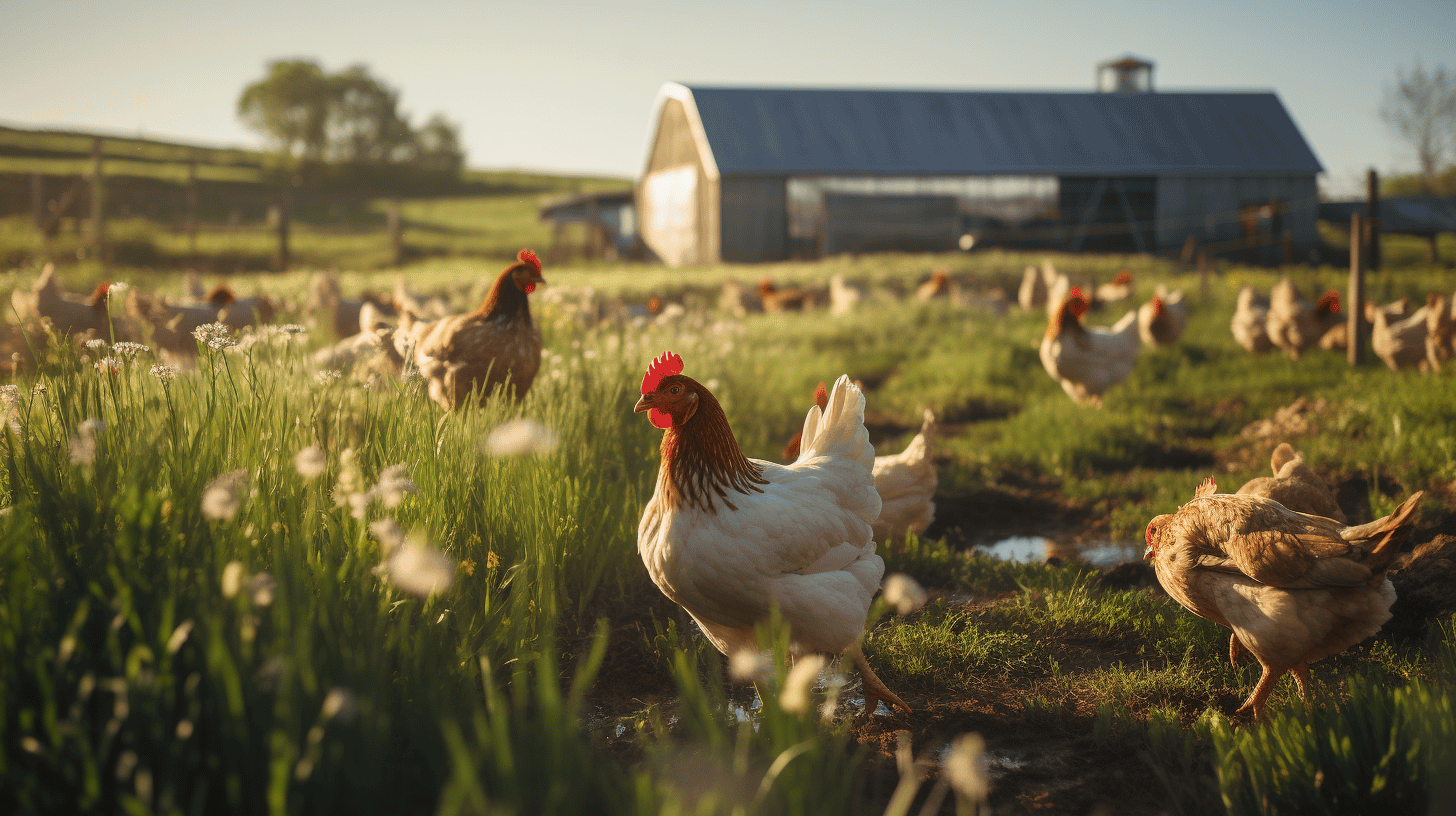
In recent years, there has been growing concern about the state of our planet and the degradation of our natural resources. One area that has gained significant attention is agriculture, a sector that plays a crucial role in food production and economic development. However, conventional farming practices have often led to environmental degradation, soil erosion, and a loss of biodiversity.
Fortunately, there is a promising solution on the horizon: regenerative agriculture. This innovative approach to farming goes beyond simply sustainable practices and aims to restore degraded land while addressing the challenges of climate change and food security.
Regenerative agriculture focuses on nurturing the health of the soil, using techniques that mimic natural ecosystems and promote biodiversity. By following regenerative practices such as no-till farming and cover cropping, farmers can not only improve soil fertility and water retention but also enhance carbon sequestration and support the health of surrounding ecosystems.
This article explores the role of regenerative agriculture in restoring degraded land and its many benefits, including economic, environmental, and health-related aspects. From increased profits for farmers to carbon sequestration and biodiversity conservation, regenerative agriculture has the potential to transform our agricultural systems and create a more sustainable future.
So let’s dive in and discover how regenerative agriculture is revolutionizing the way we approach farming and paving the way for a greener and healthier planet.
Understanding Regenerative Agriculture
Regenerative agriculture has gained significant attention in recent years for its potential to address sustainability challenges and improve soil health. It encompasses a range of practices that aim to restore and rejuvenate degraded farmland, improve water quality, and mitigate climate change. Two key practices within regenerative agriculture are no-till farming and cover cropping.
No-Till Farming
No-till farming is a practice that involves minimizing soil disturbance during the planting and cultivation process. Traditionally, farmers would till the soil to loosen it and create a seedbed. However, this conventional approach can lead to soil erosion, loss of organic matter, and degradation of soil structure.
In no-till farming, farmers leave the soil undisturbed and plant their crops directly into the residue of the previous year’s crop. By not tilling the soil, several benefits can be realized:
- Improved soil structure: Leaving the soil undisturbed allows for the formation of aggregates, which improves water infiltration and reduces the risk of erosion.
- Increased organic matter: Retaining crop residue on the soil surface promotes the decomposition of organic matter. This organic matter enriches the soil, providing essential nutrients for plant growth.
- Preserved soil moisture: The residue acts as a protective layer, reducing evaporation and preserving soil moisture. This can be especially beneficial in regions prone to drought.
Cover Cropping
Cover cropping involves planting a diverse mix of crops, primarily for their ability to improve soil health and fertility, rather than for harvest. These crops are typically planted during fallow periods or in between cash crop growing seasons. The benefits of cover cropping include:
- Erosion control: The dense root systems of cover crops help bind the soil together and prevent erosion caused by wind and water. This is especially important on sloping fields or areas prone to heavy rainfall.
- Nutrient cycling: Cover crops capture nutrients from the soil and store them in their biomass. When the cover crop is terminated and incorporated into the soil, these nutrients are released and made available for subsequent cash crops.
- Weed suppression: Cover crops can compete with weeds for resources such as sunlight, water, and nutrients, reducing the need for synthetic herbicides.
Regenerative agriculture practices like no-till farming and cover cropping lead to reduced erosion and healthier soils. By implementing these practices, farmers can improve the long-term sustainability and productivity of their land while contributing to environmental conservation efforts.
Economic Benefits of Regenerative Agriculture
Regenerative agriculture is not only beneficial for the environment but also for the economic well-being of farmers and the market as a whole. This section will explore the various economic advantages of regenerative agriculture, including increased profits for farmers, the growth potential of the regenerative agriculture market, and the impact on job creation.
Profit Increase for Farmers
Regenerative farming practices have been found to significantly increase farmer profits. According to the National Association of Conservation Districts, regenerative farming has been shown to increase farmer profits by an impressive 78%. This boost in profitability can be attributed to several factors, including reduced input costs, improved soil health, and increased yields over time.
By adopting regenerative practices such as cover cropping, crop rotation, and minimal tillage, farmers can lower their expenses on chemical inputs and reduce the need for costly machinery. Furthermore, regenerative agriculture promotes long-term soil health, leading to higher yields and ultimately higher profits for farmers.
Global Regenerative Agriculture Market Worth
The economic potential of regenerative agriculture extends beyond the individual farmer. The regenerative agriculture market is projected to witness substantial growth in the coming years. Currently estimated to be worth $8.7 billion, this market is expected to reach an impressive $16.8 billion by 2027.
Consumer demand for sustainable and regenerative food products is on the rise, and companies are recognizing the economic opportunity in meeting this demand. As more consumers prioritize environmentally friendly practices and ethically sourced food, the regenerative agriculture market is poised for significant expansion.
Regenerative vs. Conventional Agriculture: A Profit Perspective
When comparing regenerative agriculture to conventional farming methods, it becomes evident that regenerative practices can yield higher profits despite potentially lower grain production. In fact, regenerative fields have demonstrated 78% higher profits than traditional corn production systems.
This stark contrast can be attributed to the aforementioned reduced input costs, improved soil fertility, and the long-term sustainability of regenerative practices. While conventional agriculture may prioritize short-term gains, regenerative agriculture focuses on long-term profitability and environmental stewardship. These economic advantages make regenerative agriculture an attractive option for farmers looking to maximize their profits while also prioritizing sustainability.
Job Creation in Organic Agriculture
In addition to the direct economic benefits experienced by farmers, the adoption of regenerative practices also leads to job creation within the organic agriculture sector. Organic agriculture has been found to create a remarkable 21% more jobs compared to conventional agriculture.
With every unit increase in organic production, approximately 28,000 jobs are created, providing employment opportunities and stimulating local economies. This demonstrates that regenerative agriculture not only benefits the environment and farmers but also contributes to the overall prosperity of communities.
By prioritizing sustainable and regenerative practices, farmers can not only improve their own profitability but also contribute to the growth of the regenerative agriculture market and create employment opportunities. The economic benefits of regenerative agriculture make it a win-win solution for farmers, consumers, and the planet as a whole.
Regenerative Agriculture and Carbon Sequestration
Regenerative agriculture is gaining attention as a sustainable farming practice that not only produces healthy food but also plays a crucial role in mitigating climate change. One of the key benefits of regenerative agriculture is its ability to sequester carbon dioxide (CO2) from the atmosphere and store it in the soil. In fact, recent farming systems and pasture trials have shown that regenerative agriculture practices could sequester more than 100% of current annual CO2 emissions. This remarkable potential makes regenerative agriculture a powerful tool in the fight against climate change.
So, how does regenerative agriculture achieve such significant carbon sequestration? Let’s dive in and explore the mechanisms behind this phenomenon:
Increased Organic Matter:
- Regenerative agriculture prioritizes practices that increase soil organic matter content, such as cover cropping and composting. This organic matter acts as a carbon sink, trapping CO2 from the atmosphere and holding it in the soil.
Enhanced Soil Health:
- By reducing or eliminating tillage, regenerative agriculture helps to protect and improve soil structure. Healthy soils with good structure can store more carbon and prevent its release as CO2.
Biodiversity Promotion:
- Regenerative agricultural practices encourage diverse plant species and beneficial insects, promoting a thriving ecosystem. This biodiversity enhances soil health and stimulates the sequestration of carbon.
Reduced Chemical Inputs:
- Chemical fertilizers and pesticides are often replaced with natural alternatives in regenerative agriculture. This reduces the carbon footprint associated with the production and application of these inputs.
Holistic Grazing Management:
- In livestock systems, regenerative agriculture utilizes holistic grazing practices that mimic natural grazing patterns. This promotes healthy grass growth, which in turn increases carbon sequestration in the soil.
It’s important to note that while regenerative agriculture holds significant potential for carbon sequestration, it should not be seen as a standalone solution to climate change. It complements other mitigation strategies, such as renewable energy and forest conservation, in achieving our climate goals.
In conclusion, regenerative agriculture has emerged as a promising practice for carbon sequestration. By implementing regenerative agriculture techniques, farmers can not only improve soil health and crop productivity but also make a positive impact in the fight against climate change. This holistic approach to farming demonstrates the power of sustainable agriculture in addressing the urgent need for carbon reduction.
Stay tuned to learn more about the specific techniques involved in regenerative agriculture and how they contribute to the sequestration of carbon.
Regenerative Agriculture and Biodiversity
Regenerative agriculture is not only beneficial for soil health and crop yields but also plays a crucial role in promoting biodiversity. By implementing regenerative practices, farmers can create a harmonious environment where diverse plant and animal species can thrive. Let’s explore how regenerative agriculture fosters biodiversity and why it’s important for the overall health of our ecosystems.
The Link Between Regenerative Agriculture and Biodiversity
Regenerative agriculture prioritizes the use of sustainable farming techniques that work in harmony with nature. This approach focuses on restoring and enhancing the health of the soil, which in turn supports the growth of diverse plant species. As the soil becomes healthier, it provides a fertile habitat for various insects, microorganisms, and pollinators – all of which contribute to a thriving ecosystem.
Here’s how regenerative agriculture promotes biodiversity:
- Increased habitat diversity: By incorporating practices like cover cropping, crop rotation, and the use of hedgerows, regenerative farmers create diverse habitats that attract a wide range of organisms. These habitats provide food, shelter, and breeding grounds for different types of plants, animals, and insects.
- Enhanced pollinator populations: Regenerative farming practices often involve the reduction or elimination of chemical pesticides, which can harm pollinators like bees and butterflies. This allows pollinator populations to rebound, leading to improved pollination and increased biodiversity.
- Protection of native plant species: Regenerative farmers often focus on planting native crops and vegetation, which are adapted to the local environment. Native plants provide essential food and habitat for local wildlife, helping to preserve and support the biodiversity of the area.
- Promotion of soil microorganisms: Regenerative practices such as the use of compost, crop residue mulching, and reduced tillage encourage the growth of beneficial soil microorganisms. These microorganisms play a vital role in nutrient cycling, enhancing soil fertility, and supporting the overall health of the ecosystem.
The Importance of Biodiversity in Regenerative Agriculture
Biodiversity is not only a sign of a healthy ecosystem but also a fundamental component of regenerative agriculture. Here’s why promoting biodiversity is crucial in regenerative farming:
- Pest control: Greater biodiversity on farms can naturally regulate pest populations. Beneficial insects, birds, and other organisms feed on pests, reducing the need for chemical pesticides.
- Resilience to climate change: Diverse ecosystems are more resilient to the impacts of climate change. A variety of plant species can adapt better to changing conditions, ensuring stable crop yields even in the face of extreme weather events.
- Improved soil health: Biodiverse ecosystems promote healthier soil by aiding in nutrient cycling, increasing soil organic matter, and reducing soil erosion.
- Sustainable farming: By promoting biodiversity, regenerative agriculture contributes to the long-term sustainability of farming practices. It helps to maintain the natural balance of ecosystems, reducing the reliance on external inputs and ensuring the success of future generations.
In Conclusion
Regenerative agriculture has the power to support and enhance biodiversity, creating a win-win situation for farmers, the environment, and our food systems. By implementing regenerative practices, farmers can promote the growth of diverse plant and animal species, protect native plants, and support the health of our ecosystems. The positive impact of regenerative agriculture on biodiversity goes hand in hand with sustainable farming practices and contributes to the resilience of our agricultural systems in the face of environmental challenges.
Health and Nutritional Benefits of Regenerative Agriculture
Regenerative agriculture is not just beneficial for the environment but can also have a significant impact on our health and nutrition. By nurturing and replenishing the soil, regenerative practices promote the growth of nutrient-rich foods that can enhance our well-being. Let’s explore some of the ways regenerative agriculture can benefit our health:
1. Increased Nutrient Content
When soil is depleted of nutrients, it can result in crops that are similarly lacking in essential vitamins and minerals. However, regenerative practices prioritize soil health by focusing on increasing organic matter, enhancing microbial activity, and promoting nutrient cycling. As a result, the crops grown in regenerative systems tend to have higher levels of essential nutrients, such as vitamin C, vitamin E, and antioxidants. These nutrients are vital for supporting our immune system, reducing inflammation, and protecting our cells from damage caused by free radicals.
2. Improved Soil Microbiology
The health of our gut microbiome is closely linked to our overall well-being. Similarly, the diversity and abundance of microorganisms in the soil play a crucial role in the availability and uptake of nutrients by plants. Regenerative agriculture practices, such as minimal tillage and the use of cover crops, help foster a thriving soil microbial community. This, in turn, can positively influence the nutritional quality of the crops grown in that soil. By consuming foods grown in regenerative systems, we can indirectly support the health of our own microbiome.
3. Reduced Exposure to Chemicals
One of the main principles of regenerative agriculture is to minimize the use of synthetic inputs, including pesticides, herbicides, and fertilizers. By adopting organic and regenerative practices, farmers cultivate a healthier and more sustainable farming environment. This translates into lower chemical residues in the food we consume. Choosing foods that are grown using regenerative methods can help reduce our exposure to potentially harmful chemicals and promote better overall health.
4. Enhanced Taste and Flavor
Have you ever noticed how a tomato from your garden tastes so much better than one bought from the supermarket? That’s because regenerative agriculture prioritizes flavor and taste. By allowing crops to grow at a natural pace and nurturing the quality of the soil, regenerative practices can result in produce that is bursting with flavor. So, not only are you benefiting from the nutritional value of the food, but your taste buds are also in for a treat!
In conclusion, embracing regenerative agriculture practices can have numerous health and nutritional benefits. From increased nutrient content in crops to improved soil microbiology and reduced exposure to harmful chemicals, the impact of regenerative practices extends beyond the environment and has a positive influence on our well-being. So, next time you’re at the grocery store or farmers market, consider choosing foods that are grown using regenerative methods for a healthier you.
Learn more about regenerative agriculture and its impact on our health and nutrition.
Conclusion
In conclusion, regenerative agriculture holds immense potential for restoring degraded land and promoting sustainable farming practices. By adopting practices such as no-till farming and cover cropping, farmers can improve soil health, increase profitability, and contribute to carbon sequestration and biodiversity conservation. The economic benefits of regenerative agriculture extend beyond individual farmers, with the global market for regenerative products expected to grow significantly. Furthermore, the practice of regenerative agriculture has the potential to create new job opportunities in the organic agriculture sector.
Overall, regenerative agriculture offers a holistic approach to farming that aligns with environmental stewardship, economic viability, and health and nutritional benefits. By supporting and implementing regenerative farming practices, individuals, communities, and policymakers can contribute to creating a future where agriculture and ecology thrive in harmony. To learn more about regenerative agriculture and explore in-depth content on the topic, visit Regenerative Agriculture Wiki. Together, let’s embrace regenerative agriculture and pave the way for a sustainable and resilient food system.
Frequently Asked Questions
- What is regenerative agriculture?
Regenerative agriculture is a farming and land management approach that aims to restore soil health, promote biodiversity, and enhance ecosystem services. It focuses on practices like cover cropping, crop rotation, composting, and no-till farming.
- How does regenerative agriculture help in restoring degraded land?
Regenerative agriculture improves degraded land by enhancing soil fertility, increasing organic matter content, reducing erosion, and promoting water infiltration and retention. It also supports the regeneration of native plants, restores biodiversity, and contributes to carbon sequestration.
- What are the benefits of implementing regenerative agriculture practices?
The benefits of implementing regenerative agriculture practices include improved soil health, increased biodiversity, enhanced water quality and availability, carbon sequestration, reduced greenhouse gas emissions, and improved farm resilience to climate change.
- Is regenerative agriculture applicable to all types of farming?
Yes, regenerative agriculture principles can be applied to various farming systems and scales, including conventional, organic, and small-scale farming. The practices can be adapted to suit specific agricultural contexts and goals.
- Are there any economic benefits of adopting regenerative agriculture?
Yes, adopting regenerative agriculture practices can lead to economic benefits such as increased crop yields, reduced input costs, improved market access for sustainable products, and long-term farm sustainability. It can also create additional income streams through ecosystem services and carbon offset programs.