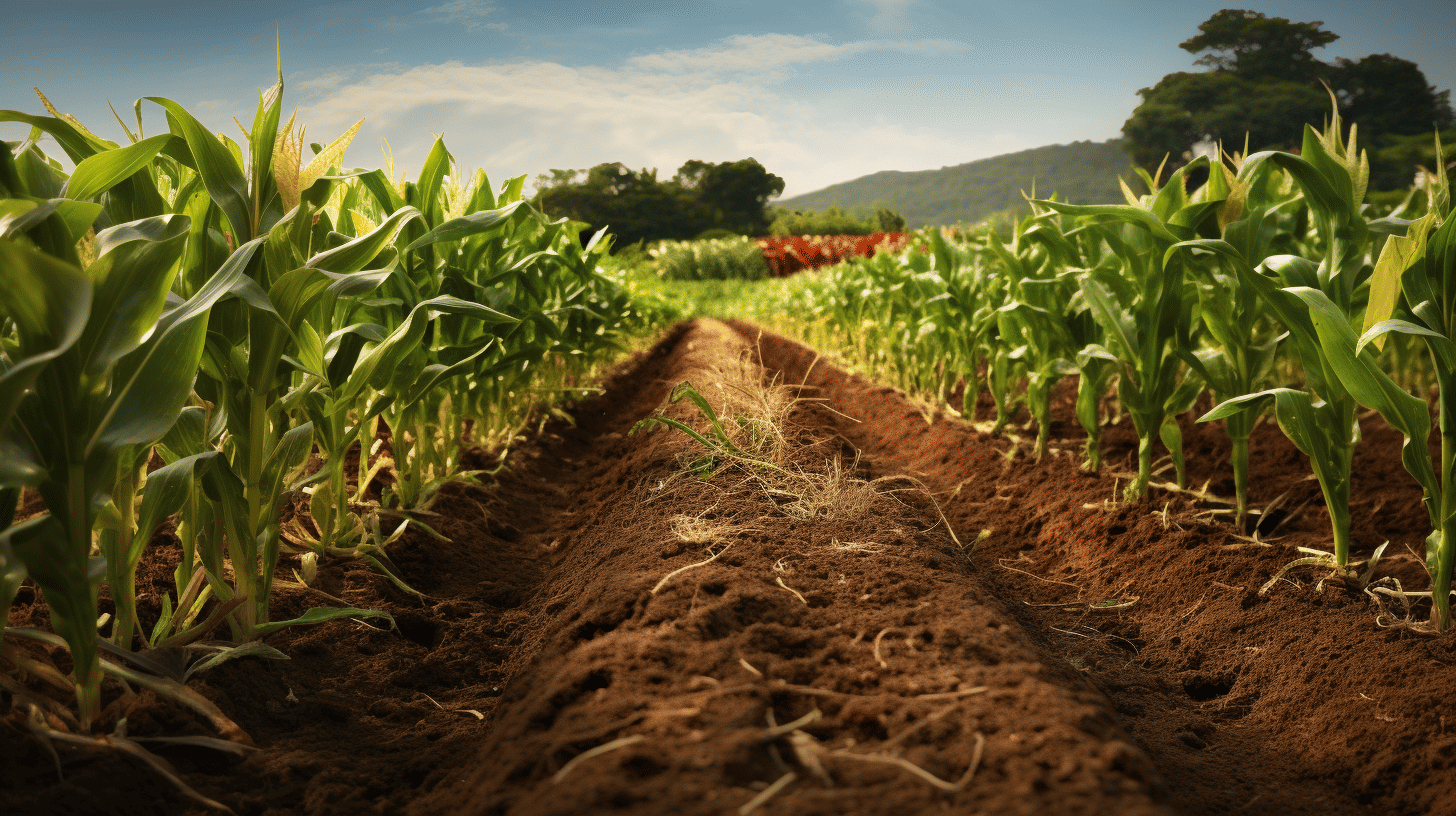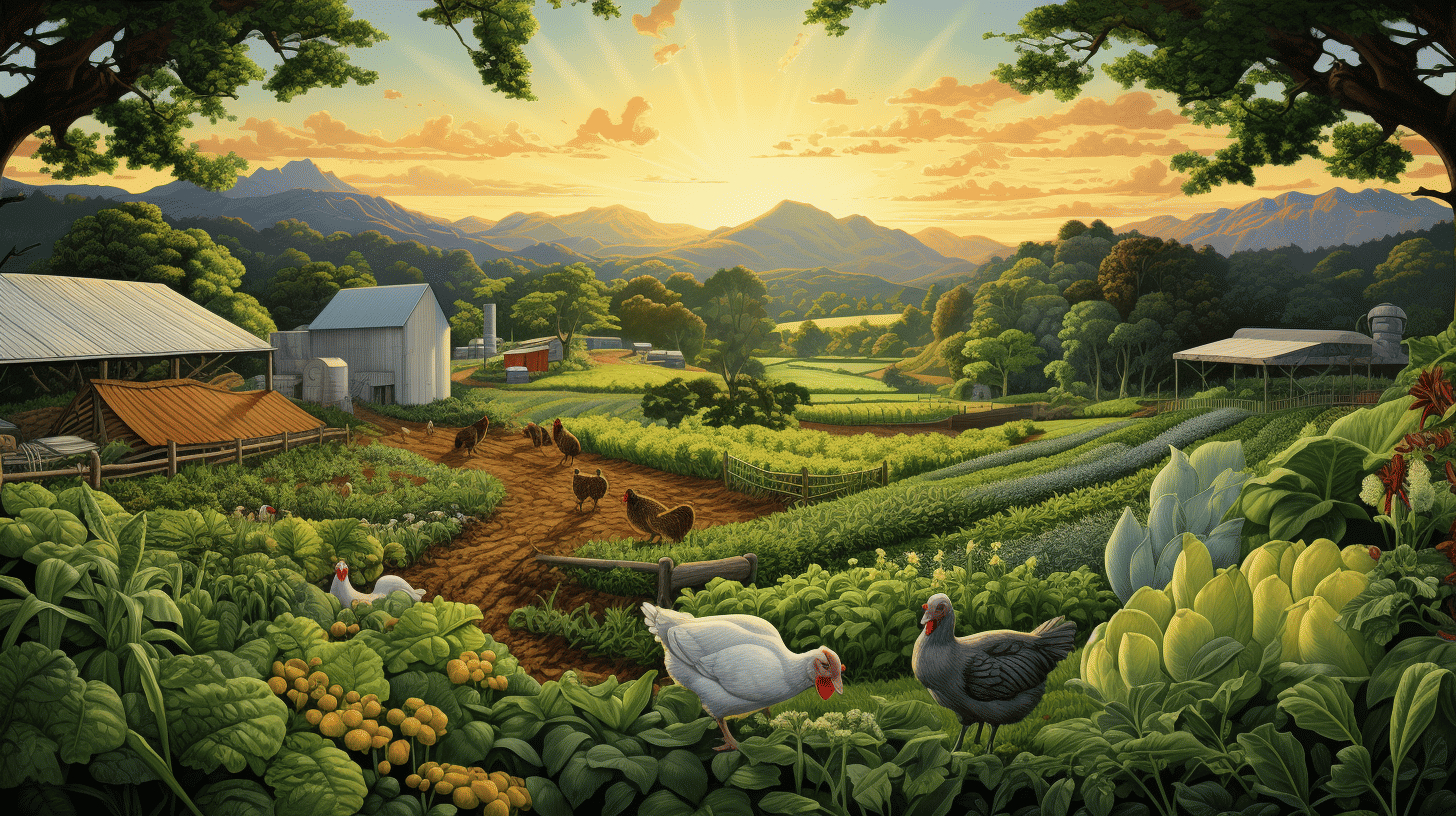
Permaculture, a sustainable farming approach that aims to mimic the natural ecosystem, is revolutionizing the agricultural industry and empowering farmers worldwide. By combining the principles of ecology, design, and sustainable practices, permaculture offers a holistic and regenerative approach to farming that benefits both the environment and the farmers themselves.
In this article, we will explore the success story of permaculture and how it has brought about a positive impact on farmers and communities. From economic gains and social upliftment to environmental regeneration, permaculture brings hope and possibilities for a more sustainable future.
So, let’s dive in and discover the transformative power of permaculture principles in empowering farmers and fostering environmental stewardship.
What is Permaculture?
Permaculture is an innovative and sustainable alternative to conventional agriculture practices. It is a holistic approach that aims to prevent and reverse the harmful effects of unsustainable farming practices. Permaculture systems are designed to mimic the patterns and relationships found in natural ecosystems, creating a harmonious and mutually beneficial relationship between humans and their environment.
Sustainable Alternative to Conventional Agriculture
Conventional agricultural methods have had detrimental effects on the environment, including soil degradation, water pollution, and loss of biodiversity. Permaculture offers a solution by embracing principles that promote sustainable farming practices. By adopting permaculture, farmers can benefit from:
- Reduced Carbon Footprint: Permaculture focuses on regenerative practices that sequester carbon and reduce greenhouse gas emissions, helping to mitigate the effects of climate change.
- Decreased Use of Artificial Fertilizers: Permaculture emphasizes natural fertilization methods, such as composting and the use of cover crops, reducing dependency on synthetic fertilizers that can harm soil health and water quality.
- Preventing Soil Erosion: Through techniques like contouring and terracing, permaculture prevents soil erosion, which is a significant issue in many conventional farming systems.
- Improved Crop Nutritional Value: Permaculture often produces more nutritious crops by enhancing soil health and biodiversity, resulting in healthier food options for consumers.
- Greater Harvest Yields: Contrary to what some may believe, permaculture farms can yield greater harvests compared to industrial farms. The emphasis on ecological design and careful planning helps maximize productivity while minimizing waste.
Principles of Permaculture
Permaculture is guided by a set of principles that aid in the creation of sustainable and resilient systems. Some key principles include:
- Observation and Interaction: Farmers practicing permaculture observe their local ecosystems to understand the unique characteristics and patterns. This knowledge helps inform decision-making and design interventions that work in harmony with nature.
- Use and Value Renewable Resources: Permaculture focuses on utilizing renewable resources, such as solar energy and rainwater harvesting, to minimize reliance on non-renewable resources.
- Design from Patterns to Details: By understanding the patterns and relationships in nature, permaculturists can design well-functioning systems that mimic these natural patterns, resulting in more efficient and productive outcomes.
- Integrate Rather Than Segregate: Permaculture encourages the integration of various components within a system, promoting beneficial relationships and interactions between plants, animals, and other elements.
- Apply Self-Regulation and Accept Feedback: Permaculture farmers continually monitor and adjust their systems based on feedback from the environment and stakeholders, allowing for adaptive management and long-term sustainability.
As you can see, permaculture is not just about farming differently; it’s about promoting a holistic and regenerative approach to food production that respects and restores the natural world. Through its principles and practices, permaculture enables farmers to achieve high yields, increase productivity, and practice sustainable and environmentally-friendly agriculture.
The Impact of Permaculture Farming
Permaculture farming has gained considerable attention in recent years as a sustainable agricultural practice that offers a range of economic, social, and environmental benefits. By harnessing principles of natural ecosystems, permaculture promotes the creation of self-sustaining, regenerative farming systems. Let’s explore the impacts of permaculture farming in more detail.
Economic, Social, and Environmental Impacts
Permaculture farming has the potential to bring about significant economic benefits for farmers and communities alike. By creating diverse and resilient ecosystems, permaculture farms reduce the risk of crop failure and can provide a more stable income for farmers. Additionally, perennials and agroforestry systems implemented in permaculture can lead to long-term financial gains from the sale of sustainably harvested timber, fruits, and nuts.
The social benefits of permaculture farming are also noteworthy. By fostering closer connections to the land, permaculture encourages community involvement and cooperation. Permaculture farms often become hubs of education and knowledge sharing, offering workshops and training programs to empower individuals to practice sustainable agriculture. These community-centered initiatives build resilience and strengthen local food systems.
From an environmental standpoint, permaculture farming plays a crucial role in nurturing biodiversity, sequestering carbon, and promoting soil health. By mimicking natural ecosystems, permaculture farms reduce the need for chemical inputs, such as pesticides and fertilizers. This approach not only minimizes environmental pollution but also enhances the overall health and fertility of the soil, leading to increased crop yields over time.
Permaculture in Specific Regions
While the benefits of permaculture farming are widely recognized, it is important to study and evaluate its impact in specific regions around the world. For example, in regions like India, where smallholder farmers often face challenges related to water scarcity and soil degradation, permaculture has the potential to offer sustainable solutions. By implementing water-harvesting techniques, such as swales and ponds, permaculture can help manage water resources more efficiently and promote drought-resistant farming practices.
Permaculture in Urban Gardens and Farms
Permaculture is not limited to rural settings; it can also be applied effectively in urban gardens and farms. In cities, where space is often limited, permaculture provides innovative solutions for sustainable food production. By implementing techniques such as vertical gardening, rooftop farming, and aquaponics, urban permaculture gardens and farms can maximize output while minimizing the use of resources such as water and energy.
Growing Interest in Permaculture
As the global demand for sustainable and organic food continues to rise, there is a growing interest in permaculture among new and beginning farmers. Permaculture offers a holistic approach that goes beyond traditional farming methods, emphasizing the importance of ecological principles and regenerative practices. Many farmers are drawn to permaculture’s ability to create resilient, self-sustaining systems that work in harmony with nature.
Permaculture education and research centers, such as Terra Alta Permaculture, play a vital role in fostering this growing interest. These centers provide valuable resources, training programs, and consulting services to individuals and communities looking to implement permaculture principles. Their focus on permaculture design, regenerative agriculture, and cultural sustainability helps empower farmers and foster a more sustainable and resilient future.
In conclusion, permaculture farming offers a wide range of economic, social, and environmental benefits. Its ability to create self-sustaining, regenerative systems makes it a promising alternative to conventional farming practices. Whether in rural or urban settings, permaculture has the potential to transform agriculture and contribute to a more sustainable future for our planet.
Conclusion
In conclusion, permaculture has emerged as a sustainable alternative to conventional agriculture, empowering farmers to cultivate land in harmony with nature. By embracing permaculture principles, farmers can create thriving ecosystems, enhance soil health, conserve water resources, and promote biodiversity. The impact of permaculture farming extends beyond environmental benefits, as it also fosters economic and social well-being within communities.
As permaculture gains recognition and popularity, it has found its place in various regions across the globe. From rural farms to urban gardens, the principles of permaculture are being applied to create resilient and self-sustaining systems. With growing interest in regenerative farming practices, there is a renewed hope for a future where agriculture and ecology thrive hand in hand.
If you want to dive deeper into the world of permaculture and explore comprehensive guides on sustainable farming practices, Regenerative Agriculture Wiki is your go-to platform. Our content is meticulously crafted to be enlightening and engaging, providing insights, tips, and resources tailored to meet your interests. Join us in fostering a future where agriculture and ecology thrive in harmony.
Stay connected with Regenerative Agriculture Wiki to stay informed and inspired on the latest developments in regenerative agriculture. Learn more.
Frequently Asked Questions
- What is permaculture?
Permaculture is a set of design principles and practices that aim to create sustainable and self-sufficient systems by working with nature rather than against it. It focuses on integrating various elements such as plants, animals, buildings, and people in a harmonious and mutually beneficial way.
- How does permaculture empower farmers?
Permaculture empowers farmers by providing them with the knowledge and tools to design and maintain agricultural systems that are regenerative, productive, and environmentally friendly. It promotes biodiversity, enhances soil fertility, reduces water usage, and ensures long-term food security.
- What are the benefits of using permaculture principles in farming?
The benefits of using permaculture principles in farming include increased crop yields, improved soil health, reduced reliance on external inputs, minimized environmental impact, enhanced resilience to climate change, and improved livelihoods for farmers.
- Can permaculture be practiced on a small scale?
Yes, permaculture can be practiced on both small and large scales. It is adaptable and can be implemented in various settings, including urban gardens, backyard farms, and community plots. The principles of permaculture can be applied to any size of land.
- How can I learn more about permaculture?
To learn more about permaculture, you can attend workshops, join permaculture communities and organizations, read books and online resources, and even take permaculture design courses. These resources will provide you with a deeper understanding of permaculture principles and their practical applications.