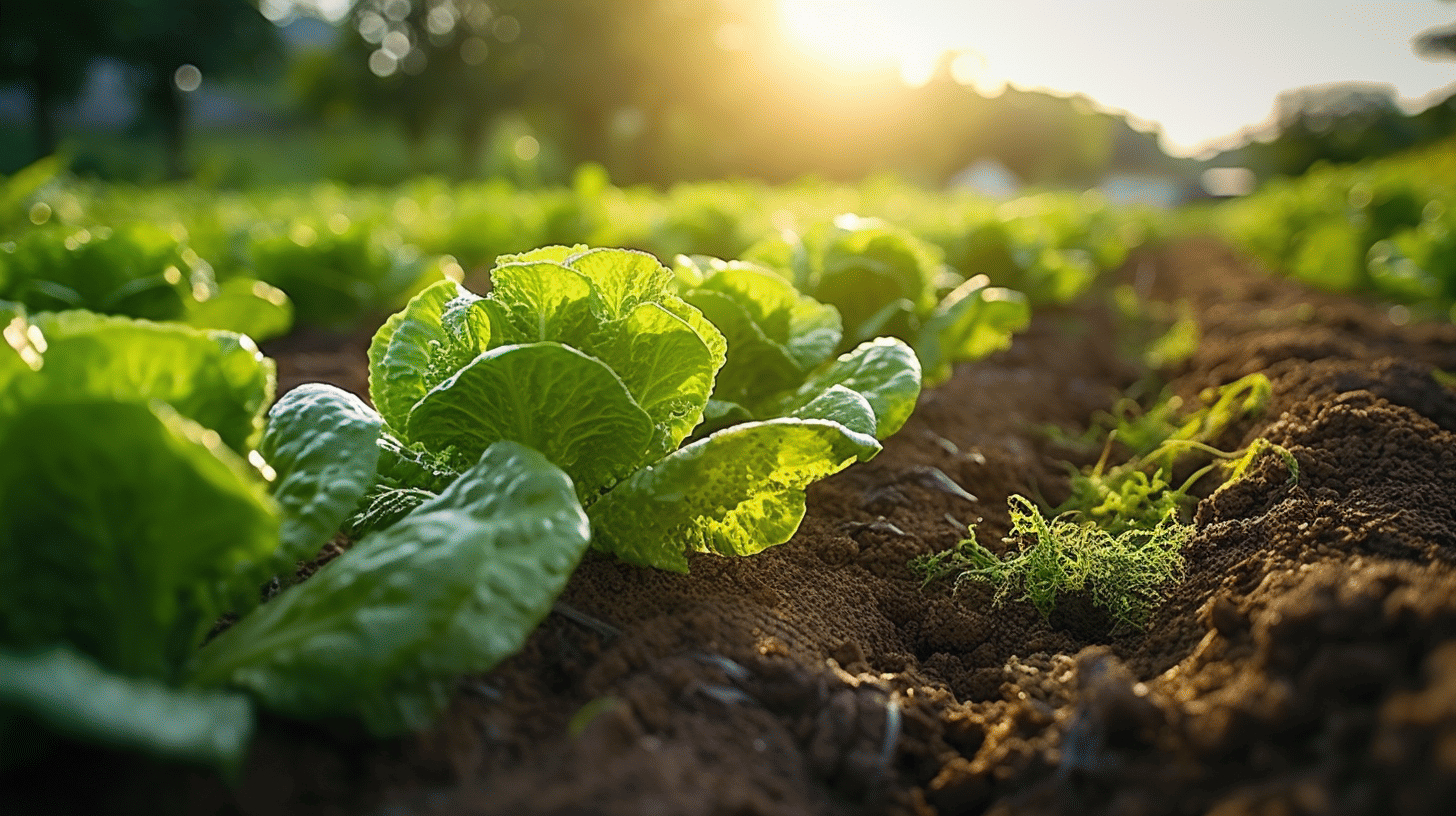
Regenerative agriculture is a farming practice that goes beyond sustainable agriculture by actively working to restore and rejuvenate the land. It is a holistic approach that focuses on improving soil health, biodiversity, and ecosystem functioning while producing healthy and nutritious food. This article explores the role of regenerative agriculture in sustainable food production, highlighting its numerous benefits and positive environmental outcomes.
Regenerative agriculture is gaining traction globally as farmers, scientists, and consumers recognize its potential to address pressing environmental challenges and create a more resilient and sustainable food system. By employing regenerative practices, farmers can improve soil health, reduce input costs, increase yields, and mitigate the impacts of climate change.
In this article, we will delve into the various benefits of regenerative agriculture, including improved soil health and fertility, nutrient-dense food production, reduction of water and air pollution, enhanced natural pest control, operational savings, and increased profitability. Furthermore, we will explore how regenerative agriculture contributes to climate change resilience and the preservation of water resources and biodiversity.
As society becomes more aware of the importance of sustainable food production, regenerative agriculture is emerging as a viable solution that offers multiple benefits for farmers, consumers, and the environment. It represents a shift towards a more regenerative and holistic approach to farming that aims to restore and enhance natural ecosystems rather than deplete them.
Join us as we uncover the powerful role of regenerative agriculture in sustainable food production and explore the positive environmental outcomes it brings. By adopting regenerative practices, we can pave the way for a more sustainable and resilient future for our planet and future generations. Let’s dive in!
Benefits of Regenerative Agriculture
Regenerative agriculture is gaining recognition as an environmentally-friendly and sustainable farming approach that offers numerous benefits for both farmers and the planet. By focusing on soil health, biodiversity, and natural ecosystem processes, regenerative agriculture aims to restore and enhance the productivity of agricultural systems. Let’s explore some of the key benefits associated with this innovative farming practice:
1. Improved Soil Health and Fertility
One of the primary objectives of regenerative agriculture is to nurture and enhance the health of the soil. By using practices like cover cropping, crop rotation, and minimal tillage, regenerative farmers promote the biological activity of the soil and increase its organic matter content. This, in turn, leads to improved soil structure, water infiltration, and nutrient availability. Ultimately, healthier soil supports the growth of healthier crops, leading to increased yields and reduced reliance on synthetic fertilizers.
2. Nutrient-Dense Food Production
Food grown under regenerative agricultural practices tends to be more nutrient-dense compared to conventionally grown produce. The focus on soil health and fertility translates into crops that are richer in essential vitamins, minerals, and antioxidants. Studies have shown that regeneratively grown food contains higher levels of nutrients like vitamin C, vitamin E, and beta-carotene, offering consumers superior quality and taste.
3. Reduction of Water and Air Pollution
Regenerative agriculture practices prioritize the conservation of water resources. Through techniques such as water-efficient irrigation and improved water-holding capacity of the soil, farmers can minimize water usage and reduce the risk of nutrient runoff and water pollution. Additionally, regenerative practices contribute to a decrease in air pollution by reducing the need for synthetic fertilizers and pesticides, which can release harmful gases into the atmosphere.
4. Enhanced Natural Pest Control
By creating diverse and resilient agroecosystems, regenerative agriculture fosters natural pest control mechanisms. Planting cover crops and implementing crop rotations disrupt the life cycles of pests, reducing the need for chemical interventions. Additionally, increased biodiversity on regenerative farms attracts beneficial insects, birds, and other organisms that help regulate pest populations. This approach not only reduces the reliance on pesticides but also promotes a healthier and more balanced ecosystem.
5. Operational Savings and Increased Profitability
Regenerative agricultural practices can prove to be economically beneficial for farmers. By reducing the need for expensive synthetic inputs and machinery, farmers can experience significant cost savings. Moreover, regenerative practices can lead to increased yields, improved soil resilience during extreme weather events, and higher product quality, resulting in higher profits. In fact, research has shown that farms implementing regenerative practices have experienced up to 78% higher profits compared to traditional farming systems.
6. Climate Change Mitigation and Resilience
Considering the significant role of agriculture in greenhouse gas emissions, regenerative agriculture offers a promising solution for mitigating climate change. Through practices like carbon sequestration in the soil, efficient nutrient management, and diverse crop rotations, regenerative farmers can help offset carbon emissions and reduce the sector’s overall environmental impact. Additionally, the adoption of regenerative practices strengthens a farm’s resilience to climate change by improving soil health, water management, and biodiversity.
7. Water Management and Biodiversity
Regenerative agriculture promotes sustainable water management practices, helping to conserve this precious resource. By enhancing the water-holding capacity of the soil and minimizing water evaporation, regenerative farmers are better equipped to withstand drought conditions and optimize irrigation efficiency. Furthermore, the emphasis on biodiversity in regenerative systems contributes to the preservation of native habitats and the protection of pollinators, beneficial insects, and wildlife, fostering a more balanced and resilient ecosystem.
Incorporating regenerative agriculture practices can truly revolutionize the way we produce food, making it more sustainable, nutritious, and environmentally friendly. As the demand for regenerative products continues to grow, we can expect to see broader adoption of these practices, leading to healthier soils, cleaner water, and a more resilient food system for generations to come. So let’s support regenerative farmers and be part of this positive change for our planet.
Positive Environmental Outcomes
Regenerative agriculture is gaining recognition for its potential to deliver positive environmental outcomes. By implementing regenerative practices, farmers and landowners can contribute to a range of benefits that go beyond traditional farming methods. From improving soil health to enhancing climate change resilience, regenerative agriculture offers a promising approach to sustainable land management. Let’s take a closer look at some of the positive environmental outcomes associated with regenerative practices.
Improved Soil Health
One of the significant benefits of regenerative agriculture is its ability to enhance soil health. Healthy soil is crucial for productive and sustainable agriculture, and regenerative practices prioritize the well-being of this vital resource. By adopting regenerative techniques such as cover cropping, crop rotation, and reduced tillage, farmers can reap the following soil health benefits:
- Increased Soil Organic Matter: Regenerative agriculture promotes the accumulation of organic matter in the soil, which enhances soil structure, water-holding capacity, and nutrient availability.
- Enhanced Soil Biodiversity: Regenerative practices foster a diverse community of soil organisms, including beneficial microbes, fungi, and earthworms. This biodiversity contributes to nutrient cycling, improves soil structure, and boosts overall soil health.
- Improved Water Infiltration: Healthy soils with enhanced structure and organic matter content can effectively absorb and retain water, reducing erosion and improving water infiltration rates.
Increased Farm Incomes
In addition to its positive environmental impacts, regenerative agriculture can also lead to increased farm incomes. While the transition to regenerative practices may require initial investment and a shift in management practices, the resulting benefits can provide farmers with long-term financial gains. Here are some of the ways regenerative agriculture can contribute to improved farm incomes:
- Reduced input costs: By minimizing synthetic inputs such as pesticides and fertilizers, regenerative farmers can significantly decrease their input costs, leading to higher profit margins.
- Diversification and Resilience: Regenerative practices often involve diversification of crops, livestock, and revenue streams. This diversification reduces the risk of market fluctuations and increases the resilience of farming systems.
- Premium Markets and Certifications: With the growing demand for sustainably produced food, regenerative farmers can tap into premium markets and certifications that recognize their commitment to environmental stewardship. These opportunities can result in higher prices and market access for their products.
Climate Change Resilience
Recognizing the urgency of addressing climate change, regenerative agriculture offers a potential solution by building climate change resilience. Here’s how regenerative practices can help mitigate and adapt to climate change:
- Carbon Sequestration: Regenerative agriculture has the potential to sequester carbon dioxide from the atmosphere and store it in the soil. By increasing soil carbon levels, regenerative practices contribute to mitigating climate change by reducing greenhouse gas emissions.
- Reduced Erosion and Flooding: Healthy soils with enhanced structure and increased organic matter are better equipped to withstand extreme weather events, such as heavy rainfalls. Regenerative practices help reduce soil erosion and enhance soil water-holding capacity, mitigating the impacts of flooding.
- Water Conservation: Through improved soil health and water management practices, regenerative agriculture minimizes water runoff and promotes efficient water use. This conservation aspect is crucial in regions prone to drought or water scarcity.
In summary, regenerative agriculture offers numerous positive environmental outcomes, ranging from improving soil health and increasing farm incomes to enhancing climate change resilience. By adopting regenerative practices, farmers can not only contribute to a more sustainable food system but also pave the way for a healthier planet.
Growing Awareness and Research
In recent years, there has been a growing awareness of the importance of regenerative agriculture as a sustainable farming practice. As the detrimental effects of conventional farming methods become more apparent, farmers, environmentalists, and researchers are turning to regenerative agriculture as a solution to many of the pressing issues we face in food production.
Supportive Research
Research studies have emerged, highlighting the positive impacts of regenerative agriculture on both the environment and the farming community. These studies provide evidence-based support for the benefits of regenerative practices, encouraging more farmers to adopt these methods. Some key findings include:
- Improved Soil Health: Regenerative agriculture focuses on building healthy soil ecosystems, which naturally improves soil fertility, structure, and overall health. Studies have shown that regenerative practices can significantly increase soil organic matter, microbial activity, and nutrient availability, leading to healthier and more productive soils.
- Increased Farm Incomes: Transitioning to regenerative agriculture has the potential to improve farm incomes. Research has shown that regenerative practices can reduce input costs, such as synthetic fertilizers and pesticides, and improve crop yields. Farmers also have opportunities to diversify their income by implementing sustainable farming practices, such as agroforestry and integrated livestock systems.
- Climate Change Resilience: Regenerative agriculture can play a crucial role in climate change mitigation and adaptation. Research has shown that regenerative practices sequester carbon in the soil, reducing greenhouse gas emissions and helping to mitigate climate change. Additionally, the emphasis on diverse crop rotations and cover cropping improves soil water-holding capacity and resilience to extreme weather events, such as droughts and floods.
Transformation of Farming Systems
The growing awareness of regenerative agriculture has led to a transformation of farming systems around the world. Farmers are increasingly recognizing the importance of adopting regenerative practices and are implementing them on their own farms. This shift is supported by organizations, governments, and institutions promoting and incentivizing sustainable farming practices.
Some key developments in the field of regenerative agriculture include:
- Government Support: Governments are recognizing the significance of regenerative agriculture and are providing financial incentives, technical assistance, and policy support to encourage farmers to transition to these practices. This support is instrumental in driving widespread adoption.
- Institutional Partnerships: Universities, research institutions, and agricultural organizations are investing in research and education on regenerative agriculture. Partnerships between these institutions and farmers are fostering knowledge exchange, creating innovative solutions, and improving the scalability and implementation of regenerative practices.
- Farmer Networks and Movements: Farmer networks and movements are emerging, bringing together like-minded individuals who are passionate about regenerative agriculture. Through these networks, farmers can share experiences, learn from one another, and collectively advocate for policies and practices that support regenerative agriculture.
The growing awareness and research surrounding regenerative agriculture are fueling a movement towards a more sustainable and resilient food system. As more evidence emerges and farmers witness the benefits firsthand, the momentum for regenerative agriculture continues to grow. With continued support and collaboration, regenerative agriculture has the potential to play a significant role in ensuring a sustainable future for our food production systems.
Frequently Asked Questions
- What is regenerative agriculture?
Regenerative agriculture is a holistic approach to farming and land management that focuses on improving soil health, biodiversity, and ecosystem resilience. It emphasizes practices such as cover cropping, crop rotation, minimal tillage, and the use of compost and natural amendments.
- What are the benefits of regenerative agriculture?
Regenerative agriculture offers numerous benefits, including improved soil fertility, increased crop yields, enhanced water retention, reduced erosion, carbon sequestration, biodiversity promotion, and the reduction of synthetic chemical use.
- How does regenerative agriculture contribute to sustainable food production?
Regenerative agriculture promotes sustainable food production by restoring soil health, reducing the need for synthetic inputs, preserving water resources, and supporting biodiversity. It helps create resilient and self-sufficient farming systems that can adapt to changing environmental conditions.
- Can regenerative agriculture be applied at various scales of farming?
Yes, regenerative agriculture principles can be applied at various scales, from small-scale organic farms to large commercial operations. The key is to implement practices that prioritize soil health, biodiversity, and ecosystem restoration, regardless of farm size.
- Are there any certifications for regenerative agriculture?
Currently, there is no widely recognized certification specifically for regenerative agriculture. However, there are existing certifications such as organic certifications that incorporate some regenerative principles. It is important to look for farms and products that follow regenerative practices, even if they don’t carry a specific label.