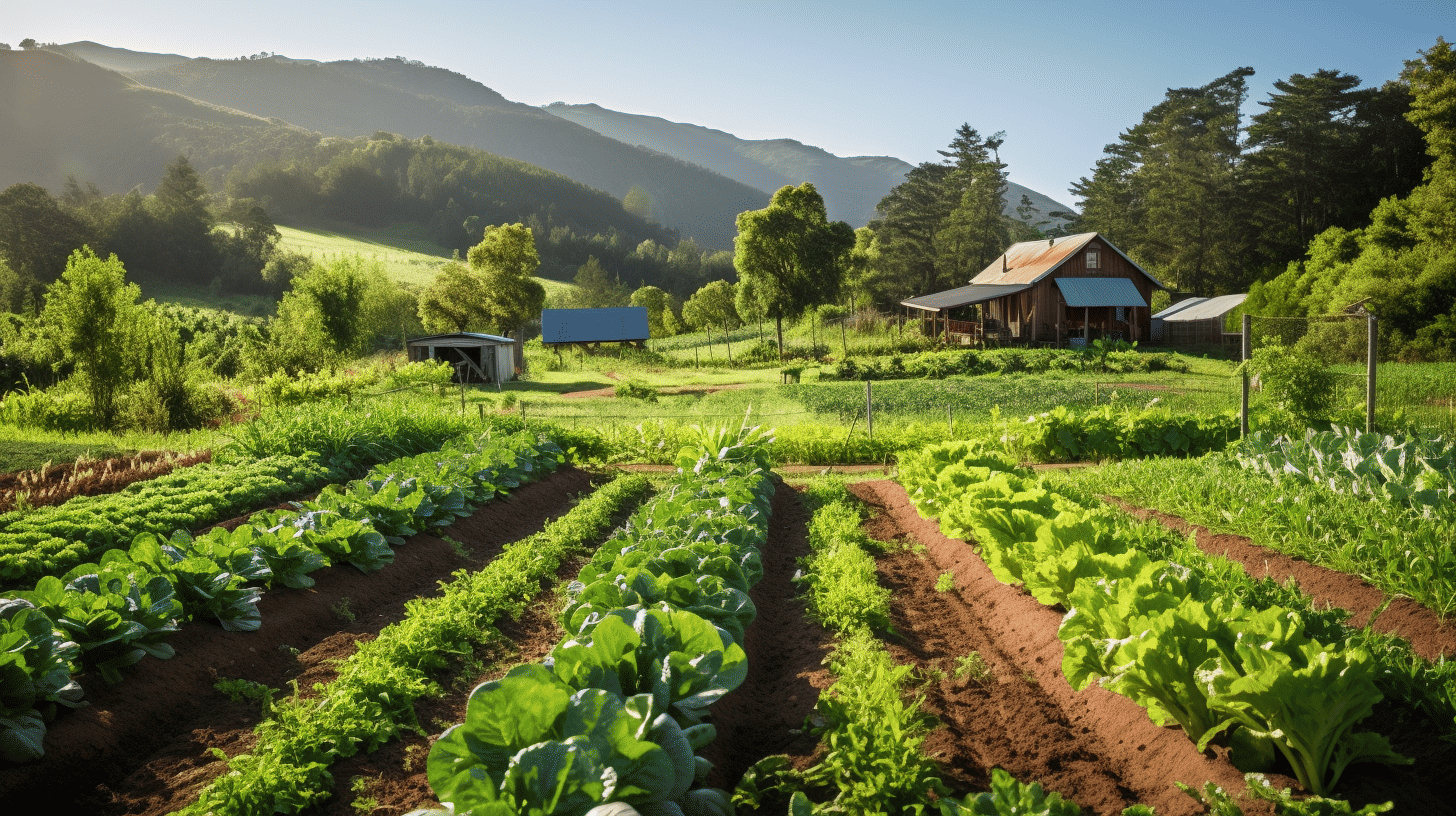
Regenerative agriculture is gaining significant attention as a powerful tool in the fight against climate change. As the world grapples with the urgent need to reduce carbon emissions and mitigate their impact on the environment, regenerative agriculture offers a promising solution. By implementing practices that focus on soil health, biodiversity, and carbon sequestration, regenerative agriculture has the potential to not only reduce greenhouse gas emissions but also restore ecosystems and improve the resiliency of our food systems.
In this article, we will explore the various ways in which regenerative agriculture can positively impact carbon footprint reduction. From the role of global agriculture in greenhouse gas emissions to the benefits of regenerative practices in carbon sequestration, we will delve into the significant advantages that this approach brings to the table. Furthermore, we will discuss the potential reduction of methane emissions, sustainable yields, job creation, funding and support, and the relationship between soil health and climate resilience.
Regenerative agriculture is not just a buzzword; it is a holistic approach that prioritizes the health of our planet for future generations. By implementing regenerative practices, farmers and land stewards have the power to make a substantial difference in the fight against climate change while also improving the quality of our soils and the overall health of our ecosystems.
Join us on this journey as we explore the impact of regenerative agriculture on carbon footprint reduction and discover the transformative potential it holds for a sustainable future. Let’s delve into the ways regenerative agriculture’s practices can combat climate change and create a more resilient and thriving planet.
The Role of Global Agriculture in Greenhouse Gas Emissions
Global agriculture plays a significant role in greenhouse gas emissions, contributing to the ongoing issue of climate change. While it is often overlooked in conversations about pollution and environmental impact, the agricultural sector has a measurable influence on our planet’s greenhouse gas levels. This section will explore the direct responsibility of agriculture in greenhouse gas emissions and the percentage of emissions it accounts for.
Direct Responsibility
According to recent studies, global agriculture is directly responsible for up to 8.5% of greenhouse gas emissions. This includes emissions from various agricultural practices, such as:
- Enteric Fermentation: Methane emissions produced by livestock during digestion. Cows, in particular, release a significant amount of methane, a potent greenhouse gas, through their digestive process.
- Manure Management: Methane emissions from the storage and decomposition of livestock manure, primarily in concentrated animal feeding operations (CAFOs).
- Rice Cultivation: Methane emissions from flooded rice paddies, which provides an ideal environment for the production of methane by anaerobic bacteria.
- Synthetic Fertilizers: Nitrous oxide emissions resulting from the application of synthetic fertilizers, which contribute to the greenhouse effect and ozone depletion.
- Burning of Agricultural Residues: Release of carbon dioxide and other pollutants into the atmosphere from the burning of crop residues after harvest.
These practices, essential for global food production, have unintended environmental consequences. It is crucial to find sustainable alternatives and ways to mitigate the negative impact of agriculture on greenhouse gas emissions.
Percentage of Emissions
When considering all human activities, agriculture accounts for 18.4% of global greenhouse gas emissions, making it one of the largest contributors. It is important to note that this figure takes into account not only direct emissions from agricultural practices but also other factors such as deforestation for agriculture, land use changes, and the energy consumption associated with food processing and transportation.
While the percentage of emissions attributed to agriculture alone might seem relatively low, it is crucial to recognize the cumulative effect of all sectors contributing to global emissions. Every sector must play its part in reducing emissions and transitioning to more sustainable practices.
In conclusion, global agriculture has a direct responsibility for greenhouse gas emissions and accounts for a significant percentage of the overall emissions. It is paramount for agriculture to adopt sustainable practices and implement mitigation strategies to reduce this impact while ensuring food security for the growing global population.
Benefits of Regenerative Agriculture in Carbon Sequestration
Regenerative agriculture is gaining recognition as a powerful solution to combat climate change. By adopting regenerative practices, farmers can not only improve soil health and crop yields but also play a crucial role in carbon sequestration. Let’s explore the key benefits of regenerative agriculture in carbon sequestration:
Carbon Sequestration Potential
One of the most significant advantages of regenerative agriculture is its ability to sequester carbon from the atmosphere and store it in the soil. In fact, regenerative practices have the potential to sequester more than 100% of current annual CO2 emissions. This means that with widespread adoption of regenerative farming methods, we could actually start reversing the negative impacts of climate change.
Restoring Biodiversity in Soils
Restoring biodiversity in soils is a fundamental aspect of regenerative agriculture. By implementing practices like cover cropping and crop rotation, farmers can increase the diversity of plant species in their fields. This diversity helps create a more resilient ecosystem that can capture and store carbon more efficiently.
Studies have shown that restoring biodiversity in grasslands, in particular, can dramatically increase their capacity to capture and store carbon. These grasslands act as carbon sinks, taking in carbon dioxide and converting it into organic matter in the soil.
Compost Application
Applying compost to rangelands is another regenerative practice that can significantly enhance carbon sequestration. Compost application has been found to double grass growth and increase carbon sequestration by up to 70%. By enriching the soil with organic matter, compost aids in the formation of stable soil carbon, helping to trap carbon dioxide in the ground.
Transitioning to Regenerative Practices
Transitioning to regenerative agriculture practices on farmland holds immense potential for carbon sequestration. A study conducted in Vermont estimated that if all of the state’s farmland transitioned to regenerative practices, it could sequester atmospheric carbon and contribute significantly to mitigating climate change.
Furthermore, regenerative farming practices have proven to cut farming emissions in half when compared to conventional methods. By reducing the use of synthetic fertilizers and pesticides, regenerative agriculture minimizes the release of greenhouse gases into the atmosphere.
Conclusion
Organic, regenerative, and agroecological farming systems offer viable pathways towards carbon sequestration and reducing greenhouse gas emissions. These practices not only improve soil health and crop productivity but also have the potential to cut the carbon footprint of farming operations by 66% compared to conventional practices. By embracing regenerative agriculture, we can harness the power of nature to combat climate change and create a more sustainable future for generations to come.
Additional Information:
- Regenerative agriculture practices can sequester more than 100% of current annual CO2 emissions.
- Restoring biodiversity in soils, particularly in grasslands, can dramatically increase their capacity to capture and store carbon.
- Applying compost to rangelands can double grass growth and increase carbon sequestration by up to 70%.
- Transitioning to regenerative practices on Vermont’s farmland could sequester atmospheric carbon.
- Regenerative farming can cut farming emissions in half.
- Organic, regenerative, and agroecological farming systems can increase soil organic carbon stocks and decrease greenhouse gas emissions.
- Regenerative agriculture practices can cut the carbon footprint of farming operations by 66% compared to conventional operations.
Regenerative Agriculture and Methane Emissions
In recent years, there has been a growing interest in exploring the connection between regenerative agriculture practices and methane emissions reduction. While regenerative agriculture encompasses a range of practices aimed at improving soil health and ecosystem resilience, one area of particular focus is the reduction of enteric methane emissions.
Methane, a potent greenhouse gas, is produced by ruminant animals such as cattle, sheep, and goats as a byproduct of their digestive processes. These enteric methane emissions contribute significantly to global greenhouse gas emissions, making it a pressing concern for climate change mitigation efforts.
Research has shown that regenerative agriculture practices can play a crucial role in reducing enteric methane emissions in grazing systems. Here are some key ways in which regenerative agriculture can contribute to methane emissions reduction:
Reduction of Enteric Methane Emissions
- Improved Forage Quality: By implementing regenerative practices such as rotational grazing and diverse forage plantings, farmers can improve the nutritional quality of the forage consumed by their livestock. This leads to better digestion and lower methane emissions. Additionally, well-managed regenerative grazing systems can promote the growth of deeper-rooted perennial grasses, which further enhance soil health and capture more carbon from the atmosphere.
- Supplementation with Additives: Some studies have shown that certain feed additives, such as seaweed or plant extracts, can help decrease enteric methane emissions in livestock. These additives have the potential to be incorporated into regenerative farming systems as a means of further reducing methane emissions while maintaining animal health and productivity.
- Diversification of Livestock: In regenerative agriculture, diversifying livestock species within a grazing system can help optimize nutrient cycling and minimize methane emissions. For example, integrating sheep or goats with cattle can improve the utilization of pasture, as different species have varying grazing preferences and forage conversion efficiency.
- Soil Carbon Sequestration: A fundamental principle of regenerative agriculture is the restoration and enhancement of soil health. By adopting practices such as cover cropping, reduced tillage, and the use of organic amendments, farmers can increase soil organic matter and promote carbon sequestration. As the soil becomes a carbon sink, it not only helps mitigate climate change but also contributes to improved forage quality and animal nutrition, indirectly influencing enteric methane emissions.
It’s important to note that while regenerative agriculture shows promise in reducing enteric methane emissions, further research is needed to fully understand the extent of its impact and to refine best practices. Nonetheless, the potential benefits of implementing regenerative practices extend beyond just methane emissions reduction – they also include soil health improvement, increased biodiversity, and enhanced farm resiliency.
By embracing regenerative agriculture, farmers have the opportunity to contribute to sustainable food production while mitigating climate change. This holistic approach holds the promise of a healthier planet for future generations.
Sustainable Yields and Job Creation through Regenerative Agriculture
Regenerative agriculture is not only beneficial for the environment but also holds great potential for generating sustainable yields and creating new job opportunities. By harnessing regenerative practices, farmers can optimize their land use and increase agricultural productivity while safeguarding the soil, water, and biodiversity. Let’s explore how regenerative agriculture can lead to increased yields and job creation.
Increased Yields
One of the key advantages of regenerative agriculture is its ability to enhance crop yields over time. By prioritizing soil health and adopting practices such as cover cropping, crop rotation, and conservation tillage, farmers can improve the overall productivity of their land. Here are some reasons why regenerative agriculture can lead to increased yields:
- Improved soil fertility: Regenerative practices focus on building healthy, nutrient-rich soil. By enriching the soil with organic matter and beneficial microbes, farmers can enhance the availability of essential nutrients for plants, leading to improved crop growth and higher yields.
- Enhanced water retention: Healthy soils with improved structure and organic matter content have better water-holding capacity. This means that even during periods of drought or heavy rainfall, plants can access the moisture they need for optimal growth. In turn, this leads to more resilient crops and higher yields.
- Reduced reliance on synthetic inputs: Regenerative agriculture emphasizes minimizing the use of synthetic fertilizers and pesticides. Instead, it promotes natural and sustainable methods to manage pests and diseases. By reducing chemical inputs, farmers can create a more balanced ecosystem that supports beneficial insects and organisms, fostering healthier crops and higher yields.
According to recent data, regenerative practices could increase yields by 13% by 2040, offering a promising pathway towards sustainable food production in the face of a growing global population[1].
Job Creation
In addition to its positive impact on yields, regenerative agriculture also has the potential to generate significant job opportunities. By adopting regenerative practices, farmers require more hands-on involvement in managing their land, which can lead to increased employment. Here’s how regenerative agriculture can contribute to job creation:
- Diverse skill requirements: Regenerative agriculture involves a wide range of practices, such as soil testing, cover cropping, and holistic grazing management. These practices require diverse skills and expertise, ranging from agronomy and soil science to animal husbandry and land management. As a result, regenerative agriculture can create jobs across various sectors, providing employment opportunities for individuals with different skill sets.
- Expanded farm services: As the demand for regenerative agriculture grows, so does the need for supporting services. This includes the production and distribution of organic fertilizers, cover crop seeds, and soil amendments, as well as consulting services and educational programs. These ancillary services provide additional employment opportunities within the regenerative agriculture ecosystem.
Overall, regenerative agriculture has the potential to create five million new full-time jobs[1]. By embracing sustainable farming practices, we can not only boost yields and improve food security but also contribute to the economic well-being of rural communities.
In conclusion, regenerative agriculture offers a way forward for sustainable yields and job creation. By prioritizing soil health, water conservation, and reduced chemical inputs, farmers can increase their crop yields while simultaneously supporting the creation of new employment opportunities. Embracing regenerative practices is a win-win solution that benefits both the environment and our agricultural communities.
Stay tuned to learn more about the different regenerative practices and their specific benefits for sustainable agriculture.
Funding and Support for Regenerative Agriculture
Regenerative agriculture is gaining momentum as a sustainable and environmentally-friendly approach to farming. But what exactly is regenerative agriculture, and how can farmers access funding and support to implement these practices? In this section, we will explore the Department of Agriculture’s role in supporting regenerative agriculture and providing financial assistance to farmers.
Department of Agriculture Support
The Department of Agriculture recognizes the importance of regenerative agriculture in addressing climate change and promoting soil health. As a result, they have implemented various programs and initiatives to support farmers who are interested in adopting regenerative practices.
One such program is the Regenerative Agriculture Initiative, which provides financial assistance to farmers for implementing regenerative farming techniques. Through this initiative, farmers can receive funding for activities such as cover cropping, crop rotation, and conservation tillage. These practices not only improve soil health but also reduce the need for synthetic fertilizers and pesticides, resulting in a more sustainable farming system.
The Department of Agriculture has also established the Carbon Farming Initiative, which supports farming projects that aim to reduce greenhouse gas emissions by capturing carbon in agricultural soils. Through this initiative, farmers can participate in carbon sequestration projects and receive financial incentives for implementing practices that enhance carbon storage in the soil. This not only helps combat climate change but also increases the resilience of agricultural systems.
In addition to financial assistance, the Department of Agriculture provides farmers with educational resources and technical support to help them transition to regenerative agriculture. They offer workshops, training programs, and educational materials to farmers interested in learning more about regenerative practices and how to implement them effectively on their farms.
Through these various programs and initiatives, the Department of Agriculture is actively working to promote and support regenerative agriculture. By providing financial assistance and educational resources, they aim to empower farmers to adopt sustainable farming practices that benefit both the environment and their livelihoods.
“The Department of Agriculture has provided funding to farming projects that reduce emissions by capturing carbon.”
By leveraging the support and funding available through the Department of Agriculture, farmers can take significant steps towards implementing regenerative agriculture practices. This not only helps improve soil health and productivity but also contributes to mitigating climate change and creating a more sustainable future for agriculture.
Soil Health and Climate Resilience
Introduction:
The importance of soil health in building climate resilience cannot be overstated. Healthy soils play a crucial role in capturing carbon from the atmosphere and mitigating climate change. Additionally, when soils are healthy and biodiverse, they become more resilient to the impacts of climate change. In this section, we will explore how regenerative agriculture practices can improve soil health and make soils more resilient to the changing climate.
Improved Soil Health
Regenerative agriculture focuses on restoring and enhancing the health of soils by mimicking natural processes. By adopting regenerative practices, farmers can improve soil structure, increase organic matter content, and enhance microbial activity. Here’s how regenerative agriculture improves soil health:
- Carbon sequestration: Regenerative practices such as cover cropping and conservation tillage enhance the ability of soils to capture and store carbon dioxide. This plays a vital role in offsetting greenhouse gas emissions and mitigating climate change.
- Enhanced nutrient cycling: Regenerative practices promote the cycling of nutrients within the soil. This means that essential elements like nitrogen, phosphorus, and potassium are more readily available to plants, reducing the need for synthetic fertilizers and minimizing nutrient runoff into water bodies.
- Improved water retention: Healthy soils have better water holding capacity, reducing the risk of drought and increasing crop resilience during periods of low rainfall. This is especially important in the face of more frequent and intense droughts associated with climate change.
- Reduced erosion: Regenerative practices, such as contour plowing and the use of cover crops, help prevent soil erosion by reducing the impact of rain and wind. This helps to retain valuable topsoil, which is essential for agriculture productivity.
Resilience to Climate Change
Climate change poses unique challenges to agricultural systems worldwide. However, healthy soils offer a buffer against these challenges and allow farmers to adapt and thrive in the face of a changing climate. Here’s how regenerative agriculture improves soil resilience to climate change:
- Increased water infiltration: Healthy soils absorb water more efficiently, reducing the risk of flooding during heavy rainfall. This prevents soil degradation and nutrient loss, which is critical for the long-term productivity of agricultural lands.
- Temperature regulation: Healthy soils have better thermal properties, helping to buffer crops against extreme temperature fluctuations. This is particularly important in regions experiencing more intense heatwaves or cold snaps due to climate change.
- Disease suppression: Biodiverse soils with high microbial activity are more resistant to pests and diseases. This reduces the need for chemical interventions, making agricultural systems more sustainable and environmentally friendly.
- Crop diversity: Regenerative agriculture encourages the planting of diverse crops, reducing the reliance on monocultures. This diversification improves soil health and resilience by creating a more robust and adaptable ecosystem.
In conclusion, improving soil health through regenerative agriculture is a crucial step towards building climate resilience. Healthy soils have the potential to sequester carbon, retain water, and enhance nutrient cycling, benefiting both farmers and the environment. By adopting regenerative practices, we can create a sustainable and resilient agricultural system that can withstand the challenges posed by climate change.
Internal Link: Why is Regenerative Agriculture Important?
Conclusion
In conclusion, regenerative agriculture holds immense potential for reducing the carbon footprint of the global agriculture industry. By adopting regenerative practices, farmers can play a vital role in mitigating greenhouse gas emissions, restoring soil health, and promoting biodiversity. This holistic approach not only helps in carbon sequestration but also contributes to sustainable yields and job creation. The support and funding provided by organizations like the Department of Agriculture further facilitate the adoption of regenerative practices. As we strive towards a more sustainable future, regenerative agriculture offers a path where agriculture and ecology can thrive in harmony.
Explore the world of regenerative agriculture on the Regenerative Agriculture Wiki and discover how you can make a positive impact on the environment while ensuring global food security. Join us in fostering a future where sustainable farming practices are the norm, and together, let’s cultivate a greener and more resilient world.
Visit the Regenerative Agriculture Wiki to start your journey towards a sustainable and regenerative future.
Frequently Asked Questions
- What is regenerative agriculture?
Regenerative agriculture is an approach to farming that focuses on improving soil health, biodiversity, water quality, and overall ecosystem resilience. It aims to restore degraded land and reverse the negative impacts of conventional agriculture.
- How does regenerative agriculture help in reducing carbon footprint?
Regenerative agriculture helps reduce carbon footprint by promoting carbon sequestration in the soil. By using practices like cover cropping, crop rotation, minimal tillage, and composting, it enhances the organic matter content in the soil, leading to increased carbon storage.
- What are the other environmental benefits of regenerative agriculture?
Apart from carbon footprint reduction, regenerative agriculture offers several environmental benefits. It helps prevent soil erosion, improves water infiltration, enhances biodiversity, reduces the need for synthetic fertilizers and pesticides, and promotes natural pest control.
- Are there any economic benefits of adopting regenerative agriculture?
Yes, there are economic benefits to adopting regenerative agriculture. It can reduce input costs, such as fertilizers and pesticides, improve yields over the long term, increase soil fertility, and provide opportunities for farmers to participate in carbon credit programs or premium markets for regeneratively grown products.
- Is regenerative agriculture applicable to all types of farming?
Regenerative agriculture principles can be applied to various types of farming, including crop production, livestock grazing systems, orchards, and vineyards. However, the specific practices and techniques may vary depending on the context and scale of farming.