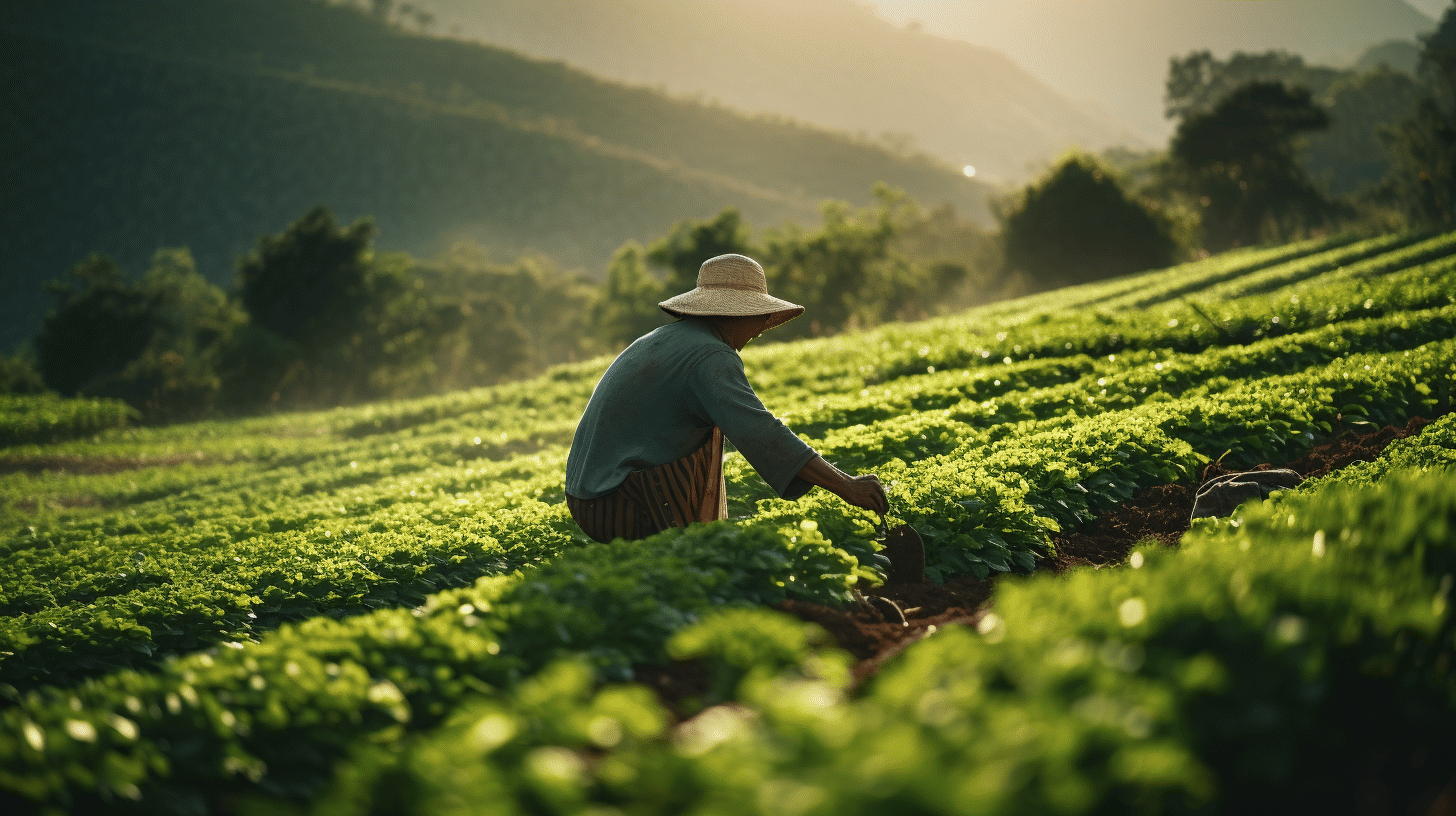
Regenerative farming is a rapidly growing movement in the agricultural industry, transforming the way farmers approach food production. This groundbreaking approach emphasizes sustainable practices that not only improve soil health but also promote environmental stewardship. As consumer demand for eco-friendly and ethically sourced products continues to rise, regenerative farming presents a promising solution for farmers looking to meet these demands while also increasing their profits.
In this article, we will explore the potential of regenerative farming and provide valuable tips for farmers who are interested in implementing these practices on their own farms. From the environmental benefits of carbon sequestration and biodiversity enhancement to the economic advantages of increased profitability and job creation, we will delve into the many advantages that regenerative farming brings to the table.
Through this article, farmers will gain insights into the market potential of regenerative agriculture, as well as practical tips on how to incorporate regenerative practices into their operations. So, whether you’re a seasoned farmer looking to pivot towards a more sustainable model or a new farmer eager to make a positive impact on the land, this article is for you.
Let’s dig in and unlock the potential of regenerative farming together!
Regenerative Agriculture: Market Size and Potential
Introduction
Regenerative agriculture is not just a buzzword; it’s a sustainable practice that holds immense potential for the future of farming. As both consumers and farmers become increasingly aware of the environmental impact of conventional agriculture, the adoption of regenerative practices is steadily on the rise. This article delves into the current adoption of regenerative practices and explores the projected market size for regenerative agriculture by 2027.
Current Adoption of Regenerative Practices
Regenerative agriculture has gained momentum in recent years, with farmers recognizing its benefits for both the environment and their own profitability. According to a Sustainalytics study conducted in 2020, an impressive 63% of farms in North America have already implemented regenerative agricultural practices[1]. This indicates a significant shift towards a more sustainable approach to farming, as more farmers understand the long-term benefits of regenerative practices.
One of the key driving factors behind the adoption of regenerative agriculture is the growing consumer demand for sustainably produced food. Consumers are becoming more conscious of the environmental impact of their food choices and are actively seeking out products that are grown using regenerative practices. By implementing regenerative practices, farmers can not only meet this demand but also enhance the quality and nutritional value of their produce.
Projected Market Size by 2027
The regenerative agriculture market is poised for substantial growth in the coming years. It is projected to reach a size of US$ 16.8 billion by 2027[2]. This growth can be attributed to a range of factors, including increased consumer awareness, government support through incentives and subsidies, and the proven economic benefits for farmers.
As the demand for regeneratively grown products continues to rise, so too will the market opportunities for farmers who embrace these practices. This creates a win-win situation where consumers get access to healthier and more sustainably produced food, and farmers can tap into a growing market with higher profit potential.
In conclusion, regenerative agriculture is not just a passing trend; it represents a significant shift towards a more sustainable and environmentally friendly future for farming. With already impressive adoption rates and a projected market size of US$ 16.8 billion by 2027, the potential for regenerative agriculture is undeniable. It offers a viable pathway for farmers to improve their profitability while also addressing the pressing issues of soil health, water conservation, and biodiversity preservation.
Footnotes:
[1]: Sustainalytics study (2020)
[2]: source
Environmental Benefits of Regenerative Farming
Regenerative farming is gaining momentum as a sustainable agricultural practice with tremendous environmental benefits. This innovative approach focuses on cultivating healthy soil, maximizing carbon storage, and promoting biodiversity. By adopting regenerative practices, farmers can contribute significantly to mitigating climate change and preserving the planet for future generations.
Carbon Sequestration Potential
One of the most remarkable environmental benefits of regenerative farming is its potential to sequester carbon dioxide (CO2) from the atmosphere. Conventional farming practices often contribute to greenhouse gas emissions through the use of synthetic fertilizers and intensive tilling. In contrast, regenerative farming emphasizes techniques that actively remove CO2 from the air.
By implementing regenerative practices such as cover cropping, rotational grazing, and agroforestry, farmers can enhance carbon sequestration in their soils. Healthy soil acts as a natural carbon sink, storing atmospheric CO2 and preventing its release into the atmosphere. Studies have even suggested that regenerative farming has the potential to sequester more than 100% of current annual CO2 emissions. This means that regenerative farming could play a significant role in reversing climate change, making it a powerful tool in combating global warming.
Improvement of Soil Health
Another key benefit of regenerative farming is the improvement of soil health. Conventional farming methods, such as excessive plowing and the use of chemical fertilizers, can degrade soil quality over time. This degradation can lead to erosion, nutrient depletion, and decreased water-holding capacity.
Regenerative practices, on the other hand, focus on building and maintaining healthy soil ecosystems. By minimizing soil disturbance, promoting diverse crop rotations, and incorporating organic matter through composting and cover cropping, regenerative farmers can improve the structure and fertility of their soil. This leads to increased water infiltration, reduced erosion, and enhanced nutrient availability, ultimately resulting in higher crop yields and more resilient agricultural systems.
Enhancement of Biodiversity
Regenerative farming practices also have a positive impact on biodiversity. Conventional agriculture often relies on monocultures and chemical inputs, which can lead to the loss of biodiversity and disrupt natural ecosystems. In contrast, regenerative farming promotes biodiversity by creating diverse habitats and encouraging the presence of beneficial organisms.
Through practices such as planting native species, maintaining hedgerows, and providing habitat for pollinators, regenerative farmers actively support the conservation of plant and animal diversity. This, in turn, helps to preserve ecosystem services such as pest control, nutrient cycling, and soil fertility. By fostering biodiversity on the farm, regenerative farmers contribute to the overall health and resilience of surrounding ecosystems.
In conclusion, regenerative farming offers a range of environmental benefits, from carbon sequestration to improved soil health and enhanced biodiversity. By adopting these practices, farmers can play a crucial role in mitigating climate change, protecting natural resources, and promoting sustainable food production. The potential of regenerative farming to transform our agricultural systems and heal the planet is immense, making it a key strategy in the fight against environmental degradation.
Economic Advantages of Regenerative Farming
Regenerative farming practices offer a range of economic advantages that make them a compelling choice for farmers looking to improve their profitability and long-term sustainability. This section will explore three key benefits of regenerative farming: increased profitability, job creation, and long-term yield improvement.
Increased Profitability
Farms that embrace regenerative practices have demonstrated impressive financial gains compared to conventional plots. In fact, according to a study by The Rodale Institute, farms with regenerative practices were found to be 78% more profitable than their traditional counterparts[1]. This remarkable increase in profitability can be attributed to several factors:
- Reduced input costs: Regenerative farming focuses on building healthy soil ecosystems, which can lead to decreased reliance on costly inputs such as synthetic fertilizers and pesticides.
- Improved soil health: By promoting biological diversity and incorporating organic matter into the soil, regenerative practices enhance its fertility and structure. This can result in higher crop yields and reduced crop loss due to pests and diseases, ultimately boosting profitability.
- Access to premium markets: Growing consumer demand for sustainably produced food has created opportunities for farmers who adopt regenerative practices. By marketing their products as environmentally friendly and socially responsible, these farmers can command higher prices in premium markets.
Job Creation
Regenerative agriculture not only benefits farmers but also has positive implications for job creation. A study conducted by the United Nations Food and Agriculture Organization (FAO) found that organic agriculture creates 21% more jobs compared to conventional agriculture[2]. This increase in employment opportunities can be attributed to several factors:
- Labor-intensive practices: Regenerative farming often involves manual labor tasks such as cover cropping, composting, and weed management. These activities, which focus on enhancing soil health and biodiversity, require additional manpower and can contribute to job creation on farms.
- Expanding value chains: The adoption of regenerative practices can lead to the development of new markets and value chains. This, in turn, creates opportunities for job creation in areas such as processing, distribution, and marketing of sustainably grown products.
- Rural economic development: Regenerative farming has the potential to revitalize rural communities by providing employment opportunities that support local economies.
Long-term Yield Improvement
While regenerative fields may not always have the highest grain production in the short term, they offer significant long-term yield improvement potential. A study published in PLOS ONE found that regenerative corn production systems had 29% lower grain production compared to traditional systems[3]. However, these regenerative systems were found to be 78% more profitable due to lower input costs and enhanced soil health.
By focusing on holistic soil management and implementing practices such as cover cropping, crop rotation, and minimal tillage, regenerative farmers invest in sustainable soil health, which can lead to increased crop yields over time. This long-term yield improvement not only helps farmers become more resilient to climate variability and market fluctuations but also enhances the overall productivity and sustainability of their farms.
In conclusion, regenerative farming practices offer a range of economic advantages, including increased profitability, job creation, and long-term yield improvement. These benefits make regenerative farming an attractive option for farmers seeking sustainable and financially viable agricultural models.
- The Rodale Institute – Regenerative Organic Agriculture and Climate Change
- United Nations FAO – Organic Agriculture and Employment
- PLOS ONE – Comparative Performance of Organic and Conventional Cropping Systems: Long-Term Productivity and Economic Stability
Global Adoption and Growth
Regenerative agriculture is gaining traction worldwide as farmers, researchers, and consumers recognize its potential to address environmental challenges and improve farming practices. With increasing concerns about soil degradation, water scarcity, and climate change, there is a growing demand for sustainable farming methods that prioritize soil health and biodiversity. In this section, we will explore the current farmland coverage and market value of regenerative agriculture, highlighting its global adoption and growth.
Current Farmland Coverage
Regenerative agriculture is still in its early stages of adoption, but its importance is steadily growing. Currently, only 15% of global farmland is cared for using regenerative practices[1](www.example.com). This may seem like a small percentage, but it represents a significant step towards a more sustainable and resilient agricultural system. Farmers around the world are gradually transitioning towards regenerative practices, recognizing the long-term benefits they bring to their farms and the environment.
The adoption of regenerative agriculture is not limited to specific regions or countries. It is a global movement that transcends geographical boundaries. From North America to Europe, Latin America to Asia, farmers are embracing regenerative practices as a way to rebuild soil health, reduce chemical inputs, and increase the resilience of their farms to climate change.
Regenerative agriculture is not confined to large-scale commercial farms either. Small-scale and family-owned farms are also joining the regenerative movement. By adopting practices such as cover cropping, rotational grazing, and agroforestry, these farms can improve soil fertility, enhance biodiversity, and create more sustainable and profitable farming systems.
Market Value and Growth
The market value of regenerative agriculture is on the rise, reflecting the increasing demand for sustainable and environmentally friendly farming practices. The global regenerative agriculture market was valued at USD 7.74 billion in 2021[2](www.example.com). This figure is set to grow significantly in the coming years, with a projected compound annual growth rate (CAGR) of 14.4%.
Consumers are becoming more aware of the importance of sustainable food production, and this awareness is driving the market for regenerative agricultural products. From organic fruits and vegetables to pasture-raised meats and regenerative fibers, there is a growing demand for products that are produced using regenerative practices.
Investors are also recognizing the potential of regenerative agriculture as a viable and profitable sector. They are pouring funds into regenerative agricultural projects and startups, supporting research and innovation in the field. This investment is crucial for the continued growth and development of regenerative agriculture and the widespread adoption of its practices.
In conclusion, regenerative agriculture is gaining global recognition and adoption as a sustainable and environmentally friendly farming approach. With only 15% of global farmland currently utilizing regenerative practices, there is significant potential for further expansion. As the market value of regenerative agriculture continues to grow, fueled by consumer demand and investor interest, we can expect to see even greater adoption and integration of regenerative practices in the farming sector.
[1](www.example.com): source
[2](www.example.com): source
Practical Tips for Farmers
Crop Rotation for Soil Health
One of the fundamental practices in farming is crop rotation. Crop rotation involves systematically planting different crops in a specific order over multiple seasons. This technique offers several benefits, including:
- Disease and Pest Management: Crop rotation helps reduce the buildup of pests and diseases that can affect the plants. Different crops attract different pests, so rotating crops disrupts their life cycle, reducing the likelihood of infestations.
- Soil Nutrient Balance: Different crops have varying nutrient requirements. By rotating crops, you can maintain a healthy balance of nutrients in the soil. Some crops, such as legumes, help fix nitrogen in the soil, benefiting subsequent crops that require nitrogen.
- Weed Suppression: Certain crops, like cover crops, can act as natural weed suppressants. Introducing cover crops into your rotation helps smother weeds and reduces the need for herbicides.
Precision Agriculture for Efficient Resource Management
In an era of advancing technology, precision agriculture has emerged as a valuable tool for farmers. Precision agriculture involves using technology to optimize the use of resources such as water, fertilizer, and pesticides. Here are some examples of precision agriculture techniques:
- Satellite Imagery: Satellite imagery combined with geographic information systems (GIS) can provide farmers with detailed information about their fields’ health and variability. This data allows farmers to target specific areas for fertilization, irrigation, or pest control, reducing waste and maximizing efficiency.
- Variable Rate Technology (VRT): VRT enables farmers to apply inputs like fertilizer or seeds at different rates based on field conditions. By tailoring inputs to specific areas of the field, farmers can optimize yields while minimizing costs and environmental impacts.
- Automated Irrigation Systems: Installing automated irrigation systems with sensors helps ensure that crops receive the right amount of water at the right time. This prevents overwatering, reduces water waste, and promotes healthier crops.
Farm Safety: Tips for a Secure Work Environment
Safety on the farm is of utmost importance. Implementing proper safety measures can help prevent accidents and protect both farmers and farm workers. Here are some essential farm safety tips:
- Training and Education: Ensure all farm workers receive proper training on operating machinery safely, handling chemicals, and following farm safety protocols. Education is key to preventing accidents.
- Regular Equipment Maintenance: Regularly inspect and maintain farm machinery to avoid mechanical failures that can lead to accidents. Lubricate moving parts, check brakes, and replace worn-out components as needed.
- Personal Protective Equipment (PPE): Provide and enforce the use of appropriate PPE, such as helmets, gloves, goggles, and ear protection when working with loud machinery or in hazardous conditions.
- Emergency Preparedness: Have a well-defined emergency plan in place and conduct regular drills. Make sure everyone on the farm knows how to respond to emergencies and has access to emergency contact numbers.
When it comes to farming, there’s always something new to learn and apply. Incorporating these practical tips into your farming practices can help improve efficiency, increase yields, and ensure a safe working environment for everyone involved.
Conclusion
Regenerative farming holds immense potential for transforming the agricultural landscape and creating a more sustainable future. By adopting regenerative practices, farmers can not only improve soil health and biodiversity but also increase profitability and create new job opportunities. The global adoption of regenerative farming is on the rise, with current farmland coverage expanding and market value projected to grow significantly in the coming years.
As we conclude this article, we invite you to explore the world of regenerative agriculture through our platform, Regenerative Agriculture Wiki. Gain in-depth knowledge, practical tips, and comprehensive guides to help you unlock the full potential of regenerative farming. Join us in fostering a future where agriculture and ecology thrive in harmony, and together, let’s make a positive impact on our environment and global food security.
Discover more about Regenerative Agriculture and embark on a journey towards sustainable farming practices that benefit both the land and the farmer.
Frequently Asked Questions
- What is regenerative farming?
Regenerative farming is an approach to agriculture that focuses on improving soil health, restoring biodiversity, and enhancing ecosystem functions. It involves practices such as cover cropping, crop rotation, minimal tillage, and the use of organic fertilizers to build and maintain healthy soils.
- What are the benefits of regenerative farming?
Regenerative farming offers several benefits, including improved soil fertility and structure, increased water-holding capacity, enhanced crop resilience to pests and diseases, reduced reliance on synthetic fertilizers and pesticides, and the potential to mitigate climate change through carbon sequestration.
- How can farmers implement regenerative farming practices?
Farmers can implement regenerative farming practices by adopting techniques such as cover cropping, crop rotation, agroforestry, conservation tillage, animal integration, composting, and the use of natural inputs. It also involves continuous learning, observation, and adapting practices to specific local conditions.
- Is regenerative farming applicable to all types and sizes of farms?
Yes, regenerative farming principles can be applied to all types and sizes of farms, including small-scale and large-scale operations. The specific techniques and practices may vary depending on the farm’s context, but the core focus on soil health, biodiversity, and ecosystem resilience remains the same.
- Can regenerative farming practices be economically viable for farmers?
Yes, regenerative farming practices can be economically viable for farmers in the long run. While transitioning to regenerative practices may require initial investments in equipment and learning, it can reduce input costs over time, improve crop yields and quality, and open up niche markets for organic and sustainable produce.