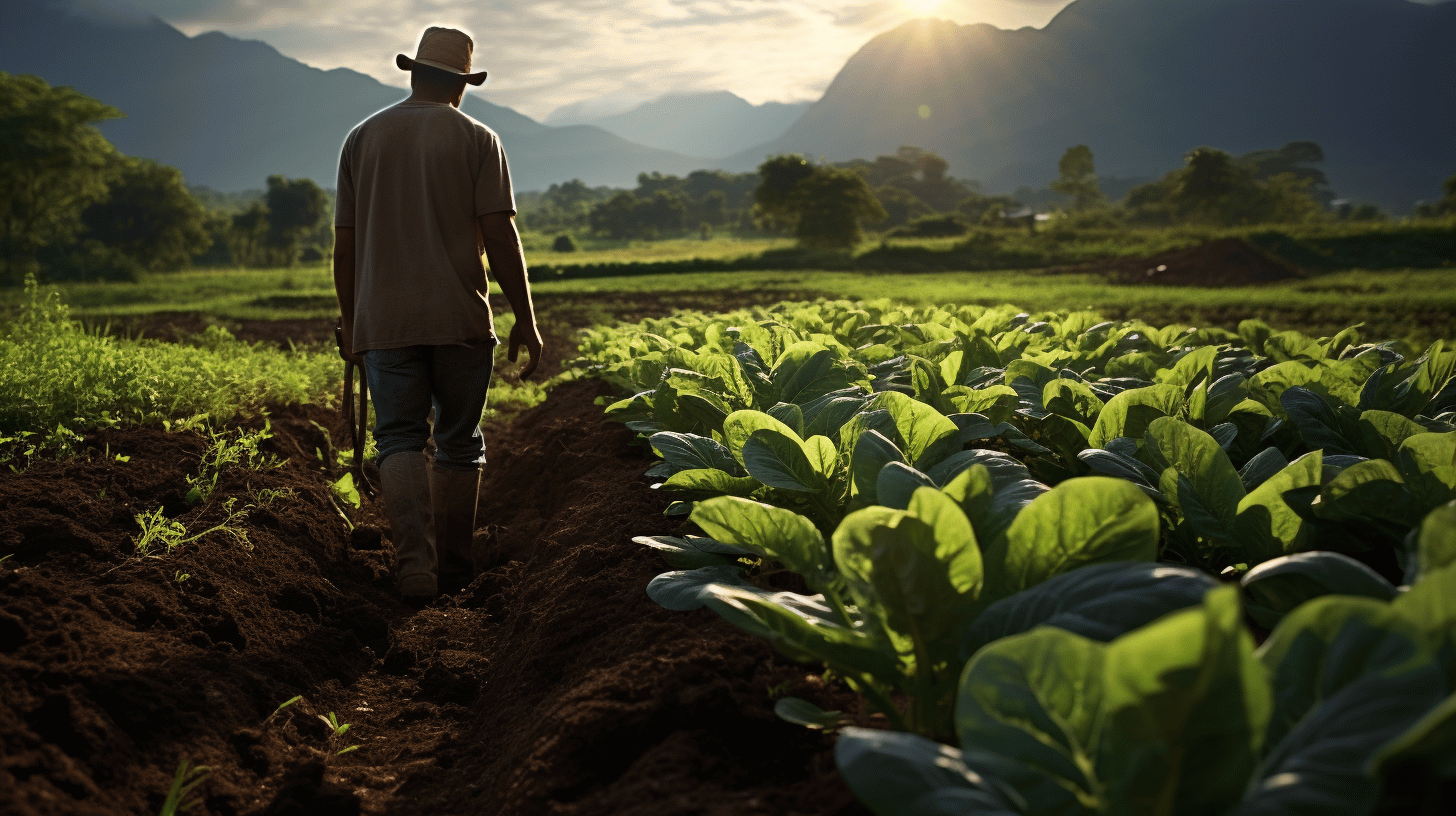
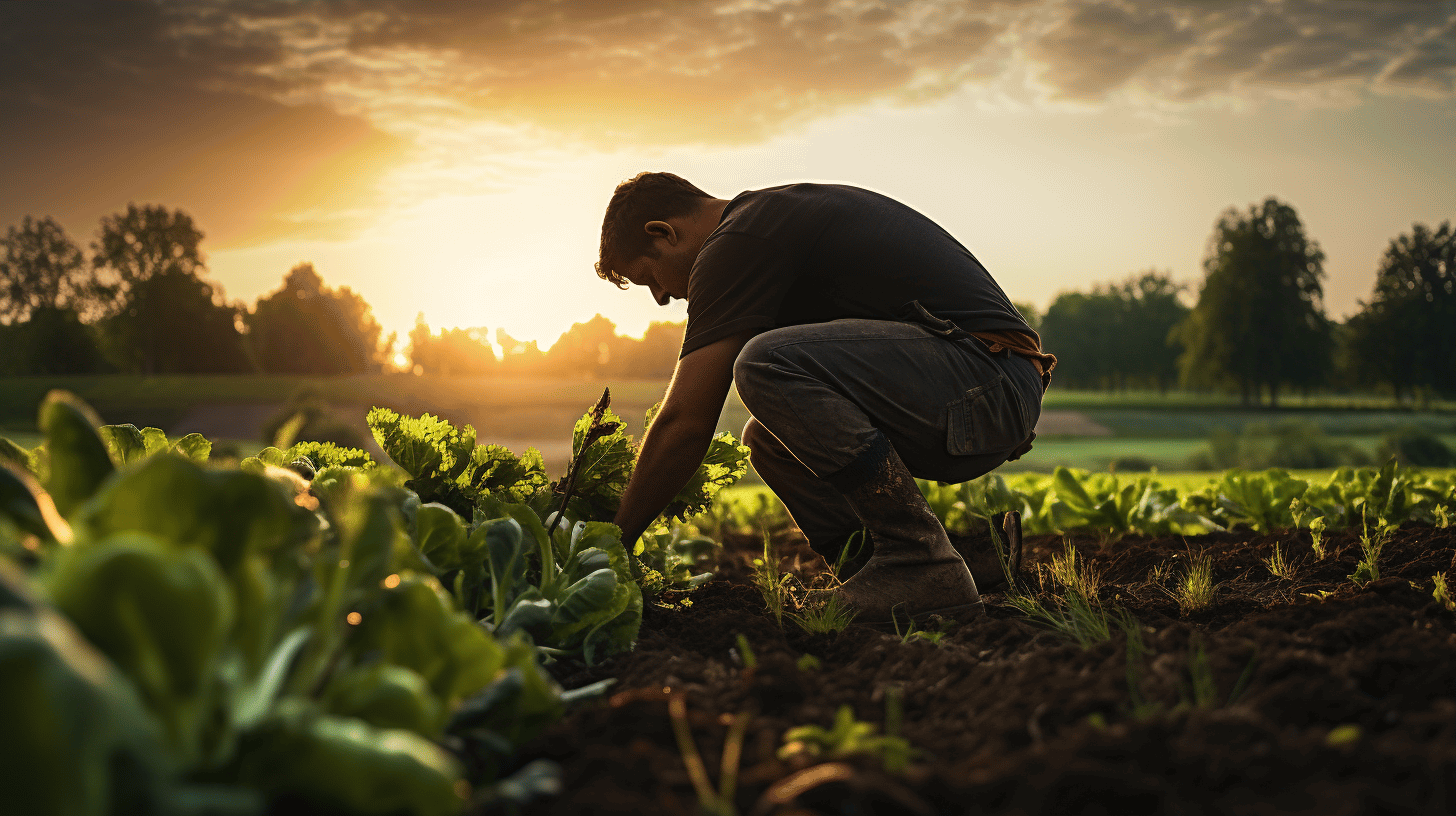
Regenerative agriculture is gaining traction as a sustainable farming practice that aims to restore and improve the health of our ecosystems. It goes beyond just minimizing negative impacts and focuses on actively regenerating the land. This holistic approach to farming considers the health of the soil, water, wildlife, and surrounding communities, making it a crucial solution for addressing the environmental and social challenges facing our planet.
By implementing regenerative practices, farmers not only improve the health of their land but also contribute to a more resilient food system. This article explores the real-life success stories of farmers who have embraced regenerative agriculture and showcases the practices and approaches they have adopted. Through these case studies, we can gain insights into the transformative power of regenerative farming and the multiple benefits it brings.
So, let’s delve deeper into the world of regenerative agriculture and discover how it is changing the game for farmers and our planet.
Importance of Regenerative Agriculture
Regenerative agriculture is gaining recognition for its role in transforming the agricultural industry towards a more sustainable and resilient future. This approach goes beyond conventional farming practices, focusing on enhancing soil health, promoting biodiversity, and improving ecosystem services. The importance of regenerative agriculture can be understood through its environmental and social benefits, as well as its economic value.
Environmental and Social Benefits
Regenerative agriculture plays a crucial role in addressing some of the pressing environmental challenges we face today. By adopting regenerative practices, farmers can have a significant positive impact on the environment and contribute to building a more sustainable planet. Here are some of the key environmental benefits of regenerative agriculture:
- Soil Health: Regenerative agriculture emphasizes practices like cover cropping, crop rotation, and reduced tillage, which enhance soil health. Healthy soils have higher levels of organic matter, retain water more efficiently, and are more resistant to erosion.
- Water Conservation and Quality: Through improving soil health, regenerative agriculture helps conserve and filter water. Healthy soils act as sponges, absorbing and holding rainfall, reducing runoff, and preventing water pollution. This can significantly contribute to addressing water scarcity and improving water quality in our communities.
- Biodiversity Conservation: By creating diverse habitats, regenerative agriculture supports biodiversity. The use of cover crops, hedgerows, and other practices provide food and shelter for various species, including pollinators and beneficial insects. Protecting and preserving biodiversity is crucial for maintaining healthy ecosystems and ensuring long-term food security.
Regenerative agriculture not only benefits the environment but also has significant social implications. Here are a few of the social benefits associated with regenerative agriculture:
- Food Security: By focusing on soil health and diversifying agricultural systems, regenerative agriculture strengthens food security. Healthy soils are more productive and resilient, allowing farmers to grow a wider range of crops. This diversification minimizes the risk of crop failure and provides a more stable and nutritious food supply.
- Resilience in the Face of Climate Change: Regenerative agriculture practices increase the resilience of farming systems to climate change. By improving water-holding capacity, reducing soil erosion, and promoting biodiversity, regenerative practices help farmers adapt to changing climatic conditions and mitigate the impact of extreme weather events.
Economic Value
Aside from the environmental and social benefits, regenerative agriculture also offers significant economic value. Here are a few economic advantages associated with regenerative agriculture:
- Increased Farm Profitability: While transitioning to regenerative practices may involve initial investments, in the long run, it can increase farm profitability. Improved soil health leads to higher crop yields, reducing the need for chemical inputs and fertilizers. Moreover, the emphasis on diversification can provide farmers with multiple income streams, reducing their reliance on a single crop.
- Cost Savings: Regenerative agriculture reduces input costs, such as synthetic fertilizers and pesticides. By relying on natural ecological processes and promoting soil health, farmers can minimize their reliance on external inputs. This decreases production costs and increases the economic viability of farming operations.
- Market Demand: Consumers are increasingly demanding sustainably produced food products. Regenerative agriculture aligns with these consumer preferences, providing opportunities for farmers to access niche markets and command premium prices for their products. By adopting regenerative practices, farmers can tap into the growing market demand for sustainable and environmentally-friendly food.
In summary, regenerative agriculture holds immense importance in addressing environmental challenges, promoting social well-being, and enhancing economic viability in the agricultural sector. By prioritizing soil health, biodiversity conservation, and sustainable practices, regenerative agriculture offers a pathway towards a more resilient and sustainable future for agriculture.
Case Studies of Successful Regenerative Farmers
Introduction
In the world of agriculture, regenerative farming has gained significant attention and acclaim for its positive impact on both the environment and productivity. Many farmers have successfully transitioned to regenerative agriculture practices, leading to remarkable transformations on their lands. These success stories provide invaluable insights and inspiration for others looking to embark on the regenerative farming journey.
Soils for Life
A trusted source for case studies of successful regenerative farmers is Soils for Life, a non-profit organization dedicated to promoting and supporting regenerative land management practices in Australia. They have produced a collection of inspiring stories, showcasing the journeys of farmers who have successfully transitioned to regenerative agriculture.
One such case study featured on Soils for Life is the story of Jim and Sam Collins from Mulloon Creek Natural Farms in New South Wales. Through their commitment to regenerative principles, they transformed their property from an eroded wasteland to a productive and biodiverse landscape.
Soil Health Academy
Another valuable resource for detailed case studies on regenerative farming is the Soil Health Academy (SHA). They delve into the operational, production, and profitability aspects of regenerative agriculture, providing a comprehensive understanding of the benefits and challenges associated with this farming approach.
One notable case study published by SHA explores the journey of Gabe Brown, a farmer from North Dakota. Through implementing regenerative practices, Gabe Brown improved soil health, increased crop diversity, and significantly reduced the use of synthetic inputs. His success story serves as a model for other farmers seeking to transition to regenerative agriculture.
Key Takeaways from Case Studies
These case studies of successful regenerative farmers offer valuable insights and key takeaways for anyone interested in adopting regenerative farming practices. Some of the key lessons derived from these stories include:
- Holistic Approach: Successful regenerative farmers understand the importance of taking a holistic approach to land management. By considering the interconnectedness of soil health, crop diversity, and biodiversity, they create a virtuous cycle that benefits all elements of their farm.
- Soil Regeneration: Regenerative farmers prioritize soil health and employ practices that regenerate the soil, such as cover cropping, crop rotations, and the use of organic amendments. These methods enhance soil structure, foster beneficial microbial activity, and increase nutrient availability.
- Diversification: Embracing diversity is a fundamental principle of regenerative agriculture. Successful farmers diversify their crops, integrate livestock into their systems, and create habitats for beneficial insects and wildlife. This diversity promotes resilience, reduces pest pressure, and enhances overall farm productivity.
- Reduced Chemical Inputs: Regenerative farmers aim to minimize the use of synthetic inputs and embrace natural alternatives for pest and weed management. Through practices like integrated pest management and targeted grazing, they reduce reliance on chemicals and promote a healthier environment.
Conclusion
The case studies of successful regenerative farmers provide valuable evidence of the transformative power of regenerative agriculture. By adopting regenerative practices, farmers can regenerate their soils, increase biodiversity, improve productivity, and contribute to a more sustainable future. These stories serve as beacons of hope for those seeking to transition to regenerative farming, offering practical insights and inspiration for a brighter agricultural landscape.
Practices and Approaches in Regenerative Agriculture
Regenerative agriculture is gaining traction as an innovative and sustainable approach to farming. It focuses on restoring and improving soil health, biodiversity, and ecosystem functions. In this section, we will explore some of the key practices and approaches used in regenerative agriculture, including crop rotation, cover cropping, no-tillage, and rotational grazing.
Crop Rotation
Crop rotation is a time-tested practice in farming that involves growing different crops in a specific sequence over the years. It offers several benefits in regenerative agriculture, such as:
- Nutrient cycling: Different crops have different nutrient requirements and uptake capacities. Crop rotation allows nutrients to be replenished naturally, reducing the need for synthetic fertilizers.
- Pest and disease management: Rotating crops disrupts pest and disease life cycles, reducing the risk of infestations and the need for chemical interventions.
- Soil health improvement: Certain crops, like legumes, can fix nitrogen from the atmosphere and increase soil fertility, while deep-rooted crops like daikon radish help break up compacted soils.
Cover Cropping
Cover cropping involves planting non-commercial crops, such as legumes, grasses, or brassicas, to cover the soil between cash crops. This practice brings numerous advantages to regenerative agriculture:
- Soil erosion control: The root systems of cover crops hold the soil in place, reducing erosion caused by wind and water.
- Moisture retention: Cover crops act as living mulch, reducing evaporation and improving water infiltration, which can enhance drought resistance.
- Weed suppression: Cover crops compete with weeds for sunlight, nutrients, and water, reducing the need for herbicides.
No-Tillage
No-tillage, also known as zero tillage or conservation tillage, involves minimizing or eliminating the mechanical disturbance of the soil. Instead of traditional plowing or tilling methods, farmers directly plant seeds into the undisturbed soil. This practice offers several benefits:
- Soil structure preservation: No-till farming builds soil structure by promoting the formation of stable aggregates, which improves water infiltration and reduces soil compaction.
- Moisture conservation: The undisturbed soil acts as a natural mulch, reducing evaporation and preserving soil moisture.
- Carbon sequestration: By leaving plant residues on the surface and reducing carbon loss through tillage, no-till farming helps sequester carbon in the soil, mitigating climate change.
Rotational Grazing
Rotational grazing, also known as managed intensive grazing or mob grazing, involves moving livestock systematically through different grazing areas. Animals are moved frequently, allowing vegetation to recover and ensuring even distribution of manure. This practice offers significant benefits:
- Improved forage quality: Rotational grazing allows plants to recover and regrow, resulting in more nutritious forage for livestock.
- Enhanced soil health: Animal grazing, followed by rest periods, promotes nutrient cycling, improves organic matter content, and enhances soil fertility.
- Carbon sequestration potential: Conversion to rotational grazing offers the highest soil carbon sequestration potential in regenerative agriculture scenarios.
By implementing practices such as crop rotation, cover cropping, no-tillage, and rotational grazing, farmers can enhance soil health, reduce chemical inputs, improve biodiversity, and contribute to a more sustainable and resilient agricultural system. These approaches exemplify the principles of regenerative agriculture and pave the way for a more sustainable future in farming.
Financial and Economic Benefits
Regenerative agriculture is not only beneficial for the environment but also offers numerous financial and economic advantages for farmers and investors alike. By adopting regenerative practices, farmers can improve their bottom line and create new income streams. Additionally, regenerative agriculture has the potential to stimulate rural economies and attract investments. Let’s explore the financial and economic benefits of regenerative agriculture in more detail.
Increased Profitability for Farmers
Switching to regenerative agriculture practices can lead to increased profitability for farmers. Here’s how:
- Reduced Input Costs: One of the key benefits of regenerative agriculture is its focus on soil health. By improving soil fertility and structure, farmers can reduce their dependency on synthetic fertilizers, pesticides, and herbicides. This, in turn, lowers input costs, leading to higher profit margins.
- Higher Yields: Healthy soils are able to retain more water, nutrients, and organic matter, providing the optimal conditions for crop growth. Regenerative agriculture practices such as cover cropping, crop rotation, and agroforestry promote soil health and can result in higher crop yields. Increased yields mean more produce to sell, translating into higher profits for farmers.
- Diversification of Income: Regenerative agriculture encourages farmers to diversify their operations beyond traditional cash crops. Integrating livestock, agroforestry, or value-added products like organic fruits and vegetables can open up new income streams for farmers. This diversification helps mitigate risks associated with price fluctuations and climate variability while providing additional revenue sources.
Investments in Rural Economies
Regenerative agriculture has the potential to attract investments in rural economies. Here’s why:
- Market Demand for Sustainable Products: The demand for sustainable and organic products continues to grow, with consumers becoming increasingly aware of the environmental and health benefits associated with regenerative agriculture. Investors recognize this trend and are actively looking for opportunities to support regenerative agriculture enterprises. This influx of investment can invigorate rural economies by creating jobs and supporting local businesses.
- Eco-Tourism and Agritourism: Regenerative agriculture practices, such as agroforestry and wildlife habitat restoration, can enhance the scenic beauty and biodiversity of rural landscapes. This, in turn, attracts eco-tourists and agritourists who are interested in experiencing sustainable farming practices firsthand. These visitors contribute to local economies by spending on accommodations, dining, and activities, further boosting rural development.
In conclusion, regenerative agriculture offers substantial financial and economic benefits for farmers and investors. By embracing regenerative practices, farmers can increase profitability, diversify income, and reduce input costs. Simultaneously, rural economies can benefit from investments in sustainable agriculture enterprises, market demand for sustainable products, and the growth of eco-tourism. The financial gains of regenerative agriculture go hand in hand with environmental stewardship, making it a win-win situation for all stakeholders involved.
Research and Data in Regenerative Agriculture
Regenerative agriculture, with its potential to restore ecosystems and promote sustainable farming practices, has been gaining attention in recent years. While it holds great promise, the successful implementation of regenerative agriculture relies heavily on research and data to drive its adoption and inform its practices. In this section, we will explore the role of research and data in regenerative agriculture and its impact on farming approaches and soil health.
Research and Knowledge Dissemination
Research plays a pivotal role in advancing regenerative agriculture by generating valuable insights and promoting knowledge dissemination. As the field continues to evolve, researchers are actively exploring various aspects of regenerative practices to understand their benefits and challenges.
A recent study conducted in Rwanda recommended the need for research aimed at generating information and disseminating knowledge on regenerative agriculture1. This is crucial as it allows farmers, policymakers, and other stakeholders to have access to evidence-based information that can guide their decision-making processes.
Additionally, research provides an opportunity to explore innovative farming techniques and assess their potential applicability in different contexts. By studying the experiences and outcomes of farmers who have already adopted regenerative practices, researchers can identify best practices and develop guidelines for implementation in other regions.
Data-driven Farming Approaches
Data is a key missing link inhibiting broader-scale adoption of regenerative agriculture. Farmers need access to reliable and comprehensive data to make informed decisions about their farming practices. With access to accurate data, farmers can better understand the potential benefits of regenerative practices, monitor the health of their land, and make necessary adjustments to improve productivity while minimizing environmental impact.
Data-driven farming approaches allow farmers to collect and analyze data on various parameters such as soil health, biodiversity, and carbon sequestration. This data can help them track the progress of their regenerative practices and make evidence-based decisions to optimize their farming methods.
Soil Health Research
One of the primary focuses of regenerative agriculture is improving soil health. Research plays a crucial role in understanding the impacts of regenerative management practices on soil health. Through farm-level research, scientists can examine the changes in soil organic matter, nutrient levels, microbial communities, and water-holding capacity resulting from regenerative practices.
By studying the effects of regenerative practices on soil health, researchers can provide farmers with concrete evidence of the benefits of these approaches. This research can inform the development of practical guidelines for farmers to improve soil health, enhance crop productivity, and ultimately contribute to the sustainability of their farming systems.
In conclusion, research and data are invaluable resources in the advancement of regenerative agriculture. They provide the necessary knowledge and evidence-base to guide farmers, policymakers, and other stakeholders in implementing regenerative practices effectively. As research continues to expand, and data collection and analysis become more accessible, the potential for regenerative agriculture to transform our farming systems becomes even greater.
Conclusion
In conclusion, regenerative agriculture is more than just a buzzword; it is a transformative approach to farming that offers numerous benefits for the environment, society, and the economy. Through our exploration of case studies, practices, research, and data in regenerative agriculture, we have seen firsthand the positive impact it can have on soil health, biodiversity, carbon sequestration, water conservation, and community resilience.
By adopting regenerative practices such as crop rotation, cover cropping, no-tillage, and rotational grazing, farmers have been able to enhance the productivity and sustainability of their farms while reducing input costs and improving the quality of their crops and livestock. These success stories serve as inspiration and proof that regenerative agriculture is not only feasible but also profitable in the long run.
At Regenerative Agriculture Wiki, we are committed to providing comprehensive and insightful content on regenerative agriculture. We believe that by sharing knowledge and fostering a community of like-minded individuals, we can contribute to a future where agriculture and ecology thrive in harmony. Join us in exploring the potential of regenerative agriculture and making a positive impact on our planet.
If you want to learn more about regenerative agriculture, visit our website here. Discover the latest research, practical tips, and inspiring stories that will empower you to embrace sustainable and regenerative farming practices. Together, let’s cultivate a greener and more resilient future.
Frequently Asked Questions
- What is regenerative agriculture?
Regenerative agriculture is a holistic approach to farming that aims to restore and improve the health and vitality of the soil, enhance biodiversity, and sequester carbon. It involves practices such as cover cropping, crop rotation, no-till farming, and the use of compost and organic fertilizers.
- Why is regenerative agriculture important?
Regenerative agriculture is important because it offers solutions to some of the biggest challenges in our food system, such as soil degradation, water pollution, and climate change. It promotes sustainable and resilient farming practices that can help improve soil health, increase crop productivity, and mitigate the impact of agriculture on the environment.
- What are some examples of regenerative agriculture practices?
Examples of regenerative agriculture practices include cover cropping, which involves planting crops to cover the soil during periods when the main crop is not growing; crop rotation, which helps prevent soil erosion and nutrient depletion; and the use of compost and organic fertilizers, which improve soil fertility and structure.
- Can regenerative agriculture be applied to different types of farms?
Yes, regenerative agriculture can be applied to different types of farms, including small-scale organic farms, large-scale conventional farms, and everything in between. The principles of regenerative agriculture can be adapted to fit the specific context and needs of each farm.
- Are there any successful case studies of regenerative agriculture in action?
Yes, there are numerous successful case studies of regenerative agriculture in action. Many farmers around the world have adopted regenerative practices and have seen positive results in terms of soil health, crop yields, and profitability. These case studies serve as inspiration and motivation for others to embrace regenerative agriculture.