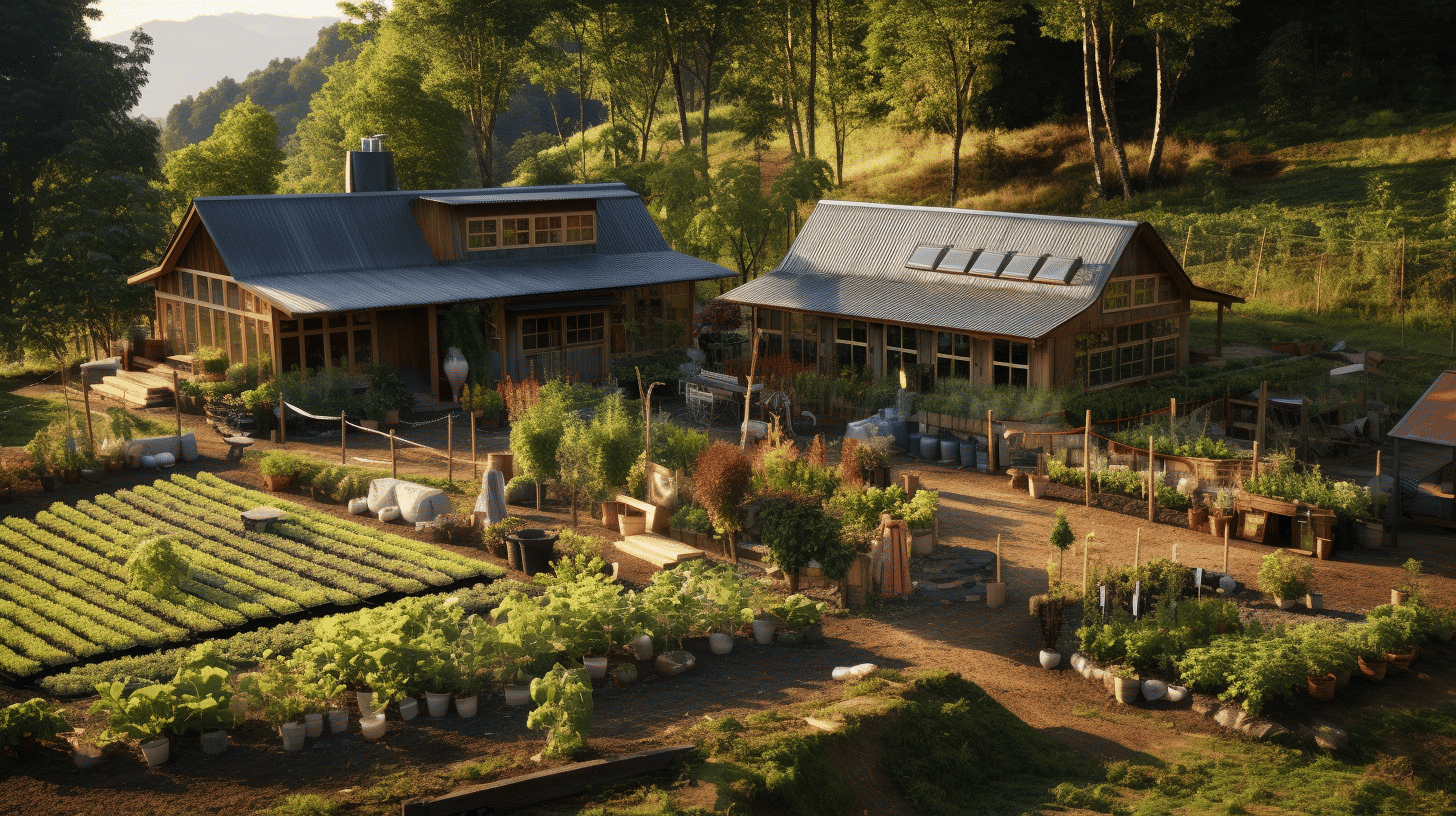
Regenerative agriculture is a revolutionary approach to farming that has gained significant attention in recent years. Its focus on sustainability, soil health, and biodiversity sets it apart from conventional farming methods. In this article, we will delve into the strategies for implementing regenerative farming practices and explore its benefits, growth potential, and initiatives to promote its adoption. Whether you’re a farmer, consumer, or simply curious about sustainable food production, this article will provide valuable insights into the world of regenerative agriculture.
Regenerative farming goes beyond just minimizing environmental harm; it seeks to actively regenerate and restore the agricultural ecosystem. By adopting regenerative practices, farmers can build healthier soils, increase crop yields, and mitigate climate change. This holistic approach emphasizes the interconnectedness of the soil, plants, animals, and humans, recognizing that they all play a vital role in creating a thriving and resilient food system.
Throughout the article, we will explore various aspects of regenerative farming, including the following:
- Adoption trends: Understand how regenerative agriculture is gaining traction among farmers worldwide.
- Market size and growth: Discover the economic potential of regenerative practices and its impact on the agricultural industry.
- Soil carbon sequestration: Learn how regenerative farming techniques can help capture and store carbon in the soil, combating climate change.
- Increased profits and crop yield: Explore how regenerative practices can lead to higher profits for farmers through improved soil health and increased productivity.
- Initiatives to promote regenerative farming: Explore the formation of task forces and organizations that are driving the adoption of regenerative practices.
- Scaling up adoption: Discover the potential for widespread adoption of regenerative farming and examine case studies showcasing its benefits.
- Raising awareness: Understand the importance of educating and raising awareness about regenerative agriculture to encourage its adoption.
By the end of this article, you will have a comprehensive understanding of regenerative farming and the strategies for implementing its practices. You will also gain insights into its advantages, potential for growth, and the initiatives aimed at promoting its adoption. So, let’s dive into the world of regenerative agriculture and explore its transformative power in shaping a more sustainable future for our planet.
Growth and Potential of Regenerative Agriculture
Regenerative agriculture has been gaining significant attention in recent years as a sustainable and forward-thinking approach to farming. This agricultural practice focuses on enhancing the health of soil, ecosystem, and communities, while also promoting long-term profitability for farmers. With its holistic approach to farming, regenerative agriculture has the potential to transform the way we produce food and mitigate the environmental impacts of traditional farming methods.
Adoption Trends
The adoption of regenerative agriculture practices has been on the rise, indicating a growing interest and recognition of its benefits. According to recent data, regenerative agriculture adoption has increased by 70% from 2017 to 2021 and by 50% between 2012 and 2017[1]. This upward trend highlights the increasing awareness and acceptance of this sustainable farming approach among farmers across the globe.
Farmers are realizing the potential of regenerative agriculture to address challenges such as soil degradation, water scarcity, and climate change. By implementing practices like cover cropping, crop rotation, and reduced tillage, farmers can improve soil health, increase water retention, and sequester carbon[2]. This not only leads to improved yields and reduced reliance on synthetic fertilizers but also offers environmental benefits that contribute to the overall sustainability of the agricultural sector.
Market Size and Growth
The market for regenerative agriculture is also experiencing notable growth, reflecting the increasing demand for sustainable and eco-friendly food production. The global regenerative agriculture market is projected to grow at a compound annual growth rate (CAGR) of 14.0%, reaching a value of USD 27.36 billion by 2030[3]. This anticipated growth demonstrates the market potential and economic viability of regenerative agriculture practices.
Consumers are becoming more conscious of the environmental impact of their food choices and are actively seeking out products that align with their values. This shift in consumer behavior is driving the demand for regeneratively produced food and creating opportunities for farmers to market their products as environmentally friendly and sustainable. Additionally, governments and organizations are recognizing the importance of regenerative agriculture in achieving climate and sustainability goals, leading to supportive policies and initiatives that further drive market growth.
In conclusion, the growth and potential of regenerative agriculture are undeniable. With increasing adoption rates among farmers and a projected global market growth, the agricultural sector is poised for a sustainable transformation. By embracing regenerative practices, farmers can not only improve their own profitability but also contribute to the restoration and resilience of the environment. The positive impact of regenerative agriculture reaches far beyond the farm, offering hope for a more sustainable and resilient future for our planet.
References:
- Regenerative agriculture adoption has increased by 70% from 2017 to 2021 and by 50% between 2012 and 2017.
- The global regenerative agriculture market is projected to grow at a CAGR of 14.0%, reaching USD 27.36 billion by 2030.
Advantages of Regenerative Agriculture Practices
Regenerative agriculture practices offer a multitude of benefits that go beyond traditional farming methods. These practices not only promote healthier ecosystems but also provide advantages for farmers and their bottom line. Two key advantages of regenerative agriculture practices are soil carbon sequestration and increased profits and crop yield.
Soil Carbon Sequestration
One of the significant advantages of regenerative agriculture practices is the ability to sequester carbon in the soil. By implementing techniques such as intensive rotational grazing, farmers can effectively capture and store carbon dioxide from the atmosphere in the soil. This process, known as soil carbon sequestration, has the potential to combat climate change and mitigate its impact.
According to a study conducted by the Center for Regenerative Agriculture and Resilient Systems, intensive rotational grazing alone can sequester over one ton of soil organic carbon per acre annually. This means that by adopting regenerative agriculture practices, farmers have the opportunity to contribute to carbon sequestration efforts while also improving the health and fertility of their soil.
Increased Profits and Crop Yield
In addition to its environmental benefits, regenerative agriculture practices can also lead to increased profits and crop yield for farmers. By employing techniques that focus on building healthy soils and diverse crop rotations, farmers can optimize nutrient cycling and improve soil structure, resulting in higher productivity and reduced input costs.
The Center for Regenerative Agriculture and Resilient Systems study further supports this claim, stating that regenerative agriculture practices can increase profits and crop yield by up to 25%. This finding highlights the financial potential of adopting regenerative practices, as farmers can benefit from both improved soil health and higher yields.
In summary, regenerative agriculture practices offer a range of advantages that make them an attractive option for farmers looking to improve their operations. From sequestering carbon in the soil to increasing profits and crop yield, these practices demonstrate their value in terms of environmental sustainability and economic viability. By embracing regenerative agriculture, farmers can contribute to a more resilient and prosperous agricultural system.
Additional Information
- Intensive rotational grazing can sequester over one ton of soil organic carbon per acre annually.
- Regenerative agriculture practices can increase profits and crop yield up to 25% – Center for Regenerative Agriculture and Resilient Systems study.
Initiatives to Promote Regenerative Farming
Regenerative farming is gaining momentum as a sustainable and environmentally-friendly approach to agriculture. Farmers and organizations around the world are recognizing the importance of regenerative practices in improving soil health, biodiversity, and overall ecosystem resilience. To further support and accelerate the adoption of regenerative farming, various initiatives and collaborations have been established. One notable initiative is the formation of a task force by The Sustainable Food Trust, Waitrose, and 10 global agribusiness companies.
Formation of a Task Force
The Sustainable Food Trust, along with Waitrose and a group of 10 global agribusiness companies, has come together to join forces in promoting regenerative farming practices. This collaboration aims to drive awareness, education, and implementation of regenerative farming methods among farmers and the wider agricultural community.
The specific goals of the task force include:
- Facilitating Knowledge Exchange: The task force will act as a platform for sharing best practices, research, and success stories related to regenerative farming. This will enable farmers to access valuable information and gain insights from others who have already implemented these practices successfully.
- Advocacy and Policy Support: The task force will work towards advocating for policies that support and incentivize regenerative farming practices at both local and national levels. By engaging with governmental bodies, policymakers, and relevant agricultural organizations, the task force aims to create an enabling environment for the widespread adoption of regenerative agriculture.
- Farmer Training and Support: Recognizing the need for training and support, the task force will develop educational resources, training programs, and mentoring initiatives for farmers interested in transitioning to regenerative practices. By providing guidance and assistance, the task force aims to empower farmers to make the switch to regenerative farming successfully.
- Promotion of Local and Global Networks: The task force will foster connections between farmers, researchers, and industry experts by creating networks at both local and global levels. This will facilitate collaboration, knowledge sharing, and collective action in advancing regenerative farming practices.
Through these collective efforts, the task force aims to accelerate the adoption of regenerative farming practices and contribute to a more sustainable and resilient agricultural system.
“The task force is an exciting collaboration that brings together the expertise, resources, and influence of multiple stakeholders to promote regenerative farming. By working together, we can create a powerful movement that drives positive change in our agricultural practices.”
Scaling Up Adoption of Regenerative Farming
Regenerative farming is gaining momentum as a sustainable and environmentally friendly approach to agriculture. Farmers around the world are recognizing the benefits of this practice, and the potential for even greater adoption is on the horizon. In this section, we will explore the factors that contribute to the increase in adoption potential for regenerative farming. We will also delve into some compelling case studies that showcase the economic and environmental advantages of this innovative farming method.
Increase in Adoption Potential
Regenerative farming has the potential to cover around 321.9 million hectares by 2050[1]. This estimate highlights a significant opportunity for scaling up adoption in the coming years. Several key factors contribute to this increase in adoption potential:
- Environmental Concerns: As awareness about climate change and environmental degradation grows, there is a growing demand for sustainable farming practices. Regenerative farming offers a solution that helps mitigate climate change by sequestering carbon, improving soil health, and reducing water use.
- Financial Incentives: Governments and organizations are increasingly providing financial incentives, grants, and subsidies to support the transition to regenerative farming. These incentives make it more appealing for farmers to adopt regenerative practices and invest in the necessary infrastructure and training.
- Knowledge Sharing and Education: The availability of information and resources related to regenerative farming has improved significantly in recent years. Farmers can access online courses, workshops, and expert advice to understand and implement regenerative practices effectively. This knowledge-sharing ecosystem encourages more farmers to explore and adopt regenerative farming methods.
Benefits and Case Studies
Regenerative farming has garnered attention due to its wide-ranging benefits that extend beyond environmental impact. Let’s explore some compelling case studies that demonstrate the economic and environmental advantages of regenerative farming:
- Increased Profits: Many farmers have reported higher profits after switching to regenerative farming practices. By reducing input costs (such as synthetic fertilizers and pesticides) and improving soil health, regenerative farmers can achieve greater crop yields and premium prices in the market. This increase in profits incentivizes more farmers to adopt these practices and experience financial sustainability.
- Improved Soil Health: Case studies have shown that regenerative farming techniques enhance soil health, leading to long-term benefits. Healthy soils are more resilient to extreme weather conditions, retain moisture better, and have higher nutrient content. Farmers practicing regenerative agriculture have witnessed improved crop productivity, reduced erosion, and increased water holding capacity.
- Reduced Pollution: Regenerative farming practices promote the use of organic inputs and minimize the reliance on synthetic chemicals. This approach reduces pollution by minimizing the runoff of harmful substances into water bodies and reducing air pollution caused by the production and application of synthetic fertilizers. Case studies have documented a decrease in water contamination and improved air quality as a result of regenerative farming practices.
These case studies provide tangible evidence that regenerative farming is not only environmentally beneficial but also economically viable. By adopting regenerative practices, farmers can create a sustainable and profitable future while actively contributing to the preservation of our planet’s resources.
[1] Source
Note: The data provided in this section is based on available research and case studies, and the source can be found at the provided link above.
Educating and Raising Awareness
One of the key elements in promoting the adoption of regenerative farming practices is education and raising awareness. By educating farmers, policymakers, and consumers about the benefits and principles of regenerative agriculture, we can pave the way for a more sustainable and resilient future for our food systems.
Recognition and Understanding
- Recognizing the Importance: It is essential to highlight the significance of regenerative farming practices in mitigating climate change, restoring soil health, and preserving biodiversity. By emphasizing the positive impact of regenerative farming on the environment, we can help create a sense of urgency and motivate individuals to take action.
- Understanding the Principles: Educating individuals about the core principles of regenerative agriculture is crucial in showcasing the holistic approach this practice takes towards sustainable farming. By emphasizing principles such as soil health, biodiversity, and ecosystem regeneration, we can help individuals grasp the bigger picture of regenerative farming and how it differs from conventional agriculture.
- Sharing Success Stories: Showcasing successful regenerative farming case studies and the positive outcomes they have achieved can be a powerful tool in raising awareness and demonstrating the potential of these practices. By sharing stories of farmers who have successfully implemented regenerative agricultural techniques and seen improvements in their soil health, crop yields, and profitability, we can inspire others to follow suit.
- Collaborative Approach: Promoting collaboration between stakeholders is vital in fostering the adoption of regenerative farming practices. It is essential to bring together farmers, scientists, policymakers, and conservation organizations to share knowledge, exchange best practices, and leverage each other’s expertise in implementing regenerative agriculture. This collaborative approach can help build a strong network of individuals working towards a common goal and create a supportive community for those interested in transitioning to regenerative farming.
By educating and raising awareness about regenerative farming practices, we can create a profound shift in our agricultural systems. Through recognition and understanding of the benefits, principles, and success stories, we can inspire and empower individuals to embrace regenerative agriculture and its potential for a sustainable and resilient future. Together, we can make a significant impact on our environment and create a healthier planet for generations to come.
Frequently Asked Questions
- What is regenerative farming?
Regenerative farming is an approach to agriculture that focuses on improving and revitalizing the ecosystem and soil health. It involves practices such as cover cropping, crop rotation, composting, and minimizing the use of synthetic inputs.
- Why is regenerative farming important?
Regenerative farming helps restore soil fertility, promotes biodiversity, reduces erosion, sequesters carbon, and enhances water retention. It also leads to increased crop yields, improves plant and animal health, and reduces the need for chemical fertilizers and pesticides.
- What are some key strategies for implementing regenerative farming practices?
Some key strategies for implementing regenerative farming practices include adopting no-till or reduced tillage methods, using cover crops to improve soil health, implementing crop rotation to break pest cycles, integrating livestock into cropping systems, and reducing the use of chemical inputs.
- How can regenerative farming practices benefit farmers economically?
Regenerative farming practices can benefit farmers economically by reducing input costs, increasing yields, improving soil health and fertility in the long term, and potentially providing opportunities for additional income streams such as selling carbon credits or organic produce.
- Are there any challenges associated with transitioning to regenerative farming practices?
Yes, transitioning to regenerative farming practices can be challenging. It requires a change in mindset and practices, initial investment in equipment or infrastructure, and a learning curve to understand the complexities of regenerative systems. It may also require adjustments to existing farming practices and may have short-term yield fluctuations.