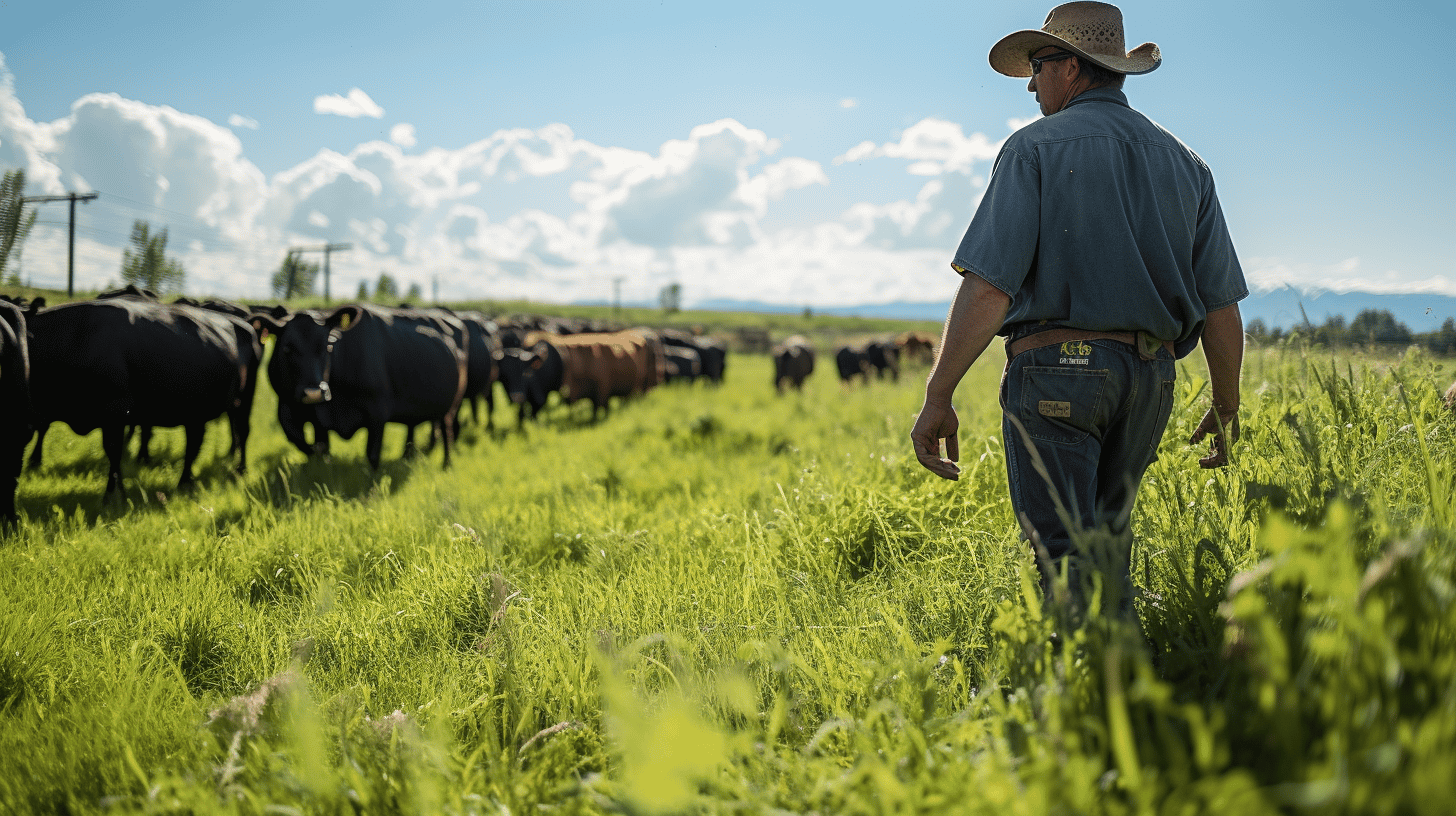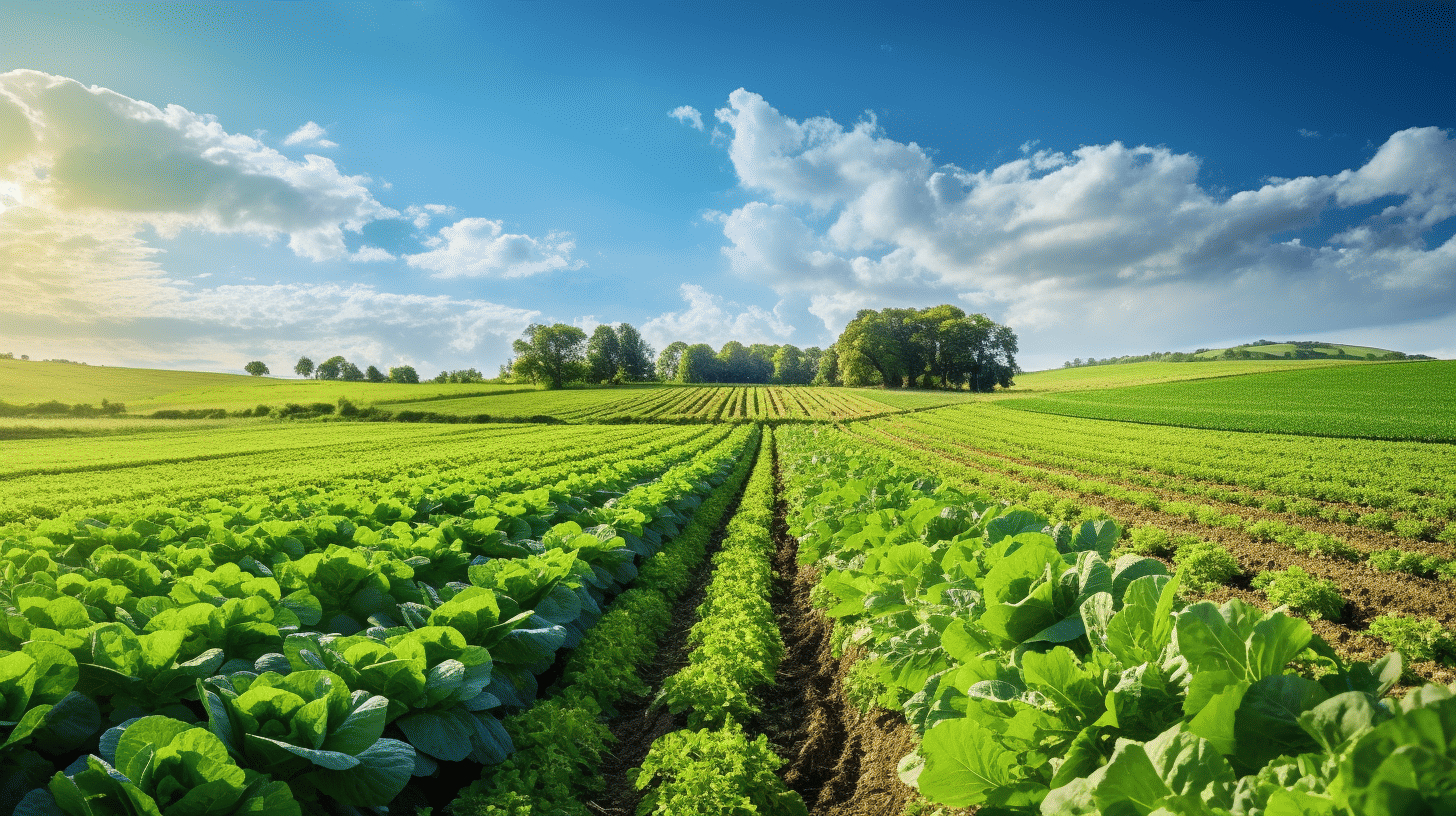
Climate change poses a significant threat to our planet, with rising temperatures, extreme weather events, and the loss of biodiversity. In the face of these challenges, finding sustainable solutions is crucial. One such solution gaining momentum is regenerative agriculture.
Regenerative agriculture goes beyond traditional farming practices by focusing on building and restoring soil health, enhancing ecosystem resilience, and promoting carbon sequestration. It is an approach that encompasses holistic farming practices aimed at restoring the natural balance of ecosystems. This method not only helps mitigate climate change but also supports farmers in adapting to its impacts.
In this article, we will explore the various benefits that regenerative agriculture brings to the table, including profitability, nutrient-rich food, improved soil health, reduced chemical use, and human health benefits. We will also delve into the market trends and adoption of regenerative agriculture, as well as its environmental and nutritional advantages. By examining these key aspects, we can gain a comprehensive understanding of how regenerative agriculture promotes resilience in the face of climate change. So, let’s dig deeper into this exciting and transformative approach!
Benefits of Regenerative Agriculture
Regenerative agriculture is an innovative approach to farming that prioritizes the health and vitality of both the environment and the crops being grown. This holistic farming method has gained significant attention in recent years due to its numerous benefits. From increased profitability to improved soil health, regenerative agriculture offers tremendous advantages for farmers and consumers alike. Let’s explore these benefits in more detail:
Profitability
One might assume that adopting regenerative farming practices would result in lower profits due to potential reductions in crop yield. However, a comparative study found quite the opposite. While regenerative fields had 29% lower grain production, they experienced a staggering 78% increase in profits[1]. This boost in profitability can be attributed to several factors, including reduced input costs and increased crop resilience.
Nutrient-rich Food
Food grown under regenerative practices is not only environmentally friendly, but it also offers enhanced nutritional value. Studies have shown that crops grown using regenerative methods contain higher levels of essential nutrients such as magnesium, calcium, potassium, zinc, as well as vitamins B1 and B12[2]. These nutrient-rich foods contribute to a healthier diet and overall well-being for consumers.
Improved Soil Health
Regenerative agriculture focuses on restoring and improving the health of the soil. By implementing practices like cover cropping, crop rotation, and reduced tillage, regenerative farmers enhance soil fertility and structure. This, in turn, supports the growth of healthier crops and promotes biodiversity. Additionally, regenerative practices increase the carbon storage capacity of degraded soil and land, helping combat climate change and reduce greenhouse gas emissions[3].
Reduced Chemical Use
One of the most significant benefits of regenerative agriculture is the substantial reduction in the use of synthetic fertilizers and pesticides. Traditional farming methods heavily rely on these chemicals to control pests and maintain soil fertility. However, regenerative farmers have successfully decreased fertilizer use by 50% and pesticides by up to 75%[4]. This not only reduces the environmental impact of agricultural practices but also helps protect the health of farm workers and nearby communities.
Human Health Benefits
The positive impact of regenerative agriculture extends beyond the environment and the economy—it also benefits human health. By minimizing the use of harmful chemicals and maximizing nutrient content, regenerative farming practices contribute to healthier, more nutritious food. Research has shown that consuming organic, regeneratively-grown food can lead to lower pesticide exposure, reduced risk of certain diseases, and improved overall health[5].
In conclusion, regenerative agriculture offers a multitude of benefits. From increased profitability and nutrient-rich food to improved soil health and reduced chemical use, this innovative farming approach paves the way for a more sustainable and healthier future. By embracing regenerative practices, farmers can not only make a positive impact on the environment but also reap the rewards of a thriving and resilient agricultural system.
[1]: Comparative study on regenerative agriculture profitability
[2]: Nutritional analysis of food grown under regenerative practices
[3]: Soil health benefits of regenerative agriculture
[4]: Reduction in chemical use with regenerative agriculture
[5]: Improved human health through regenerative agriculture
Market and Adoption of Regenerative Agriculture
Regenerative agriculture is gaining significant traction in the global market as more farmers recognize its potential to address environmental challenges and enhance agricultural productivity. This section will delve into the current market size of regenerative agriculture and explore the increasing adoption of its practices.
Global Market Size
The global regenerative agriculture market is projected to witness remarkable growth in the coming years. According to industry reports, the market was valued at approximately $8.7 billion in 2022 and is expected to reach $16.8 billion by the end of 2027[1]. This surge in market value can be attributed to various factors, including increasing consumer demand for sustainable and environmentally friendly agricultural practices.
Regenerative agriculture offers a holistic approach that focuses on rebuilding soil health, improving biodiversity, and reducing carbon emissions. Growing concerns about climate change and the impact of conventional farming methods have prompted consumers to seek out products and practices that align with their sustainability values. As a result, regenerative agriculture has gained popularity among farmers looking to meet this demand.
Increase in Adoption
The adoption of regenerative agriculture practices has witnessed an impressive growth rate, indicating a paradigm shift in farming methodologies. In the United States, for example, the adoption of regenerative agriculture has increased by a staggering 70% from 2017 to 2021[2]. This remarkable increase showcases the growing acceptance and recognition of the benefits associated with regenerative farming practices.
So, what factors are contributing to this surge in adoption? Here are a few key drivers:
- Environmental Benefits: Regenerative agriculture practices contribute to soil health, water conservation, biodiversity preservation, and carbon sequestration. Farmers are recognizing these environmental benefits and adopting regenerative practices to mitigate the negative impacts of conventional farming methods.
- Long-term Sustainability: Regenerative agriculture offers a sustainable farming model that promotes the longevity of agricultural systems. By improving soil health and reducing chemical inputs, farmers can cultivate healthier crops while preserving the land for future generations.
- Financial Opportunities: Regenerative agriculture practices can also offer financial benefits to farmers. Through improved soil health and reduced dependency on external inputs, farmers can achieve cost savings and potentially increase their yields over time.
- Consumer Demand: Consumers are increasingly seeking out products that are grown using regenerative practices. Greater transparency and interest in sustainable agriculture have driven farmers to adopt regenerative practices to meet this growing demand.
The combination of these factors has led to a significant increase in the adoption of regenerative agriculture practices worldwide. As the market continues to expand, more farmers are recognizing the value of regenerative practices in creating a resilient and sustainable agricultural system.
[1] Source
[2] Source
Environmental Benefits of Regenerative Agriculture
Regenerative agriculture is a sustainable farming practice that focuses on improving soil health, reducing carbon emissions, preventing erosion, and mitigating polluted runoff. By adopting regenerative practices, farmers not only contribute to the health and well-being of their own land but also to the overall health of the planet. Let’s explore some of the key environmental benefits of regenerative agriculture:
Soil Health Improvements
One of the main advantages of regenerative agriculture is its positive impact on soil health. Healthy soil is crucial for plant growth and plays a vital role in sequestering carbon from the atmosphere. By implementing regenerative practices such as cover cropping, crop rotation, and minimal soil disturbance, farmers can:
- Increase soil organic matter content, which improves soil structure, water retention, and nutrient availability.
- Enhance soil biodiversity, creating a thriving ecosystem of microorganisms, insects, and plants that support plant health and nutrient cycling.
- Reduce soil erosion by promoting root development and preserving soil structure, thus preventing valuable topsoil from washing away during heavy rainfall.
Carbon Emissions Reduction
Regenerative agriculture has the potential to significantly reduce carbon emissions and combat climate change. Traditional agricultural practices, such as tilling and excessive synthetic fertilizer use, can release large amounts of carbon dioxide into the atmosphere. In contrast, regenerative practices can:
- Sequester carbon in the soil through the increased organic matter content, mitigating the effects of greenhouse gas emissions.
- Reduce the need for synthetic fertilizers, which are energy-intensive to produce and contribute to carbon emissions.
- Promote the use of renewable energy sources on farms, further reducing carbon footprints.
Erosion Prevention
Soil erosion is a pressing environmental issue globally, with severe consequences for ecosystems and agricultural productivity. Regenerative agriculture offers effective solutions to prevent erosion and protect our valuable soil resources. By implementing practices such as no-till farming and contour plowing, farmers can:
- Maintain soil cover year-round, preventing wind and water erosion.
- Preserve soil structure and prevent compaction, allowing water to infiltrate the soil more effectively and reducing surface runoff.
- Promote the growth of deep-rooted plants, which help stabilize the soil and hold it in place, reducing the risk of erosion during heavy rainfall events.
In conclusion, regenerative agriculture provides a range of environmental benefits that are essential for a sustainable future. By improving soil health, reducing carbon emissions, and preventing erosion, regenerative practices contribute to the preservation of ecosystems, the mitigation of climate change, and the overall health of our planet.
Additional Information: According to a study by the Nature Conservancy, implementing regenerative agriculture practices on croplands worldwide could lead to a 13% increase in yields by 2040, while simultaneously reducing greenhouse gas emissions and restoring soil health.
Nutritional Advantages of Regenerative Agriculture
Regenerative agriculture is not only beneficial for the environment but also for our health. By promoting healthy soil ecosystems and biodiversity, this sustainable farming practice can result in higher levels of vital nutrients in the food we consume. Let’s explore the nutritional advantages of regenerative agriculture and how it can contribute to a healthier diet.
Higher Levels of Vital Nutrients
One of the remarkable benefits of regenerative agriculture is its ability to enrich the nutritional content of crops. Studies have shown that regeneratively grown fruits and vegetables tend to have higher levels of essential nutrients compared to conventionally grown counterparts. Here are some key examples:
- Vitamin K: Regenerative agriculture farms have been found to produce crops with higher levels of vitamin K. This essential nutrient plays a crucial role in blood clotting, bone metabolism, and heart health[1]. By consuming crops grown in regenerative systems, individuals can potentially increase their intake of vitamin K and support overall well-being.
- Vitamin E: Another important antioxidant, vitamin E, is often found in higher concentrations in regeneratively grown foods[1]. This vitamin helps protect cells from damage caused by free radicals and plays a role in immune function, skin health, and neurological function[2]. Including regenerative agriculture products in your diet can be a natural way to boost your vitamin E intake.
- Antioxidants: Regenerative agriculture promotes the development of robust and diverse soil microbial communities, leading to higher levels of antioxidants in crops[1]. Antioxidants are compounds that help protect the body against oxidative stress and inflammation, potentially reducing the risk of chronic diseases, such as heart disease and cancer[3]. By consuming regeneratively grown foods, individuals can increase their antioxidant intake and support their overall health.
In addition to the specific nutrients mentioned above, regenerative agriculture has been associated with higher levels of other essential vitamins, minerals, and phytochemicals[1]. The diversity and health of the soil contribute to the overall nutrient density of the crops, making them a valuable addition to a balanced and nutritious diet.
By choosing regeneratively grown foods, you not only support sustainable farming practices but also nourish your body with an abundance of vital nutrients. Incorporating such nutrient-rich foods into your daily meals can have a positive impact on your overall health and well-being.
Did you know? Regenerative agriculture focuses on improving soil health by employing practices like cover cropping, crop rotation, and minimal tillage. These techniques enhance soil fertility and structure, enabling crops to thrive and absorb more nutrients from the soil[4].
Conclusion
In conclusion, regenerative agriculture offers a multifaceted approach to addressing the challenges of climate change and promoting sustainable farming practices. By focusing on soil health, minimizing chemical use, and enhancing biodiversity, regenerative agriculture provides a pathway towards a more resilient and sustainable future for our planet.
As we have explored throughout this article, the benefits of regenerative agriculture are extensive. From improved profitability for farmers to nutrient-rich food for consumers, and from enhanced soil health to reduced chemical use, regenerative agriculture offers a holistic solution to the pressing challenges we face.
Moreover, regenerative agriculture contributes to environmental benefits such as improved soil health, reduced carbon emissions, and erosion prevention. Additionally, it offers nutritional advantages through higher levels of vital nutrients in the food we consume.
At Regenerative Agriculture Wiki, we are dedicated to educating and inspiring individuals and communities to embrace regenerative farming practices. Through our platform, we aim to foster a future where agriculture and ecology thrive in harmony. Join us in exploring the potential of regenerative agriculture and together, let’s make a positive impact on our planet.
Frequently Asked Questions
- What is regenerative agriculture?
Regenerative agriculture is a holistic approach to farming that focuses on improving soil health, sequestering carbon, enhancing biodiversity, and promoting ecosystem resilience. It aims to restore and regenerate natural resources while producing food sustainably.
- How does regenerative agriculture support climate change adaptation?
Regenerative agriculture helps combat climate change by increasing soil organic matter, which sequesters carbon from the atmosphere. It also improves water retention, reduces soil erosion, and promotes biodiversity, making ecosystems more resilient to extreme weather events.
- What are the benefits of regenerative agriculture?
The benefits of regenerative agriculture include improved soil health, increased crop yields, reduced need for synthetic fertilizers and pesticides, enhanced biodiversity, better water management, and reduced greenhouse gas emissions.
- Is regenerative agriculture applicable to all types of farming?
Yes, regenerative agriculture principles can be applied to various farming systems, including row cropping, livestock production, orchards, and vineyards. The specific practices may vary depending on the context and specific goals of each farm.
- Are there any certifications or standards for regenerative agriculture?
Currently, there is no widely recognized certification or standard specifically for regenerative agriculture. However, there are various organizations and initiatives that provide guidelines and principles for implementing regenerative practices.