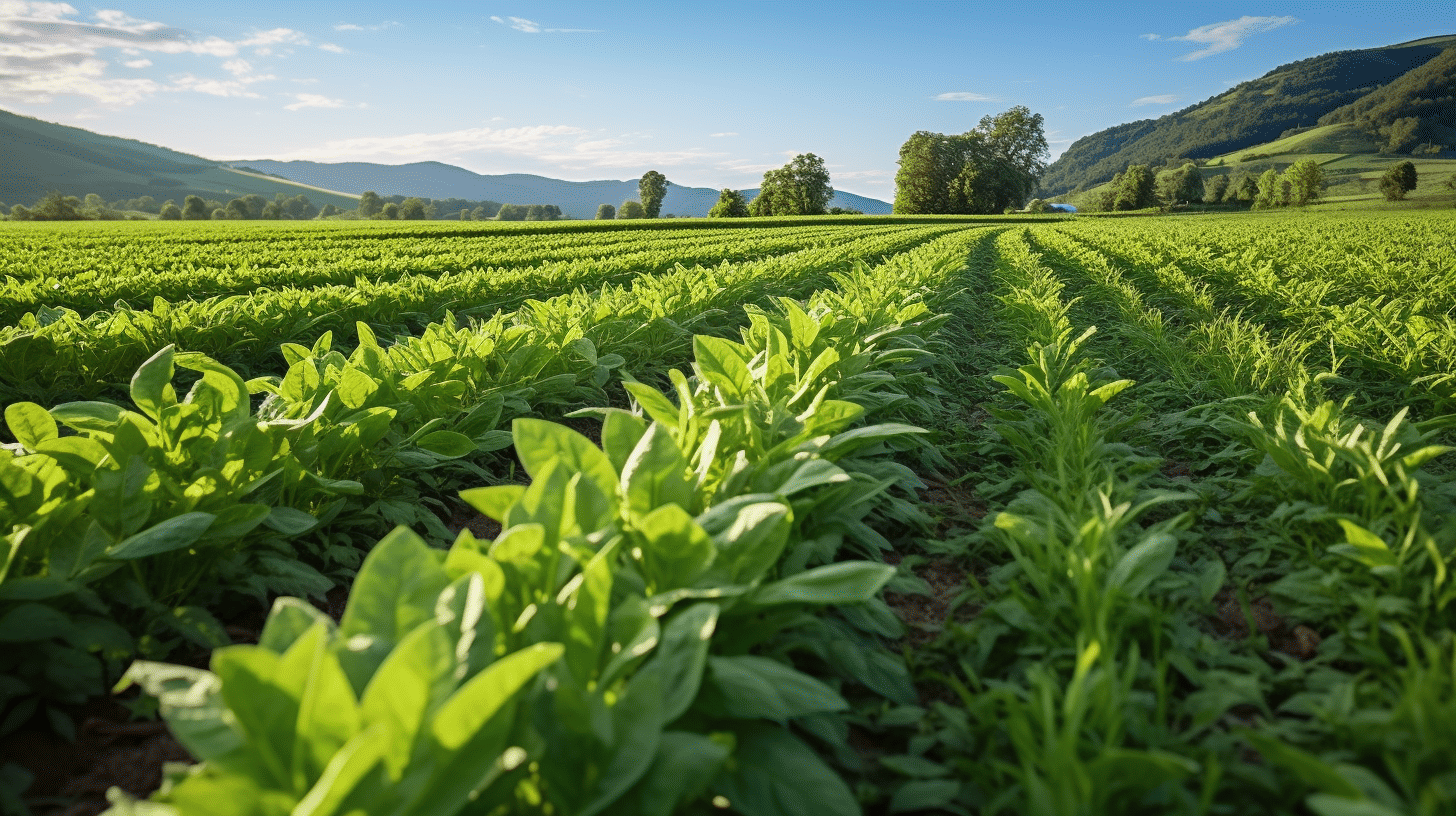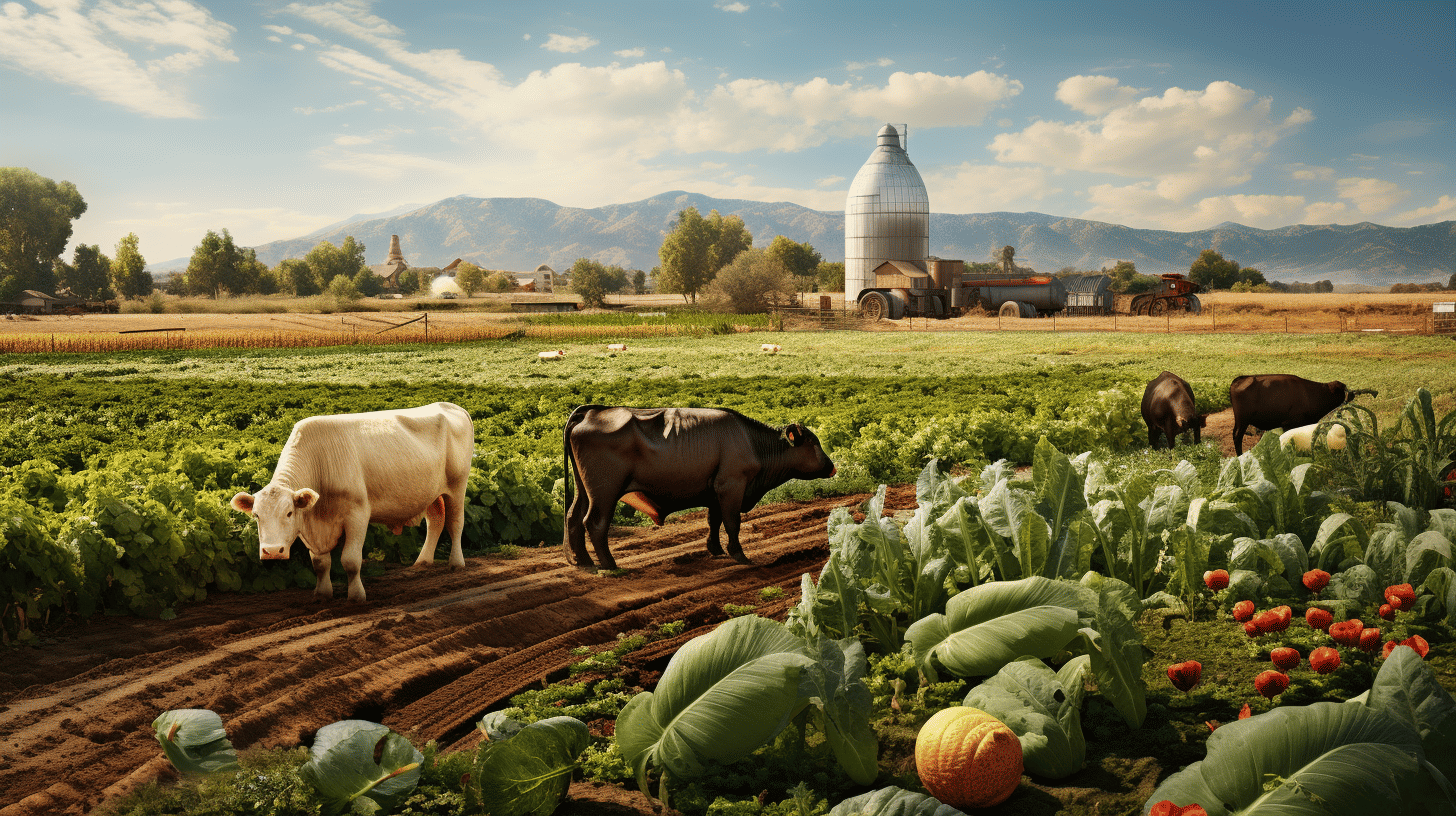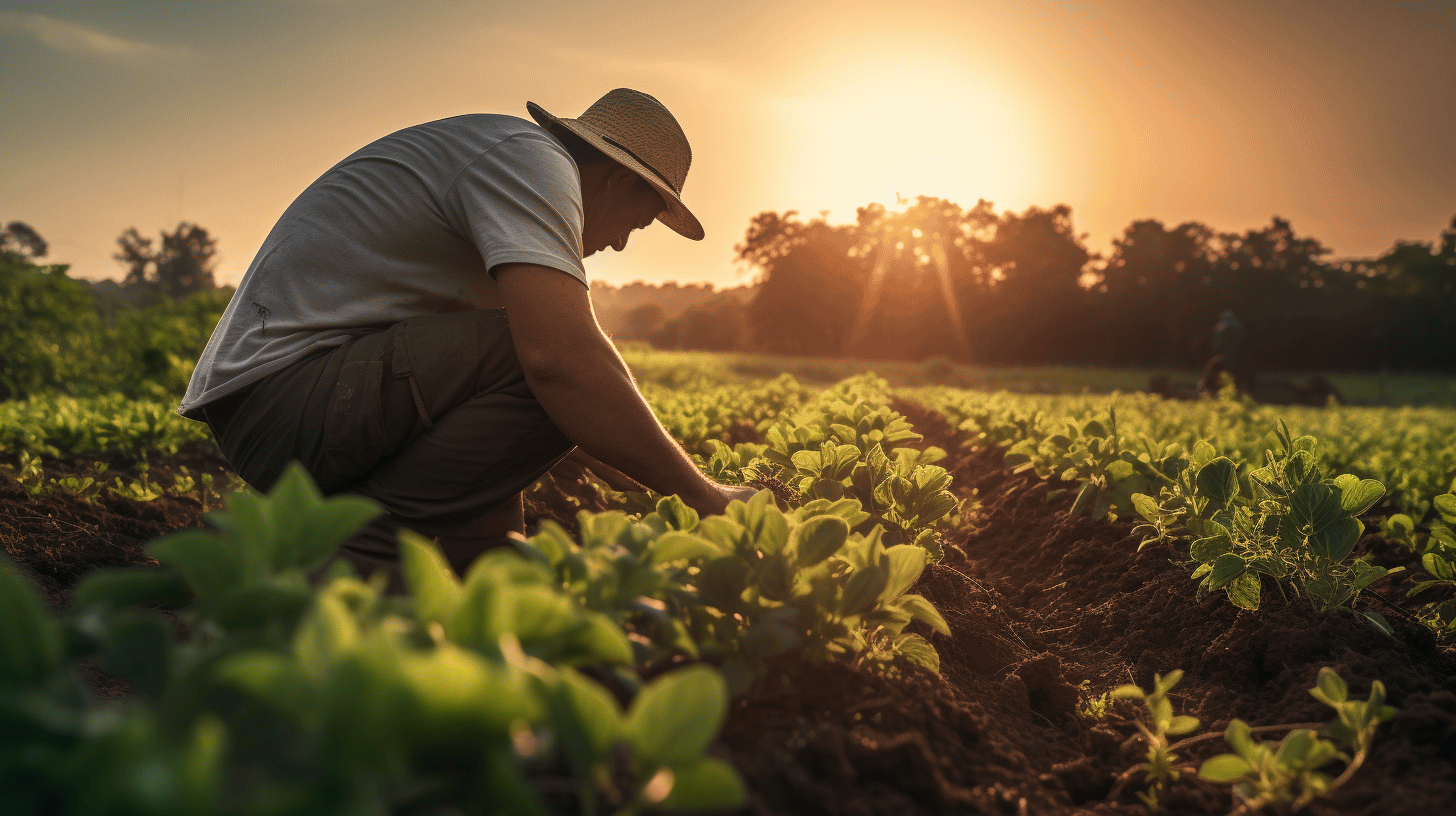
Regenerative agriculture is a sustainable farming practice that has been gaining momentum in recent years. It goes beyond traditional methods by focusing on the regeneration and revitalization of the ecosystem, rather than simply maintaining it. This approach aims to restore the health of the soil, enhance biodiversity, and promote environmental resilience.
In the face of challenges such as climate change, soil degradation, and loss of biodiversity, regenerative agriculture offers hope and tangible solutions. It has the potential to transform barren lands into flourishing ecosystems, improve soil health, mitigate climate change, and boost local economies.
In this article, we will explore the inspiring success stories of farmers who have embraced regenerative agriculture practices and are making a positive difference in their communities. From transforming barren grounds into thriving landscapes to innovating water management techniques, these farmers are leading the way towards a more sustainable and resilient future.
Join us on this journey as we delve into their stories and discover the profound impact that regenerative agriculture can have on the environment, the economy, and the well-being of local communities. Through their experiences, we hope to inspire and encourage more farmers to adopt regenerative practices and contribute to a more sustainable and prosperous world.
Definition of Regenerative Agriculture
Regenerative agriculture is a holistic approach to farming that focuses on restoring and revitalizing the health of the soil. Unlike conventional farming practices, which can deplete soil resources and contribute to environmental degradation, regenerative agriculture aims to enhance ecosystem services, promote biodiversity, and mitigate climate change impacts.
At its core, regenerative agriculture seeks to mimic natural systems and processes in order to create a sustainable and resilient agricultural system. It goes beyond merely sustainable practices and aims to actively regenerate the land, leading to improved soil health, increased water retention, and enhanced carbon sequestration.
Principles and Practices of Regenerative Agriculture
Regenerative agriculture is guided by several key principles and practices that promote soil health, biodiversity, and ecological balance. Here are some of the essential principles and practices of regenerative agriculture:
- No-till farming: Traditional tilling methods can disrupt the soil structure and increase erosion. In regenerative agriculture, farmers minimize or eliminate tilling altogether, which helps to preserve soil structure and organic matter.
- Cover cropping: Cover crops like legumes and grasses are planted in between cash crops to protect the soil from erosion, replenish nutrients, and improve soil moisture retention. They also provide habitat for beneficial insects and microbes.
- Crop rotation: Regular rotation of different crops helps break pest and disease cycles, reduces soil erosion, and maintains soil fertility. It also improves nutrient cycling and minimizes the need for chemical inputs.
- Managed grazing: Livestock can play a vital role in regenerative agriculture if managed properly. Controlled grazing methods help stimulate plant growth, improve soil health, and increase organic matter deposition.
- Composting and organic amendments: Adding compost and organic matter to the soil enhances its nutrient content, improves structure, and supports microbial activity. This helps to restore soil health and fertility over time.
- Agroforestry: The integration of trees and woody plants with crops and livestock can provide multiple benefits such as shade for crops, erosion control, and carbon sequestration.
By implementing these principles and practices, farmers can foster a regenerative ecosystem that promotes soil health, biodiversity, and long-term agricultural sustainability.
In conclusion, regenerative agriculture is a transformative approach to farming that emphasizes soil regeneration, ecological balance, and long-term sustainability. By adopting regenerative practices, farmers can restore degraded lands, enhance biodiversity, and mitigate climate change impacts.
Learn more about the benefits and implementation of regenerative agriculture here.
Regenerative agriculture is gaining momentum as a sustainable farming practice that aims to restore and enhance the health of the environment, while also promoting resilient and profitable farming systems. Through innovative approaches and a deep understanding of the land, some pioneering farmers have emerged as champions of regenerative agriculture. Let’s dive into the stories of three such farmers who have transformed their barren grounds into flourishing ecosystems, innovated water management techniques, and boosted biodiversity and soil health.
Farmer 1: Transforming Barren Grounds into Flourishing Ecosystems
Meet Sarah, a passionate farmer who took on the challenge of converting her depleted land into a thriving oasis of biodiversity. When Sarah inherited her family’s farm, she encountered barren grounds ravaged by years of conventional farming practices. Determined to make a change, Sarah dove headfirst into regenerative agriculture.
Sarah understood that nurturing soil health was fundamental to ecological restoration. She implemented a range of regenerative techniques, including cover cropping, crop rotation, and composting, to rejuvenate the soil. Over time, the organic matter content increased, resulting in improved soil structure and fertility.
To enhance biodiversity, Sarah introduced native plant species and created habitat corridors for beneficial insects and wildlife. By embracing regenerative farming practices, the once barren land transformed into a vibrant ecosystem where pollinators thrived, and a diverse array of plants and animals called home.
Farmer 2: Innovating Water Management Techniques
Enter Raj, a visionary farmer who recognized the importance of efficient water management in regenerative agriculture. Facing the challenges of water scarcity in his region, Raj sought out innovative solutions to maximize water usage and minimize wasteful practices.
Raj implemented drip irrigation systems, which targeted water delivery directly to the roots of the plants, reducing evaporation. He also employed rainwater harvesting techniques to capture and store rainfall for use during dry spells. This not only conserved water but also replenished groundwater resources, benefiting the entire ecosystem.
By embracing these water management innovations, Raj optimized crop production, reduced water usage, and successfully maintained a thriving farm in the face of water scarcity.
Farmer 3: Boosting Biodiversity and Enhancing Soil Health
Now let’s meet Juan, an inspirational farmer committed to boosting biodiversity and enhancing soil health through regenerative agriculture. Juan understood that healthy soil is the foundation of a resilient farm ecosystem, and he developed a holistic approach to achieve his goals.
Juan implemented agroforestry practices, combining perennial trees with annual crops to create a diverse and symbiotic agricultural system. The trees provided shade, wind protection, and an additional source of income through timber or fruit production. Moreover, their extensive root networks improved soil structure and increased carbon sequestration.
To enhance soil fertility and minimize chemical inputs, Juan embraced the use of organic compost and natural amendments. These methods not only enriched the soil with essential nutrients but also nurtured a thriving community of beneficial soil microorganisms.
By prioritizing biodiversity and soil health, Juan transformed his farm into a vibrant and resilient ecosystem, where plants, animals, and microorganisms flourished together.
These inspiring stories of farmers like Sarah, Raj, and Juan demonstrate the tremendous potential of regenerative agriculture to restore the land, conserve water resources, and promote biodiversity. Through their innovative practices and dedication to sustainable farming, they are not only reaping the benefits of increased productivity and profitability but also leaving a positive impact on future generations. As more farmers embrace regenerative agriculture, we can look forward to a future where sustainable food production and environmental stewardship go hand in hand.
Regenerative agriculture practices have gained recognition for their positive impact on the environment. By focusing on soil health improvement, carbon sequestration, water quality enhancement, and biodiversity promotion, these practices offer a sustainable and holistic approach to farming. Let’s take a closer look at each of these benefits and the impact they have on the environment.
Soil Health Improvement
One of the key benefits of regenerative agriculture is the improvement of soil health. Conventional farming practices can deplete the soil of essential nutrients and organic matter, leading to erosion and reduced fertility. Regenerative agriculture, on the other hand, employs techniques that nourish and regenerate the soil, such as:
- Cover cropping: Planting cover crops between cash crops helps protect the soil from erosion, reduces weed growth, and adds organic matter to the soil.
- Crop rotation: Rotating crops helps break pest and disease cycles, improves soil structure, and enhances nutrient availability.
- No-till farming: By avoiding plowing or tilling, regenerative farmers minimize disturbance to the soil structure and preserve its organic matter content.
These practices not only improve soil structure and fertility but also increase its water-holding capacity, reducing the amount of water needed for irrigation. Healthy soils are the foundation of sustainable agriculture and play a crucial role in mitigating climate change.
Carbon Sequestration
One of the greatest environmental benefits of regenerative agriculture is its ability to sequester carbon from the atmosphere. Through various techniques, regenerative farmers encourage the uptake and storage of carbon dioxide in the soil. This carbon sequestration helps combat climate change by reducing greenhouse gas emissions. Some of the practices used for carbon sequestration include:
- Agroforestry: Planting trees and woody perennials on farms helps sequester carbon both above and below the ground.
- Conservation tillage: Minimizing or eliminating tillage reduces the release of carbon dioxide into the atmosphere and promotes the storage of carbon in the soil.
- Organic amendments: Adding organic matter to the soil, such as compost or cover crop residues, enhances carbon storage capabilities.
By actively sequestering carbon, regenerative agriculture practices can contribute to the goal of limiting global warming and offsetting carbon emissions.
Water Quality Enhancement
Regenerative agriculture practices also have a positive impact on water quality. Conventional farming often involves the use of synthetic fertilizers and pesticides, which can pollute nearby waterways through runoff. In contrast, regenerative agriculture practices aim to minimize the use of such chemicals and protect water quality through:
- Nutrient management: Careful planning and monitoring of nutrient application help reduce nutrient runoff into water sources.
- Buffer strips: Planting vegetative buffers along water bodies helps filter and trap sediment, nutrients, and other pollutants before they reach the water.
- Wetland restoration: Restoring wetlands on farmland can act as natural filters, reducing nutrient runoff and improving water quality.
By adopting these practices, regenerative farmers work towards preserving water quality, protecting aquatic ecosystems, and reducing the impact of agriculture on freshwater resources.
Biodiversity Promotion
One of the core principles of regenerative agriculture is the promotion of biodiversity. In conventional farming systems, monocultures and excessive use of pesticides can lead to the loss of biodiversity and harm beneficial organisms. Regenerative agriculture, however, embraces diversity and works to create habitats that support a wide range of species. Some strategies employed for biodiversity promotion include:
- Planting native species: Including native plants in farming systems provides food and shelter for a variety of wildlife, including beneficial insects and pollinators.
- Providing wildlife corridors: Creating interconnected patches of natural habitats allows for the movement of wildlife and promotes biodiversity conservation.
- Integrated pest management: By using natural predators and minimizing pesticide use, regenerative farmers balance pest control with the preservation of beneficial insect populations.
The promotion of biodiversity not only supports important ecosystem functions but also contributes to the resilience of agricultural systems in the face of environmental challenges.
In conclusion, regenerative agriculture practices offer a sustainable and holistic approach to farming, with significant positive impacts on the environment. Through initiatives such as soil health improvement, carbon sequestration, water quality enhancement, and biodiversity promotion, farmers can contribute to a healthier planet for future generations. By adopting these practices, we can create a more sustainable and resilient agricultural system while preserving and protecting our natural resources.
Regenerative agriculture is not just beneficial for the environment but also for the economy. By adopting regenerative practices, farmers can experience higher yields, adapt to climate change, and reduce their dependency on outside inputs, resulting in significant economic advantages. Let’s explore these benefits in more detail:
Higher Yield
One of the major economic benefits of regenerative agriculture is the potential for higher crop yields. By focusing on soil health and biodiversity, regenerative practices create a fertile and nutrient-rich environment for crops to thrive. This can lead to increased productivity and greater profitability for farmers.
- Healthy soil retains water more efficiently, reducing the need for irrigation and improving drought resilience.
- The use of cover crops helps to prevent soil erosion, improving the long-term productivity of the land.
- Incorporating crop rotation and diversified farming systems can reduce pest and disease pressures, minimizing the need for expensive chemical inputs.
Adaptation to Climate Change
Regenerative agriculture promotes resilience in the face of climate change. As extreme weather events become more frequent and unpredictable, farmers who adopt regenerative practices are better equipped to withstand and recover from these challenges. This has important economic implications:
- Soil organic matter, built through regenerative practices, acts as a reservoir for carbon, contributing to climate change mitigation efforts.
- Regenerative practices help to improve water infiltration and retention, reducing the impact of droughts and mitigating flood risks.
- Diverse cropping systems enhance biodiversity and ecosystem services, which can provide natural pest control and pollination services, reducing the need for costly interventions.
Decreased Dependency on Outside Inputs
Traditional agriculture often relies heavily on external inputs such as synthetic fertilizers, pesticides, and genetically modified seeds. These inputs can be expensive and have long-term environmental consequences. In contrast, regenerative agriculture aims to minimize the reliance on these inputs, resulting in economic benefits for farmers:
- Building healthy soil through regenerative practices can reduce the need for synthetic fertilizers, saving costs for farmers.
- By adopting agroecological principles, farmers can rely on natural processes and ecological relationships to manage pests and diseases, reducing the need for chemical interventions.
- Saving on input costs and minimizing the environmental impact of farming operations can lead to improved profitability and long-term economic viability for farmers.
In conclusion, regenerative agriculture offers significant economic benefits for farmers. Higher yields, increased resilience to climate change, and decreased dependency on outside inputs can positively impact farm profitability and sustainability. By adopting regenerative practices, farmers can not only contribute to environmental conservation but also secure their own economic future.
Regenerative agriculture is gaining momentum as a sustainable and environmentally friendly approach to farming. It focuses on building soil health, conserving water, enhancing biodiversity, and reducing chemical inputs. While there are numerous benefits associated with regenerative agriculture, farmers transitioning to this practice may encounter several challenges along the way. Let’s explore some of the common obstacles faced by farmers during this transition.
Initial Costs
Transitioning to regenerative agriculture requires initial investments that can pose financial challenges for farmers. Some of the costs involved include:
- Equipment and Infrastructure: Farmers may need to invest in new equipment or modify existing machinery to align with regenerative practices. This could include purchasing specialized equipment for cover cropping, no-till farming, or rotational grazing. Additionally, infrastructure improvements may be necessary to support changes in water management or animal housing.
- Transition Period: Switching from conventional to regenerative practices often involves a transition period where farmers may experience a temporary decrease in yields or income. This can be a financial strain, especially for smaller-scale farmers who heavily rely on their farm’s profitability.
To overcome the initial costs, farmers can explore various options such as:
- Grants and Financial Assistance: Many organizations and government agencies offer grants, loans, or cost-share programs to help farmers finance the transition to regenerative agriculture. These programs can provide financial support for purchasing equipment, implementing conservation practices, or adopting regenerative systems.
- Farmers’ Cooperatives: Collaborating with other farmers in a cooperative model can help reduce the financial burden of transitioning. By pooling resources and sharing costs, farmers can collectively invest in equipment, infrastructure, and knowledge while spreading the financial risk.
Knowledge and Skill Gaps
Transitioning to regenerative agriculture requires a shift in mindset and the acquisition of new knowledge and skills. Some of the knowledge and skill gaps that farmers may face include:
- Soil Health Management: Understanding how to build and maintain soil health is crucial in regenerative agriculture. This involves knowledge of soil biology, nutrient management, composting, and cover cropping. Farmers may need to learn new techniques and practices to optimize soil health and fertility.
- Integrated Pest Management: Instead of relying on chemical inputs, regenerative agriculture emphasizes biological pest control, crop rotation, and diverse plantings to manage pests and diseases. Farmers may need to learn new approaches to pest management and gain knowledge about beneficial insects, crop rotation strategies, and natural pest control methods.
To address these knowledge and skill gaps, farmers can:
- Training and Education: Participating in workshops, training programs, and educational resources offered by agricultural extension services, universities, or regenerative agriculture organizations can provide farmers with the knowledge and skills they need. Additionally, peer-learning networks and mentorship programs can help facilitate knowledge sharing among farmers who have successfully transitioned to regenerative practices.
Market Access
While consumer demand for regenerative agriculture products is growing, accessing markets that value and support regenerative practices can be a challenge for farmers. Some of the obstacles farmers may face in terms of market access include:
- Certification and Labeling: Certifications and labels that verify regenerative practices can help farmers differentiate their products and access niche markets. However, the certification process can be time-consuming and costly, especially for small-scale farmers. Additionally, navigating different certification programs can be confusing, and meeting their specific requirements may pose challenges.
- Market Demand and Pricing: Although demand for regenerative products is increasing, market demand can still be limited in some regions or for certain products. Furthermore, obtaining fair pricing for regenerative products can be challenging as they often compete with conventionally produced goods.
To overcome market access challenges, farmers can:
- Direct Marketing: Establishing direct relationships with consumers through farmers’ markets, Community Supported Agriculture (CSA), or online platforms can help farmers bypass some of the challenges associated with traditional market channels. Direct marketing allows farmers to educate consumers about the benefits of regenerative agriculture and build a loyal customer base.
- Collaboration and Networking: Collaborating with other regenerative farmers, food cooperatives, or local businesses can help farmers access larger markets and create an ecosystem that supports regenerative agriculture. By networking with like-minded individuals and organizations, farmers can collectively work towards increasing market demand and advocating for fair pricing for regenerative products.
In conclusion, while transitioning to regenerative agriculture can bring numerous environmental and long-term benefits, farmers face certain challenges along the way. Overcoming initial costs, acquiring knowledge and skills, and accessing markets that value regenerative practices are key hurdles that farmers must navigate. However, with the right resources, support, and collaboration, these challenges can be overcome, leading to a more sustainable and resilient agricultural system.
In conclusion, regenerative agriculture emerges as a noble and sustainable path forward for farmers and the environment alike. By implementing regenerative practices, farmers can not only improve their own livelihoods but also contribute to the health of the planet. Here’s a recap of why regenerative agriculture is such an inspiring movement:
- Environmental Benefits: Regenerative agriculture focuses on building healthy soil, sequestering carbon, enhancing water quality, and promoting biodiversity. These practices are vital for addressing climate change, protecting water resources, and preserving wildlife habitats.
- Economic Advantages: Farmers can reap economic benefits from regenerative agriculture. Higher yields, achieved through improved soil health and nutrient cycling, can lead to increased profitability. Additionally, adopting regenerative practices helps farmers adapt to climate change and reduces their dependency on costly external inputs.
- Positive Impacts: Regenerative agriculture has a positive ripple effect on communities, ecosystems, and future generations. It encourages sustainable land management, fosters resilience in the face of climate change, and supports food security.
While embracing regenerative agriculture brings numerous rewards, it is important to acknowledge that transitioning to these practices is not without its challenges:
- Initial Costs: Implementing regenerative agriculture practices may require upfront investments in infrastructure, equipment, and education. However, evidence shows that these costs are often offset by the long-term benefits and improved profitability.
- Knowledge and Skill Gaps: Farmers transitioning to regenerative agriculture may face a learning curve in acquiring new knowledge and skills. Overcoming this challenge requires access to training programs, mentorship, and peer networks for knowledge sharing.
- Market Access: Access to markets willing to pay a premium for regenerative products can be limited. However, with the growing consumer demand for sustainable and ethically produced goods, there is increasing potential for market opportunities in regenerative agriculture.
To address these challenges, collaboration between farmers, researchers, policymakers, and consumers is crucial. Supportive policies, funding mechanisms, and educational initiatives can help facilitate the widespread adoption of regenerative agriculture practices.
In conclusion, regenerative agriculture holds immense promise for transforming our agricultural systems and creating a more sustainable future. By prioritizing soil health, biodiversity, and environmental stewardship, farmers can play a central role in combating climate change and safeguarding our planet for generations to come. So let’s celebrate the inspiring stories of farmers who are making a difference and join them in embracing regenerative agriculture as a noble and sustainable path forward.
Frequently Asked Questions
- What is regenerative agriculture?
Regenerative agriculture is a farming and land management approach that focuses on restoring and improving the health of the soil, increasing biodiversity, and enhancing ecosystem resilience. It aims to create sustainable and productive agricultural systems while mitigating climate change and promoting environmental stewardship.
- Why is regenerative agriculture important?
Regenerative agriculture is important because it offers a solution to many of the global challenges we face today, such as soil degradation, biodiversity loss, and climate change. By nurturing the soil and adopting holistic farming practices, regenerative agriculture can rebuild soil health, sequester carbon, enhance water retention, and promote more resilient and productive farming systems.
- What are some successful examples of regenerative agriculture?
There are many inspiring farmers and organizations practicing regenerative agriculture worldwide. Some success stories include Gabe Brown from Brown’s Ranch in North Dakota, who transformed his conventional farm into a regenerative powerhouse, and the Savory Institute, which promotes holistic land management practices through its global network of hubs.
- How can regenerative agriculture benefit farmers?
Regenerative agriculture can benefit farmers by improving soil fertility, reducing input costs, improving water management, increasing farm resilience to extreme weather events, and potentially increasing yields. It also offers market opportunities for sustainably produced, high-quality products, as consumer demand for environmentally friendly and ethically produced food grows.
- How can I support regenerative agriculture?
There are several ways to support regenerative agriculture. You can start by buying products from farmers and companies that follow regenerative practices. You can also engage with local agricultural communities, support organizations and initiatives that promote regenerative agriculture, and learn more about sustainable farming practices to make informed choices as a consumer.