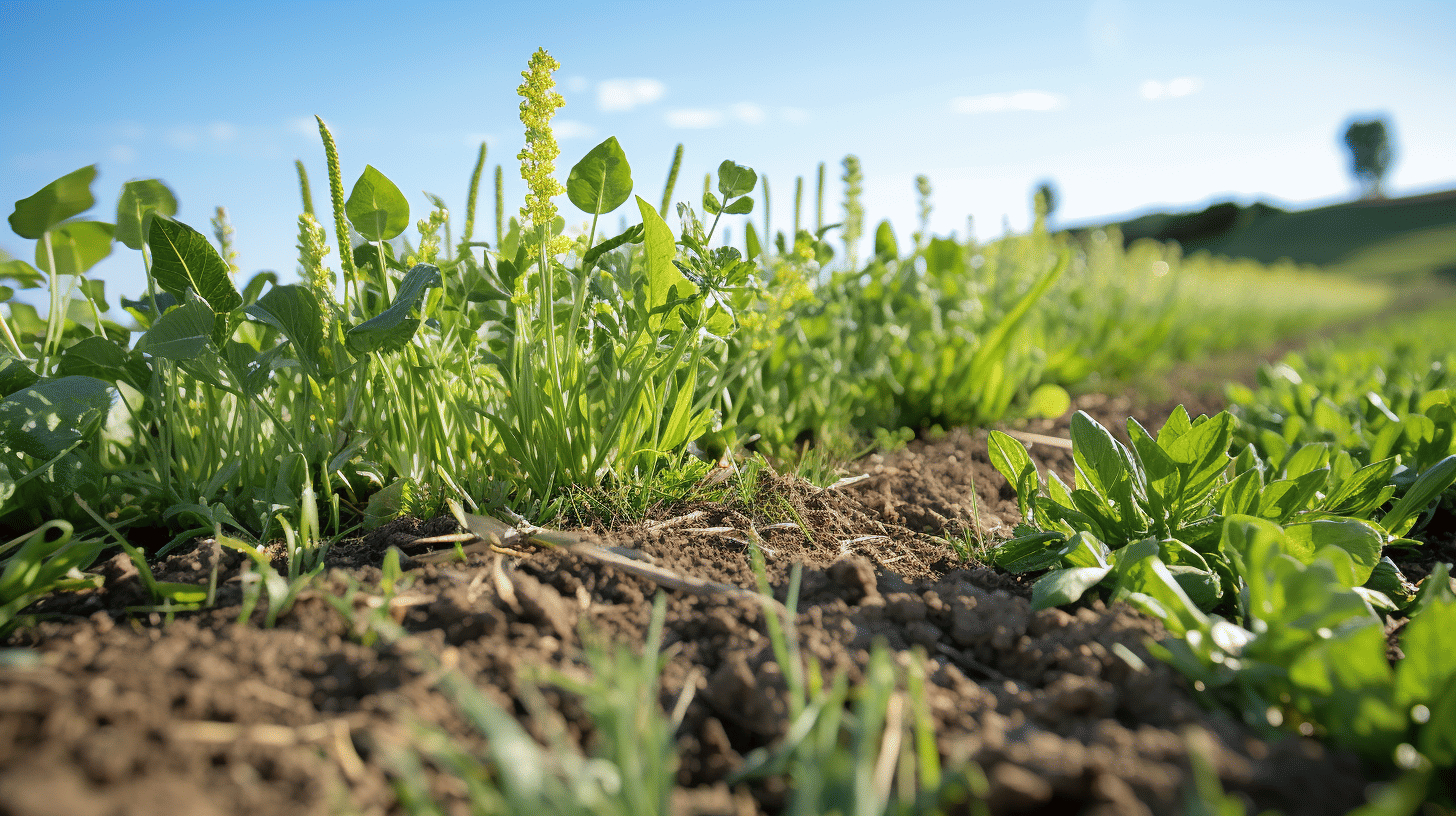
In today’s world, sustainable farming practices have become more important than ever. With increasing concerns about soil erosion, nutrient depletion, and weed control, farmers are turning to cover crop management as a solution. But what exactly is cover crop management, and why is it crucial for sustainable agriculture?
Cover crop management refers to the strategic planting and maintenance of cover crops, which are non-cash crops grown specifically to benefit the soil and the overall farming system. These crops are typically grown during periods when the main cash crop is not in the ground and are plowed under or terminated before the cash crop is planted.
Cover crops offer a range of benefits that contribute to the long-term health and productivity of the soil. Not only do they provide ground cover to prevent erosion and suppress weeds, but they also improve soil structure and fertility by adding organic matter and enhancing nutrient availability. Additionally, cover crops can increase crop yields by promoting beneficial soil microorganisms and reducing pest pressures.
But cover crop management is not a one-size-fits-all approach. Different cover crops exhibit varying benefits and require specific management practices. By optimizing cover crop management, farmers can maximize the positive impacts on their farm’s sustainability and profitability.
In this article, we will explore the various benefits of cover crop management, highlighting its role in increasing crop yields, improving soil health, retaining nutrients, controlling erosion, and suppressing weeds. We will also delve into the adoption statistics of cover cropping and its relationship to conservation agriculture. So whether you’re a seasoned farmer looking to fine-tune your cover crop practices or a newcomer interested in sustainable farming, this article will provide you with valuable insights into optimizing cover crop management for a more sustainable future.
Benefits of Cover Crop Management
Cover crop management is a sustainable and beneficial practice that offers a range of advantages for farmers and the environment. Incorporating cover crops into crop rotation plans can lead to increased crop yields, improved soil health, nutrient retention, erosion control, and weed suppression. Let’s dive deeper into each of these benefits:
Increased Crop Yields
Cover crops have been shown to have a positive impact on crop yields. According to the USDA Census of Agriculture, corn yields saw an average increase of 3.4 bushels per acre after implementing cover crops. Similarly, soybean yields increased by 1.5 bushels per acre after cover crop implementation. These yield improvements can be attributed to various factors, including enhanced soil fertility, weed suppression, and reduced soil erosion.
Soil Health Improvement
One of the primary benefits of cover crop management is the improvement of soil health. By keeping the soil covered throughout the year, cover crops reduce soil degradation and erosion. This helps to maintain soil structure, prevent nutrient leaching, and promote the growth of beneficial soil microorganisms. Healthy soils lead to better plant nutrient uptake, increased water infiltration, and improved overall soil quality.
Nutrient Retention
Cover crops play a crucial role in nutrient retention within the soil. They help prevent nutrient loss through leaching and runoff, which can occur during periods of heavy rainfall. By taking up excess nutrients from the soil, cover crops effectively hold them in place, minimizing nutrient loss. As a result, crop availability and overall fertility are improved, leading to healthier plants and better yields.
Erosion Control
Soil erosion is a significant concern for farmers as it can lead to the loss of topsoil, which is vital for plant growth. Cover crops act as a protective layer, reducing soil erosion by absorbing the impact of raindrops and slowing down water runoff. The roots of cover crops also hold the soil in place, preventing it from being washed away. This erosion control not only preserves valuable topsoil but also helps maintain the long-term productivity of the land.
Weed Suppression
Weeds compete with crops for resources such as water, nutrients, and sunlight, ultimately reducing crop yields. Implementing cover crop management can effectively suppress weed growth. Cover crops compete with weeds for resources, creating an unfavorable environment for weed germination and growth. By shading the soil and releasing natural allelopathic compounds, cover crops can inhibit weed establishment and reduce weed pressure in subsequent crop cycles.
In conclusion, the benefits of cover crop management are vast and impactful. Implementing cover crops into agricultural practices can lead to increased crop yields, improved soil health, nutrient retention, erosion control, and effective weed suppression. These advantages not only benefit farmers by enhancing productivity but also contribute to sustainable and environmentally friendly farming practices.
Cover Crop Adoption Statistics
Cover cropping has gained significant traction in recent years as farmers recognize the numerous benefits it offers for soil health and crop productivity. To get a better understanding of the current state of cover crop adoption in the United States, let’s dive into some fascinating statistics.
According to the 2017 USDA Census of Agriculture, over 150,000 farms reported using cover crops. This showcases the ever-increasing popularity of this sustainable farming practice. It’s heartening to see a growing number of farmers embracing cover crops and their potential to improve soil health and sustainability.
When it comes to cover crop varieties, the data reveals that cover crop mixes make up 18 to 25 percent of cover crop acres, with single-species cover crops being more common. This indicates that farmers are exploring various combinations of species to achieve specific goals such as weed suppression, nutrient cycling, and erosion control.
In 2017, cover crops were planted on a total of 15.4 million acres, witnessing a 50% increase over the span of just five years. This significant growth demonstrates the expanding adoption of cover crops across the country.
However, it is important to note that cover cropping is still relatively low in the U.S. Midwest, with only 3.6% of cropland acreage utilizing cover crops. This presents an opportunity for more farmers in the region to embrace this sustainable farming practice and reap its benefits.
On a national scale, cover crops are utilized on just 5.1% of total U.S. acreage. While there is certainly room for expansion, it’s encouraging to see that a growing number of farmers across the country are adopting cover crops.
Interestingly, the USDA Census of Agriculture also found that around 59% of U.S. producers use cover crops on an average of 40% of their acres. This shows that many farmers are integrating cover crops into their farming systems on a significant portion of their land, highlighting the widespread acceptance and understanding of their benefits.
These statistics demonstrate the positive momentum behind cover crop adoption in the United States. With farmers realizing the value that cover crops bring to their operations, it is likely that we will continue to see an upward trend in their usage in the years to come.
Source: 2017 USDA Census of Agriculture
Conservation Agriculture and Cover Cropping
Conservation agriculture is a sustainable approach to farming that aims to protect the soil and enhance its fertility, while also improving water and nutrient management. One of the key practices in conservation agriculture is cover cropping, which involves planting non-cash crops primarily for soil cover and risk reduction.
Cover crops play a pivotal role in maintaining soil health and quality. By planting cover crops, farmers can achieve continuous living cover in their cropping systems, providing a range of benefits for both the soil and the environment. Let’s take a closer look at some of the reasons why cover crops are so important in conservation agriculture:
1. Soil Erosion Prevention: Cover crops act as a protective blanket for the soil, shielding it from the impact of rainfall and reducing the risk of erosion. The roots of cover crops also help bind the soil particles together, further strengthening its structure and preventing erosion.
2. Nutrient Retention: Cover crops help retain nutrients in the soil. When the plants grow and their roots reach deeper into the soil, they take up nutrients that would otherwise be lost. These nutrients are then released back into the soil when the cover crops decompose, making them readily available for the subsequent cash crops.
3. Carbon Sequestration: Planting cover crops helps store carbon in agricultural soils, contributing to the mitigation of climate change. As cover crops grow, they absorb carbon dioxide from the atmosphere through photosynthesis and store it in the soil in the form of organic matter.
4. Weed Suppression: Cover crops can help suppress weed growth by crowding out and shading the weeds. This reduces competition for resources such as water and sunlight, reducing the need for chemical weed control methods.
5. Soil Structure Improvement: The roots of cover crops create channels in the soil, allowing better water infiltration and enhancing soil structure. Improved soil structure promotes aeration, root penetration, and beneficial soil organisms’ activity, leading to healthier soil overall.
According to the USDA Census of Agriculture, cover cropping is a widely practiced conservation agriculture technique that contributes to sustainable farming and environmental stewardship. The data shows that cover crops can help mitigate soil degradation and nutrient loss while improving the long-term productivity of agricultural systems.
In conclusion, cover cropping is a key practice in conservation agriculture that offers numerous benefits for soil health, water management, nutrient retention, and carbon sequestration. By incorporating cover crops into their cropping systems, farmers can contribute to sustainable farming practices and help protect our environment for future generations.
Conclusion
In conclusion, optimizing cover crop management is crucial for sustainable farming practices. By adopting cover cropping techniques, farmers can benefit from increased crop yields, improved soil health, nutrient retention, erosion control, and weed suppression. These practices contribute to the long-term sustainability of agricultural systems and help mitigate environmental challenges. Regenerative Agriculture Wiki is your go-to resource for in-depth information and practical tips on cover crop management and other sustainable farming practices. Join us in embracing regenerative agriculture and fostering a future where agriculture and ecology thrive in harmony.
Frequently Asked Questions
- What is a cover crop?
A cover crop is a crop that is planted primarily to manage soil erosion, improve soil fertility, control weeds, and enhance overall soil health.
- Why is cover crop management important for sustainable farming?
Cover crop management is important for sustainable farming as it helps prevent soil erosion, reduces nutrient runoff, increases organic matter content, suppresses weeds, and promotes beneficial soil microbiology.
- What are some popular cover crop options for sustainable farming?
Popular cover crop options for sustainable farming include legumes like clover and vetch, grasses like ryegrass and annual rye, and brassicas like radish and mustard. Each type of cover crop offers specific benefits to soil health.
- How do I select the right cover crop for my farm?
Selecting the right cover crop for your farm depends on factors such as climate, soil type, desired benefits, and crop rotation. Consult with local agricultural extension services or cover crop experts to determine the most suitable options for your specific needs.
- What is the recommended cover crop management practice?
The recommended cover crop management practice involves timely planting and termination, proper seedbed preparation, monitoring for pests and diseases, and incorporating cover crop residues into the soil at the right time to maximize nutrient release.