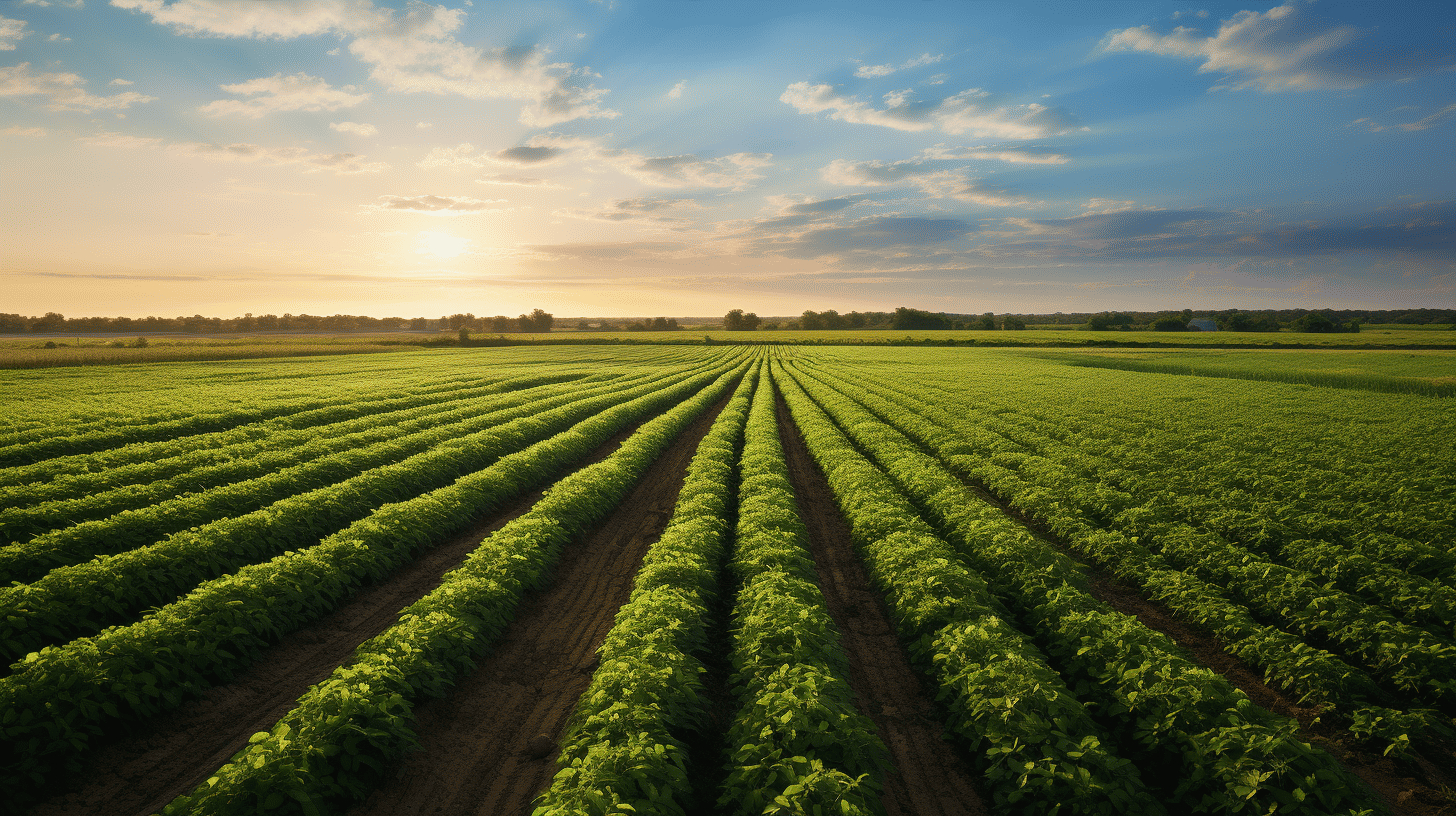
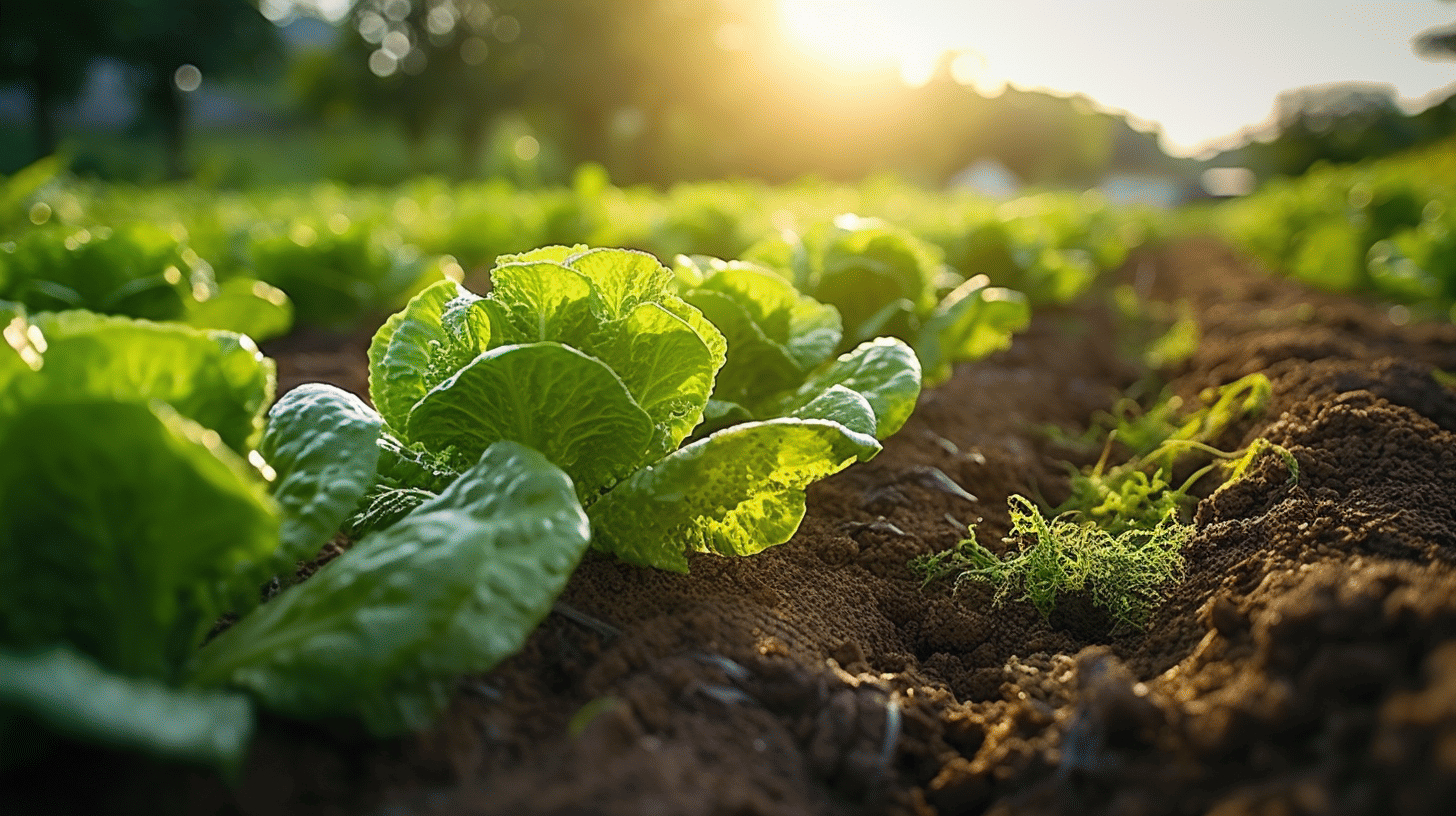
Regenerative urban farming is a sustainable and forward-thinking approach to agriculture that is gaining traction worldwide. As the global population continues to grow, and urbanization becomes more prevalent, the need for innovative and efficient farming practices has never been more pressing. Regenerative urban farming offers a solution by bringing agriculture right into the heart of cities, using small-scale and sustainable practices to produce fresh, nutritious food for local communities.
In this article, we will explore the benefits and potential of regenerative urban farming, delve into the investment and market trends surrounding sustainable farming, and discuss the potential of urban farming to supply fresh produce through innovative techniques like vertical farming.
But what exactly is regenerative urban farming? And why is it so important in today’s world? Let’s start by understanding the basics.
Regenerative urban farming involves cultivating crops and raising livestock in urban areas, making the most of limited space and resources. It combines sustainable practices like organic farming, permaculture, hydroponics, and aquaponics to create a holistic system that nourishes the soil, conserves water, reduces waste, and minimizes the use of synthetic inputs such as pesticides and fertilizers.
The goal of regenerative urban farming is not only to produce food but also to restore and enhance the natural resources it relies on. By focusing on soil health, biodiversity, and ecosystem resilience, regenerative urban farming aims to create a self-sustaining and regenerative food system that benefits both people and the planet.
In the following sections, we will explore the economic, environmental, and health benefits of regenerative urban farming. We will also take a closer look at the investment and market trends surrounding sustainable farming, as well as the potential of urban farming to supply fresh produce using innovative techniques like vertical farming.
So, whether you’re a passionate urban gardener, a sustainability advocate, or simply interested in learning about innovative farming practices, join us as we dig into the world of regenerative urban farming and discover the sustainable practices shaping the future of agriculture.
Benefits and Potential of Regenerative Urban Farming
Regenerative urban farming holds immense potential for transforming the way we grow our food and manage our cities. By implementing regenerative practices in urban agricultural systems, we can reap a host of benefits, ranging from economic advantages to environmental and health benefits. Let’s take a closer look at each of these areas:
Economic Benefits
Regenerative farming practices have been shown to significantly boost profits for farmers. By employing techniques such as crop rotations, diverse cover crops, and maintaining permanent vegetation, regenerative farms enhance soil health and fertility. This, in turn, leads to increased crop yields and reduced reliance on expensive inputs like fertilizers and pesticides. In fact, studies have found that regenerative agriculture can lead to a staggering 78% increase in profitability compared to conventional farming methods[1].
Environmental Benefits
One of the primary merits of regenerative agriculture is its positive impact on the environment. By promoting sustainable and regenerative farming practices, such as soil conservation and organic matter management, regenerative farmers contribute to essential environmental aspects, including:
- Climate change mitigation: Regenerative farming has the potential to sequester carbon and reduce greenhouse gas emissions. Through practices like cover cropping and agroforestry, regenerative agriculture can help offset carbon dioxide emissions and combat climate change.
- Ecosystem protection: By preserving and enhancing biodiversity, regenerative farming plays a crucial role in protecting ecosystems. The use of diverse cover crops and the maintenance of natural habitats on farms foster healthy and resilient ecosystems, supporting a wide range of beneficial organisms such as pollinators and natural pest predators.
- Water quality improvement: Regenerative farms implement practices that promote healthy soil, reducing erosion and nutrient runoff into waterways. As a result, water sources become cleaner and less polluted, benefiting both aquatic ecosystems and human communities.
Health Benefits
We cannot overlook the positive impact regenerative farming can have on our health. By prioritizing soil health, regenerative farming creates nutrient-dense and flavorful produce. This means that the food we consume from regenerative urban farms can be packed with higher levels of essential vitamins, minerals, and antioxidants. Additionally, by avoiding the use of synthetic fertilizers and pesticides, regenerative farming reduces the risk of chemical residues in our food, making it safer and healthier for consumption.
In addition to these benefits, regenerative urban farming also offers the possibility of localized and sustainable food production. With small-scale urban farming adopting regenerative practices, communities can gain access to fresh, nutritious, and locally grown food, reducing the need for long-distance transportation and minimizing the ecological footprint associated with food production and distribution[2].
Embracing regenerative urban farming practices can bring about a multitude of benefits for individuals, communities, and the planet as a whole. By taking a holistic approach to agriculture that prioritizes ecological health and sustainability, we can pave the way for a more resilient and thriving future.
Do you want to learn about the steps involved in implementing regenerative farming practices? Check out this guide to regenerative agriculture to dive deeper into the subject.
Investment and Market Trends in Sustainable Farming
Sustainable farming is gaining momentum as more investors recognize the potential for profitability and environmental impact. This growing interest is reflected in the support provided by organizations like the United States Department of Agriculture (USDA) and the steady market growth in the sustainable farming sector.
USDA Support
The USDA is actively investing in sustainable farming initiatives, demonstrating their commitment to promoting environmentally responsible agriculture. Through grants and funding programs, the USDA is providing financial support to farmers and organizations dedicated to sustainable farming practices.
Specifically, the USDA recently allocated $7.4 million in grants to support urban agriculture and innovative production. These funds enable farmers to implement sustainable farming techniques, such as vertical farming, aquaponics, and hydroponics, in urban landscapes. By investing in these practices, the USDA is opening doors for farmers to enhance food production, strengthen food security, and reduce the environmental impact of agriculture.
Market Growth
The market for sustainable farming is experiencing significant growth, reflecting the increasing demand for environmentally-friendly and socially-responsible agricultural practices. This growth is driven by several factors, including consumer preferences, regulatory incentives, and technological advancements.
According to industry research, the global Urban Farming Market is projected to reach USD 203,672.82 million by 2027. This growth is driven by the rising urban population, limited agricultural land availability, and the growing need for local food production. Urban farming offers a sustainable solution by utilizing innovative techniques, such as rooftop gardens and vertical farming, to maximize food production in urban areas.
Furthermore, the global regenerative agriculture market is estimated to grow from $8.7 billion in 2022 to $16.8 billion by the end of 2027. Regenerative agriculture focuses on restoring and enhancing the health of ecosystems by implementing practices that mimic natural processes. This holistic approach helps improve soil health, biodiversity, and water quality while increasing crop yields. The market growth of regenerative agriculture is a testament to the growing recognition of its long-term benefits for the environment and agricultural sustainability.
In conclusion, the investment and market trends in sustainable farming paint a promising picture for the future of agriculture. With support from organizations like the USDA and a steadily growing market, sustainable farming practices are poised to make a significant impact on food production, environmental conservation, and economic prosperity.
Potential of Urban Farming and Sustainable Practices
Urban farming and sustainable practices hold immense potential in transforming our cities into greener, healthier, and more self-sufficient spaces. As more people become aware of the environmental, economical, and health benefits of regenerative agriculture, the popularity of urban farming continues to grow. Let’s explore some of the reasons why urban farming is gaining momentum and the potential it holds for the future.
Supplying Fresh Produce
One of the most significant advantages of urban farming is the ability to supply fresh produce to local communities. Traditional farming often involves long transportation distances, which can lead to a loss of flavor and nutrients in fruits and vegetables. With urban farming, the produce can be grown and harvested right in the heart of the city, ensuring that it reaches the consumers at its peak freshness.
Urban farms can be set up in abandoned lots, rooftops, or even vertical farms. This proximity to consumers helps reduce the time and distance it takes for the produce to reach the plate, ensuring that the fruits and vegetables are fresher, tastier, and more nutritious. Additionally, urban farming allows for the cultivation of seasonal and local varieties that may not be readily available in traditional grocery stores.
Vertical Farming
Vertical farming is a type of urban farming that utilizes vertical space to maximize food production in a small area. By stacking plants in vertically inclined layers, vertical farms can produce significantly higher yields compared to traditional farming methods. This practice is particularly beneficial in densely populated urban areas with limited land availability.
Vertical farming also offers better control over environmental conditions such as light, temperature, and water, resulting in higher crop yields and reduced dependence on pesticides and herbicides. Additionally, vertical farms can optimize resource utilization by using technologies such as hydroponics or aeroponics, where plants are grown in water or mist without soil. This method not only conserves water but also eliminates the need for chemical fertilizers, making it an eco-friendly approach to agriculture.
Community Engagement and Education
Urban farming has the power to bring communities together and create a sense of connection with the food they consume. Many urban farms involve local residents in the cultivation process, either through volunteer opportunities or community gardens. This involvement fosters a sense of ownership and pride in the local food system.
Moreover, urban farming can serve as a powerful educational tool, especially for children and youth. Schools and community centers can integrate urban farming into their curriculums to teach children about agriculture, sustainability, and healthy eating habits. By getting children involved in growing their food, urban farming promotes a deeper understanding and appreciation for the environment and fosters a lifelong commitment to sustainable practices.
In conclusion, the potential of urban farming and sustainable practices in our cities is vast. By supplying fresh produce, utilizing vertical farming techniques, and fostering community engagement and education, urban farming offers a sustainable and resilient solution to our growing food demands. As more individuals and communities embrace regenerative agriculture, we can create a future where our cities thrive as green, healthy, and self-sufficient spaces.
Frequently Asked Questions
- What is regenerative urban farming?
Regenerative urban farming refers to the practice of cultivating crops and raising livestock in urban areas using sustainable and environmentally friendly methods. It aims to restore and enhance the health of ecosystems while producing food.
- Why is regenerative urban farming important?
Regenerative urban farming is important as it promotes sustainability, reduces food waste, improves food security, enhances urban biodiversity, mitigates climate change, and provides fresh, nutritious, and locally grown produce to urban communities.
- What sustainable practices are used in regenerative urban farming?
Sustainable practices in regenerative urban farming include organic farming methods, permaculture techniques, composting, rainwater harvesting, vermiculture, vertical gardening, agroforestry, and the use of renewable energy sources.
- Can regenerative urban farming be implemented on a small scale?
Yes, regenerative urban farming can be implemented on a small scale, making it accessible to individual homeowners, community gardens, rooftop gardens, and small urban farms. It is highly adaptable and can be tailored to fit limited spaces.
- Are there any economic benefits to regenerative urban farming?
Yes, regenerative urban farming can have economic benefits such as creating local job opportunities, supporting local economies, reducing transportation costs, and increasing the value of urban properties through green infrastructure and urban agriculture initiatives.