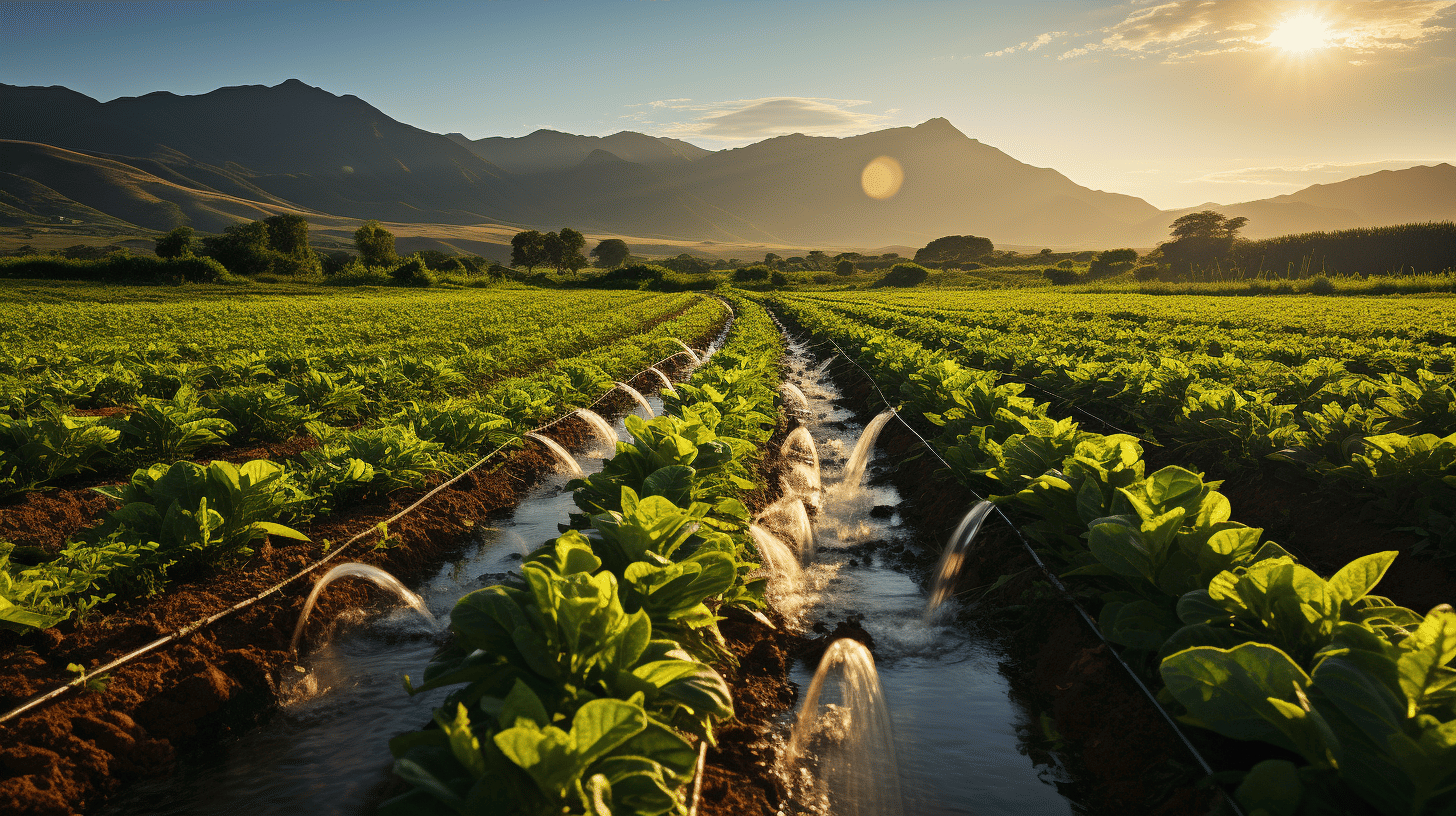
Agriculture plays a vital role in our society, providing us with the food and resources we need to thrive. However, it also accounts for a significant amount of water usage globally. With water scarcity becoming an increasingly pressing issue, it is crucial to prioritize water conservation on sustainable farms. In this article, we will explore the best practices for water conservation on these farms, highlighting the importance of efficient water usage and the various strategies that can be employed.
Water conservation is not just about reducing water wastage; it is about optimizing water usage to ensure that farms can continue to produce while minimizing their impact on the environment. By implementing effective water conservation measures, sustainable farms can protect precious water resources, reduce costs, and maintain the health and productivity of their crops and livestock.
Throughout this article, we will delve into the different aspects of water conservation on farms, including the inefficiencies of outdoor water usage, the scarcity of fresh water, and the environmental impact of water conservation efforts. We will also explore the specific practices that farmers can adopt to conserve water, such as tillage practices, soil conservation techniques, the incorporation of water-saving features, conservation systems, and strategies for chemical reduction.
Additionally, we will discuss efficient irrigation methods, such as drip irrigation systems, smart irrigation technology, and irrigation scheduling. These methods are designed to minimize water waste and optimize the distribution of water to crops, ensuring that they receive the necessary moisture without excessive use.
Lastly, we will highlight various government and industry initiatives aimed at promoting water conservation on farms. These initiatives include measures to enhance water use efficiency, promote regenerative farming practices, and encourage climate-smart techniques that minimize water usage while simultaneously improving agricultural sustainability.
Water conservation on sustainable farms is a multifaceted endeavor that requires a comprehensive approach. By integrating these best practices into their operations, farmers can make a significant impact in safeguarding our water resources for generations to come. So let us now explore these practices in detail, starting with the importance of water conservation on farms.
Importance of Water Conservation on Farms
Water conservation is a critical practice that should be taken seriously, especially in the agricultural industry. Farms, in particular, play a significant role in managing and utilizing water resources sustainably. In this section, we will explore the importance of water conservation on farms, focusing on various aspects such as outdoor water usage inefficiencies, scarcity of fresh water, and the environmental impact of water conservation.
Outdoor Water Usage Inefficiencies
One of the primary areas where water conservation efforts can be optimized on farms is outdoor water usage. It’s astonishing to know that up to 50% of outdoor water usage is lost due to irrigation inefficiencies and other factors. Imagine the amount of precious water that goes to waste, only adding to the strain on our already limited water resources. By implementing efficient irrigation systems and practices, farms can drastically reduce water wastage and conserve this valuable resource.
To address these inefficiencies, farmers can adopt the following practices:
- Drip Irrigation: This method delivers water directly to the plants’ root zones, minimizing evaporation and ensuring more efficient water usage.
- Soil Moisture Monitoring: By regularly monitoring soil moisture levels, farmers can determine the optimal times for irrigation, avoiding overwatering and unnecessary water loss.
- Crop Rotation and Mulching: These practices can reduce water usage by improving soil quality, preventing evaporation, and minimizing weed growth, ultimately leading to water conservation.
Scarcity of Fresh Water
Another crucial factor that emphasizes the importance of water conservation on farms is the overall scarcity of fresh water. While water covers about 70% of our planet, only 2% of that is fresh water. To put it into perspective, the majority of Earth’s water supply is saltwater, making it unsuitable for consumption or irrigation without desalination processes.
As population growth, climate change, and industrial development continue to increase the demand for fresh water, it is essential to use this resource wisely. By conserving water on farms, we can help alleviate the strain on freshwater sources and ensure its availability for future generations.
Environmental Impact of Water Conservation
Water conservation on farms not only benefits the immediate agricultural community but also has significant environmental implications. In fact, the extent of its impact reaches far beyond water preservation. By implementing sustainable water practices, farms can contribute to:
- Preserving Ecosystems: Efficient water usage ensures that enough water remains in rivers, lakes, and other bodies of water, supporting aquatic life and maintaining the health of delicate ecosystems.
- Reducing Energy Consumption: Treating and transporting water requires substantial energy. By conserving water, farms indirectly reduce the energy consumption associated with pumping and treating water, thereby reducing carbon emissions and mitigating climate change.
Additional Information:
- According to the Environmental Protection Agency (EPA), water intensity was reduced by 38.9% from FY 2007 to FY 2022. This reduction highlights the significance of water conservation efforts and the positive impact they can have on both the agricultural sector and the environment.
Water conservation on farms is a crucial step towards a sustainable and environmentally friendly agricultural industry. By addressing outdoor water usage inefficiencies, recognizing the scarcity of fresh water, and understanding the environmental impact of water conservation, farms can play a significant role in ensuring the responsible use of our limited water resources. Conservation practices not only benefit the agricultural community but also contribute to protecting ecosystems and reducing energy consumption. Let’s work together to conserve water and secure a better future for generations to come.
Conservation Practices on Farms
Conservation practices play a crucial role in promoting sustainability and protecting the environment on farms. By implementing these practices, farmers can minimize soil erosion, conserve water, and reduce chemical use, among other benefits. Let’s explore some of the key conservation practices that are commonly used on farms today.
Tillage Practices
Tillage practices refer to the methods used for preparing the soil for planting crops. Traditional tillage involves turning over the soil with machinery, which can disrupt the soil structure and increase the risk of erosion. However, there are alternative practices that promote conservation, such as:
- Conservation tillage: This practice involves minimal soil disturbance, leaving crop residues on the surface to provide protection against erosion. It helps maintain soil structure and moisture levels, reducing the need for irrigation.
According to recent data[1], approximately 83.4% of cropland in use today utilizes some form of tillage practices for conservation.
Soil Conservation
Maintaining healthy soil is essential for long-term agricultural productivity. Soil conservation practices focus on preserving soil quality and preventing erosion. Some commonly used soil conservation practices include:
- Cover crops: Planting cover crops, such as legumes or grasses, during periods when the main cash crop isn’t grown can help protect the soil from erosion, improve soil fertility, and suppress weed growth.
Recent studies[1] have shown that around 64% of farmers have already adopted soil conservation practices to protect their farmland.
Water-Saving Features
Water is a precious resource, and conservation measures should be implemented to reduce water use on farms. Some water-saving features that farmers can incorporate include:
- Rainwater harvesting: Collecting rainwater from rooftops or other surfaces and storing it for future use helps reduce dependency on irrigation and can be a cost-effective way to irrigate crops.
Did you know that homes with high-efficiency plumbing fixtures and appliances save about 30% of indoor water use[1]? Similarly, implementing water-saving features on farms can lead to significant water conservation.
Conservation Systems
Conservation systems encompass a combination of practices that work together to enhance soil health, water quality, and biodiversity. Some examples of conservation systems include:
- Agroforestry: Integrating trees with agricultural crops can provide shade, reduce erosion, and enhance biodiversity. It also contributes to carbon sequestration, making it an environmentally friendly practice.
Furthermore, adopting conservation systems has been proven to increase soil organic carbon storage, water infiltration, and soil microbial activity[1]. These systems are a holistic approach to conservation that benefit both the farmer and the environment.
Chemical Reduction
Reducing chemical inputs in agriculture is a crucial part of sustainable farming practices. By implementing strategies to minimize chemical use, farmers can protect water quality, preserve soil health, and support beneficial ecosystems. Some approaches to chemical reduction include:
- Integrated Pest Management (IPM): IPM focuses on using a combination of pest control techniques, such as biological controls, crop rotation, and targeted pesticide use, to minimize the need for chemical interventions.
By adopting conservation practices, farmers can reduce their reliance on chemicals and help conserve valuable resources in agriculture[1].
In conclusion, conservation practices on farms are vital for promoting sustainability, protecting the environment, and ensuring long-term agricultural productivity. From implementing conservation tillage and soil conservation practices to embracing water-saving features and reducing chemical inputs, farmers have the power to make a positive impact on the land they cultivate. By adopting these practices, they contribute to a more sustainable and resilient agricultural system that benefits both present and future generations.
Efficient Irrigation Methods
Water is a precious resource, and ensuring efficient irrigation methods is crucial for sustainable agriculture. With the advancement of technology, farmers now have access to various tools and techniques that can help them conserve water while maintaining crop productivity. In this article, we will explore three efficient irrigation methods that farmers are adopting: drip irrigation systems, smart irrigation technology, and irrigation scheduling.
Drip Irrigation Systems
Drip irrigation systems have revolutionized the way water is delivered to plants. Instead of flooding the entire field, water is delivered directly to the plant’s root zone through a network of pipes and emitters. This method offers several advantages:
- Water conservation: Drip irrigation systems are designed to minimize water wastage by delivering water precisely where it is needed, reducing evaporation and runoff.
- Improved nutrient delivery: With drip irrigation, fertilizers and nutrients can be easily incorporated into the irrigation system, ensuring that plants receive the necessary nourishment directly.
- Weed control: By delivering water directly to the plant’s root zone, drip irrigation helps to minimize weed growth. Since water is not sprayed across the entire field, weed seeds are less likely to germinate.
Want to learn more about drip irrigation systems? Check out our article on the benefits of drip irrigation.
Smart Irrigation Technology
Advancements in technology have paved the way for smart irrigation systems that harness data and automation to optimize water usage. These systems utilize sensors and weather data to determine precisely when and how much water to apply to crops. Here are some key features of smart irrigation technology:
- Soil moisture monitoring: Sensors placed in the field measure soil moisture levels, allowing farmers to water only when necessary. This helps prevent over-irrigation, which can lead to waterlogging and nutrient leaching.
- Weather-based irrigation: Smart systems take into account weather forecasts and historical data to adjust irrigation schedules accordingly. For example, if rain is predicted, the system may skip a watering cycle to avoid water wastage.
- Remote control and monitoring: Many smart irrigation systems can be controlled and monitored remotely using smartphone applications or web portals. This allows farmers to make adjustments on the go and ensures that irrigation schedules are always up to date.
Curious about how smart irrigation technology works? Read our in-depth guide on the benefits and implementation of smart irrigation systems.
Irrigation Scheduling
Proper irrigation scheduling is essential for maximizing water efficiency and crop yield. By following an optimized schedule, farmers can ensure that crops receive the right amount of water at the right time. Here are some key considerations for irrigation scheduling:
- Crop water requirements: Different crops have specific water requirements at various growth stages. By understanding these requirements, farmers can tailor their irrigation schedules to meet the needs of each crop.
- Monitoring weather conditions: Weather conditions play a significant role in irrigation scheduling. By keeping an eye on rainfall, temperature, and evapotranspiration rates, farmers can adjust irrigation schedules accordingly.
- Irrigation system efficiency: Regularly maintaining and inspecting irrigation systems is crucial for optimal performance. Leaks or clogged emitters can lead to water wastage or inadequate irrigation, affecting crop health and yield.
Looking to enhance your irrigation scheduling practices? Check out our article on optimizing irrigation schedules for improved water efficiency.
Farmers are at the forefront of implementing these efficient irrigation methods to conserve water and enhance crop productivity. By embracing technologies like drip irrigation systems, smart irrigation technology, and effective irrigation scheduling, farmers are making significant strides towards sustainable agriculture and responsible water management. Through these efforts, they are not only preserving our water resources but also ensuring a bountiful harvest for future generations.
Government and Industry Initiatives
Water scarcity and conservation have become pressing concerns globally. Governments and industries are recognizing the need to address these issues and are taking proactive measures to ensure sustainable water management. By implementing various initiatives and adopting innovative practices, they aim to conserve water resources, enhance water use efficiency, promote regenerative farming, and implement climate-smart practices.
Water Conservation Measures
One of the key initiatives undertaken by governments and industries is to promote water conservation measures. These measures aim to reduce water consumption in residential, commercial, and industrial sectors. Some of the commonly implemented water-saving features include:
- Low-flow faucets and showerheads
- Dual-flush toilets
- Water-efficient irrigation systems
- Rainwater harvesting systems
- Water reuse and recycling systems
These measures not only help in reducing water consumption but also contribute to energy savings and cost reduction. In fact, if all U.S. households installed water-saving features, water use would decrease by 30%[1].
Enhancing Water Use Efficiency
To ensure sustainable water management, enhancing water use efficiency is crucial. Governments and industries are promoting the adoption of advanced technologies and practices to optimize water use across different sectors. By improving water use efficiency, they aim to reduce wastage and increase the availability of water resources.
- Implementing water metering systems to monitor and control water use
- Encouraging water-efficient practices in industries and commercial establishments
- Investing in water infrastructure and distribution systems to minimize leaks
- Promoting education and awareness campaigns to educate the public on water conservation habits
Water use efficiency initiatives have shown promising results. Water conservation measures targeted towards commercial, industrial, and institutional (CII) sectors have the potential to reduce water consumption by 15 to 50%[2].
Regenerative Farming Practices
Agriculture accounts for a significant portion of global water consumption. Recognizing this, governments and industries are promoting regenerative farming practices that conserve water and promote sustainable agriculture. These practices include:
- Precision irrigation techniques to minimize water wastage
- Cover cropping to improve soil moisture retention
- Crop rotation to reduce water stress on the soil
- Conservation tillage to minimize soil erosion and water runoff
Regenerative farming practices not only conserve water but also have a positive impact on global water availability. By implementing these practices, farmers can improve the health of soil, increase water infiltration, and reduce water demand in irrigation systems.
Climate-Smart Practices
The agricultural sector plays a significant role in addressing climate change and water scarcity. Governments and industries are encouraging farmers and ranchers to adopt climate-smart practices that reduce greenhouse gas emissions and protect water resources. These practices include:
- Agroforestry to increase carbon sequestration and reduce water runoff
- Livestock management techniques that minimize water pollution
- Precision farming to optimize fertilizer and pesticide use, reducing water contamination
- Water-efficient irrigation systems powered by renewable energy sources
Farmers and ranchers are leading the way in implementing climate-smart practices that not only mitigate climate change but also protect water resources. These initiatives are essential to ensure the availability of water resources for future generations.
In conclusion, governments and industries are proactively working towards addressing water conservation and management challenges. Through the implementation of water conservation measures, enhancement of water use efficiency, promotion of regenerative farming practices, and adoption of climate-smart practices, they are taking significant steps towards sustainable water management. By working together, they can make a tangible difference in conserving water resources and securing a sustainable future for all.
Conclusion
In conclusion, water conservation is a critical aspect of sustainable farming. By implementing efficient irrigation methods and adopting conservation practices, farmers can significantly minimize water waste and protect this precious resource. Government and industry initiatives also play a crucial role in promoting and supporting water conservation measures on farms. As the global population continues to grow, it becomes increasingly imperative for us to prioritize sustainable farming practices that ensure the availability of freshwater for generations to come. Embracing regenerative agriculture and its principles can pave the way for a more environmentally friendly and resilient food system.
If you’re interested in learning more about regenerative agriculture practices and how they align with sustainable farming, Regenerative Agriculture Wiki is your go-to resource. Explore our extensive content on soil health, holistic management, permaculture, and agroecology to gain insights, tips, and comprehensive guides. Together, let’s foster a future where agriculture and ecology thrive in harmony.
Frequently Asked Questions
- Why is water conservation important on sustainable farms?
Water conservation is crucial on sustainable farms to ensure the efficient use of limited water resources, minimize environmental impact, maintain soil health, and promote sustainable agriculture practices.
- What are some effective water conservation practices for sustainable farms?
Some effective water conservation practices for sustainable farms include drip irrigation, rainwater harvesting, soil moisture monitoring, mulching, crop rotation, cover cropping, and implementing water-efficient technologies.
- How does drip irrigation help with water conservation on farms?
Drip irrigation is an efficient watering method that helps conserve water on farms. It delivers water directly to the plant’s root zone, reducing water loss due to evaporation and minimizing unnecessary moisture in the surrounding areas.
- What is the importance of soil moisture monitoring in water conservation?
Soil moisture monitoring allows farmers to track the moisture content in the soil accurately. By knowing the soil’s moisture level, farmers can optimize irrigation schedules and prevent overwatering, leading to efficient water use.
- What are the benefits of using cover crops for water conservation?
Cover crops help improve water conservation on farms by reducing soil erosion, enhancing water infiltration and retention, and promoting nutrient cycling. They also provide shade, reducing evaporation and water loss from the soil surface.