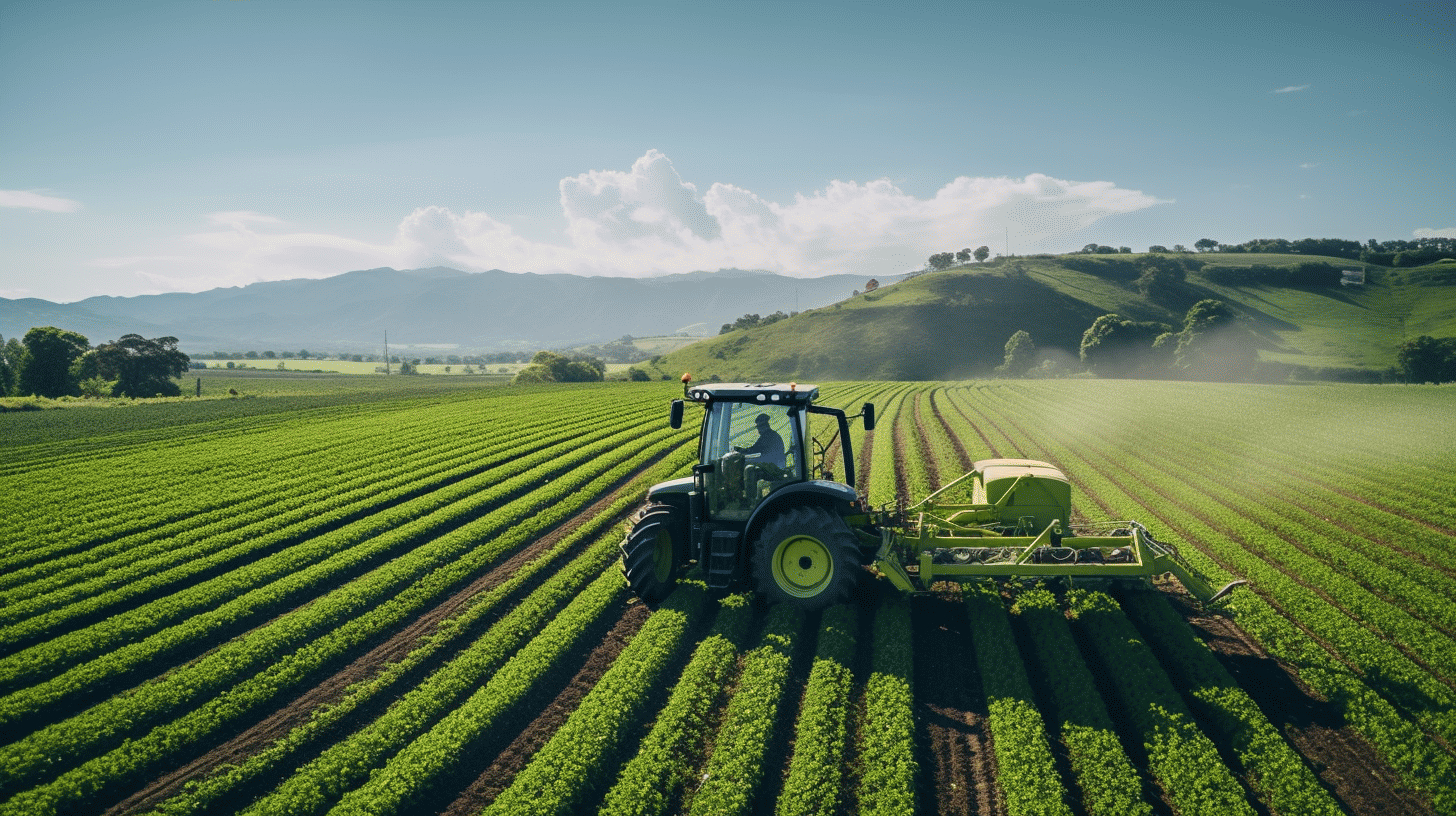
The health of the Earth begins with the health of its soil. Sustainable farmers understand this fundamental truth and prioritize techniques that enhance soil structure. By fostering healthy soil, farmers not only improve crop yield and quality, but also contribute to long-term environmental sustainability. In this article, we will explore various practices and methods that can help farmers maintain and improve soil structure for sustainable farming.
Soil structure refers to the arrangement of soil particles and the spaces between them. It plays a vital role in a range of essential soil functions, such as water retention, nutrient availability, and root growth. Understanding and optimizing soil structure is crucial for sustainable farming practices.
Assessing the current soil structure is the first step towards improving it. By evaluating soil compactness, aggregate stability, and other physical properties, farmers can identify potential problems and implement targeted solutions. Regular assessment allows farmers to monitor changes in soil structure over time and make necessary adjustments to their farming practices.
Once the current soil structure has been assessed, farmers can adopt various practices to maintain and enhance it. Avoiding tilling on wet soil and reducing trips across the field are two such practices that can help prevent compaction and preserve soil structure. These techniques, when combined with other sustainable farming methods, can lead to long-lasting and positive impacts on soil health.
This article will delve into the importance of soil structure in sustainable farming and explore the techniques used to characterize and improve it. By investing time in learning soil processes and implementing soil management techniques, farmers can create a healthier and more productive environment for their crops. Together, let’s uncover the secrets to enhancing soil structure and fostering sustainable farming practices.
Assessing Current Soil Structure
When it comes to farming, the quality of the soil is paramount. One crucial aspect of soil quality is its structure. Assessing the current soil structure is the first step in enhancing soil structure for sustainable farming. By understanding the existing structure, farmers can make informed decisions about soil management practices that will yield optimal results.
Importance of Soil Structure Assessment
Why is it essential to assess soil structure? Well, soil structure directly affects various aspects of farming, such as crop growth, water infiltration, and nutrient availability. Here are a few reasons why assessing soil structure is critical:
- Crop Growth: The arrangement and stability of soil particles influence the penetration of plant roots and their ability to access water and nutrients. A well-structured soil provides a favorable environment for root development, leading to healthy and robust crop growth.
- Water Infiltration: Soil structure affects how water moves through the soil profile. A soil with good structure allows water to infiltrate quickly and evenly, preventing runoff and minimizing erosion. On the other hand, compacted or poorly-structured soil can impede water infiltration, leading to waterlogging and inefficient irrigation.
- Nutrient Availability: Soil structure plays a significant role in nutrient availability for plants. A well-structured soil allows for proper root exploration, facilitating the uptake of essential nutrients. On the contrary, soil with poor structure can limit nutrient accessibility, negatively impacting crop health and productivity.
To assess soil structure effectively, farmers can employ various techniques, including visual observation, physical tests, and laboratory analysis. Visual assessment involves examining the soil’s appearance, looking for signs of compaction, crusting, or aggregation. Physical tests, such as the field texture test or the ribbon test, can provide valuable insights into soil structure.
For a more in-depth analysis, laboratory tests, like the soil permeability test or the soil sieve analysis, can provide precise measurements and data on soil structure and texture. These tests help identify the percentages of sand, silt, and clay in the soil and evaluate its overall stability and drainage capacity.
Once farmers have assessed the current soil structure, they can then implement targeted strategies to improve it. Whether through organic amendments, cover cropping, or conservation tillage practices, enhancing soil structure is a continuous process that leads to healthier soils, better crop yields, and long-term sustainability in agriculture.
Remember, assessing soil structure is the first step in the journey towards sustainable farming practices. By gaining a comprehensive understanding of the soil’s current state, farmers can make informed decisions and implement appropriate measures to enhance soil structure for optimal agricultural outcomes.
Practices to Maintain Soil Structure
When it comes to maintaining healthy soil structure, there are a few key practices that can make a big difference. By taking a mindful approach to your land management, you can ensure that the soil remains fertile and resilient, leading to improved crop yields and environmental sustainability.
Avoiding Tilling on Wet Soil
One crucial practice for maintaining soil structure is to avoid tilling on wet soil. When soil is saturated with water, it becomes compacted and easily damaged. This can disrupt the natural arrangement of soil particles, leading to reduced pore space and poor water infiltration.
Planting or tilling on wet soil can also cause the soil to form clods, which are large, hard masses that are difficult for plant roots to penetrate. As a result, plants may struggle to establish a strong root system and access essential nutrients.
To prevent this, it is best to wait until the soil has adequately dried out before tilling or planting. This allows the soil to retain its natural structure and prevents compaction and clod formation. It is worth noting that certain types of soil, such as clay soils, are more prone to compaction than others. So, it is especially crucial to be cautious when working with such soils.
Reducing Trips Across the Field
Another effective practice to maintain soil structure is to minimize trips across the field. Each time heavy machinery or vehicles traverse the soil, it can cause compaction and disrupt the soil structure. This compaction can lead to reduced soil porosity, increased runoff, and decreased water infiltration rates.
By reducing the number of trips across the field, you can minimize soil compaction and preserve the integrity of the soil structure. Here are a few tips on how to achieve this:
- Plan your field operations carefully and try to combine multiple tasks into a single trip whenever possible.
- Utilize technology such as GPS or precision agriculture tools to optimize machinery paths and avoid unnecessary overlap.
- Consider using wider equipment, such as larger seeders or sprayers, to cover more ground with each pass.
- Implement controlled traffic farming, where vehicles always travel on the same wheel tracks, reducing compaction to specific areas.
By implementing these strategies, you can help foster a healthy soil structure, which is essential for optimal plant growth and overall soil health.
Additional information: Avoid tilling and planting on wet soil to maintain soil structure. Reducing trips across the field can help in enhancing soil structure.
Importance of Soil Structure in Sustainable Farming
The importance of soil structure in sustainable farming cannot be overstated. A well-structured soil not only supports plant growth but also plays a crucial role in maintaining a healthy ecosystem underground. By creating a habitat for soil organisms, promoting root growth, and influencing soil organic carbon (SOC) levels, soil structure directly impacts the overall health and productivity of a farming system.
Creating a Habitat for Soil Organisms
Improving soil structure goes beyond adding fertilizers and other inputs. It involves creating a well-structured soil that provides a suitable habitat for a diverse range of soil organisms. These organisms, including earthworms, insects, bacteria, fungi, and other microorganisms, play a vital role in nutrient cycling, organic matter decomposition, and pest control. A healthy soil structure allows these organisms to thrive, leading to a more resilient and productive farming system.
Relationships with Penetration Resistance and Root Growth
Soil structure is intimately linked to penetration resistance and root growth. Penetration resistance refers to the level of resistance encountered by plant roots as they penetrate the soil. When soils are compacted or have poor structure, roots face difficulties in growing and exploring the soil profile, resulting in stunted growth and reduced nutrient uptake. On the other hand, well-structured soils with good aggregation have better pore spaces, allowing roots to penetrate easily and access necessary water, air, and nutrients.
Role of Soil Organic Carbon (SOC)
Soil organic carbon (SOC) plays a crucial role in maintaining soil structure. SOC is derived from the decomposition of plant and animal residues, and it contributes to soil aggregation. It acts as a “glue” that holds soil particles together, creating stable aggregates. Higher levels of SOC promote better soil structure by improving aggregation, water holding capacity, nutrient availability, and overall soil fertility. Additionally, SOC helps to increase the soil’s resistance to erosion and compaction, leading to more sustainable farming practices.
In conclusion, understanding the importance of soil structure in sustainable farming is essential for maximizing yields, improving soil health, and reducing environmental impact. By creating a habitat for soil organisms, promoting root growth, and enhancing SOC levels, farmers can ensure a thriving and resilient farming system that supports long-term productivity and environmental stewardship. So, it’s crucial for farmers to focus not only on inputs like fertilizers but also on building and maintaining a well-structured soil for sustainable agricultural practices.
Methods Used to Characterize Soil Structure
Size Distribution and Stability of Soil Aggregates
When it comes to understanding soil structure, one essential aspect to consider is the size distribution and stability of soil aggregates. Soil aggregates are groups of soil particles bonded together, and they play a crucial role in various soil processes, including water movement, nutrient availability, and erosion control.
To measure the size distribution and stability of soil aggregates, scientists use a combination of field and laboratory techniques. These methods provide valuable insights into the composition and arrangement of soil particles, giving us a better understanding of soil structure and its impact on soil health and functionality.
Here are some commonly used methods for characterizing the size distribution and stability of soil aggregates:
- Dry and Wet Sieving: This technique involves mechanically separating soil aggregates based on size. Dry sieving is used to determine the coarse fraction (particles larger than 2 mm), while wet sieving is employed to measure the fine fraction (particles smaller than 2 mm). By analyzing the size distribution of soil aggregates, scientists can assess the stability and vulnerability of the soil to erosion.
- Particle Size Analysis: Particle size analysis provides detailed information about the distribution of soil particles across different size fractions. This method involves measuring the particle size based on their diameter or volume. By understanding the particle size distribution, scientists can evaluate the soil’s ability to store and release water, as well as its potential for compaction or permeability.
- Soil Water Stability Test: This test involves agitating soil samples in water to assess the stability of soil aggregates. By measuring the amount of suspended soil particles over time, researchers can determine the aggregate stability index. A higher stability index indicates a more physically stable soil structure, which is desirable for promoting healthy plant growth and preventing erosion.
- Micromorphological Analysis: Micromorphology involves examining soil samples under a microscope to observe the arrangement and spatial distribution of soil particles within aggregates. This technique provides valuable insights into the bonding mechanisms between particles and the overall structure of soil aggregates.
- X-ray Computed Tomography (CT): X-ray CT scanning is a non-destructive imaging technique that allows scientists to visualize the internal structure of soil aggregates in three dimensions. By analyzing CT images, researchers can determine the pore space distribution, particle arrangement, and connectivity within soil aggregates.
Understanding the size distribution and stability of soil aggregates is crucial for optimizing soil management practices and preserving soil health. These methods enable scientists and land managers to monitor soil quality, assess the impact of land use practices, and make informed decisions for sustainable agricultural and environmental management.
“By analyzing the size distribution and stability of soil aggregates, scientists can gain valuable insights into soil structure and its impact on various soil processes, such as water movement and erosion control. These methods, including dry and wet sieving, particle size analysis, soil water stability tests, micromorphological analysis, and X-ray CT scanning, provide a comprehensive understanding of soil aggregates and their importance in soil health and functionality.”
Next in the series: Porosity and Bulk Density of Soil
Learning and Sustainable Soil Management
Investing Time in Learning Soil Processes and Techniques
When it comes to soil management, knowledge is power. Investing time in learning about soil processes and effective techniques can lead to sustainable soil management. By understanding the intricacies of soil and how it functions, you can make informed decisions that promote healthy and productive soil ecosystems.
Here are a few reasons why investing in learning soil processes and techniques is crucial for sustainable soil management:
- Optimizing Nutrient Management: Properly managing nutrients in the soil is essential for healthy plant growth. By understanding soil processes like nutrient cycling and availability, you can fine-tune your fertilizer applications to meet the specific needs of your crops. This not only improves plant nutrition but also minimizes the risk of nutrient runoff and pollution.
- Water Management: Soil plays a crucial role in water retention and infiltration. Learning about soil properties like texture, structure, and organic matter content can help you assess water-holding capacity and drainage characteristics. With this knowledge, you can implement strategies such as cover cropping and conservation tillage to enhance water conservation and reduce the risk of soil erosion.
- Enhancing Soil Health: A healthy soil ecosystem is the foundation of sustainable agriculture. By learning about soil biology, including beneficial microorganisms and their functions, you can promote biological processes that improve soil fertility, structure, and overall health. This, in turn, reduces the reliance on synthetic inputs and promotes long-term sustainability.
- Preventing Soil Degradation: Soil degradation is a significant threat to agricultural productivity and ecosystem services. By learning about soil erosion, compaction, and nutrient depletion, you can identify potential risks and adopt preventive measures. Implementing practices like contour plowing, crop rotation, and soil conservation techniques can help mitigate soil degradation and preserve soil quality for future generations.
Remember, learning about soil processes and techniques is an ongoing journey. Soils vary across regions, and new research and innovations continue to emerge. Stay curious, keep learning, and be open to adapting your practices as new knowledge becomes available.
By investing time in learning soil processes and techniques, you can make informed decisions that contribute to sustainable soil management and pave the way for a resilient and productive agriculture system.
Techniques to Improve Soil Structure
Introduction
Improving soil structure is a critical aspect of sustainable farming practices. Healthy soil structure promotes nutrient availability, water retention, and root growth, ultimately leading to increased crop productivity. In this section, we will explore various techniques that farmers can employ to enhance soil structure and create a thriving ecosystem for their plants.
Improving Water-stable Aggregates
Water-stable aggregates play a crucial role in soil structure by creating a porous environment that allows for the movement of air, water, and plant roots. Here are some techniques to improve water-stable aggregates:
- Mulching: Applying a layer of organic mulch, such as straw or wood chips, helps prevent erosion, reduces the impact of rainfall, and moderates soil temperature. Additionally, organic mulch gradually decomposes, providing a steady supply of nutrients to the soil.
- Adding compost: Incorporating compost into the soil helps improve its structure by increasing its organic matter content. Compost acts as a binding agent, holding soil particles together and promoting the formation of stable aggregates.
- Reducing compaction: Compacted soil hinders root growth and limits water infiltration. Farmers can prevent compaction by avoiding excessive machinery traffic over the field and implementing controlled traffic farming practices.
Deep Compaction
In some cases, deep compaction can occur in the subsoil layers, restricting root growth and nutrient uptake. Here are techniques to address deep compaction:
- Subsoiling: Subsoiling involves breaking up compacted layers in the subsoil using specialized equipment. This technique relieves compaction, improves water infiltration, and allows roots to penetrate deeper into the soil profile.
- Aeration: Soil aeration involves creating channels or holes in the soil to improve air circulation and reduce compaction. This can be done using a handheld tool or a mechanized aerator.
Soil Improvement with Additives
Additives can be used to enhance soil structure by improving its physical properties and nutrient-holding capacity. Some common additives include:
- Gypsum: Gypsum helps improve soil structure by reducing compaction and promoting the formation of stable aggregates. Additionally, it aids in the leaching of excess salts and improves water penetration.
- Biochar: Biochar, a form of charcoal produced from organic waste, improves soil structure by increasing water retention, microbial activity, and nutrient availability. It also sequesters carbon, making it a sustainable option for soil improvement.
Incorporating Organic Matter
Adding organic matter to the soil is an effective way to enhance soil structure. Organic matter improves soil fertility, promotes microbial activity, and increases water-holding capacity. Farmers can incorporate organic matter through:
- Cover crops: Planting cover crops, such as legumes or grasses, helps add organic matter to the soil when they are later tilled under or left as mulch. Cover crops also protect the soil from erosion and provide habitat for beneficial organisms.
- Crop residue management: Leaving crop residues on the soil surface after harvest helps improve soil structure by preventing erosion, suppressing weed growth, and providing a source of organic matter.
Using Cover Crops
Cover crops serve as multi-purpose tools for improving soil structure. They help prevent erosion, suppress weeds, enhance nutrient cycling, and increase organic matter content. Some common cover crops include:
- Legumes: Leguminous cover crops, such as clover or vetch, fix atmospheric nitrogen through a symbiotic relationship with nitrogen-fixing bacteria. This not only adds nutrients to the soil but also improves its structure through the growth of extensive root systems.
- Grasses: Grass cover crops, such as ryegrass or oats, help improve soil structure by adding organic matter, preventing erosion, and creating a protective cover during the winter months.
Investing time and effort in improving soil structure will yield long-term benefits for sustainable farmers. By implementing these techniques, farmers can create a thriving soil ecosystem that supports healthy plant growth and contributes to a more sustainable agricultural system.
“Building healthy soils is key to building healthy farms.” – Unknown
Frequently Asked Questions
- Why is enhancing soil structure important for sustainable farming?
Enhancing soil structure is crucial for sustainable farming as it promotes water drainage, root penetration, nutrient absorption, and overall soil health. It helps to reduce erosion and increase crop productivity.
- What are some techniques to enhance soil structure?
Some techniques to enhance soil structure include practicing crop rotation, adding organic matter through composting and cover cropping, reducing tillage, avoiding soil compaction, and using mulching techniques.
- How does crop rotation help in improving soil structure?
Crop rotation helps improve soil structure by diversifying the root systems of different crops. It reduces the risk of soil-borne diseases, breaks pest life cycles, enhances nutrient cycling, and improves the organic matter content in the soil.
- Why is the addition of organic matter essential for soil structure?
Organic matter improves soil structure by increasing microbial activity, enhancing moisture retention, improving nutrient availability, and promoting soil aggregation. It also helps in preventing soil erosion.
- Is reducing tillage beneficial for soil structure?
Yes, reducing tillage can benefit soil structure. Excessive tillage can disrupt soil aggregates, cause compaction, and lead to erosion. Adopting reduced or no-till practices helps preserve soil structure and promotes overall soil health.