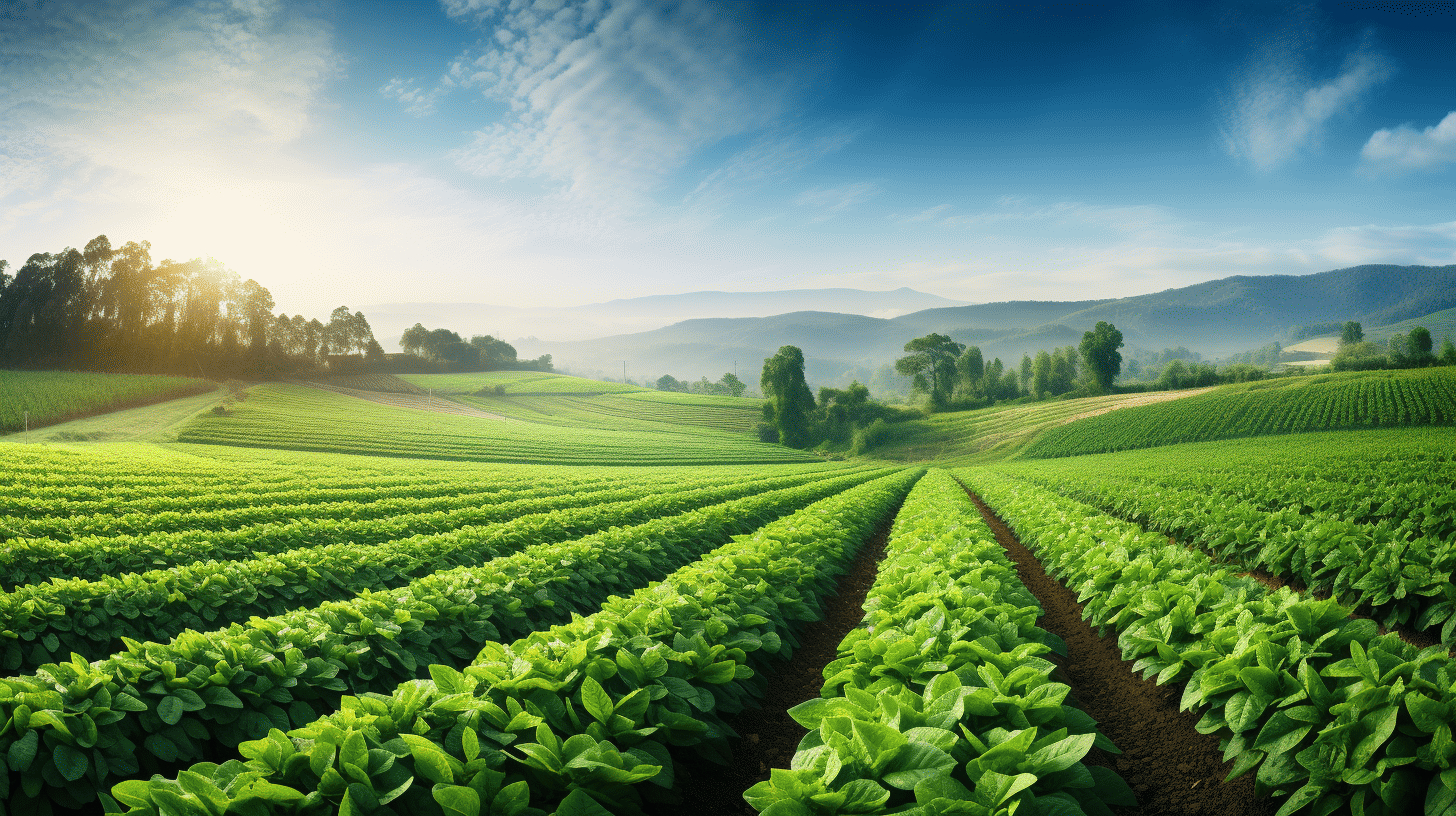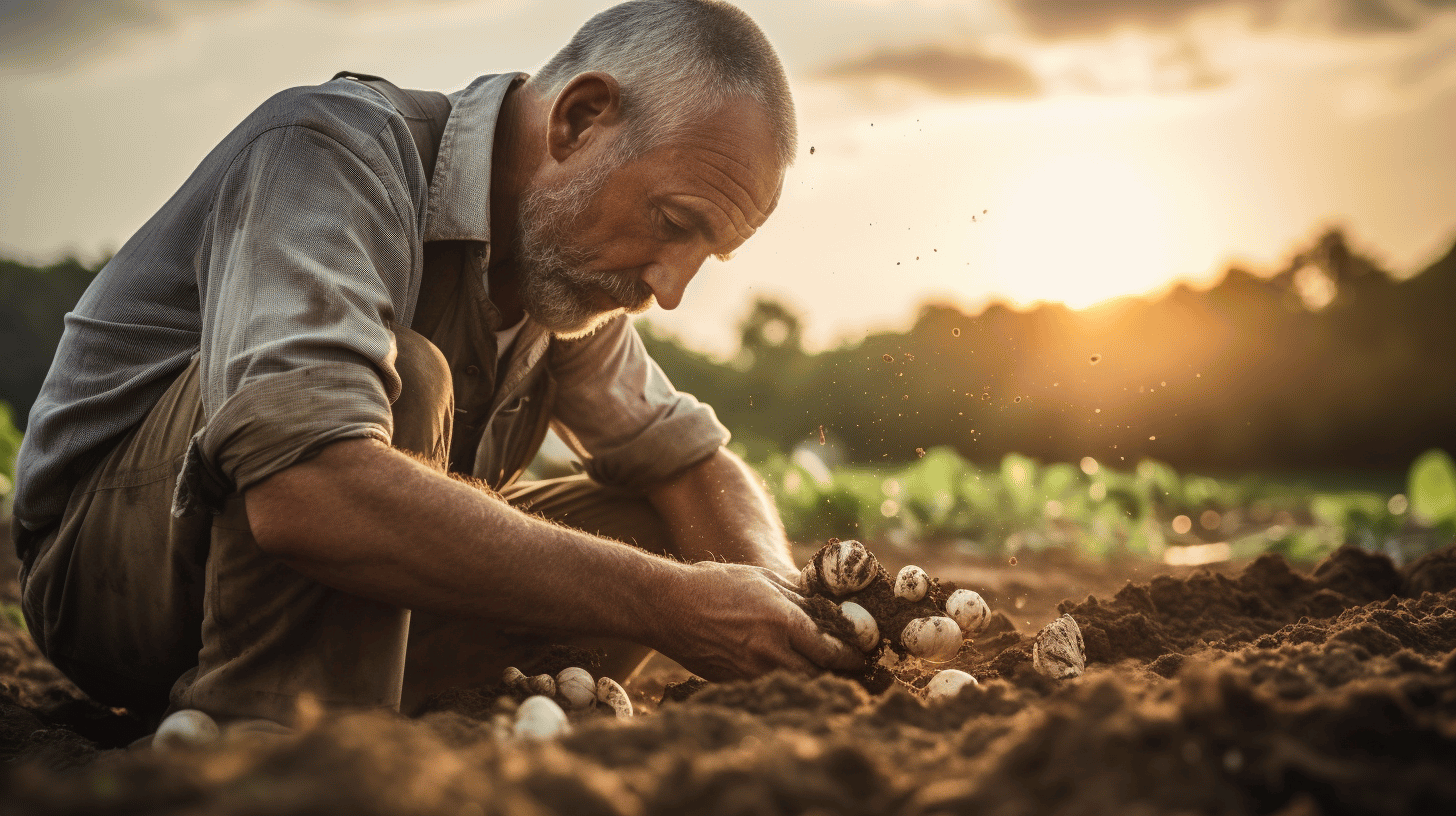
When it comes to sustainable farming practices, one cannot overstate the importance of soil health. Healthy soil is the foundation of successful agriculture, providing essential nutrients, water retention, and a conducive environment for plant growth. In recent years, there has been increasing interest in improving soil health, not only for the benefit of farmers but also for the long-term sustainability of our planet.
In this article, we will explore the essential techniques that farmers can adopt to enhance soil health. From implementing regenerative farming practices to understanding the impact of soil health on global ecosystems, we will delve into the key principles and systems that contribute to sustainable agriculture. By the end of this article, you will have a comprehensive understanding of the strategies that can transform traditional farming methods into regenerative practices that promote soil health and fertility.
So, whether you are an aspiring farmer looking for innovative techniques or an environmentally conscious consumer seeking to support sustainable agriculture, this article will provide valuable insights into improving soil health and its wider implications.
Let’s dive into the world of soil health and discover the techniques that can revolutionize the way we farm for a greener and more sustainable future.
Soil Health Principles and Systems
Unlocking the Potential of Soil with No-till Farming
When it comes to sustainable and environmentally friendly farming practices, no-till farming takes the spotlight. This agricultural technique involves the cultivation of crops without disturbing the soil through tillage. Instead of plowing, farmers directly sow seeds into the undisturbed soil, leaving behind the plant residue from the previous crop.
No-till farming offers a range of benefits that contribute to the overall health and productivity of the soil. Here are a few key advantages:
- Enhanced soil structure: By avoiding tillage, the soil maintains its natural structure. This allows for better water infiltration and retention, reducing the risk of erosion and nutrient runoff.
- Increased organic matter: The plant residue left on the surface gradually decomposes and adds valuable organic matter to the soil. This improves its ability to retain moisture, nutrients, and carbon, creating a thriving ecosystem for microorganisms.
- Reduced soil erosion: With no-till farming, the soil is protected from the erosive forces of wind and water. This preserves the topsoil and prevents nutrient loss, ensuring the long-term fertility of the land.
- Minimized weed pressure: No-till practices can help suppress weed growth by leaving the previous crop residue on the soil surface. This acts as a natural mulch, suppressing weed germination and growth, reducing the need for herbicides.
- Conservation of fuel and labor: Since there is no need for plowing and intensive soil preparation, farmers save energy and reduce their carbon footprint. Moreover, no-till farming can save valuable time and reduce labor costs.
By adopting no-till farming practices, farmers can not only protect the soil and reduce their environmental impact but also improve their bottom line. Studies have shown that using soil health principles can increase net farm income by an average of $65 per acre[1]. With these significant benefits in mind, it is clear why no-till farming is gaining popularity among farmers worldwide.
Comparison of Healthy Soil With Traditionally Farmed Soil
Are you curious about the differences between healthy soil and traditionally farmed soil? In this section, we will explore the exciting world of soil microbial life and how it can impact soil health. So let’s dive in and discover the fascinating details!
Microbial Biomass
When it comes to soil health, microbial biomass plays a crucial role. These microscopic organisms include bacteria, fungi, protozoa, and many others that reside in the soil. The microbial biomass of healthy soil is significantly higher than that of traditionally farmed soil. This is due to several factors, including:
- Organic Matter: Healthy soil tends to have higher organic matter content, which provides a rich food source for microbial life.
- Reduced Chemical Inputs: Traditional farming practices often involve the use of synthetic fertilizers and pesticides, which can negatively impact microbial populations. In contrast, organic farming practices rely on natural inputs, fostering a more robust and diverse microbial community.
Microbial Activity
Beyond the sheer abundance of microbial life, the activity level of these organisms also differs between healthy soil and traditionally farmed soil. Healthy, well-aerated soil provides an optimal environment for microbial activity. This has several benefits, including:
- Nutrient Cycling: Microbes are instrumental in breaking down organic matter and releasing nutrients in forms that plants can readily absorb. In healthy soil, microbial activity contributes to efficient nutrient cycling, ensuring that plants have access to essential elements.
- Disease Suppression: Certain microbial communities in healthy soil have the ability to suppress plant pathogens, reducing the incidence of diseases that can harm crops. This natural defense mechanism is often diminished in traditionally farmed soil, where the use of chemical inputs can disrupt the balance of beneficial organisms.
Diversity
The diversity of soil microbial communities is another aspect that sets apart healthy soil from traditionally farmed soil. A diverse microbial community is desirable for several reasons:
- Resilience: A diverse microbial population is more resilient to environmental changes and disturbances. This can help maintain soil health, even in challenging conditions.
- Ecosystem Functioning: Different microbial species have distinct roles in the soil ecosystem. A diverse community ensures a wide range of ecosystem functions, such as nutrient cycling, decomposition, and carbon sequestration.
In conclusion, organically-farmed soils have greater microbial biomass, activity, and diversity than conventionally farmed soils. These differences play a vital role in soil health, nutrient cycling, and overall ecosystem functioning. By nurturing and promoting a thriving microbial community, we can enhance soil fertility and contribute to sustainable agriculture practices.
Internal Link: To learn more about the benefits of organic farming, check out this article on organic agriculture.
The Potential Impact of Soil Health Practices
Introduction:
Soil health plays a vital role in the success and sustainability of agricultural practices. When soil is healthy, crops thrive, nutrients are efficiently absorbed, and water is stored effectively. However, soil health is often compromised due to intensive farming techniques, leading to a decline in productivity and environmental degradation. Adopting soil health practices can reverse this trend and bring about substantial benefits, both economically and environmentally.
Unlocking the Potential:
Adopting soil health practices on all U.S. corn, soy, and wheat croplands has the potential to unlock significant social benefits. In fact, recent analysis suggests that this could deliver almost $50 billion in social benefits. These benefits encompass a range of areas that are crucial for sustainable agricultural systems and the well-being of both farmers and communities.
Economic Benefits:
When farmers implement soil health practices, they can experience a multitude of economic benefits. These practices enhance soil fertility, reduce the need for synthetic fertilizers and pesticides, and improve crop yields. As a result, farmers can potentially:
- Cut down on input costs: By reducing their reliance on expensive inputs like fertilizers and pesticides, farmers can achieve substantial cost savings. This can improve their overall profitability and financial stability in the long run.
- Boost crop yields: Healthy soils have a greater capacity to retain moisture and provide essential nutrients to plants. As a result, farmers can see a significant increase in crop yields, ensuring a more abundant harvest year after year.
- Diversify income streams: Some soil health practices, such as cover cropping and rotational grazing, can open doors to additional revenue streams. For instance, farmers can sell cover crops for forage or implement agroforestry practices that yield additional products like fruits or timber.
Environmental Benefits:
Aside from economic advantages, adopting soil health practices also has a profound positive impact on the environment. These practices contribute to:
- Enhanced soil carbon storage: Healthy soils capture and store significant amounts of carbon dioxide from the atmosphere, thereby mitigating climate change and its associated impacts.
- Improved water quality: Soil health practices, such as conservation tillage and buffer strips, can prevent soil erosion and the subsequent runoff of harmful pollutants into water bodies. This leads to cleaner water supplies for both agricultural and residential use.
- Preservation of biodiversity: Healthy soils foster a diverse array of organisms, from beneficial insects to earthworms. These soil organisms contribute to the maintenance of biodiversity in both agricultural and adjacent natural ecosystems.
Conclusion:
Adopting soil health practices on a broader scale holds immense potential for improving both the economic well-being of farmers and the overall health of our environment. By focusing on sustainable farming techniques, we can unlock significant social benefits, such as cost savings, increased crop yields, carbon sequestration, and improved water quality. Embracing soil health practices is not only a wise investment for farmers but also a crucial step towards building a more resilient and sustainable agricultural system for future generations.
Global Importance of Maintaining Healthy Soil
Maintaining healthy soil resources is crucial for global efforts and initiatives that affect humanity. Without healthy soil, the world would face numerous challenges that could have far-reaching consequences for the environment, food security, and the overall well-being of people around the globe. Let’s delve into the key reasons why maintaining healthy soil is of utmost importance:
1. Ensuring Food Security
Healthy soil is the foundation of agriculture, providing essential nutrients and a supportive environment for plant growth. By maintaining healthy soil, we can ensure food security for present and future generations. Here’s how:
- Nutrient Cycling: Healthy soil is rich in organic matter and beneficial microorganisms that help break down organic material and release essential nutrients. This nutrient cycling is crucial for plant growth and the production of nutritious food.
- Water Retention: Well-structured soil with plenty of organic matter is better at retaining water, which is vital in regions prone to drought. Adequate water retention ensures that crops have access to water even during dry periods, reducing the risk of crop failure and ensuring a stable food supply.
2. Mitigating Climate Change
Maintaining healthy soil plays a crucial role in mitigating climate change by sequestering carbon dioxide from the atmosphere. Here’s how healthy soil helps in this process:
- Carbon Sequestration: Healthy soil acts as a carbon sink, absorbing and storing carbon dioxide from the atmosphere. Through practices like organic farming, agroforestry, and cover cropping, we can increase organic matter in the soil, which enhances carbon sequestration and reduces greenhouse gas emissions.
- Reduced Soil Erosion: Healthy soil with a well-developed structure and plenty of organic matter is more resistant to erosion. This prevents the loss of topsoil, which contains a significant portion of the carbon stored in soils. By preventing soil erosion, we can maintain carbon stocks and reduce the release of carbon dioxide into the atmosphere.
3. Preserving Biodiversity
Healthy soil is home to a remarkable diversity of organisms, from microscopic bacteria to earthworms and beneficial insects. Preserving biodiversity in the soil is crucial for maintaining ecosystem balance and stability. Here’s why:
- Soil Food Web: The soil is teeming with life, with countless organisms interacting in a complex web of relationships. These organisms are essential for nutrient cycling and healthy ecosystem functioning.
- Beneficial Microorganisms: Healthy soil is a thriving habitat for beneficial microorganisms, such as bacteria and fungi. These microorganisms play crucial roles in nutrient cycling, disease suppression, and plant health.
Conclusion
Maintaining healthy soil is not just an agricultural concern but a global imperative. It is interlinked with food security, climate change mitigation, and biodiversity preservation. By adopting sustainable farming practices, promoting soil conservation, and raising awareness about the importance of healthy soils, we can safeguard the future of our planet and ensure the well-being of generations to come.
Regenerative Farming for Soils
Regenerative farming practices have gained attention for their ability to foster diverse and healthy soil ecosystems. By implementing methods like diverse cropping and no-till techniques, farmers can regenerate the soil’s health and productivity while reducing their environmental impact.
Diverse Crops
One key element of regenerative farming is the cultivation of diverse crops. Instead of relying on monoculture, where the same crop is grown repeatedly, regenerative farmers opt for crop rotation and intercropping. This promotes biodiversity and helps to break pest and disease cycles naturally. By growing a variety of crops, soil health is enhanced in several ways:
- Nutrient Cycling: Different crops have different nutrient requirements, and by rotating crops, farmers can ensure that the soil is replenished with a wide range of nutrients. This reduces the need for synthetic fertilizers and fosters a nutrient-rich soil ecosystem.
- Pest and Disease Management: Monoculture creates an ideal environment for pests and diseases to thrive. On the other hand, diverse crops interrupt the life cycles of pests and diseases, making it more challenging for them to establish and spread.
- Soil Structure: Different crops have different root structures, which can help improve soil structure and reduce erosion. Deep-rooted plants, for example, can help break up compacted soil layers and improve water infiltration.
No-Till Methods
Another crucial aspect of regenerative farming is the implementation of no-till methods. Traditional farming practices often involve plowing and tilling, which disrupts the soil structure, exposes it to erosion, and releases stored carbon into the atmosphere. No-till farming, however, eliminates or minimizes soil disturbance, preserving the integrity of the soil ecosystem. Here are some benefits of adopting no-till methods:
- Soil Erosion Prevention: By leaving the soil undisturbed, no-till farming helps to prevent erosion, protecting the topsoil and retaining valuable nutrients. This is especially important on sloped fields or in areas prone to heavy rainfall.
- Carbon Sequestration: Tilling releases carbon dioxide into the atmosphere, contributing to climate change. No-till farming helps to sequester carbon in the soil, reducing greenhouse gas emissions and mitigating climate change.
- Water Conservation: No-till farming increases water infiltration and retention in the soil. By protecting the soil surface with crop residue, water can be absorbed more efficiently, reducing the need for irrigation and conserving water resources.
By adopting regenerative farming practices such as diverse cropping and no-till methods, farmers can promote soil health, increase biodiversity, and mitigate the impact of agriculture on the environment. These practices not only benefit the soil and the ecosystem but also contribute to the long-term sustainability of farming operations.
Strategies for Soil Health and Fertility
Soil health and fertility are critical factors in successful agriculture. Farmers and gardeners alike know that taking care of the soil is essential for yielding robust and healthy crops. Two strategies that have proven to be effective in improving soil health and fertility are crop rotation and reduced tillage. Let’s explore each of these strategies and understand why they are beneficial for cultivating healthy soil.
Crop Rotation
Crop rotation is a practice that involves growing different crops in a specific sequence in a given area over successive seasons or years. Instead of planting the same crop in the same field year after year, farmers rotate their crops to break disease and pest cycles and improve soil health. Here are some key benefits of implementing crop rotation:
- Improved Nutrient Cycling: Different crops have different nutrient requirements. By rotating crops, farmers can optimize the use of nutrients in the soil. For example, legume crops, like peas or beans, fix nitrogen into the soil, benefiting subsequent crops that require nitrogen.
- Reduced Soil Erosion: Certain crops have deep root systems that help prevent soil erosion. By including these deep-rooted crops in the rotation, farmers can enhance soil structure and reduce erosion, protecting the soil’s integrity.
- Disease and Pest Management: Continuous cultivation of the same crop can lead to a buildup of pests and diseases that specifically target that crop. Rotating crops disrupts these cycles, reducing the risk of pest and disease outbreaks and minimizing the need for chemical interventions.
- Weed Suppression: Crop rotation can help control weeds by disrupting their life cycles. Different crops require different timings and methods of weed control, making it difficult for weeds to establish and multiply.
Reduced Tillage
Reduced tillage, also known as conservation tillage or no-till farming, is a practice that minimizes the amount of soil disturbance during planting and cultivation. Traditionally, tillage involves turning over or breaking up the soil, but reduced tillage takes a different approach. Here are some advantages of reduced tillage:
- Preservation of Soil Structure: By reducing soil disturbance, reduced tillage helps preserve the natural structure of the soil. This structure allows for better water infiltration, root penetration, and nutrient absorption, leading to healthier crops.
- Retention of Organic Matter: Tillage accelerates the decomposition of organic matter in the soil. Reduced tillage helps retain organic matter, which is vital for soil fertility. This organic matter acts as a source of nutrients for plants and improves the soil’s water-holding capacity.
- Reduced Soil Erosion: Tillage loosens the soil, making it more susceptible to erosion by wind and water. By minimizing tillage, farmers can mitigate soil erosion and protect the topsoil, where most of the nutrients and organic matter reside.
- Conservation of Soil Moisture: Reduced tillage helps conserve soil moisture by minimizing soil evaporation. The undisturbed soil acts as a natural mulch, reducing water loss and improving water-use efficiency.
In summary, crop rotation and reduced tillage are valuable strategies for improving soil health and fertility. By implementing these practices, farmers can optimize nutrient cycling, reduce soil erosion, manage pests and diseases more effectively, and improve overall crop yields. Incorporating these strategies into agricultural systems can contribute to sustainable and resilient farming practices.
“Crop rotation and reduced tillage significantly improve soil health and fertility.” [1]
Conclusion
As the importance of soil health becomes increasingly evident, sustainable farmers are embracing regenerative practices to improve the quality and fertility of their soil. By implementing techniques such as no-till farming, cover cropping, and diverse crop rotation, they are revitalizing their land and nurturing a thriving ecosystem beneath their feet.
Regenerative agriculture provides a roadmap for a future where farming and ecology can coexist harmoniously. By prioritizing soil health, farmers can enhance nutrient cycling, increase organic matter content, and promote the growth of beneficial microbes. The impact of these practices extends far beyond the boundaries of individual farms—it has the potential to contribute to global food security, mitigate climate change, and restore biodiversity.
At Regenerative Agriculture Wiki, we are committed to spreading awareness and knowledge about regenerative farming practices. Our platform offers a wealth of resources, from insightful articles to comprehensive guides, designed to empower and inspire individuals and communities to embrace sustainable agriculture. Join us on our mission to cultivate a future where agriculture and ecology thrive in harmony.
Visit Regenerative Agriculture Wiki today to dive deeper into the world of regenerative agriculture and explore how you can contribute to a more sustainable and resilient future. Together, let’s nurture the earth and secure a bountiful harvest for generations to come.
Frequently Asked Questions
- What is soil health and why is it important for sustainable farming?
Soil health refers to the capacity of soil to function as a living ecosystem that sustains plants, animals, and humans. It is important for sustainable farming because healthy soils support nutrient cycling, water filtration, carbon sequestration, and plant growth, leading to higher agricultural productivity and environmental conservation.
- What are some techniques to improve soil health in sustainable farming?
Some techniques to improve soil health in sustainable farming include: 1. Crop rotation and cover cropping, 2. Minimizing tillage and practicing conservation tillage, 3. Implementing organic matter management through composting and mulching, 4. Using organic fertilizers and avoiding excessive chemical inputs, 5. Managing water effectively through irrigation and drainage systems.
- How does crop rotation help in improving soil health?
Crop rotation involves systematically changing the type of crops grown in a field over time. It helps improve soil health by reducing pest and disease pressure, preventing nutrient depletion, enhancing soil structure, and promoting biodiversity above and below the ground.
- What are the advantages of using organic fertilizers for soil health?
Using organic fertilizers benefits soil health by improving soil structure, boosting microbial activity, promoting nutrient availability in a slow-release manner, reducing the risk of nutrient leaching, and minimizing harm to the environment and human health.
- How can farmers manage water effectively for better soil health?
Farmers can manage water effectively for better soil health by implementing proper irrigation techniques like drip irrigation or precision sprinklers, avoiding over-irrigation and waterlogging, maintaining proper drainage systems to prevent water accumulation, and promoting water conservation practices.