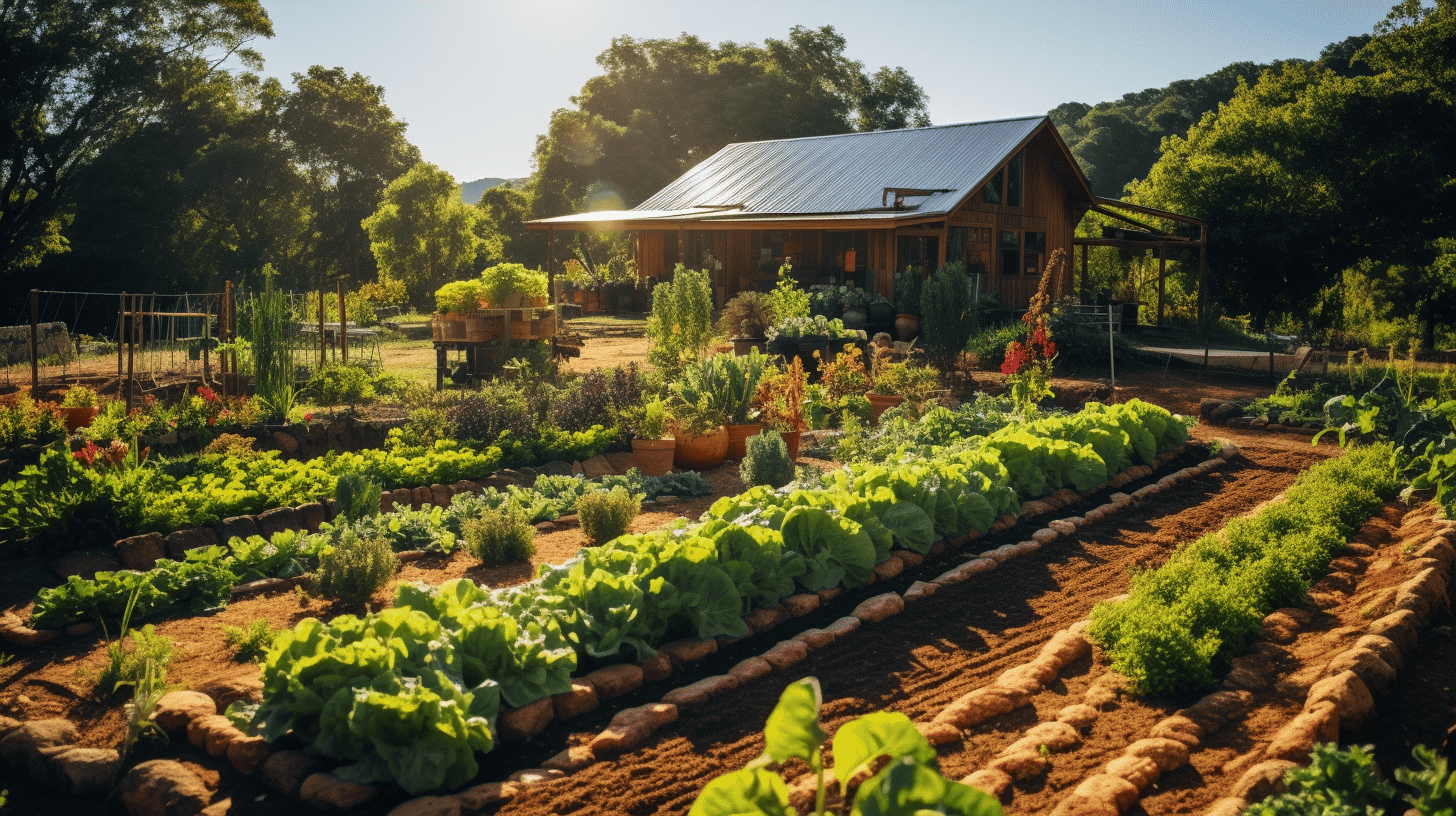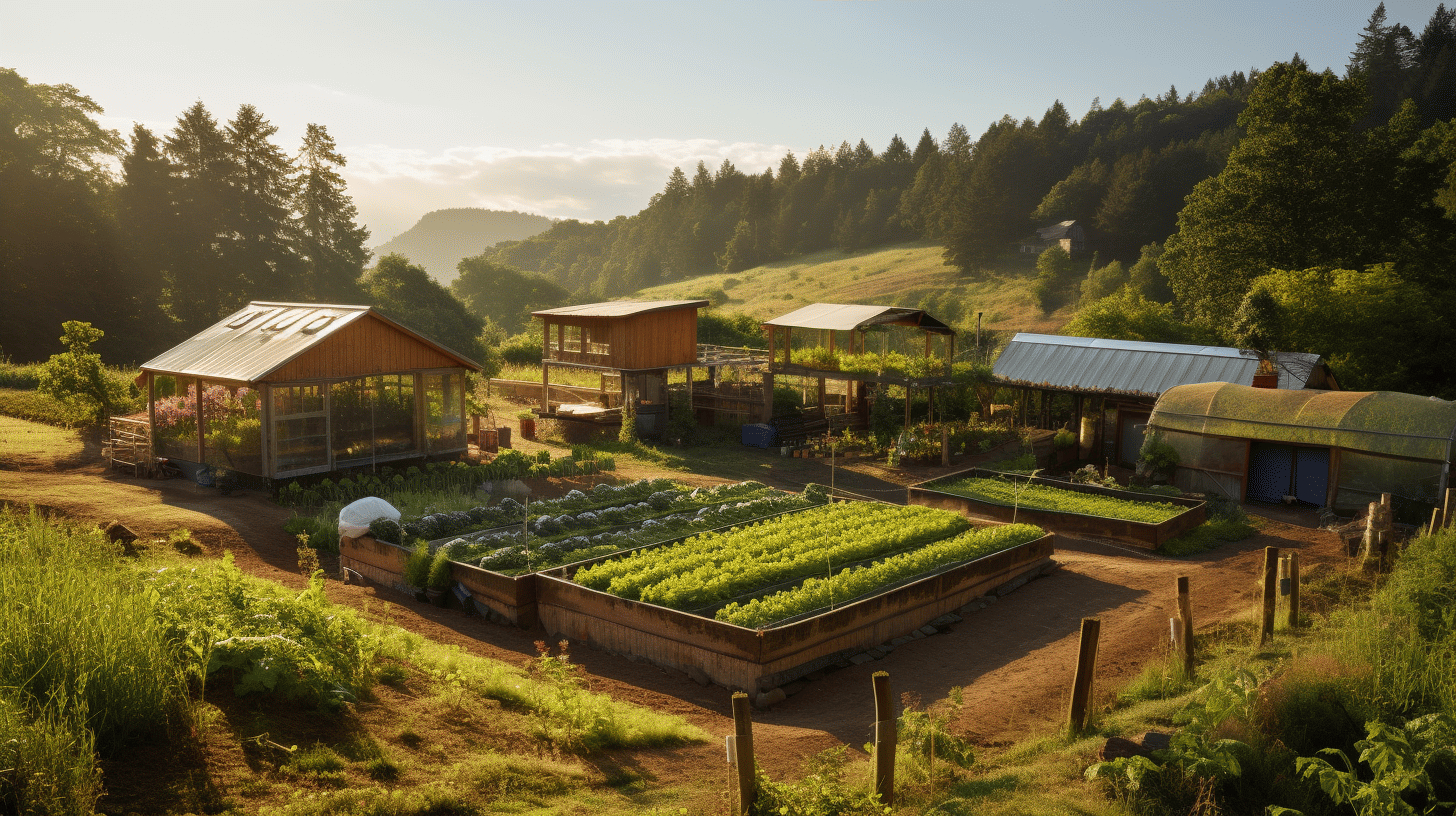
Permaculture design has gained significant attention in recent years as a sustainable approach to agriculture and land management. Its principles, which combine ecological design, system thinking, and sustainable practices, aim to create harmonious and resilient ecosystems.
One of the key areas where permaculture can make a substantial impact is soil structure and fertility. Soil health is the foundation of successful agriculture, and by improving soil structure and fertility, permaculture can enhance the productivity and sustainability of farming systems.
Through thoughtful land use and management practices, permaculture offers a range of benefits, including increased soil organic matter, improved water infiltration, enhanced nutrient availability, and reduced soil erosion. These benefits, in turn, lead to better plant growth, increased biodiversity, and overall ecosystem health.
In this article, we will explore the ways permaculture can improve soil structure and fertility, highlighting its impact on soil physical properties, the use of cover crops and mulching, conservation tillage techniques, and the restoration of the soil food web. Additionally, we will discuss how permaculture can contribute to reducing soil acidity, while offering other important benefits such as climate change mitigation and animal habitat provision.
Get ready to delve into the fascinating world of permaculture and discover how its principles can transform the way we approach soil management. By the end of this article, you’ll have a deeper understanding of how permaculture can be a game-changer in sustainable agriculture. So let’s jump right in!
Increasing Soil Organic Matter through Permaculture
Permaculture, an approach rooted in sustainable design principles, offers a promising solution for enhancing soil organic matter (SOM) storage and modifying the distribution of SOM in aggregate fractions. By implementing permaculture practices, farmers and gardeners can work in harmony with nature to maximize the benefits of organic matter in the soil.
Enhanced SOM Storage
One of the key advantages of permaculture is its ability to increase SOM storage in the soil. Here’s how permaculture practices contribute to this:
- Mulching: Mulching involves covering the soil with a layer of organic material, such as straw, leaves, or wood chips. This creates a protective barrier that helps retain moisture and prevents the erosion of topsoil. As the organic mulch breaks down, it adds organic matter to the soil, increasing SOM content.
- Composting: Composting plays a central role in permaculture systems. By composting organic waste, such as kitchen scraps, plant residues, and animal manure, gardeners can create nutrient-rich compost that enhances soil fertility and increases SOM levels. The addition of compost also improves soil structure, water-holding capacity, and nutrient availability.
- Cover cropping: Cover crops, also known as green manure, are planted to cover the soil between cash crop rotations. Cover crops not only protect the soil from erosion but also contribute to SOM accumulation. They capture atmospheric carbon dioxide through photosynthesis and incorporate it into the soil as organic matter when they decompose.
Modified SOM Distribution
In addition to increasing overall SOM storage, permaculture also has the potential to modify the distribution of SOM within different aggregate fractions. Here’s how this works:
- Agroforestry: Agroforestry, a core component of permaculture, involves incorporating trees into agricultural systems. Trees have an extensive root system that can penetrate deep into the soil, allowing them to access nutrients and organic matter stored in the lower layers. As trees shed leaves and woody debris, they contribute to the build-up of organic matter in the deeper soil horizons.
- Intercropping and Polyculture: Permaculture promotes intercropping and polyculture, which involve growing different crops together in the same area. This diversity of plants creates a more complex root system and facilitates the exchange of nutrients and organic matter between different types of plants. As a result, SOM distribution becomes more evenly spread throughout the soil profile.
- No-till and Conservation Agriculture: Permaculture emphasizes minimal disturbance of the soil through practices like no-till and conservation agriculture. By reducing or eliminating tillage, organic matter is protected from decomposition and can accumulate in the topsoil layers. This helps establish a stable and nutrient-rich environment for soil microorganisms, which further contributes to SOM distribution.
As you can see, permaculture offers practical techniques that enhance SOM storage and modify its distribution within the soil. Implementing these methods not only improves soil health and fertility but also supports long-term sustainability and resilience in agriculture and gardening practices. By embracing permaculture principles, we can create a healthier planet, one soil particle at a time.
Impact of No-till Agriculture
Increased Water Infiltration
One of the key advantages of no-till agriculture is its ability to enhance water infiltration in the soil. When the soil is undisturbed, it creates a stable structure that allows water to penetrate deeply and evenly. This has several positive effects:
- Reduced runoff: Without tillage, water is less likely to flow over the surface and carry away valuable topsoil and nutrients. Instead, it can seep into the ground, replenishing the groundwater and minimizing the risk of erosion.
- Improved water holding capacity: The increased water infiltration provided by no-till agriculture allows the soil to store more moisture, ensuring that crops have access to water during periods of drought. This can be particularly beneficial in regions prone to dry spells or with limited water resources.
- Enhanced soil structure: The lack of tillage helps to preserve the natural structure of the soil, preventing the formation of compacted layers. This enables roots to penetrate deeper, facilitating nutrient uptake and promoting healthier plant growth.
Improved Organic Matter Retention
Another advantage of no-till agriculture is its positive impact on organic matter retention within the soil. Organic matter is essential for maintaining soil fertility and productivity, and no-till farming practices help to preserve and build up this valuable resource. Here’s how it works:
- Reduced decomposition: When soil is tilled, it exposes organic matter to oxygen, accelerating decomposition and releasing carbon dioxide into the atmosphere. By minimizing disturbance, no-till agriculture slows down the breakdown of organic matter, allowing it to accumulate over time.
- Increased carbon sequestration: Organic matter is rich in carbon, and when it is trapped in the soil, it acts as a carbon sink, helping to mitigate climate change by removing carbon dioxide from the atmosphere. No-till agriculture facilitates the accumulation of carbon in the soil, contributing to carbon sequestration efforts.
- Enhanced soil fertility: Organic matter serves as a source of nutrients for plants, and its retention in the soil improves fertility. This leads to healthier crops with better yields and reduces the need for synthetic fertilizers, resulting in cost savings for farmers.
In summary, no-till agriculture offers a range of benefits, including increased water infiltration and improved organic matter retention. By practicing reduced soil disturbance, farmers can not only promote healthier soils but also contribute to environmental sustainability and long-term agricultural productivity. It’s clear that adopting no-till practices is a win-win situation for both farmers and the planet.
Enhancing Plant Nutrient Availability
Permaculture is a holistic approach to agriculture and gardening that aims to create sustainable and regenerative systems. It focuses on enhancing soil health and biodiversity, which ultimately leads to increased plant nutrient availability. By implementing permaculture practices, gardeners and farmers can create nutrient-rich soils that support the growth and productivity of plants.
Increased Water Holding Capacity
One of the key benefits of permaculture is its ability to improve the water holding capacity of the soil. This means that the soil can retain moisture for longer periods, reducing water stress for plants and improving their overall health and vitality. Here’s how permaculture helps increase water holding capacity:
- Organic Matter: Permaculture promotes the incorporation of organic matter into the soil. This includes things like compost, mulch, and cover crops. Organic matter acts like a sponge, absorbing and holding onto water, preventing it from being lost through evaporation or runoff.
- Mulching: Mulching is a common permaculture practice that involves covering the soil surface with a layer of organic material, such as straw or wood chips. This layer acts as a protective barrier, reducing moisture loss through evaporation and preventing soil erosion.
- Swales and Contouring: Permaculture design often includes the creation of swales, which are shallow ditches or trenches dug along contour lines. These swales capture and hold water, allowing it to percolate into the soil and recharge the groundwater. This helps maintain a consistent water supply for plants.
Improved Organic Matter Content
Another way permaculture enhances plant nutrient availability is by improving the organic matter content in the soil. Organic matter, such as decomposed plant and animal residues, contributes to the overall fertility of the soil. Here’s how permaculture helps increase organic matter content:
- Composting: Composting is a fundamental practice in permaculture. It involves the decomposition of organic materials, such as food scraps, leaves, and grass clippings, to create nutrient-rich compost. Adding compost to the soil helps improve its structure, water-holding capacity, and nutrient content.
- Cover Cropping: Permaculture encourages the use of cover crops, sometimes called green manure, to increase organic matter in the soil. Cover crops are planted between crop cycles to protect and nourish the soil. When they are eventually cut or tilled under, they add essential nutrients and organic matter back into the soil.
- No-Till Farming: Permaculture advocates for minimal disturbance to the soil through techniques like no-till farming. By avoiding excessive tilling, the soil structure remains intact, and the organic matter is preserved. This promotes the activity of beneficial organisms, such as earthworms and microorganisms, which break down organic matter and make nutrients more available to plants.
Permaculture truly embodies the principle of working with nature rather than against it. By focusing on enhancing soil health, permaculture practices lead to increased plant nutrient availability, improved water holding capacity, and higher organic matter content in the soil. These benefits not only support the growth and productivity of plants but also contribute to the overall resilience and sustainability of our agricultural systems.
Improving Soil Structure and Fertility
When it comes to cultivating a successful garden or farm, one of the most important factors to consider is the quality of the soil. The structure and fertility of the soil greatly influence the growth and health of plants. Fortunately, there are several ways to improve soil structure and fertility, leading to more thriving and productive vegetation.
Better Water Infiltration
One of the key benefits of improving soil structure is better water infiltration. When the soil is compacted or poorly structured, water tends to run off the surface instead of being absorbed. This can lead to water wastage and inadequate hydration for plants. By implementing permaculture practices, such as adding organic matter, mulching, and avoiding excessive tilling, soil structure can be significantly improved. This encourages water to penetrate deeper into the soil, making it more available to plant roots.
Enhanced Nutrient Availability
Another advantage of improving soil structure is enhanced nutrient availability. Nutrients are crucial for plant growth and development, and they are typically present in the soil. However, if the soil is compacted or lacking in organic matter, it becomes difficult for plants to access these nutrients. By improving soil structure through permaculture techniques, nutrients can be more effectively retained and accessed by plant roots. This leads to healthier and more nourished plants, resulting in increased yields.
Overall Soil Health Improvement
Improving soil structure through permaculture also has a wider impact on overall soil health. By incorporating organic matter, such as compost, into the soil, microorganisms and beneficial organisms are encouraged to thrive. These organisms play a vital role in breaking down organic matter and releasing nutrients in a form that plants can absorb. Additionally, the increased organic matter helps to improve soil aeration and drainage, creating an environment that is conducive to the growth of beneficial soil organisms. This results in a healthier and more resilient soil ecosystem.
In conclusion, improving soil structure through permaculture practices has a multitude of benefits, including better water infiltration, enhanced nutrient availability, and overall soil health improvement. By implementing these techniques, gardeners and farmers can create a fertile environment that supports the growth and vitality of their plants. So, let’s get started and transform our soil into a thriving haven for our green friends!
Permaculture and Soil Physical Properties
Permaculture practices have gained popularity not only for their sustainable and ecological benefits, but also for their positive impact on soil physical properties. By implementing permaculture techniques, landowners and gardeners can improve the structure and health of their soil, leading to more productive and resilient ecosystems. In this section, we will explore three key ways in which permaculture practices contribute to the improvement of soil physical properties.
Improved Aggregate Stability
One of the significant benefits of permaculture practices is the promotion of improved aggregate stability in the soil. Aggregates are clusters of soil particles that are held together by organic matter, microbial activity, and plant roots. These aggregates play a crucial role in soil structure and stability, allowing for better water infiltration, root penetration, and nutrient availability.
During the implementation of permaculture principles, such as the use of cover crops, mulching, and composting, organic matter accumulates in the soil. This organic matter acts as a binding agent, facilitating the formation of stable soil aggregates. As a result, the soil becomes more resistant to erosion, compaction, and nutrient leaching, creating a favorable environment for plant growth and soil microbial activity.
Increased Porosity
Permaculture practices also contribute to increased soil porosity. Porosity refers to the amount of open space or pore space in the soil, which is essential for water movement, root penetration, and gas exchange. Adequate soil porosity allows water to infiltrate and be stored in the soil, reducing surface runoff and minimizing the risk of flooding.
By incorporating permaculture techniques such as no-till farming, agroforestry, and contour plowing, soil compaction is minimized, leading to improved porosity. These practices prevent heavy machinery from compacting the soil and encourage the growth of deep-rooted plants that create channels and spaces for water and air movement. As a result, the soil becomes more permeable, allowing for better water absorption and storage, which is crucial during periods of drought or heavy rainfall.
Enhanced Water Storage Capacity
An important aspect of permaculture is water management, and one of the ways it achieves this is by enhancing the water storage capacity of the soil. The ability of soil to retain water influences plant growth, drought resistance, and overall ecosystem resilience.
Permaculture techniques such as the creation of swales, terracing, and the use of rainwater harvesting systems help direct and retain water within the landscape. When water is slowed down and allowed to infiltrate the soil, it not only reduces runoff and erosion but also gets stored in the soil profile. This increased water storage capacity is beneficial during dry spells when plants can access the moisture that would otherwise be lost.
Permaculture practices offer a holistic approach to soil management that goes beyond traditional agriculture. By improving aggregate stability, increasing soil porosity, and enhancing water storage capacity, permaculture enthusiasts contribute to the overall health and productivity of the soil. This, in turn, supports the growth of resilient ecosystems and fosters sustainable food production.
Reducing Soil Compaction and Erosion
Permaculture techniques are becoming increasingly popular in sustainable farming practices as they offer a holistic approach to reducing soil compaction and erosion. By implementing permaculture principles, farmers can not only improve soil structure but also increase soil carbon levels, leading to long-lasting benefits for the land. In this section, we will explore two key ways permaculture can help in reducing soil compaction and erosion: improved soil structure and increased soil carbon levels.
Improved Soil Structure
Soil compaction occurs when the soil particles are pressed together, reducing pore space and limiting the movement of air, water, and nutrients. This can impede root growth, decrease water infiltration, and contribute to erosion. However, through permaculture techniques, such as the use of cover crops and minimum tillage, farmers can enhance soil structure and mitigate these issues.
- Cover crops: Planting cover crops like legumes or grasses can help improve soil structure by adding organic matter to the soil. The roots of cover crops penetrate the soil, creating channels for air and water movement, loosening compacted areas, and reducing erosion risk.
- Minimum tillage: Limiting the disturbance of soil through minimum tillage practices can significantly reduce soil compaction. Instead of plowing the entire field, farmers only disturb the top layer, preserving the soil’s natural structure and promoting healthier root development.
Increased Soil Carbon Levels
Another significant aspect of permaculture’s impact on reducing soil compaction and erosion is the increase in soil carbon levels. Carbon is a vital component of soil health, as it improves soil structure, water-holding capacity, and nutrient availability. By following permaculture principles, farmers can implement practices that promote a higher carbon content in the soil.
- Organic matter additions: Permaculture encourages the addition of organic matter, such as compost, manure, and mulch, to the soil. These materials break down over time, releasing carbon into the soil and improving its overall fertility. Increased organic matter also enhances the soil’s ability to resist compaction.
- Agroforestry systems: Incorporating trees and woody perennials into farming systems can have a profound impact on soil carbon levels. Trees capture and store carbon dioxide from the atmosphere, directing it into the soil through their roots and leaf litter. This process, known as carbon sequestration, helps to build up organic matter and improve soil structure.
In conclusion, permaculture techniques offer a sustainable approach to reducing soil compaction and erosion. By implementing practices that improve soil structure and increase soil carbon levels, farmers can enhance the health and resilience of their land. Whether through cover cropping and minimum tillage or through organic matter additions and agroforestry systems, permaculture provides valuable solutions for maintaining healthy soils and mitigating the effects of compaction and erosion.
Cover Crops in Permaculture
Enhanced Soil Fertility
Cover crops in permaculture systems can play a crucial role in enhancing soil fertility. By incorporating a variety of cover crops into the rotation, permaculturists can introduce a plethora of benefits to their soil. Here are a few ways in which cover crops contribute to improved soil fertility:
- Nitrogen Fixation: Certain cover crops, such as legumes like clover and vetch, have the exceptional ability to fix atmospheric nitrogen into a form that plants can readily use. This process, known as nitrogen fixation, can significantly increase the nitrogen content in the soil, promoting healthy plant growth.
- Organic Matter: Cover crops, when left to decompose or incorporated into the soil, serve as an essential source of organic matter. As they break down, the cover crop residues gradually release valuable nutrients into the soil, creating a favorable environment for microbial activity and enhancing soil structure.
- Soil Erosion Prevention: Cover crops act as a natural protective blanket for the soil, shielding it from erosion caused by wind and water. Their dense foliage intercepts rainfall, reducing its impact on the soil surface and preventing nutrient runoff. This, in turn, helps to retain the valuable topsoil, which is crucial for maintaining fertility.
- Weed Suppression: Intensively grown cover crops can outcompete weeds for resources such as light, water, and nutrients. Their vigorous growth shades the soil and inhibits weed emergence, reducing the need for chemical herbicides. By minimizing weed competition, cover crops allow desirable plants to thrive and maximize their nutrient uptake.
Cover crops offer multiple benefits to permaculture systems, ranging from nitrogen fixation and organic matter addition to erosion prevention and weed suppression. These practices work harmoniously to improve soil fertility and create a sustainable foundation for plant growth.
Added Nutrients and Organic Matter
Permaculture systems strive to maintain a healthy balance of nutrients in the soil, ensuring that plants have access to the necessary elements for growth. Cover crops act as nature’s nutrient providers, contributing to the soil’s nutrient content in the following ways:
- Phosphorus Accumulation: Some cover crops, like legumes, have the ability to accumulate phosphorus in their tissues. When these cover crops are incorporated into the soil, they release the stored phosphorus, making it available to other plants. This helps in replenishing the phosphorus levels in the soil, which is vital for root development, energy transfer, and overall plant health.
- Enhanced Micronutrient Availability: Cover crops with deep root systems help to extract micronutrients from deeper soil layers. When these nutrients are released back into the topsoil through cover crop residue decomposition, they become more accessible to other plants. This natural recycling process promotes balanced nutrient availability and reduces the risk of deficiencies.
- Balanced Carbon-to-Nitrogen Ratio: The incorporation of cover crops with diverse compositions can help in maintaining a balanced carbon-to-nitrogen (C:N) ratio in the soil. A suitable C:N ratio is crucial for decomposition processes and the release of nutrients. Legume cover crops with low C:N ratios provide a nitrogen-rich input, balancing out high-carbon materials in the soil and avoiding nitrogen tie-up.
By consistently incorporating cover crops into the permaculture system, permaculturists can harness the power of these plants to naturally enrich the soil with a variety of nutrients and organic matter.
Remember, healthy soil is the foundation of a successful permaculture garden, and cover crops are an invaluable tool in achieving and maintaining soil fertility.
Use of Mulching in Permaculture
Mulching is a powerful permaculture technique for improving soil structure and moisture retention. It involves covering the soil surface with a layer of organic material, such as leaves, straw, wood chips, or compost. This layer acts as a protective blanket, providing a range of benefits for plants, microorganisms, and the overall ecosystem. In this article, we will explore two key advantages of mulching in permaculture: improved soil structure and enhanced moisture retention.
Improved Soil Structure
Mulching plays a significant role in promoting better soil structure in permaculture systems. Here’s how it works:
- Prevents Soil Erosion: By covering the soil surface, mulch helps to protect the soil from wind and water erosion. It acts as a barrier, preventing the loss of topsoil and the valuable nutrients contained within it.
- Promotes Aggregation: The presence of mulch creates favorable conditions for the formation of soil aggregates. These aggregates are essential for healthy soil structure as they improve soil porosity, allowing air, water, and nutrients to permeate the soil more easily.
- Reduces Compaction: Mulch acts as a cushioning layer, reducing the impact of heavy rain or foot traffic on the soil. This helps to prevent soil compaction, which can hinder root growth and restrict the movement of air and water through the soil profile.
By improving soil structure, mulching creates a more favorable environment for plant roots to penetrate and access essential resources, resulting in healthier and more productive plants.
Enhanced Moisture Retention
In permaculture, water is a precious resource, and mulching can greatly contribute to its conservation. Here’s how mulching enhances moisture retention:
- Reduces Evaporation: A layer of mulch acts as a barrier between the soil and the atmosphere, reducing the rate of evaporation. It helps to maintain soil moisture levels, especially during dry and hot periods, when water evaporation is most significant.
- Conserves Water: Mulch acts like a sponge, absorbing and holding moisture in the soil. This allows water to be stored in the root zone for longer, making it available to plants when they need it most. Mulch also helps to reduce the frequency and duration of irrigation, saving water in the long run.
- Regulates Soil Temperature: Mulch acts as insulation for the soil, moderating temperature extremes. It keeps the soil cooler in hot weather and warmer in cold weather, creating a more stable environment for plant roots.
By enhancing moisture retention, mulching creates a more resilient and water-efficient permaculture system, reducing the need for supplemental irrigation and conserving this precious resource.
In conclusion, mulching is a valuable technique in permaculture for improving soil structure and enhancing moisture retention. By incorporating mulching into your permaculture practices, you can create a healthier and more productive ecosystem. So go ahead, grab some organic material, and start mulching your way to a thriving permaculture garden!
Conservation Tillage
Conservation tillage is an essential practice in modern agriculture that aims to minimize soil disturbance and maximize the preservation of key resources. By using conservation tillage techniques, farmers can contribute to long-term sustainability and enhance soil health. One of the significant benefits of conservation tillage is its positive impact on soil water conservation. Let’s take a closer look at how conservation tillage practices help save soil water.
Soil Water Conservation
When it comes to water management in agriculture, conservation tillage plays a crucial role. By implementing conservation tillage practices, farmers can effectively retain soil moisture and reduce water runoff. Here’s how it works:
- Reduced soil erosion: Conservation tillage techniques involve minimal soil disturbance. Instead of plowing the soil entirely, farmers leave crop residues on the surface. This residue acts as a protective layer, shielding the soil from erosion by wind and water. With less erosion, soil water content remains intact, resulting in improved water availability for crops.
- Enhanced infiltration: The residue left on the soil surface from conservation tillage acts as a natural barrier, preventing rainwater from rapidly runoff. Instead, the water is absorbed into the soil, promoting better infiltration. As a result, the soil can retain more water, ensuring that crops have a steady supply throughout the growing season.
- Reduced evaporation: In traditional tillage methods, soil is turned over, exposing more of its surface area to the air. This increased exposure leads to accelerated evaporation, causing water loss from the soil. Conservation tillage practices, on the other hand, keep the soil surface covered with crop residues, reducing evaporation rates and preserving soil water content.
By employing conservation tillage practices, farmers can make a significant impact on soil water conservation. Not only does this benefit the environment, but it also has various advantages for farmers, such as improved crop yields, reduced irrigation needs, and lower water costs.
“Incorporating conservation tillage practices can significantly contribute to saving soil water and enhancing the overall sustainability of farming.”
Additional Permaculture Benefits
When it comes to permaculture, the benefits go far beyond just sustainable food production. This holistic approach to land management encompasses a wide range of practices that not only improve soil fertility but also promote water conservation, mitigate climate change, and provide habitats for animals. Let’s take a closer look at these additional benefits of permaculture:
Soil Fertility Improvement
One of the primary goals of permaculture is to enhance the health and vitality of the soil. By implementing techniques such as composting, mulching, and cover cropping, permaculturists work to build and maintain nutrient-rich soils. This not only increases the productivity of the land, but also improves its ability to retain water and sequester carbon. Plus, healthy soil fosters a thriving ecosystem of beneficial microorganisms, insects, and worms that help break down organic matter and make nutrients more available to plants.
Water Conservation
In a world where water scarcity is becoming increasingly prevalent, permaculture offers innovative solutions for conserving this precious resource. By incorporating practices such as rainwater harvesting, swales, and water-efficient irrigation systems, permaculturists can minimize water runoff and maximize its utilization within the ecosystem. By design, permaculture systems are meant to retain and infiltrate water into the ground, replenishing aquifers and supporting the growth of vegetation naturally. This not only reduces the need for external water inputs but also helps mitigate the risks of drought and desertification.
Climate Change Mitigation
Permaculture plays a crucial role in addressing climate change by sequestering carbon and reducing greenhouse gas emissions. Through practices like agroforestry, which involves integrating trees and crops, permaculturists can capture and store significant amounts of carbon in both plant biomass and the soil. Additionally, by minimizing the use of synthetic fertilizers and pesticides, permaculture decreases the release of greenhouse gases associated with their production. These climate-smart practices not only help mitigate climate change but also contribute to the overall resilience and sustainability of agricultural systems.
Animal Habitat Provision
Permaculture systems are designed to mimic natural ecosystems, providing diverse and abundant habitats for a variety of animal species. By incorporating elements like hedgerows, ponds, and pollinator gardens, permaculturists create welcoming environments that attract wildlife, including birds, butterflies, and beneficial insects. These animals play crucial roles in pollination, pest control, and nutrient cycling, contributing to the overall health and balance of the ecosystem. Furthermore, by adopting animal husbandry practices that prioritize animal welfare and mimic natural behaviors, permaculture promotes ethical and sustainable ways of raising livestock.
In conclusion, permaculture offers a multitude of benefits beyond sustainable food production. By improving soil fertility, conserving water resources, mitigating climate change, and providing habitats for animals, permaculture has the potential to transform our landscapes and create resilient and thriving ecosystems. Whether you’re a gardener, farmer, or nature enthusiast, embracing the principles of permaculture can make a positive impact on both the environment and our communities. So why not explore the world of permaculture and discover the countless ways it can benefit us all?
Additional Information: Permaculture offers solutions for soil fertility, water conservation, climate change mitigation, and animal habitat.
Soil Food Web Restoration
The soil food web plays a crucial role in maintaining the health and fertility of our agricultural lands. It consists of a complex network of organisms, including bacteria, fungi, protozoa, nematodes, earthworms, and insects, all working together to break down organic matter, cycle nutrients, control pests, and create a fertile soil environment.
Restoring the soil food web through permaculture practices is gaining recognition as a sustainable approach to agriculture. By focusing on regenerative techniques, farmers can rebuild the natural balance of the soil ecosystem, leading to increased productivity and profitability. Let’s explore two key benefits associated with soil food web restoration.
Increased Agriculture Productivity
1. Nutrient Cycling: In a healthy soil food web, organisms collaborate to break down organic matter, releasing essential nutrients that plants require for growth. This nutrient cycling process ensures that nutrients are continuously recycled and made available to plants, reducing the need for synthetic fertilizers. As a result, crops grown in soils with a restored soil food web experience improved nutrient uptake, leading to increased productivity.
2. Soil Structure: The presence of beneficial organisms like earthworms and fungi in the soil food web contributes to the development of healthy soil structure. Their activities enhance soil aggregation, allowing for better water infiltration and root penetration. As a result, plants grown in soils with improved structure have access to a larger volume of soil, leading to better water and nutrient uptake and ultimately higher yields.
Improved Agriculture Profitability
1. Reduced Input Costs: One of the significant advantages of soil food web restoration is the potential for reduced reliance on costly inputs, such as synthetic fertilizers, pesticides, and herbicides. As the soil food web becomes more robust, the need for these external inputs decreases. Farmers adopting permaculture practices can realize significant savings on expensive inputs, thereby improving their profitability.
2. Resilient Pest Management: A diverse and balanced soil food web helps maintain pest populations at manageable levels. Predatory organisms, such as beneficial nematodes and predatory insects, thrive in a healthy soil ecosystem and can effectively control pests naturally. This reduced reliance on chemical interventions not only saves costs for farmers but also promotes a more sustainable approach to pest management.
In conclusion, restoring the soil food web through permaculture practices brings numerous benefits to agriculture. By rebuilding the natural balance of the soil ecosystem, farmers can increase productivity, reduce input costs, and enhance sustainability. Embracing soil food web restoration is not only a smart ecological choice but also a financially viable strategy for farmers striving to achieve long-term success in agriculture.
Reducing Soil Acidity
Soil acidity can be a major hindrance to optimal plant growth and crop productivity. It affects the availability of essential nutrients and can lead to nutrient deficiencies and reduced yields. However, there are various practices that can help reduce soil acidity and improve overall soil fertility. In this section, we will explore two effective methods: the use of livestock and the benefits of compost manure.
Use of Livestock
One practical way to reduce soil acidity is by incorporating livestock into farming systems. Livestock, such as cattle, can contribute to soil improvement in several ways:
- Manure production: Livestock produce manure, which is a valuable source of organic matter for the soil. Organic matter helps improve soil structure, water-holding capacity, and nutrient availability. When manure is added to acidic soils, it can help neutralize the acidity over time.
- Grazing: Livestock grazing can help promote a diverse plant community, including legumes. Legumes have the unique ability to fix atmospheric nitrogen, which increases soil fertility by providing a readily available source of nitrogen for plants. As legumes grow and die, they release nitrogen and organic matter into the soil, helping to neutralize acidity.
- Animal impact: Livestock movement and trampling can also improve soil structure by breaking down compacted soil layers and promoting better water infiltration. This can be particularly beneficial in acidic soils that tend to be compacted and poorly drained.
By integrating livestock into farming systems, farmers can effectively reduce soil acidity and improve the overall health and fertility of their soils.
Benefits of Compost Manure
Another effective method for reducing soil acidity is the use of compost manure. Composting is a natural process where organic materials, such as crop residues and animal manure, are decomposed by microorganisms. The resulting compost is a nutrient-rich, humus-like substance that can be added to the soil to improve its fertility and pH balance.
Here are some benefits of using compost manure to reduce soil acidity:
- pH buffering: Compost has the ability to buffer soil pH, meaning it can prevent large swings in soil acidity. By adding compost to acidic soils, farmers can help stabilize the pH and create a more favorable environment for plant growth.
- Nutrient availability: Compost is rich in essential nutrients, such as nitrogen, phosphorus, and potassium, which are released slowly over time. This gradual release ensures a steady supply of nutrients to plants and helps prevent nutrient deficiencies commonly associated with acidic soils.
- Organic matter addition: Compost is a valuable source of organic matter, which improves soil structure and promotes beneficial microbial activity. Organic matter also acts as a sponge, holding moisture and nutrients in the soil, making them more available to plants.
Incorporating compost manure into soil management practices can have long-lasting effects on soil fertility and pH balance, ultimately leading to healthier, more productive crops.
Permaculture practices, such as adding livestock and compost manure, can help reduce soil acidity and improve fertility. By implementing these methods, farmers can create a more balanced and sustainable farming system that benefits both the soil and the plants it supports.
Conclusion
In conclusion, permaculture design is a powerful approach for improving soil structure and fertility. By implementing regenerative practices such as no-till agriculture, cover cropping, mulching, and conservation tillage, farmers and gardeners can enhance soil organic matter, increase water infiltration, improve nutrient availability, and reduce soil compaction and erosion. These techniques not only benefit soil health but also contribute to water conservation, climate change mitigation, and the provision of habitat for beneficial animals.
By adopting permaculture principles, individuals can support sustainable and regenerative farming practices that foster a future where agriculture and ecology thrive in harmony. The potential of regenerative agriculture is vast, and it offers a holistic solution to ensure food security, protect the environment, and create resilient ecosystems.
To learn more about the transformative power of regenerative agriculture and explore in-depth guides and insights, visit Regenerative Agriculture Wiki.
Frequently Asked Questions
- What is permaculture design?
Permaculture design is an approach to sustainable and holistic land management that mimics natural ecosystems and focuses on creating regenerative systems that provide for human needs while benefiting the environment.
- How can permaculture design improve soil structure?
Permaculture design can improve soil structure by incorporating practices such as minimal tillage, mulching, cover cropping, and the use of organic matter. These techniques help promote soil aggregation, water retention, and nutrient cycling, resulting in healthier and more fertile soil.
- What are some permaculture techniques for enhancing soil fertility?
Permaculture techniques for enhancing soil fertility include composting, vermiculture (worm composting), green manure cover cropping, biochar application, and incorporating diverse plant species. These practices enrich the soil with organic matter, improve nutrient availability, and encourage beneficial microbial activity.
- Can permaculture design be applied in both rural and urban settings?
Yes, permaculture design principles can be applied in both rural and urban settings. While rural permaculture may involve large-scale food production and land management, urban permaculture focuses on community gardens, rooftop gardens, vertical farming, and creative use of limited space to grow food and improve the environment.
- What are the benefits of using permaculture design for soil improvement?
Using permaculture design for soil improvement offers numerous benefits, including increased soil fertility, enhanced water retention, reduced erosion, improved biodiversity, decreased reliance on synthetic fertilizers and pesticides, and long-term sustainability. It also helps create resilient and productive ecosystems.