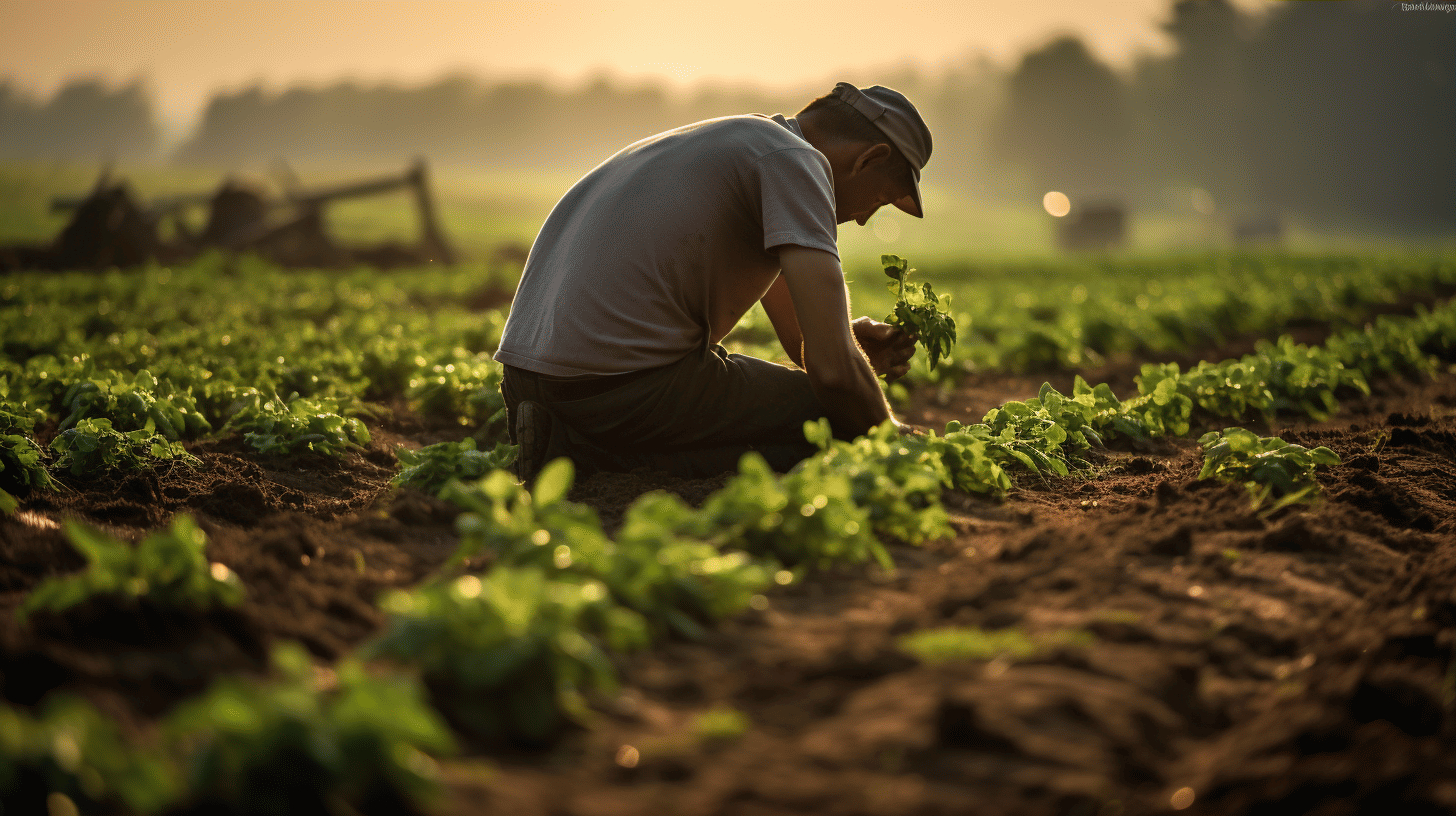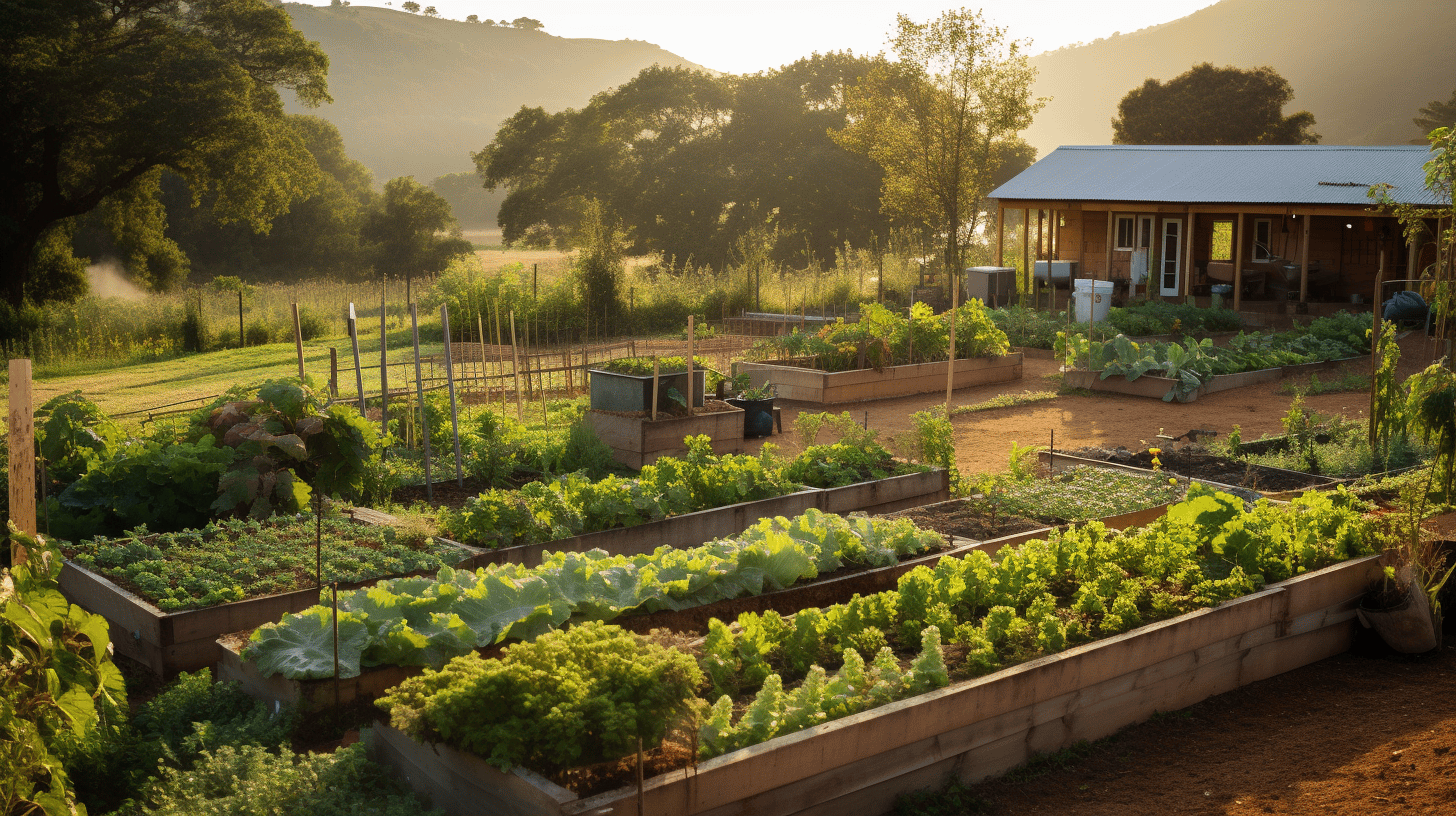
Sustainable farming has gained significant traction in recent years as more farmers recognize the importance of adopting environmentally-friendly practices while maintaining profitable operations.
In this article, we explore the world of permaculture and sustainable farming, uncovering valuable tips and tricks to help farmers succeed in creating sustainable, regenerative systems. We’ll also dive into emerging technologies that are revolutionizing the agriculture industry and discuss key techniques for sustainable farming. Plus, we’ll take a glimpse into the future of sustainable agriculture and highlight exciting trends on the horizon.
Whether you’re an experienced farmer looking to enhance your sustainable practices or someone interested in learning more about the future of farming, this article is for you. Let’s delve into the world of permaculture and discover how sustainable farming is shaping the future of agriculture.
Overview of Permaculture and Sustainable Farming
Permaculture and sustainable farming have been gaining traction in recent years as more people recognize the importance of creating harmonious and regenerative systems that work with nature rather than against it. This innovative approach to farming combines traditional knowledge with modern techniques to create resilient and productive ecosystems.
Did you know?
- More than 70% of young farmers plan to use permaculture techniques.
- There are now 10,000 permaculture farms in the US.
- Permaculture at a local level ensures food security and can recreate natural ecosystems.
- The global sustainable agriculture market size is valued at $13.32 billion in 2022 and predicted to reach $31.35 billion by 2031.
What is Permaculture?
Permaculture is a design system that aims to create sustainable and self-sufficient ecosystems that mimic the patterns and resilience of natural ecosystems. It was developed in the 1970s by Bill Mollison and David Holmgren and has since gained popularity worldwide.
At the core of permaculture lies the principle of care for the Earth, care for people, and fair share. It emphasizes the importance of observing and working with nature’s patterns to create diverse and interconnected systems that meet human needs while restoring and regenerating the land.
Key Principles of Permaculture
Permaculture is guided by a set of principles that help farmers and gardeners design and manage their land effectively. These principles include:
- Observe and Interact: By closely observing and understanding the natural processes in our environment, we can design more efficient and sustainable systems.
- Catch and Store Energy: Permaculture seeks to capture and use energy from the sun, wind, water, and other natural sources to provide power and resources for our needs.
- Obtain a Yield: Permaculture emphasizes the importance of creating systems that provide abundant yields of food, energy, and other resources.
- Apply Self-regulation and Accept Feedback: By continuously monitoring and assessing our systems, we can make necessary adjustments and improvements for better outcomes.
- Use and Value Renewable Resources: Permaculture encourages the use of renewable resources and materials to minimize waste and promote sustainability.
Benefits of Permaculture and Sustainable Farming
Permaculture and sustainable farming offer a range of benefits for both the environment and the people who practice it. Some of the key benefits include:
- Environmental Regeneration: By working with nature’s patterns, permaculture can restore degraded ecosystems, increase biodiversity, conserve water, and improve soil health.
- Food Security: Local permaculture initiatives can ensure a steady supply of fresh and nutritious food, reducing dependency on external sources.
- Climate Resilience: Permaculture techniques, such as water harvesting and agroforestry, help build resilience against climate change by providing natural solutions to mitigate its impacts.
- Community Empowerment: Permaculture promotes community engagement, collaboration, and knowledge sharing, fostering stronger and more resilient communities.
In conclusion, permaculture and sustainable farming offer a holistic and regenerative approach to agriculture that can help address the challenges posed by unsustainable farming practices. By embracing these principles and techniques, we can create resilient, productive, and environmentally conscious food systems for a better future.
Note: The statistics mentioned in this section are based on current trends and market research data.
Benefits and Impacts of Sustainable Farming Practices
Sustainable farming practices have gained increasing attention and recognition for their positive impacts on the environment, animals, and people. As traditional agricultural methods have taken a toll on our natural resources and ecosystems, sustainable farming offers a solution that promotes long-term ecological balance while also supporting economic viability for farmers.
Environmental Impact
One of the most significant benefits of sustainable farming practices is their positive impact on the environment. By adopting sustainable methods, farmers can:
- Protect soil health: Sustainable farming practices prioritize soil conservation through techniques such as crop rotation, cover cropping, and reduced tillage. These practices help to prevent erosion, retain soil moisture, and improve soil fertility.
- Enhance biodiversity: Sustainable farming encourages the use of diverse crops and the preservation of natural habitats on farms. This creates a rich ecosystem that supports a wide variety of plant and animal species, leading to increased biodiversity and a more resilient and balanced ecosystem.
- Reduce water pollution: Sustainable farmers adopt practices that minimize the use of synthetic pesticides and fertilizers, reducing the risk of water pollution from agricultural runoff. Additionally, they implement water-efficient irrigation systems, preventing water wastage and ensuring the conservation of this vital resource.
- Mitigate greenhouse gas emissions: Sustainable farming practices prioritize the reduction of greenhouse gas emissions, contributing to climate change mitigation. Techniques like organic farming, agroforestry, and the use of renewable energy on farms help to minimize the carbon footprint of agricultural activities.
The Role of Farmers
Farmers play a crucial role in driving the transition towards sustainable farming practices. However, despite their willingness to adopt sustainable methods, many farmers face significant challenges in doing so. These challenges include:
- Lack of incentives: Farmers often face financial barriers and a lack of incentives to transition to sustainable practices. Traditional farming methods, which heavily rely on synthetic inputs, can appear more economically viable in the short term. In order to encourage wider adoption of sustainable farming, policymakers and stakeholders need to provide farmers with financial and technical support, ensuring a smooth transition to sustainable practices.
- Access to knowledge and training: Farmers require access to up-to-date information, training, and resources on sustainable farming practices. Providing educational programs and agricultural extension services can help farmers gain the knowledge and skills needed to successfully implement sustainable methods on their farms.
- Market demand: Sustainable farming practices require a market that values and rewards environmentally friendly products. It is crucial to create market mechanisms that incentivize consumers to choose sustainably produced food, ensuring a fair price for farmers who invest in sustainable practices.
Revival of Traditional Farming Practices
In recent years, there has been a growing interest in reviving traditional farming practices as part of the sustainable agriculture movement. Traditional farming methods, rooted in indigenous knowledge and practices, offer valuable insights into sustainable and regenerative practices. By integrating traditional techniques such as agroforestry, crop diversity, and natural pest control, farmers can achieve sustainable crop production while preserving cultural heritage and improving food security.
In conclusion, sustainable farming practices offer numerous benefits, ranging from environmental conservation to economic viability. By implementing sustainable techniques and supporting farmers in this transition, we can create a more resilient and environmentally friendly agricultural system that benefits both the present and future generations.
Emerging Technologies in Sustainable Agriculture
As the global population continues to grow and the demand for food increases, the agricultural industry faces significant challenges. Fortunately, advancements in technology are transforming the way we approach agriculture, making it more sustainable and efficient. In this article, we will explore three emerging technologies that are revolutionizing the field of sustainable agriculture.
Use of Drones
Drones, once limited to military applications and aerial photography, are increasingly being used in agriculture for various tasks. These unmanned aerial vehicles (UAVs) have the potential to revolutionize farming practices by providing valuable data and assisting farmers in making informed decisions. Here are some ways in which drones are being utilized in sustainable agriculture:
- Crop monitoring: Drones equipped with specialized sensors can capture high-resolution images of crops, allowing farmers to assess the health and growth of plants. By detecting early signs of stress or disease, farmers can take proactive measures to prevent crop losses and minimize the use of pesticides.
- Precision spraying: Drones equipped with precision spraying systems can accurately apply fertilizers or pesticides to specific areas of a field. This targeted approach reduces chemical usage, saves costs, and minimizes environmental impact.
- Mapping and surveying: Drones can quickly and accurately create detailed maps of farmland, helping farmers identify areas that require irrigation, drainage, or soil management interventions. This data can optimize resource allocation, improve crop yields, and minimize water usage.
The Internet of Things (IoT)
The Internet of Things (IoT) is considered an emerging technology for sustainable agriculture. It involves connecting various devices and sensors through the internet, allowing for real-time data collection and analysis. In the context of agriculture, IoT can provide numerous benefits:
- Smart irrigation: IoT-enabled sensors placed in the field can monitor soil moisture levels, weather conditions, and crop water requirements. This data can be transmitted to a central system, which can then automate irrigation systems, ensuring that crops receive the right amount of water at the right time. By avoiding over-irrigation, farmers can conserve water and reduce energy consumption.
- Livestock monitoring: Through the use of IoT devices, farmers can remotely monitor the health, location, and behavior of their livestock. This enables early detection of diseases, helps prevent livestock theft, and optimizes feeding and management practices.
- Supply chain optimization: IoT technologies can track agricultural products throughout the supply chain, from farm to table. This data can help reduce food waste, improve logistics, and ensure product quality and safety.
Best Management Practices and Precision Agriculture
Beyond specific technologies, implementing best management practices and adopting precision agriculture techniques can greatly enhance sustainability in agriculture. Here are some key aspects of this approach:
- Soil health management: Precise soil analysis enables farmers to optimize fertilization plans, reduce nutrient runoff, and improve soil health. This includes practices such as soil testing, variable rate application of fertilizers, and cover cropping.
- Data-driven decision making: Using real-time data from sensors, satellites, and drones, farmers can make data-driven decisions to optimize resource utilization, minimize waste, and maximize productivity.
- Crop rotation and diversification: Crop rotation and diversification can improve soil health, reduce pest and weed pressures, and enhance overall farm resilience.
By harnessing emerging technologies, such as drones and IoT, and adopting best management practices, the agricultural sector can achieve sustainable and efficient food production. As we continue to innovate, it is crucial to embrace these advancements and invest in research and development to ensure a prosperous and sustainable future for agriculture.
Key Sustainable Farming Techniques
Sustainable farming techniques are crucial for the health and longevity of our planet. They prioritize the well-being of the environment, promote biodiversity, and ensure the long-term productivity of the land. In this section, we will explore some of the key sustainable farming techniques that farmers around the world are implementing to cultivate crops and raise livestock in a more eco-friendly manner.
Composting, Organic Amendments, and Cover Crops
Composting, organic amendments, and cover crops play a vital role in sustainable agriculture. Here’s why:
- Composting: It involves converting organic waste, such as kitchen scraps, yard trimmings, and animal manure, into nutrient-rich compost. This natural fertilizer improves soil structure, enhances water retention, and promotes healthy plant growth.
- Organic Amendments: Farmers often use organic amendments like compost, manure, and biochar to replenish soil nutrients. By avoiding synthetic chemicals, these amendments support beneficial soil organisms, reduce erosion, and enhance soil fertility and overall soil health.
- Cover Crops: Cover crops are planted during fallow periods or in between main cash crops. They protect the soil from erosion, suppress weeds, improve soil fertility, and enrich organic matter content. Cover crops help prevent nutrient runoff, enhance soil microbial activity, and promote a balanced ecosystem.
Crop Rotation
Another fundamental sustainable farming technique is crop rotation. This practice involves planting different crops in a specific sequence on the same piece of land over time. Here’s why crop rotation is essential:
- Crop rotation helps break disease and pest cycles, reducing the need for pesticides and ensuring healthier plants.
- Different crops have diverse nutrient requirements, and rotating them helps maintain soil fertility and prevent nutrient depletion.
- It improves soil structure, increases microbial diversity, and enhances water infiltration, leading to more sustainable and productive agricultural systems.
Grass-fed Cattle Grazing and Permaculture
Sustainable farming techniques aren’t just limited to crop production; they also encompass livestock management and holistic systems. Two practices that stand out are grass-fed cattle grazing and permaculture. Here’s why they are gaining popularity:
- Grass-fed Cattle Grazing: Raising cattle on pasture land allows them to roam freely, consume a natural grass-based diet, and promotes healthy soil and vegetation. It reduces the environmental impact of confined animal feeding operations (CAFOs) and improves animal welfare.
- Permaculture: Permaculture is a holistic approach that mimics natural ecosystems. By designing integrated systems that maximize resource efficiency and minimize waste, permaculture farming methods work hand in hand with grass-fed cattle grazing. They promote biodiversity, increase soil fertility, conserve water, and create sustainable food systems.
Rainwater Collection
Sustainable farmers embrace rainwater collection as a natural and eco-friendly way to water their crops. Here’s why it’s valuable:
- Collecting and storing rainwater reduces reliance on groundwater sources, which contributes to the depletion of aquifers.
- Rainwater is naturally free of chemicals found in tap water, providing a healthier option for plants and reducing the risk of water pollution.
- It helps conserve water resources, especially in regions prone to droughts, and ensures a more sustainable and resilient farming system.
Hügelkultur, Sheet Mulching, and No-Till Gardening
Incorporating hügelkultur, sheet mulching, and no-till gardening practices can significantly benefit sustainable farming. Here’s why:
- Hügelkultur: This permaculture technique involves creating raised garden beds using decomposing wood logs, branches, and other organic materials. It improves soil structure, retains moisture, provides long-term fertility, and reduces the need for irrigation and synthetic fertilizers.
- Sheet Mulching: Also known as lasagna gardening, this method involves layering organic materials like cardboard, compost, straw, and leaves. It suppresses weeds, retains moisture, enriches the soil, and promotes a healthy soil ecosystem.
- No-Till Gardening: Avoiding tillage in farming minimizes soil disturbance, preserves soil structure, enhances organic matter content, and reduces erosion. No-till gardening helps sequester carbon, promotes water infiltration, and supports a thriving soil food web.
Permaculture Design Principles
Lastly, permaculture design principles guide sustainable farming practices. They include:
- Observation: Assessing and understanding the natural environment, climate, and ecosystem dynamics in order to plan sustainable agricultural systems.
- Functional Diversity: Incorporating a variety of crops, livestock, and other elements that interact synergistically to create a balanced and productive ecosystem.
- Resource Efficiency: Maximizing the use of resources and minimizing waste by designing integrated systems that work together harmoniously.
- Stewardship: Taking responsibility for the land, water, and biodiversity by adopting practices that promote long-term ecological health and sustainability.
By implementing these sustainable farming techniques, farmers can contribute to the conservation of natural resources, promote healthier ecosystems, and ensure a more sustainable future for agriculture.
Future Trends in Sustainable Agriculture
Sustainable agriculture is an ever-evolving field, constantly adapting to new technologies and strategies to meet the growing demand for environmentally-friendly food production. As we look ahead to the future of sustainable agriculture, one trend that has garnered significant attention is regenerative agriculture. Recently, this innovative approach was a topic of discussion at the Future Fabrics Expo 2023, where experts gathered to explore the potential of regenerative practices in improving environmental sustainability within the textile industry.
Discussion on Regenerative Agriculture at Future Fabrics Expo 2023
At the Future Fabrics Expo 2023, sustainability leaders, researchers, and business professionals came together to discuss the role of regenerative agriculture in building a more sustainable future for the textile industry. With a focus on the environmental impact of textile production, the expo aimed to explore the potential of regenerative practices in mitigating some of the negative effects associated with traditional farming methods.
Regenerative agriculture is an approach that goes beyond traditional sustainability efforts. It seeks to not only minimize the negative environmental impact of farming but also actively restore and regenerate the ecosystem. By focusing on soil health, biodiversity, and carbon sequestration, regenerative agriculture aims to create a positive cycle of environmental renewal and resilience.
During the discussions at the Future Fabrics Expo 2023, experts delved into the various benefits and challenges associated with regenerative agriculture. Here are some key insights shared during the expo:
- Improved Soil Health: By implementing regenerative practices such as cover cropping, crop rotation, and reduced tillage, farmers can contribute to the overall health and fertility of the soil. This, in turn, improves nutrient availability, water retention, and resilience to pests and diseases.
- Enhanced Biodiversity: Regenerative agriculture encourages the cultivation of diverse crops and the protection of natural habitats. This helps to promote biodiversity, as it provides a favorable environment for beneficial insects, birds, and other wildlife. Increased biodiversity contributes to overall ecosystem health and resilience.
- Carbon Sequestration: One of the significant advantages of regenerative agriculture is its potential to sequester carbon dioxide from the atmosphere and store it in the soil. Through practices like agroforestry, cover cropping, and holistic grazing, farmers can enhance carbon sequestration capacity, helping to mitigate climate change.
- Community and Economic Benefits: Regenerative agriculture can also have positive impacts on local communities and economies. By diversifying their crops and implementing sustainable practices, farmers can create more resilient food systems, foster economic opportunities, and improve food security.
Overall, the Future Fabrics Expo 2023 shed light on the growing importance of regenerative agriculture in the textile industry. By adopting these practices, businesses have the potential to reduce their environmental impact while creating a positive ripple effect throughout the supply chain. As we move forward, it is essential for academia, industry, and policymakers to collaborate and support the widespread adoption of regenerative agriculture to build a more sustainable future for agriculture and beyond.
Conclusion
In conclusion, sustainable farming practices are crucial for the future of agriculture and the health of our planet. By adopting permaculture techniques and embracing emerging technologies, farmers can optimize their operations, minimize their environmental footprint, and improve their yields.
The benefits and impacts of sustainable farming practices are far-reaching. Not only do these practices help protect the environment and preserve natural resources, but they also provide economic and social benefits for farmers and communities. By implementing composting, organic amendments, and cover crops, farmers can enhance soil fertility and reduce the need for chemical fertilizers and pesticides. Crop rotation helps to prevent soil erosion and control pests, while grass-fed cattle grazing and permaculture integration promote biodiversity and create more resilient farming systems.
The use of emerging technologies like drones and the Internet of Things (IoT) offer farmers valuable tools for data collection, analysis, and decision-making. These technologies enable farmers to monitor crop health, optimize irrigation, and detect anomalies in real-time, leading to more efficient use of resources and higher crop yields. Best management practices and precision agriculture, including the use of machine learning algorithms, further enhance farming operations and reduce waste.
Looking ahead, the future of sustainable agriculture holds promising advancements. The discussion on regenerative agriculture at Future Fabrics Expo 2023 is a prime example of how industries are coming together to explore innovative farming practices that heal the environment while meeting global demand for food and fiber. As the world faces challenges such as climate change and the need to feed a growing population, sustainable farming will continue to evolve and play a crucial role in building resilient, environmentally friendly, and productive food systems.
Incorporating permaculture design principles and sustainable farming techniques not only benefits farmers and the environment, but it also promotes healthier ecosystems, stronger communities, and a more sustainable future for generations to come. With a holistic approach to agriculture that considers ecological and social factors, sustainable farming is a path towards a more resilient and regenerative future. By adopting these practices and embracing emerging technologies, farmers around the world have the opportunity to make a positive impact on the planet while ensuring a steady supply of food for generations to come.
Let us embark on this journey together and work towards a sustainable and thriving future for agriculture and our planet.
Frequently Asked Questions
- What is permaculture?
Permaculture is an approach to designing and establishing sustainable systems that mimic natural ecosystems. It aims to create self-sufficient agricultural systems that are both environmentally and economically viable.
- What are some key principles of permaculture?
Some key principles of permaculture include observing and interacting with nature, capturing and conserving energy, producing no waste, using renewable resources, and promoting diversity and resilience.
- How can permaculture benefit sustainable farming?
Permaculture encourages sustainable farming practices such as organic gardening, companion planting, soil conservation, water harvesting, and natural pest control. It helps create a balanced and harmonious ecosystem that supports long-term agricultural productivity.
- Can I apply permaculture principles to a small-scale farm?
Yes, permaculture principles can be applied to farms of various sizes, including small-scale farms. In fact, permaculture is often more easily implemented in smaller areas as it allows for greater attention to detail and intensive land management.
- Are there any permaculture certification programs available?
Yes, there are several permaculture certification programs available that provide comprehensive education and training in permaculture design and implementation. These programs can help individuals become certified permaculture practitioners and apply their knowledge to sustainable farming practices.