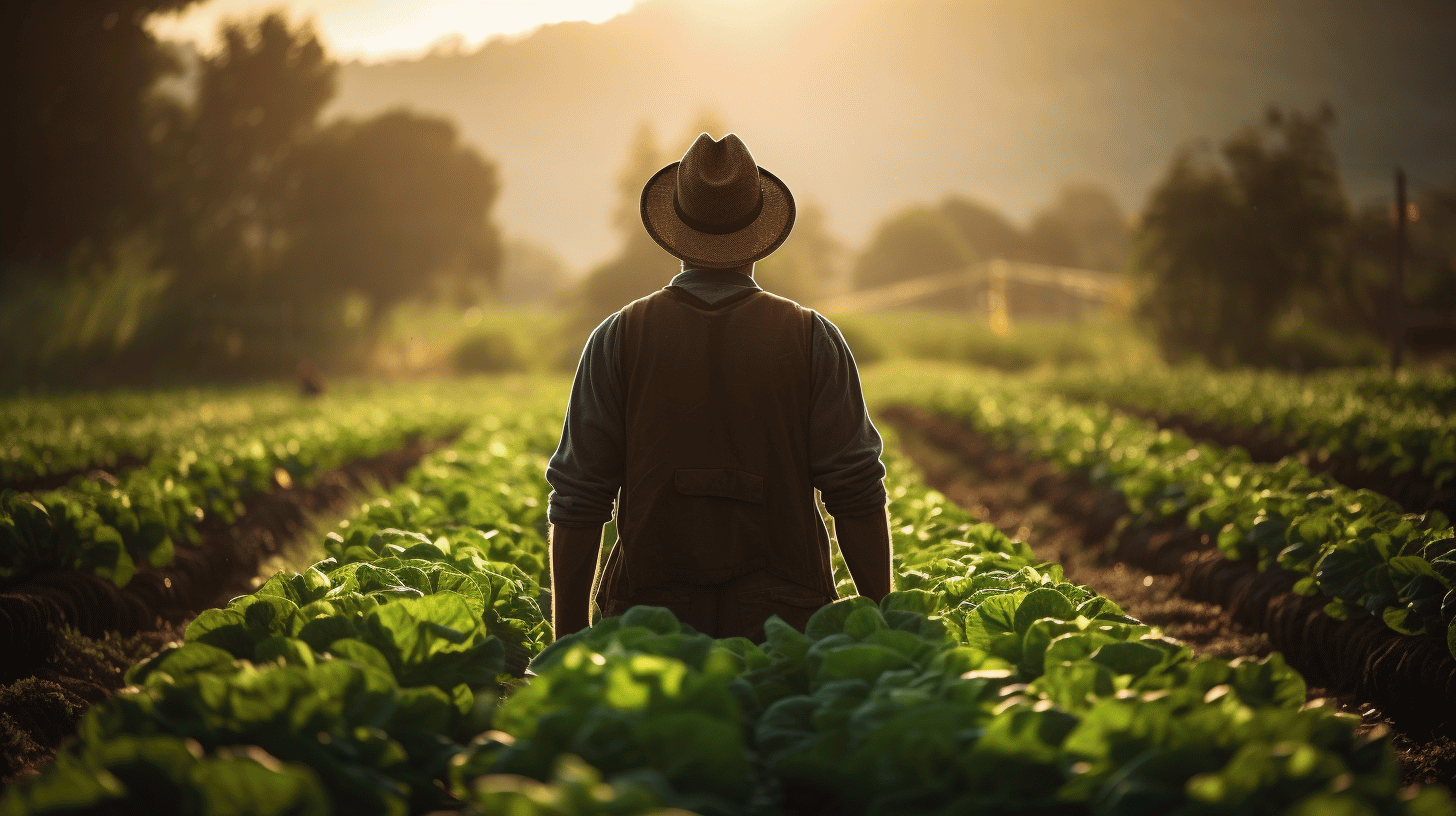
Sustainable farming is becoming an increasingly important practice as we strive to protect the environment, preserve resources, and ensure food security for future generations. One vital aspect of sustainable farming is nurturing soil health, which plays a significant role in the overall ecosystem and the success of agricultural endeavors. In this article, we will explore the best practices for sustainable farmers to promote soil health, understand the impact of healthy soil on crop yield and water management, and delve into the benefits of regenerative agriculture, biodiversity, and organic farming. We will also discuss the socio-economic advantages of sustainable agriculture and how it contributes to environmental sustainability. By adopting these practices, farmers can not only achieve economic success but also contribute to a more ecologically balanced and equitable food system.
To dive into the topic, let’s start by examining the present state of global soil health and the future risks it poses.
The State of Global Soil Health
Soil health is a critical topic that often doesn’t receive the attention it deserves. Without healthy soil, our food systems, ecosystems, and overall well-being are at risk. It’s important to understand the current state of global soil health to address the challenges we face and take steps towards sustainable practices.
Present Soil Degradation
According to a recent UN report[1], approximately a third of the world’s soil is degraded. This means that soil has lost its natural fertility and quality, making it less productive and more vulnerable to erosion, pollution, and other forms of degradation. The consequences of soil degradation are far-reaching:
- Impact on Agriculture: Degraded soil leads to reduced crop yields, poor nutrient content in food, and increased reliance on synthetic fertilizers. It poses a significant threat to global food security.
- Loss of Biodiversity: Healthy soil supports diverse ecosystems and acts as a habitat for countless organisms. Soil degradation disrupts this delicate balance, leading to a decline in biodiversity and the loss of important species.
- Water Pollution: Degraded soil is more prone to erosion, which can result in sediment runoff that pollutes water bodies. This has detrimental effects on water quality, aquatic life, and human health.
To address the challenges posed by soil degradation, it is crucial for governments, organizations, and individuals to adopt sustainable soil management practices. These may include:
- Crop Rotation: Alternating crops on the same plot of land helps maintain soil fertility, reduces the risk of pests and diseases, and improves nutrient cycling.
- Conservation Agriculture: Practices such as minimum tillage, cover cropping, and mulching help to protect the soil from erosion, enhance water retention, and promote organic matter accumulation.
- Composting and Organic Farming: Using organic materials and compost as fertilizers enriches soil fertility, increases its water-holding capacity, and reduces the reliance on synthetic inputs.
- Terracing and Contouring: These techniques help to control erosion and manage water runoff, particularly in hilly or sloping landscapes.
Future Risks
Looking ahead, the future of global soil health appears grim. A study published in the Journal of Environmental Management[2] warns that over 90% of Earth’s soils are at risk of degradation by 2050. Some of the key factors that contribute to this alarming projection include:
- Population Growth: As the global population continues to grow, there will be increasing pressure on agricultural land to produce more food. This could lead to overutilization and degradation of already vulnerable soils.
- Climate Change: Rising temperatures, changing precipitation patterns, and extreme weather events associated with climate change pose significant risks to soil health. Increased drought, erosion, and salinization are just a few of the potential consequences.
- Urbanization and Industrialization: The expansion of cities and industrial activities often come at the expense of agricultural land. The conversion of fertile soil into concrete jungles limits our capacity to grow food sustainably.
To mitigate these future risks, it is crucial for policymakers, researchers, and communities to prioritize soil conservation and restoration efforts. Investing in research, promoting sustainable agricultural practices, and raising awareness about the importance of soil health are all steps in the right direction.
In conclusion, maintaining global soil health is essential for our long-term well-being. We must recognize the urgency of addressing soil degradation and take action to protect and restore this vital resource.
[1] UN report
[2] Journal of Environmental Management study
The Impact of Healthy Soil
Have you ever wondered why some farmers seem to have bountiful harvests year after year while others struggle to produce enough food? The secret may lie in the health of their soil. Healthy soil is not only crucial for the growth and vitality of plants, but it also has a profound impact on crop yield and water capture and storage.
Crop Yield:
Research has shown that improving soil health can lead to significant increases in crop yields. In fact, a study published in the SOIL Journal found that by implementing soil health management practices, such as cover cropping and crop rotation, farmers can experience a 20% increase in crop yields for maize and wheat[1](https://www.soil-journal.net/6/385/2020/soil-6-385-2020.html). This is great news for farmers who are looking to maximize their productivity and meet the ever-increasing demand for food.
But what exactly makes healthy soil so beneficial for crop yield? Well, healthy soil provides a favorable environment for plants to grow and thrive. It is rich in essential nutrients, has good structure for root penetration, and retains moisture effectively. When plants have access to the necessary nutrients and moisture, they can reach their full potential and produce higher yields.
Water Capture and Storage:
In addition to boosting crop yield, healthy soil plays a crucial role in capturing and storing water. This is particularly important in areas prone to droughts and floods. The United States Department of Agriculture (USDA) states that healthy soil can capture and store water, reducing the risk of flooding and providing a valuable resource during dry spells[2](https://www.nrcs.usda.gov/wps/portal/nrcs/detail/national/nutrition/?cid=nrcs143_015696).
How does healthy soil accomplish this? Well, healthy soil has a high organic matter content, which helps improve its water-holding capacity. It acts like a sponge, soaking up rainwater and preventing it from quickly running off the surface. Instead, the water is held in the soil, where plants can access it gradually over time. This not only benefits the plants but also helps to mitigate the risk of erosion and sediment runoff into nearby waterways.
In conclusion, the impact of healthy soil on crop yield and water capture and storage cannot be overstated. By implementing practices that enhance soil health, farmers can not only increase their productivity but also contribute to sustainable agriculture and environmental conservation. Investing in the health of our soil is not only beneficial for farmers but also for the entire ecosystem that relies on it.
Sustainable Farming Practices
When it comes to sustainable farming practices, there are several strategies that farmers can implement to promote long-term environmental health while maintaining productivity. By prioritizing methods that minimize harm to the ecosystem and conserve resources, farmers can actively contribute to a more sustainable and resilient agricultural system. In this section, we will explore three key practices: crop rotation, cover cropping, and minimizing soil disturbance.
Crop Rotation
Crop rotation involves the systematic cycle of different crops in the same field over a period of several years. Rather than planting the same crop year after year, farmers alternate between crops that have different nutrient requirements and growth patterns. This practice offers a range of benefits:
- Nutrient management: Different crops have varying nutrient needs. By rotating crops, farmers can prevent the depletion of specific nutrients in the soil, as different crops utilize different sets of nutrients.
- Natural pest control: Crop rotation disrupts the lifecycle of pests and pathogens that are specific to particular crops. This reduces the need for chemical pesticides, promoting natural pest control methods.
- Weed suppression: Rotating crops can help suppress weeds. Different crops have different competitive abilities against weeds, reducing the reliance on herbicides and promoting weed management through natural means.
Cover Cropping
Cover cropping involves planting crops specifically to cover the soil between cash crops. These cover crops offer a multitude of benefits for sustainable farming:
- Soil erosion control: Cover crops protect the soil from erosion caused by wind and water, preventing nutrient loss and preserving soil structure.
- Nutrient retention: Cover crops take up excess nutrients from the soil, preventing runoff and nutrient pollution in nearby water bodies.
- Improved soil health: Cover crops contribute organic matter to the soil, improving its structure, water-holding capacity, and overall fertility.
- Weed suppression: Dense cover crop growth can suppress weeds, reducing competition for nutrients and light with cash crops.
Minimizing Soil Disturbance
Minimizing soil disturbance refers to practices that aim to reduce or avoid unnecessary disturbance to the soil structure and ecosystem. Some key methods include:
- Conservation tillage: This involves reducing the frequency and intensity of tillage operations, leaving more crop residue on the field. It helps prevent soil erosion, retains moisture, and improves soil health.
- No-till farming: In this approach, farmers eliminate or drastically reduce soil disturbance by planting crops directly into untilled soil. This practice preserves soil structure and reduces carbon dioxide emissions from plowing.
- Integrating livestock: Grazing animals on agricultural land can contribute to sustainable farming by naturally fertilizing the soil with manure and promoting nutrient cycling. It reduces the need for synthetic fertilizers and enhances soil health.
By adopting these sustainable farming practices, farmers can not only preserve and enhance the health of their land but also contribute to the global effort to address climate change and promote biodiversity conservation. It is crucial to recognize the interconnectedness of agriculture and the environment and prioritize practices that support long-term ecological balance.
Role of Regenerative Agriculture and Biodiversity
Introduction
Regenerative agriculture and biodiversity play crucial roles in promoting sustainable farming practices and preserving ecosystems. This dynamic duo works hand in hand to improve soil health, enhance ecosystem resilience, and mitigate climate change. By embracing regenerative agriculture techniques and preserving biodiversity, farmers can achieve long-term productivity while minimizing negative environmental impacts. Let’s dive deeper into the role of regenerative agriculture and biodiversity in sustainable farming.
Regenerative Agriculture: A Holistic Approach
Regenerative agriculture is an approach that focuses on restoring and enhancing the health of agricultural ecosystems. It goes beyond sustainable farming by actively improving soil health, promoting biodiversity, and sequestering carbon from the atmosphere. Some key principles of regenerative agriculture include:
- Conservation of soil and water: By implementing practices like cover cropping, mulching, and water conservation, regenerative agriculture minimizes soil erosion and nutrient leaching.
- Diverse crop rotations: Planting a variety of crops diversifies the nutrient needs and pest susceptibility, reducing the reliance on chemical inputs.
- Minimizing tillage: Reduced tillage practices like no-till or minimum tillage help to preserve soil structure, microbial life, and organic matter.
The Importance of Biodiversity in Agriculture
Biodiversity refers to the variety of life and ecosystems on Earth. In the context of agriculture, biodiversity plays a vital role in maintaining healthy and resilient farming systems. Here are some reasons why biodiversity is crucial:
- Pest and disease control: Biodiversity provides a natural defense against pests and diseases. When a farm has a diverse range of plants and animals, it creates a balanced ecosystem where predators and beneficial organisms control pests more effectively.
- Pollination: Many crops rely on pollinators like bees and butterflies for reproduction. By preserving biodiversity and providing habitat for pollinators, farmers ensure the continued pollination of their crops and the production of healthy fruits and seeds.
- Ecosystem services: Biodiversity provides a wide range of ecosystem services, such as nutrient cycling, soil formation, and water purification. These services are essential for sustainable agricultural production and the overall health of our planet.
The Synergy of Regenerative Agriculture and Biodiversity
Regenerative agriculture and biodiversity are not mutually exclusive; in fact, they complement each other in various ways. Here’s how the synergy of these two concepts benefits farmers and the environment:
- Enhanced soil health: Regenerative agriculture practices like cover cropping and reduced tillage improve soil structure and nutrient cycling, creating a fertile environment for diverse plant life and soil organisms.
- Improved resilience: Biodiversity increases the resilience of farming systems to climate change, pests, and diseases. A diverse range of crops and plants helps mitigate the risk of crop failure and loss due to extreme weather events.
- Carbon sequestration: Regenerative agriculture techniques sequester carbon dioxide from the atmosphere and store it in the soil. This helps combat climate change by reducing greenhouse gas emissions and enhancing carbon sinks.
- Long-term sustainability: By combining regenerative agriculture practices with biodiversity conservation, farmers can achieve sustainable and profitable farming systems while preserving the natural environment for future generations.
In conclusion, regenerative agriculture and biodiversity have a vital role to play in sustainable farming. By implementing regenerative practices and preserving biodiversity, farmers can improve soil health, enhance ecosystem resilience, and contribute to mitigating climate change. This holistic approach not only benefits farmers in the long term but also ensures the preservation of our precious natural resources.
Importance of Organic Farming in Sustainable Agriculture
Organic farming plays a crucial role in sustainable agriculture, contributing to environmental conservation, human health, and long-term food security. This method of farming involves cultivating crops and raising livestock without the use of synthetic pesticides, genetically modified organisms (GMOs), or chemical fertilizers. Instead, organic farmers rely on natural methods, such as crop rotation, composting, and biological pest control, to maintain soil fertility and promote a healthy ecosystem. Below are some key reasons why organic farming is essential for sustainable agriculture:
Environmental Conservation
- Organic farming practices prioritize the preservation of the environment. By avoiding the use of chemical pesticides and fertilizers, organic farmers protect biodiversity, including beneficial insects, birds, and soil organisms.
- Organic farming methods promote soil health and reduce soil erosion. By adopting practices like cover cropping and crop rotation, organic farmers increase organic matter in the soil, improve water infiltration, and enhance nutrient cycling.
- Organic farming helps mitigate climate change by promoting carbon sequestration. Organic soils have higher levels of carbon content, which helps reduce greenhouse gas emissions and contributes to maintaining a stable climate.
Human Health Benefits
- Organic farming minimizes the exposure to synthetic pesticides and chemical residues in food. Studies have shown that organic produce has lower pesticide contamination levels, making it a healthier choice for consumers.
- By avoiding the use of antibiotics and growth hormones, organic animal farming reduces the risk of antibiotic resistance and potential health concerns associated with consuming these substances.
Enhanced Food Security
- Organic farming practices prioritize the use of renewable resources, reducing dependence on fossil fuels and other non-renewable resources. This approach ensures long-term sustainability and resilience in agricultural systems, contributing to food security.
- Organic farming encourages agrobiodiversity, allowing farmers to grow a variety of crops and preserve traditional and heirloom seed varieties. This diversity helps safeguard against the risks associated with monoculture farming, such as crop failure due to pests or disease outbreaks.
As the demand for organic, sustainable food continues to grow, it is important to recognize the significant role organic farming plays in achieving these goals. By supporting and promoting organic agriculture, we can contribute to a healthier environment, improved human health, and a more secure and sustainable food system for future generations.
Socio-economic Advantages of Sustainable Agriculture
Sustainable agriculture is more than just a farming method. It is a holistic approach that takes into account the social, economic, and environmental aspects of food production. By adopting sustainable practices, farmers can not only protect the environment but also bring about positive changes in their communities. Let’s explore some of the socio-economic advantages of sustainable agriculture.
Supports Farmers, Resources, and Communities
Sustainable agriculture goes beyond conventional farming practices by prioritizing the well-being of farmers, their resources, and the communities they serve. Here’s how sustainable farming supports these crucial elements:
- Farmers: Sustainable agriculture empowers farmers by providing them with the knowledge and tools to grow food in a way that minimizes negative impacts on the environment while maximizing productivity. By implementing sustainable practices, farmers can reduce their reliance on costly inputs like pesticides and synthetic fertilizers, which can result in significant cost savings over time.
- Resources: Sustainable agriculture preserves and protects vital resources such as soil, water, and biodiversity. By using organic and regenerative farming techniques, farmers can enhance soil health, reduce erosion, and improve water quality. These practices not only safeguard the long-term viability of agricultural land but also contribute to the overall health of ecosystems.
- Communities: Sustainable agriculture promotes community development by fostering local economic growth and enhancing food security. By supporting small-scale farmers and local food systems, sustainable agriculture helps to create jobs and increase income opportunities within rural communities. Additionally, by producing food close to where it is consumed, sustainable agriculture reduces the carbon footprint associated with long-distance transportation, contributing to a more sustainable and resilient food system.
Promotes Social Equity
Sustainable agriculture strives for social equity by ensuring fair and just treatment for farmers, workers, and consumers. Here are some ways in which sustainable agriculture promotes social equity:
- Fair Trade: Sustainable agriculture often aligns with fair trade principles, which ensure that farmers receive fair prices for their products and work under decent labor conditions. Through fair trade certifications and partnerships, sustainable farmers can access fair markets that prioritize equitable trade relationships.
- Worker Welfare: Sustainable agriculture emphasizes the well-being and empowerment of farm workers. By implementing fair labor practices, such as providing safe working conditions, fair wages, and access to healthcare, sustainable farmers contribute to the overall welfare of their workers and promote social justice within the agricultural sector.
- Food Justice: Sustainable agriculture aims to address food inequalities and improve access to healthy, sustainably produced food for all communities. Through initiatives like community-supported agriculture (CSA) programs and urban farming, sustainable farmers foster local food systems that prioritize food sovereignty and reduce food deserts.
Creates a More Equitable Food System
Sustainable agriculture plays a pivotal role in creating a more equitable and resilient food system. By shifting away from industrialized agriculture and adopting sustainable practices, we can achieve a more balanced and inclusive food system. Here are some ways in which sustainable agriculture contributes to this goal:
- Diversification of Agriculture: Sustainable agriculture encourages crop diversification and promotes the cultivation of local and indigenous varieties. By diversifying agricultural systems, sustainable farmers can enhance food security, preserve traditional knowledge, and reduce the risk of crop failures due to climate change or pests.
- Mitigation of Climate Change: Sustainable farming practices, such as agroforestry and carbon sequestration, contribute to mitigating climate change by reducing greenhouse gas emissions and enhancing carbon storage in soils. These efforts not only protect the environment but also create economic opportunities through initiatives like carbon markets and payments for ecosystem services.
- Collaboration and Knowledge Sharing: Sustainable agriculture fosters collaboration among farmers, researchers, policymakers, and consumers to develop innovative solutions for a more equitable food system. Through knowledge sharing platforms, farmer-led networks, and community engagement, sustainable agriculture creates spaces for dialogue and collective action towards a more sustainable future.
In conclusion, sustainable agriculture offers a host of socio-economic advantages, from supporting farmers, resources, and communities to promoting social equity and creating a more equitable food system. By adopting sustainable farming practices, we can build a more resilient and inclusive agricultural sector that benefits both present and future generations.
Environmental Sustainability through Farming Practices
Farming practices play a crucial role in ensuring environmental sustainability. By implementing certain techniques and methods, farmers can reduce emissions, protect water and air quality, enrich soil health, and even compost and reuse materials. These practices not only benefit the environment but also contribute to the overall well-being of our planet.
Reduced Emissions
One of the key ways that farming practices can contribute to environmental sustainability is through the reduction of emissions. Agriculture is a significant contributor to greenhouse gas emissions, particularly through the release of methane and nitrous oxide. However, by adopting sustainable farming methods, farmers can significantly reduce their carbon footprint. Some techniques that help achieve this include:
- Precision Agriculture: Using advanced technologies like GPS and remote sensing, farmers can optimize the use of fertilizers, pesticides, and water. This precision application minimizes waste and reduces emissions associated with excess inputs.
- Crop Rotation: Rotating crops can help break pest and disease cycles, reducing the need for chemical inputs. It also improves soil health and nutrient availability, which leads to more efficient use of fertilizers.
- Cover Crops: Planting cover crops during fallow periods helps prevent erosion, improves soil structure, and enhances nutrient cycling. This reduces the need for synthetic fertilizers and lowers emissions associated with their production.
Water and Air Quality Protection
Protecting water and air quality is essential for maintaining a healthy ecosystem. Certain farming practices can help mitigate pollution and safeguard these vital resources. Here are some techniques that promote water and air quality protection:
- Precision Irrigation: By using water-efficient irrigation techniques such as drip or micro-sprinkler systems, farmers can minimize water wastage and prevent contamination of nearby water bodies.
- Buffer Zones: Establishing buffer zones along water bodies helps filter out sediment, excess nutrients, and pollutants before they reach the water, thus maintaining water quality.
- Integrated Pest Management (IPM): IPM focuses on minimizing the use of chemical pesticides by incorporating natural pest control methods. This reduces the risk of pesticide runoff into water bodies and minimizes air pollution from pesticide drift.
Soil Enrichment
Maintaining healthy soil is fundamental for sustainable farming. Healthy soils retain water, support plant growth, and sequester carbon. Here are some practices that enrich soil health:
- Organic Farming: Organic farming methods avoid the use of synthetic fertilizers and pesticides. Instead, they rely on compost, crop rotation, and biological pest control to develop fertile and nutrient-rich soils.
- Conservation Tillage: By reducing or eliminating tilling, farmers can prevent soil erosion and nutrient loss. Conservation tillage practices, such as no-till or reduced tillage, improve soil structure, increase organic matter content, and enhance water infiltration.
Composting and Reusing Materials
Effective management of organic waste can contribute to environmental sustainability in farming. Composting and reusing materials can minimize waste, promote nutrient recycling, and reduce reliance on synthetic inputs. Here’s how farmers can achieve this:
- Composting: By composting organic waste, such as crop residues, animal manure, or food scraps, farmers can create nutrient-rich compost. This compost can then be used to improve soil fertility, enhance water-holding capacity, and reduce the need for synthetic fertilizers.
- Crop Residue Management: Leaving crop residues on the field or incorporating them into the soil can increase organic matter content and nutrient availability. This reduces dependence on chemical fertilizers and promotes sustainable nutrient cycling.
Implementing these sustainable farming practices not only enhances environmental sustainability but also contributes to the long-term viability of agricultural systems. By reducing emissions, protecting water and air quality, enriching soil health, and composting materials, farmers play a crucial role in safeguarding our planet for future generations.
Conservation Agriculture: An Example of Sustainable Farming
When it comes to sustainable farming practices, conservation agriculture stands out as an exemplary approach. By employing a set of environmentally friendly and resource-conserving techniques, conservation agriculture aims to enhance soil health, protect natural resources, and promote long-term sustainability in the agricultural sector.
Principles of Conservation Agriculture
Conservation agriculture is founded on three key principles that guide its implementation and success:
- Minimal soil disturbance: Unlike conventional farming methods that involve intensive tillage, conservation agriculture promotes minimal soil disturbance. This means reducing or completely eliminating practices like plowing and intensive cultivation. By leaving the soil undisturbed, conservation agriculture preserves its structure, organic matter content, and overall health.
- Continuous soil cover: Maintaining a continuous cover of crop residues or cover crops is another fundamental principle of conservation agriculture. This serves multiple purposes, including preserving moisture in the soil, preventing erosion, suppressing weed growth, and supporting beneficial soil organisms.
- Crop rotation and diversification: Conserving soil fertility and mitigating pest pressure are achieved through the practice of crop rotation and diversification. By alternating or intercropping different crops, conservation agriculture breaks pest and disease cycles, reduces weed pressure, and optimizes nutrient uptake from the soil.
Benefits of Conservation Agriculture
The adoption of conservation agriculture practices brings about numerous benefits for both farmers and the environment. Here are some of the significant advantages:
- Enhanced soil health: By minimizing soil disturbance and maintaining continuous soil cover, conservation agriculture promotes the development of a healthy and fertile soil ecosystem. This improves soil structure, water infiltration, and nutrient retention, leading to increased crop productivity and resilience.
- Reduced water consumption: The use of conservation agriculture practices helps conserve water by reducing evaporation and improving water infiltration and retention in the soil. This is especially crucial in regions facing water scarcity or drought conditions.
- Lower input costs: Conservation agriculture can reduce farmers’ reliance on synthetic fertilizers, pesticides, and herbicides. By implementing practices such as crop rotation and cover cropping, farmers can naturally manage pests and weeds, minimizing the need for chemical inputs. This leads to cost savings and a lower environmental impact.
- Prevention of soil erosion: With minimal soil disturbance and the presence of continuous surface cover, conservation agriculture significantly reduces soil erosion. This helps protect valuable topsoil from being washed away by rain or blown away by wind, thereby preserving soil fertility and preventing downstream sedimentation.
In conclusion, conservation agriculture is a prime example of a sustainable farming approach that prioritizes the health of the soil, water resources, and overall ecosystem. By adhering to its principles, farmers can achieve higher productivity, lower costs, and long-term environmental sustainability. It is through the adoption of such practices that we can strive towards a more resilient and ecologically balanced agricultural system.
Learn more about the impact of conservation agriculture on soil health here.
Role of Crop Rotation and Polyculture in Soil Health
Crop rotation and polyculture are two agricultural practices that play a crucial role in maintaining and enhancing soil health. These practices, when implemented effectively, can lead to numerous benefits, including improved soil fertility, pest and disease control, reduced erosion, and increased biodiversity. In this section, we will explore the importance of crop rotation and polyculture in supporting soil health and the positive impacts they have on agricultural systems.
Crop Rotation: A Dynamic Approach to Soil Health
Crop rotation involves the systematic rotation of different crops within a specific area over a defined period. Rather than continuously growing the same crop year after year, crop rotation encourages the diversification of plant species. This practice offers several advantages for soil health:
- Nutrient cycling: Different crops have varying nutrient requirements and abilities to uptake nutrients from the soil. By rotating crops, the nutrients are utilized more efficiently, reducing the risk of nutrient depletion and improving overall soil fertility.
- Pest and disease management: Continuous monocropping can create favorable conditions for pests and diseases to thrive. By rotating crops, the life cycles of pests and pathogens can be disrupted, reducing the risk of outbreaks. Additionally, specific crops can act as natural pest repellents or attract beneficial insects, contributing to pest management.
- Weed control: Crop rotation can also help manage weeds effectively. Different crops have different growth habits and can compete with weeds in different ways. By rotating crops, weed pressure can be minimized, reducing the reliance on herbicides.
- Improved soil structure: Different crops have varying root structures, and by rotating crops, soil aggregation and structure can be improved. Deep-rooted plants can penetrate compacted soil layers, improving drainage and increasing water infiltration rates.
Polyculture: Enhancing Biodiversity for Soil Health
Polyculture, also known as intercropping or mixed cropping, refers to the cultivation of multiple crops simultaneously in the same field. Unlike monoculture, where a single crop dominates the area, polyculture encourages the coexistence of different plant species. Here’s how polyculture benefits soil health:
- Increased biodiversity: Polyculture fosters greater biodiversity in agricultural systems, allowing for a more complex and resilient ecosystem. This diversity enhances soil microbial communities, leading to improved nutrient cycling, disease suppression, and overall ecosystem stability.
- Reduced soil erosion: Planting a combination of crops with different canopy structures and root systems can significantly reduce soil erosion. The varied plant architecture provides better soil coverage, intercepts and reduces the impact of rainfall, and helps in maintaining soil structure.
- Enhanced soil fertility: Different crops have different nutrient requirements and uptake capabilities. Polyculture ensures that a wider range of nutrients are utilized and distributed throughout the soil, reducing nutrient imbalances and promoting overall soil fertility.
- Optimized resource utilization: Polyculture maximizes resource utilization by efficiently using sunlight, water, and nutrients. Through complementary resource use and facilitation between different plant species, polyculture can optimize resource availability in the soil.
In conclusion, both crop rotation and polyculture are powerful practices that contribute to soil health and sustainable agriculture. By diversifying plant species and promoting ecological balance, these practices enhance nutrient cycling, increase biodiversity, manage pests and diseases, and improve soil structure. Incorporating crop rotation and polyculture into farming systems not only ensures long-term soil health but also leads to more resilient and productive agricultural practices.
The Impact of Organic Agriculture on Farmers, Consumers and the Environment
Organic agriculture practices have gained significant attention in recent years due to their potential positive impact on farmers, consumers, and the environment. This article explores two crucial aspects of organic agriculture: ecological production and the reduction in chemical usage. Let’s delve deeper into these areas to understand the broader implications of organic farming.
Ecological Production
One of the fundamental principles of organic agriculture is ecological production, which focuses on the holistic management of natural resources. Here’s how ecological production practices benefit farmers, consumers, and the environment:
- Enhanced soil health: Organic farmers prioritize the use of natural fertilizers, such as compost and manure, to nourish the soil. This encourages the growth of beneficial microorganisms, improves soil structure, and enhances nutrient cycling. As a result, organic farmers can maintain healthy soil that supports long-term crop productivity.
- Biodiversity conservation: Organic agriculture promotes the preservation of biodiversity by discouraging the use of synthetic pesticides and herbicides. Instead, farmers rely on integrated pest management techniques, crop rotation, and biological pest control methods. By minimizing chemical inputs, organic farming helps create a harmonious environment for beneficial insects, birds, and other wildlife.
- Water conservation: Organic farmers employ various water management strategies to conserve this valuable resource. These strategies include implementing efficient irrigation systems, practicing water-wise cropping techniques, and promoting soil conservation practices. By reducing water usage and minimizing runoff, organic farming contributes to the conservation of freshwater resources.
Reduction in Chemical Usage
Organic agriculture aims to minimize reliance on synthetic chemicals, such as pesticides and herbicides. Here’s why reducing chemical usage is beneficial for farmers, consumers, and the environment:
- Healthier food choices: Organic farming prohibits the use of synthetic pesticides and genetically modified organisms (GMOs). As a result, organic fruits, vegetables, and other food products are free from potentially harmful residues. Many consumers choose organic products to reduce their exposure to synthetic chemicals and enjoy the assurance of a healthier food choice.
- Enhanced food security: Organic agriculture emphasizes the use of natural pest control methods and crop rotation. By diversifying crops and relying on natural ecological processes, organic farmers are better equipped to handle pests and diseases without resorting to chemical interventions. This reduces the risk of crop failure and promotes long-term food security.
- Environmentally-friendly practices: By minimizing chemical inputs, organic farming significantly reduces the environmental impact associated with conventional agriculture. Synthetic pesticides and herbicides can harm beneficial insects, contaminate water bodies, and contribute to soil degradation. Organic agriculture, on the other hand, promotes sustainable farming practices that help protect the environment for future generations.
In conclusion, organic agriculture offers numerous benefits for farmers, consumers, and the environment. By adopting ecological production techniques and reducing chemical usage, organic farmers can foster healthier soil, conserve biodiversity, and promote sustainable farming practices. Consumers can enjoy healthier food choices while contributing to environmental preservation. Organic agriculture presents a compelling alternative to conventional farming practices, paving the way for a more sustainable and resilient food system.
Conclusion
In conclusion, nurturing soil health is a crucial aspect of sustainable farming that holds the key to a thriving agricultural system. By implementing best practices such as crop rotation, cover cropping, and minimizing soil disturbance, farmers can not only enhance soil health but also improve crop yield and water capture and storage.
Regenerative agriculture plays a vital role in promoting biodiversity and ecosystem resilience, contributing to the overall health and sustainability of our planet. Organic farming, with its emphasis on ecological production and reduction in chemical usage, further enhances the benefits of sustainable agriculture.
The socio-economic advantages of sustainable farming are abundant, as it supports farmers, resources, and communities, promotes social equity, and helps create a more equitable food system. Additionally, sustainable farming practices have a positive impact on environmental sustainability by reducing emissions, protecting water and air quality, and enriching the soil through composting and reusing materials.
Conservation agriculture, exemplified by practices like crop rotation and polyculture, further demonstrates the potential of sustainable farming in preserving soil health and biodiversity.
Overall, the adoption of sustainable farming practices and regenerative agriculture is not just beneficial for farmers and consumers but also for the environment. It helps us move towards a future where agriculture and ecology thrive in harmony, nourishing both our communities and the planet.
As you embark on your journey towards sustainable and regenerative farming practices, remember that the Regenerative Agriculture Wiki is here to provide you with extensive content, insights, tips, and comprehensive guides to support your endeavors. Join us in fostering a future where agriculture and ecology coexist in harmony.
Learn more about regenerative agriculture and explore our content.
Frequently Asked Questions
- What are the best practices for nurturing soil health in sustainable farming?
Some of the best practices for nurturing soil health in sustainable farming include: practicing crop rotation, applying organic matter and compost, minimizing tillage, practicing cover cropping, managing water efficiently, and reducing chemical inputs.
- Why is nurturing soil health important in sustainable farming?
Nurturing soil health in sustainable farming is crucial as it enhances soil fertility, promotes plant growth, improves water infiltration and retention, increases carbon sequestration, reduces erosion, and fosters a healthy ecosystem, ultimately leading to long-term agricultural sustainability.
- What is the role of crop rotation in nurturing soil health?
Crop rotation is an effective practice that helps break pest cycles, improves soil structure, reduces nutrient depletion, enhances nutrient availability, and minimizes disease incidence. It promotes biodiversity and improves overall soil health in sustainable farming.
- How does cover cropping contribute to nurturing soil health?
Cover cropping helps protect the soil from erosion, reduces weed growth, increases organic matter content, improves soil structure, enhances nutrient cycling, and increases beneficial microbial activity, thereby nourishing and improving overall soil health.
- Can sustainable farmers use chemical inputs for nurturing soil health?
While sustainable farming focuses on reducing chemical inputs, there are situations where minimal and carefully selected chemical inputs may be necessary. However, the emphasis should be on organic and natural practices to promote long-term soil health and environmental sustainability.