In today’s world, where environmental sustainability has become a pressing concern, regenerative agriculture is gaining attention as a promising solution. This holistic approach to farming goes beyond simply reducing the negative impact on the environment; it aims to restore and revitalize ecosystems while producing healthy and nutritious food. From farmers to consumers, everyone stands to benefit from the practices of regenerative agriculture.
So, what exactly is regenerative agriculture, and how does it support sustainable food systems? In this article, we will explore the concept of regenerative agriculture, delve into its pros and benefits, and examine its market size and growth.
If you’re curious about how regenerative agriculture can contribute to a more sustainable future and want to understand its impact on the economy, the environment, farming practices, and human health, then keep reading. Together, we will uncover the ways in which regenerative agriculture is transforming our food systems from farm to fork.
What is Regenerative Agriculture?
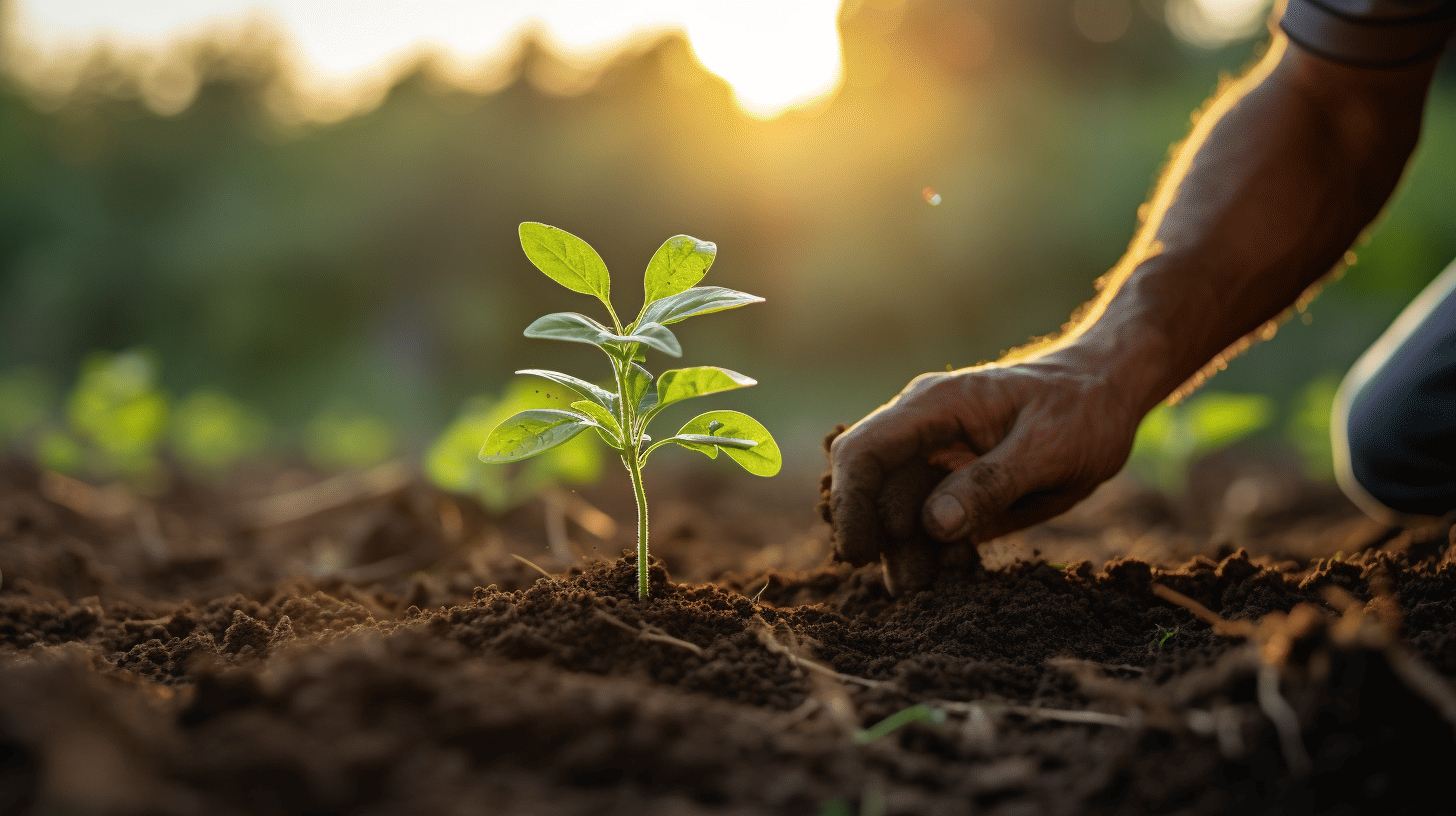
Regenerative agriculture is an approach to farming that goes beyond simply sustaining the land; it aims to revitalize ecosystems, restore soil health, and promote biodiversity. It is a holistic practice that considers the interconnectedness of all living organisms and recognizes the importance of nurturing the soil as the foundation for productive and sustainable agriculture.
In regenerative agriculture, farmers work in harmony with nature, implementing practices that mimic natural processes and enhance ecosystem services. This approach focuses on building organic matter in the soil, increasing biodiversity, and utilizing natural sources of nutrients and pest control. By doing so, regenerative agriculture seeks to create resilient and regenerative farming systems that are better equipped to withstand climate change and other environmental challenges.
Core Principles of Regenerative Agriculture
When it comes to regenerative agriculture, there are several core principles that guide farmers and practitioners. These principles include:
- Soil Health: The foundation of regenerative agriculture lies in nurturing and rebuilding soil health. By enhancing the biological activity in the soil, improving soil structure, and increasing soil organic matter, farmers can create a thriving environment for plants and beneficial organisms.
- Biodiversity: Emphasizing biodiversity is another fundamental aspect of regenerative agriculture. By diversifying crop rotations, creating wildlife habitats, and planting cover crops, farmers can support a wide array of beneficial insects, birds, and other wildlife that contribute to the health of the ecosystem.
- Water Management: Efficient water management is essential in regenerative agriculture. By employing techniques such as conservation tillage, contour plowing, and water harvesting, farmers can reduce water runoff, improve water infiltration, and minimize soil erosion.
- Nutrient Cycling: Regenerative agriculture seeks to minimize the use of synthetic fertilizers by promoting natural nutrient cycling. This involves practices like composting, utilizing animal manure, and optimizing crop rotations to enhance nutrient availability and reduce nutrient loss.
The Benefits of Regenerative Agriculture
Regenerative agriculture offers a multitude of benefits both for the environment and for farmers themselves. Some of the key advantages include:
- Improved Soil Health: By focusing on building organic matter and promoting beneficial soil microorganisms, regenerative agriculture leads to healthier and more fertile soils. This, in turn, enhances crop productivity and reduces the need for synthetic fertilizers.
- Increased Biodiversity: By creating habitats for wildlife and supporting beneficial insects, regenerative agriculture helps to restore biodiversity, which is essential for the long-term health of ecosystems.
- Climate Change Mitigation: Regenerative agriculture has the potential to mitigate climate change by sequestering carbon in the soil. Healthy soils can store large amounts of carbon, helping to reduce greenhouse gas emissions and combat global warming.
- Water Conservation: Through improved water management practices, regenerative agriculture can reduce water runoff and increase water holding capacity in soils. This helps to conserve water resources and make agriculture more resilient to drought conditions.
In conclusion, regenerative agriculture offers a promising alternative to conventional farming practices. By prioritizing soil health, biodiversity, water management, and nutrient cycling, this approach has the potential to create sustainable and resilient farming systems that can address the challenges of the present and future.
Pros of Regenerative Agriculture
Regenerative agriculture has gained significant attention in recent years for its numerous benefits. From economic advantages to positive environmental impact, this farming approach offers a promising alternative to conventional methods. Additionally, it brings about health benefits for both consumers and farmers. Let’s explore each of these advantages in more detail:
Economic Advantages
- According to recent studies[1], regenerative agriculture can lead to 78% higher profits compared to traditional corn production systems, despite a 29% lower grain production. This highlights the potential for increased financial stability for farmers adopting regenerative practices.
Environmental Impact
- One of the primary benefits of regenerative agriculture is its positive impact on the environment. By implementing regenerative practices, farmers can help reduce erosion and water pollution, while also improving soil health[2]. These practices contribute to the overall sustainability and long-term viability of agricultural systems.
Farming Advantages
- In addition to its environmental benefits, regenerative farming has a positive impact on productivity and profitability. Over the course of six years, regenerative techniques have been shown to be up to 60% more profitable than conventional farming[3]. This means that farmers can benefit from increased financial stability while simultaneously mitigating environmental risks.
Health Benefits
- One aspect that sets regenerative agriculture apart is its positive impact on human health. Crops grown on regenerative farms have been found to contain higher levels of vitamins and minerals[4]. For example, crops from regenerative agriculture farms have been found to have 34% more vitamin K and 15% more vitamin E compared to conventionally grown crops[5]. This increased nutritional content offers potential health benefits for consumers.
In summary, the pros of regenerative agriculture are vast and encompass economic, environmental, farming, and health-related advantages. This approach to farming not only boosts farmers’ profits but also contributes to the protection and regeneration of our environment. Moreover, the crops produced are nutritionally superior, benefiting the overall health and well-being of consumers. Embracing regenerative agriculture is a win-win situation, ensuring sustainable farming practices and healthier food for all.
- Regenerative agriculture shows 29% lower grain production but 78% higher profits over traditional corn production systems.
- Regenerative practices reduce erosion and water pollution and improve soil health.
- Regenerative farming can reduce GHG emissions, increase biodiversity, and boost farmers’ profits.
- Regenerative farming is up to 60% more profitable than conventional farming after six years.
- Crops from regenerative agriculture farms have 34% more vitamin K and 15% more vitamin E.
Regenerative Agriculture Market Size and Growth
Regenerative agriculture is gaining recognition as an effective and sustainable approach to farming that not only promotes soil health but also addresses climate change and biodiversity concerns. As more farmers and consumers recognize the benefits of regenerative practices, the global regenerative agriculture market is expected to experience significant growth in the coming years.
According to a report, the global regenerative agriculture market size was estimated at USD 924.0 million in 2022, and it is projected to grow at a CAGR of 15.7% from 2023 to 2030. This growth can be attributed to several factors, including increasing awareness about the environmental impacts of conventional farming methods, rising demand for organic and sustainable food products, and government initiatives promoting regenerative practices.
Key Drivers of Regenerative Agriculture Market Growth:
- Environmental Concerns: With the growing recognition of the detrimental effects of conventional farming practices on soil health, water quality, and greenhouse gas emissions, there is a rising demand for alternative farming methods that prioritize sustainability and regeneration.
- Consumer Demand: Consumers are increasingly seeking out products that are produced using environmentally friendly and ethical methods. The demand for organic and sustainably sourced food products is fueling the growth of regenerative agriculture practices.
- Policy Support: Governments around the world are taking note of the benefits of regenerative agriculture and are implementing policies and initiatives to encourage its adoption. This includes financial incentives, subsidies, and regulations that promote sustainable farming practices.
- Soil Health and Productivity: Regenerative agriculture focuses on improving soil health through practices such as cover cropping, crop rotation, and conservation tillage. These practices enhance soil fertility, increase water retention, and reduce erosion, resulting in improved productivity and resilience.
- Climate Change Mitigation: Regenerative agriculture holds promise in mitigating climate change by sequestering carbon in the soil. By increasing organic matter and adopting practices that promote carbon sequestration, regenerative farmers can play a significant role in reducing greenhouse gas emissions.
- Biodiversity Conservation: Regenerative practices support biodiversity by creating habitat for beneficial insects, birds, and wildlife. By promoting ecological balance on farms, regenerative agriculture contributes to the preservation of biodiversity.
The regenerative agriculture market is expected to witness substantial growth in the coming years as more farmers adopt these practices and consumers continue to prioritize sustainable and ethically produced food products. With its potential to address environmental concerns, improve soil health, and contribute to climate change mitigation, regenerative agriculture is poised to play a significant role in shaping the future of farming.
Conclusion
In conclusion, regenerative agriculture is not just a buzzword; it is a fundamental approach to farming that has the potential to revolutionize the way we produce food. By focusing on building soil health, conserving natural resources, and promoting biodiversity, regenerative agriculture offers a host of benefits for farmers, consumers, and the environment.
Through regenerative practices such as cover cropping, crop rotation, and agroforestry, farmers can improve soil fertility, reduce erosion, and minimize the use of synthetic pesticides and fertilizers. These practices not only contribute to sustainable food systems but also have a positive impact on climate change mitigation and adaptation.
Moreover, regenerative agriculture offers economic advantages for farmers. By adopting agroecological practices, farmers can reduce input costs and increase yields over time. As soil health improves, farmers become less reliant on costly external inputs, leading to long-term cost savings and increased profitability.
From an environmental perspective, regenerative agriculture plays a crucial role in conserving natural resources. By minimizing soil erosion and increasing water infiltration, regenerative practices help to protect and preserve our precious waterways and reduce the risk of nutrient runoff into nearby rivers and streams. Additionally, by promoting biodiversity through practices like integrated pest management and habitat restoration, regenerative agriculture supports the health and resilience of ecosystems.
Not only does regenerative agriculture benefit the environment and farmers, but it also offers health benefits for consumers. By avoiding the use of synthetic pesticides and fertilizers, regenerative farming practices produce food that is free from harmful residues. Additionally, regenerative agriculture systems often prioritize crop diversity, resulting in more nutrient-rich and flavorful produce.
The market for regenerative agriculture is growing rapidly, driven by increased consumer demand for sustainable and ethically produced food. According to a report by Grand View Research, the global regenerative agriculture market size was valued at $17.8 billion in 2020 and is expected to grow at a compound annual growth rate (CAGR) of 7.2% from 2021 to 2028. This growth is driven by factors such as the rising awareness of the environmental and health impacts of conventional agriculture, as well as the increasing adoption of regenerative practices by farmers worldwide.
In conclusion, regenerative agriculture has the potential to transform our food systems for the better. By adopting regenerative practices, we can build a more sustainable and resilient agricultural sector that nourishes both people and the planet. It is time to embrace this innovative approach and work towards a future where the journey from farm to fork is guided by the principles of regenerative agriculture.
Frequently Asked Questions
- What is regenerative agriculture?
Regenerative agriculture is a holistic farming approach that focuses on enriching soil health, improving biodiversity, and reducing the use of synthetic inputs. It aims to restore ecosystems, sequester carbon, and support sustainable food systems.
- How does regenerative agriculture support sustainable food systems?
Regenerative agriculture supports sustainable food systems by promoting soil regeneration, which enhances nutrient content in crops, reduces soil erosion, and increases water retention. It also reduces the need for chemical fertilizers and pesticides, making the food produced more natural and healthier.
- What are the benefits of regenerative agriculture?
The benefits of regenerative agriculture include improved soil health, increased crop resilience to climate change, enhanced biodiversity, reduced greenhouse gas emissions, and improved water quality. It also promotes sustainable and profitable farming practices.
- Can regenerative agriculture be implemented on large-scale farms?
Yes, regenerative agriculture can be implemented on large-scale farms. While it may require some adjustments and additional resources, incorporating regenerative practices such as cover cropping, crop rotation, and reduced tillage can lead to long-term benefits for both the environment and the farm’s productivity.
- Are there any certifications for regenerative agriculture?
Yes, there are certifications such as the Regenerative Organic Certification (ROC) and the Regenerative Agriculture Standard that provide guidelines and standards for farmers practicing regenerative agriculture. These certifications help consumers identify and support products produced through regenerative farming practices.