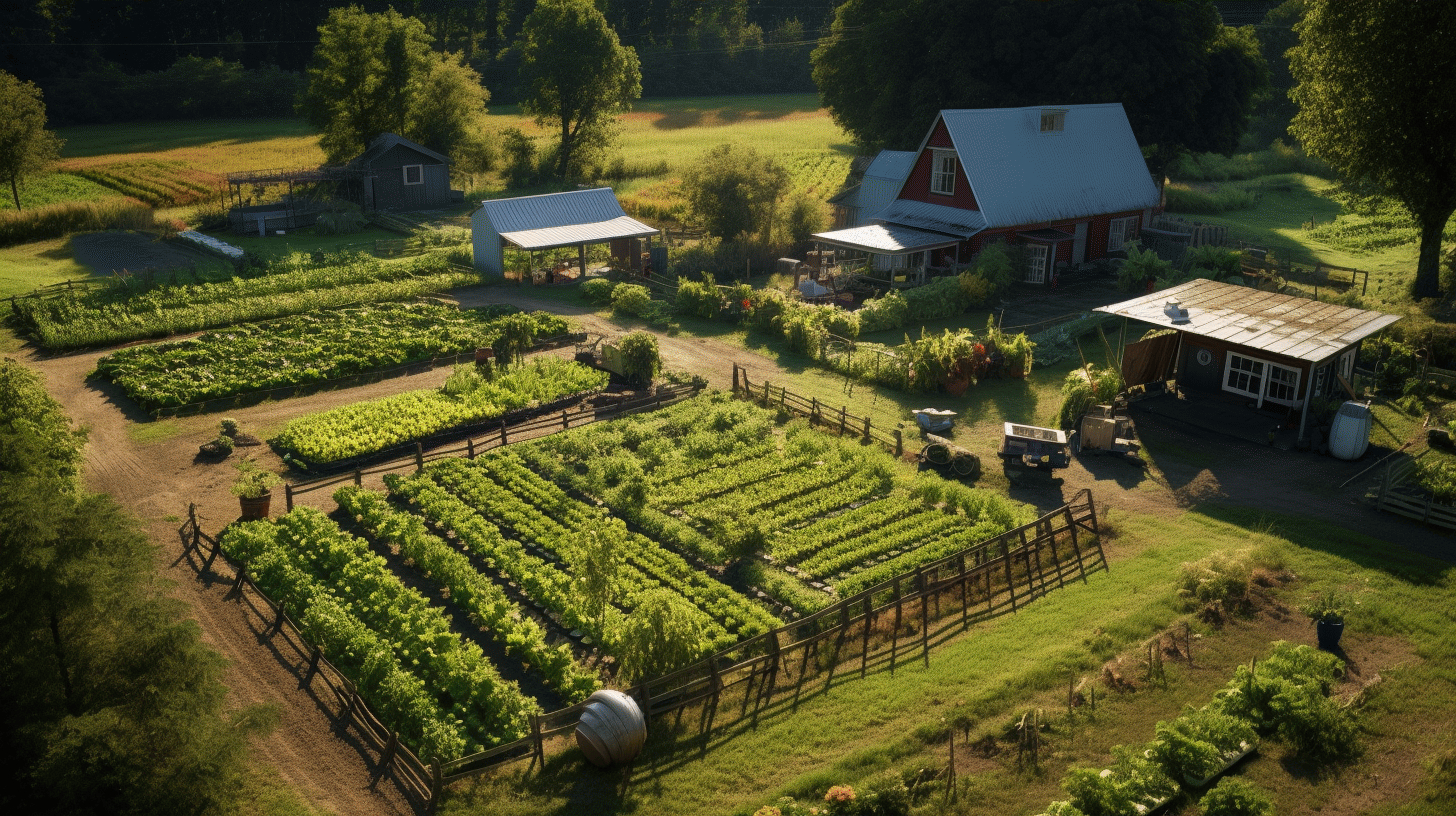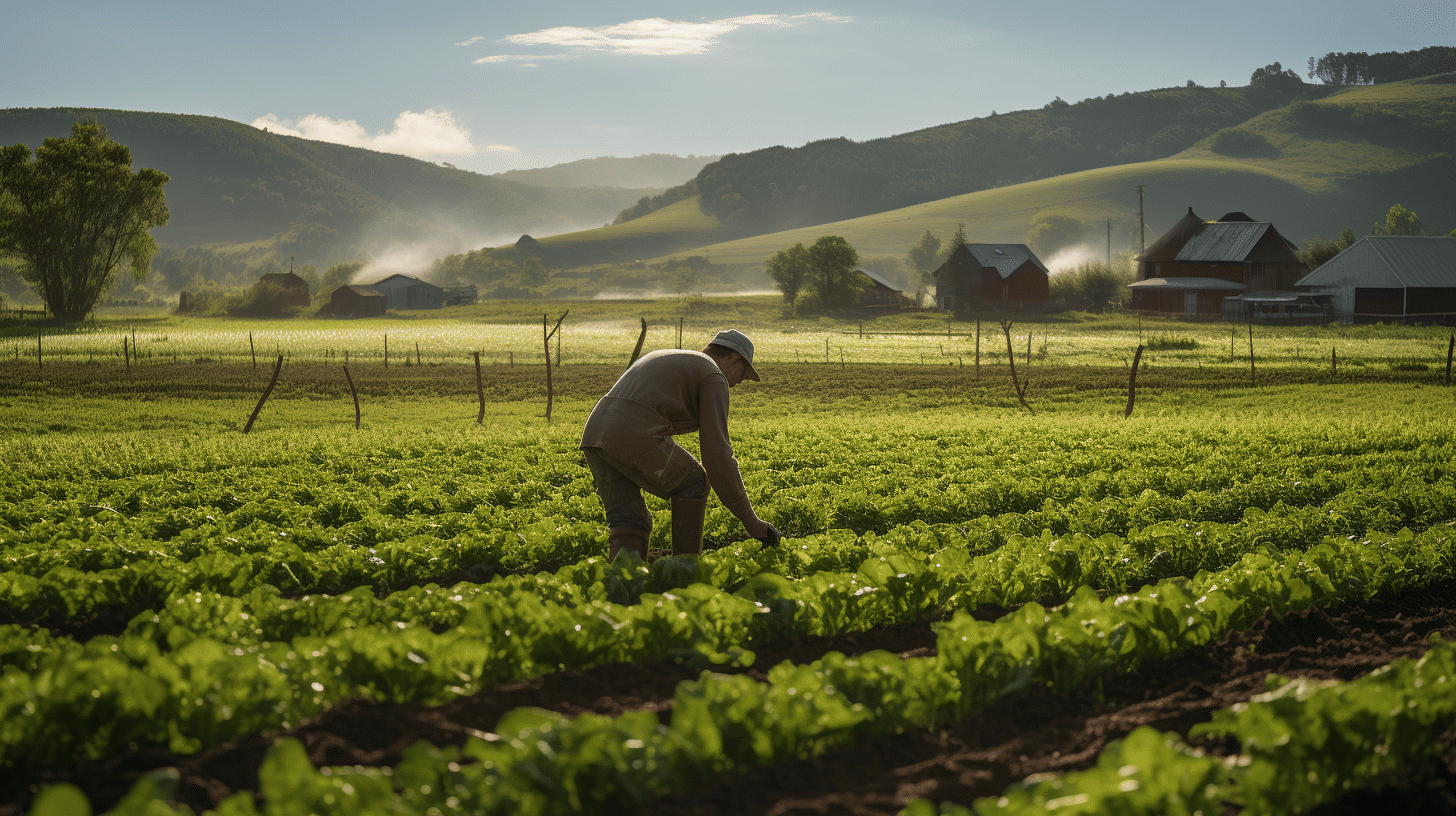
Regenerative agriculture is a farming approach that focuses on restoring the health and vitality of the land, rather than just sustaining it. It goes beyond conventional farming methods by employing practices that replenish resources, enhance biodiversity, and promote long-term sustainability. In recent years, regenerative agriculture has gained traction worldwide due to its numerous benefits for both farmers and the environment.
In this article, we will explore the journey of a farmer who has successfully adopted regenerative agriculture practices and witnessed remarkable transformations on their land. From understanding the core principles of regenerative agriculture to exploring its economic and environmental impacts, this farmer’s story will shed light on the incredible possibilities that lie within this innovative approach to farming.
So, let’s dive in and discover the world of regenerative agriculture through the eyes of a passionate farmer who has witnessed firsthand the power of restoring the earth.
Understanding Regenerative Agriculture
Regenerative agriculture is an innovative approach to farming that goes beyond the traditional methods we’re accustomed to. It focuses on restoring and revitalizing the health of the soil, biodiversity, and ecosystem, all while promoting sustainable food production. But what exactly does regenerative agriculture entail? Let’s delve into the practices and principles that make it such a promising solution for our agricultural systems.
Practices and Principles
Regenerative agriculture encompasses a variety of practices that work in harmony to improve the health and resilience of our agricultural systems. These include:
- Crop rotations: By rotating crops on a regular basis, farmers can prevent soil erosion and reduce the risk of diseases and pests. This practice also helps to improve soil fertility and structure, resulting in healthier plants and better yields.
- Cover crops: Cover crops, such as legumes and grasses, are planted during fallow periods to protect the soil from erosion, suppress weeds, and improve water infiltration. They also enhance soil organic matter, leading to increased nutrient availability for subsequent crops.
- Diverse forage: Integrating diverse forage species into grazing systems can promote biodiversity, enhance soil health, and improve overall pasture productivity. This practice is particularly beneficial for livestock farming, as it ensures a more balanced diet for animals and reduces the reliance on synthetic inputs.
- Conservation tillage: Unlike conventional tillage methods that disturb and expose the soil, conservation tillage practices minimize soil disturbance and maintain crop residues on the surface. This helps to retain moisture, reduce erosion, and promote the growth of beneficial microorganisms in the soil.
- Agroforestry: Introducing trees and shrubs into agricultural landscapes brings numerous benefits, such as carbon sequestration, increased biodiversity, improved water management, and diversified income streams for farmers. Agroforestry systems can range from alley cropping to silvopasture, depending on the specific goals and conditions of a farm.
Global Market Growth
The global regenerative agriculture market is expected to experience substantial growth in the coming years. In fact, a study conducted in 2020 projected that the market will reach a value of US$16.8 billion by 2027[1]. This growth can be attributed to multiple factors, including increasing consumer demand for sustainable and organic food, as well as the recognition of the numerous environmental benefits associated with regenerative farming practices.
Interestingly, regenerative agriculture is not just a niche movement. It is gaining traction worldwide, with farms adopting these practices in various regions. In North America alone, 63% of farms already practice regenerative agriculture[2]. This highlights the growing awareness and interest among farmers to transition towards more sustainable farming methods.
Regenerative agriculture holds immense potential to transform our food and farming systems. By adopting these practices and principles, we can not only improve soil health and restore ecosystems but also contribute to mitigating climate change and creating a more resilient and sustainable future for agriculture.
Remember, understanding regenerative agriculture is the first step towards championing its widespread adoption. By exploring the practices and principles behind it, you can gain insight into the tangible benefits it offers. Let’s join hands in supporting regenerative agriculture and working towards a more sustainable and flourishing planet.
[1] Study on Global Regenerative Agriculture Market
[2] 2020 North American Regenerative Farming Study
Benefits of Regenerative Agriculture
Regenerative agriculture is gaining traction as a sustainable farming practice that not only benefits the environment but also improves crop yields and farm productivity. By focusing on soil health and implementing regenerative practices, farmers are seeing a multitude of positive outcomes. Let’s explore some of the key benefits of regenerative agriculture:
Improved Soil Health and Fertility
One of the fundamental principles of regenerative agriculture is to prioritize soil health. Through practices like cover cropping, crop rotation, and reduced tillage, farmers are able to rebuild soil organic matter, enhance soil structure, and promote nutrient cycling. The result? Healthier, more fertile soil that can support robust plant growth and resilience to pests and diseases.
Increased Farm Productivity
By prioritizing soil health and fertility, regenerative agriculture practices enable farmers to achieve increased crop yields and overall farm productivity. In fact, studies have shown that profits and crop yields can increase by up to 25% through the adoption of regenerative practices. This is not only beneficial for farmers’ bottom lines but also for meeting the global demand for food production.
Mitigating Climate Change
Regenerative agriculture plays a crucial role in climate change mitigation. By improving soil health, regenerative practices enhance carbon sequestration in the soil. This means that atmospheric carbon dioxide is effectively drawn down and stored in the soil, reducing greenhouse gas emissions. Additionally, regenerative practices can help reduce the need for synthetic fertilizers and pesticides, further contributing to a lower carbon footprint.
Preserving Biodiversity
The use of regenerative agriculture practices helps preserve biodiversity on farms. By promoting diverse crop rotations, planting cover crops, and providing habitat for beneficial insects and wildlife, regenerative farmers create a more balanced ecosystem that supports biodiversity. Preserving biodiversity is not only important for the health of the environment but also for ensuring the long-term sustainability of agricultural systems.
In conclusion, regenerative agriculture offers a multitude of benefits, ranging from improved soil health and fertility to increased farm productivity, climate change mitigation, and biodiversity preservation. By prioritizing these practices, farmers are not only contributing to a more sustainable future but also reaping the rewards of healthier soils and thriving ecosystems.
Key Practices in Regenerative Agriculture
Regenerative agriculture is gaining recognition as an effective approach to farming that not only produces healthy crops but also focuses on healing the land and preserving the environment. By implementing specific practices, farmers can cultivate soil health, reduce greenhouse gas emissions, and promote sustainable agriculture. In this article, we will explore some of the key practices in regenerative agriculture that farmers are adopting to create a positive impact on the planet.
No-Till Farming
One of the fundamental practices in regenerative agriculture is no-till farming. In traditional farming methods, soil is tilled or plowed to prepare the ground for planting, which can lead to soil degradation and erosion. However, in no-till farming, farmers minimize or completely eliminate tilling, leaving the soil undisturbed. This approach has several benefits, including:
- Improved Soil Structure: By avoiding excessive disturbance, the soil retains its natural structure, with aggregates and pore spaces that allow better water infiltration and root penetration.
- Preservation of Soil Organic Matter: Tilling can accelerate the decomposition of organic matter, leading to a loss of valuable nutrients. No-till farming helps to preserve the organic matter content of the soil, enhancing its fertility and nutrient-holding capacity.
- Reduced Soil Erosion: Tilling can increase soil erosion, as exposed soil is susceptible to wind and water erosion. No-till farming helps prevent erosion by keeping the soil covered with crop residues or cover crops.
Reduced Tillage
While no-till farming completely eliminates tilling, another practice known as reduced tillage is a more flexible approach. In reduced tillage, farmers minimize the number of times the soil is tilled, reducing the negative impacts associated with extensive tilling. Some benefits of reduced tillage include:
- Conservation of Soil Moisture: Tilling can disrupt the soil’s natural moisture-holding capacity. By reducing tillage operations, farmers can retain more moisture in the soil, which is crucial during dry periods.
- Improved Soil Fertility: Similar to no-till farming, reduced tillage helps preserve soil organic matter and nutrients. This contributes to improved soil fertility, promoting healthier plant growth.
- Time and Cost Savings: Reduced tillage requires less equipment and labor compared to intensive tillage methods. This can result in cost savings for farmers while also reducing fuel consumption and carbon emissions.
Cover Cropping
Cover cropping is another essential practice in regenerative agriculture. It involves planting specific crops, known as cover crops, during the fallow periods, such as between cash crop seasons. Cover crops offer numerous benefits:
- Weed Suppression: Dense cover crops can suppress the growth of weeds, reducing the need for chemical herbicides and manual weed control.
- Soil Health Enhancement: Cover crops help to prevent soil erosion, improve soil structure, and increase organic matter content. They provide living roots in the soil, promoting microbial activity and nutrient cycling.
- Nutrient Management: Some cover crops, such as legumes, can fix atmospheric nitrogen, making it available for the subsequent cash crops. This reduces the need for synthetic fertilizers, minimizing nutrient runoff and groundwater contamination.
Recycling Farm Waste
In regenerative agriculture, farmers embrace the concept of recycling farm waste rather than disposing of it. Instead of burning or discarding crop residues, they utilize them to benefit the soil and overall farm ecosystem. Recycling farm waste offers several advantages:
- Nutrient Cycling: Crop residues, such as corn stalks or wheat straw, can act as valuable sources of organic matter and nutrients when returned to the soil. Decomposition of these residues enriches the soil, avoiding nutrient depletion over time.
- Carbon Sequestration: By incorporating organic residues into the soil, farmers facilitate the sequestration of carbon dioxide from the atmosphere. This helps mitigate climate change by reducing greenhouse gas emissions.
- Erosion Control: Covering the soil surface with crop residues helps to prevent erosion, preserving the topsoil and reducing sediment runoff into waterways.
Implementing these key practices in regenerative agriculture plays a crucial role in building a sustainable farming system. Not only do they support crop productivity and profitability, but they also contribute to the long-term health of our soil, water, and air. Whether it’s reducing tillage, implementing cover crops, or recycling farm waste, each practice adds to the collective effort of creating a more sustainable and regenerative agricultural future.
Data Science and Innovation in Regenerative Agriculture
The use of data science in regenerative agriculture has revolutionized the way farmers approach sustainable and eco-friendly farming practices. By harnessing the power of data and analytics, farmers can make informed decisions that not only benefit their crops and livestock but also contribute to the overall health of the environment. In this section, we will explore how data science is driving innovation in regenerative agriculture and the key areas where it is making a significant impact.
Unleashing the Power of Data
Data science has given farmers access to an unprecedented amount of information about their farming operations. Through sensors, drones, and other advanced technologies, data is collected on various aspects such as soil health, weather patterns, crop yields, and biodiversity. This wealth of data provides valuable insights into the interconnectedness of different elements within the farming ecosystem. Farmers can now understand the cause and effect relationships between farming practices and environmental outcomes, allowing them to adjust their strategies in real-time.
Applying Machine Learning in Farming
One of the most exciting applications of data science in regenerative agriculture is the use of machine learning algorithms. These algorithms can analyze vast amounts of data and identify patterns that human eyes might miss. For example, machine learning models can detect early signs of crop diseases or pest infestations based on changes in soil moisture, temperature, or plant health. By identifying these issues early on, farmers can take immediate action to prevent widespread damage, reducing the need for pesticides or other chemical interventions.
Precision Agriculture for Efficient Resource Management
Precision agriculture is another area where data science is driving innovation in regenerative agriculture. By incorporating data on soil composition, moisture levels, and nutrient requirements, farmers can optimize the use of resources such as water, fertilizers, and energy. This not only reduces waste but also improves crop yields and minimizes environmental impact. For instance, by precisely applying fertilizers only where needed, farmers can minimize nutrient runoff into water bodies, preventing water pollution.
Enhancing Biodiversity Conservation
Regenerative agriculture aims to restore and enhance the biodiversity of farmland. Data science plays a crucial role in assessing and monitoring biodiversity levels. By collecting data on species composition, population dynamics, and habitat quality, farmers can make informed decisions on land management practices that promote biodiversity conservation. For example, data analysis can help identify areas that require habitat restoration or guide the planting of specific crops to attract pollinators and beneficial insects.
The integration of data science into regenerative agriculture is revolutionizing the way farmers approach sustainable farming practices. Through the power of data analysis, machine learning, and precision agriculture, farmers can make informed decisions that optimize resource management, improve crop yields, and contribute to the long-term health of ecosystems. As the field of data science continues to evolve, we can expect even more innovative solutions to emerge, shaping the future of regenerative agriculture.
Economic and Environmental Impact
Regenerative agriculture is not only beneficial for the environment; it also has significant economic implications. By implementing regenerative practices, farmers can create new income streams and generate investments in rural economies. Let’s explore the economic value and positive impacts of regenerative agriculture, as well as its contributions to improved water quality, reduced erosion, and building resilience in food systems.
Economic Value and Positive Impacts
Regenerative agriculture presents a range of economic benefits that can help transform farming communities. Here are some key points to consider:
- New Income Streams: By adopting regenerative practices, farmers can diversify their income sources. Incorporating practices such as agroforestry, rotational grazing, and cover cropping can open up new avenues for farmers to generate income. For example, farmers can explore opportunities in timber production, organic meat and dairy markets, and even eco-tourism.
- Investment in Rural Economies: As regenerative agriculture gains traction, it attracts investments in rural areas. This influx of capital can stimulate economic growth, create job opportunities, and contribute to the overall prosperity of farming communities. Local businesses, such as suppliers of regenerative inputs and processing facilities for organic products, also benefit from this growth.
- Resilience to Market Volatility: Traditional agriculture is often susceptible to market fluctuations, exposing farmers to financial risks. Regenerative agriculture, with its focus on diversified production systems and reduced dependency on external inputs, offers a more resilient model. By diversifying their operations, farmers can mitigate the impact of market volatilities and stabilize their incomes.
Improved Water Quality and Reduced Erosion
Beyond the economic value, regenerative agriculture also brings about positive environmental impacts, including improved water quality and reduced erosion. Here’s how:
- Minimizing Chemical Inputs: Regenerative practices prioritize natural alternatives to synthetic pesticides and fertilizers. By reducing the use of chemically-intensive inputs, farmers can prevent harmful runoff into water bodies, thereby improving water quality. This not only benefits local ecosystems but also enhances the quality of drinking water for communities downstream.
- Enhancing Soil Health: The implementation of regenerative practices, such as cover cropping and crop rotation, fosters the development of healthy, nutrient-rich soils. Healthy soils have increased water-holding capacity, reducing the risk of erosion. The roots of cover crops help anchor the soil, preventing erosion caused by wind and water.
Building Resilience in Food Systems
In the face of growing food security concerns and climate change impacts, regenerative agriculture plays a pivotal role in building resilience within our food systems. Here’s why:
- Carbon Sequestration: Regenerative agriculture practices, such as agroforestry and rotational grazing, promote the sequestration of carbon dioxide from the atmosphere into the soil. This helps mitigate climate change by reducing greenhouse gas emissions and enhancing carbon storage in agricultural lands.
- Biodiversity Conservation: By diversifying their crops and implementing habitat restoration measures, regenerative farmers create havens for wildlife and support biodiversity conservation. This biodiversity provides natural pest control, helping to reduce the reliance on chemical pesticides.
- Climate Adaptation: Regenerative practices focus on building the resilience of agricultural systems to withstand extreme weather events, such as droughts and floods. By adopting techniques like no-till farming and water management strategies, farmers can adapt to changing climatic conditions and ensure food production in the long term.
Regenerative agriculture brings both economic and environmental benefits to farming communities. By creating new income streams, improving water quality, reducing erosion, and building resilience in food systems, it offers a promising pathway for a sustainable and prosperous future for agriculture.
Case Studies and Examples
When it comes to understanding the economic value and positive impacts of regenerative agriculture, case studies and examples can provide valuable insights. These real-life examples bring to light the benefits of implementing regenerative practices and showcase the potential they hold for farmers, communities, and the environment.
Let’s explore some compelling case studies and examples that demonstrate the power of regenerative agriculture:
1. Singing Frogs Farm: Boosting Profits with Regenerative Practices
Singing Frogs Farm is a California-based farm that has embraced regenerative agriculture techniques. Through their innovative practices, they have not only improved soil health but also witnessed significant economic gains. By minimizing tillage, diversifying their crop rotation, and promoting biodiversity on their farm, Singing Frogs Farm has been able to achieve remarkable results:
- Increased yields: Despite using less water and without resorting to synthetic fertilizers, their farm has consistently produced higher yields.
- Reduced costs: By implementing regenerative practices, Singing Frogs Farm has significantly reduced their input costs, such as pesticides and fertilizers.
- Improved profitability: These cost savings, coupled with increased yield, have resulted in higher profits for the farm.
The success story of Singing Frogs Farm serves as a powerful example of how regenerative agriculture can lead to economic prosperity for farmers.
2. White Oak Pastures: Conservation and Profitability
White Oak Pastures is a family-owned farm in Georgia that transitioned from conventional farming to regenerative practices. By focusing on holistic management principles and regenerative grazing techniques, they have not only restored the health of their land but also revitalized their business:
- Restored ecosystem: White Oak Pastures has witnessed the return of native grasses, increased biodiversity, and improved water quality on their land.
- Sustainable meat production: By implementing regenerative grazing practices, the farm produces high-quality, grass-fed beef and other pasture-raised meats, meeting the growing demand for sustainable and ethically produced food.
- Economic viability: This shift towards regenerative agriculture has not only improved the farm’s ecological footprint but also its profitability. White Oak Pastures has gained a loyal customer base that is willing to pay a premium for their sustainably produced products.
The transformation of White Oak Pastures demonstrates how regenerative agriculture can contribute to environmental conservation while generating economic opportunities for farmers.
3. Soil Health Academy: Empowering Farmers through Education
The Soil Health Academy is an organization dedicated to educating farmers on regenerative agriculture practices. By providing hands-on training and support, they have empowered countless farmers to adopt regenerative farming methods with positive results:
- Increased soil health: Through the implementation of regenerative practices such as cover cropping, crop rotation, and reduced chemical inputs, farmers have experienced improved soil health and fertility.
- Improved yields: Many farmers who have transitioned to regenerative agriculture have reported increased crop yields and resilience to climatic challenges.
- Cost savings: By reducing the dependence on synthetic inputs and adopting sustainable farming practices, farmers have witnessed a decrease in input costs and increased profitability.
These case studies and examples are just a glimpse into the transformative potential of regenerative agriculture. They highlight the economic value, improved ecosystem health, and long-term sustainability that can be achieved through the adoption of regenerative practices. By learning from these real-life success stories, farmers and communities can embrace regenerative agriculture as a viable and impactful solution to agricultural challenges.
Conclusion
In conclusion, regenerative agriculture holds immense promise for restoring the Earth’s ecosystems and creating a sustainable future for farming. By adopting practices such as no-till farming, cover cropping, and recycling farm waste, farmers can improve soil health, increase productivity, mitigate climate change, and preserve biodiversity. The economic and environmental impact of regenerative agriculture is significant, with positive effects on water quality, erosion reduction, and building resilience in food systems.
At Regenerative Agriculture Wiki, we are dedicated to providing comprehensive content on regenerative farming practices. Explore our platform to gain insights, tips, and guides tailored to your interests, whether you are a seasoned farmer, an environmentalist, a food enthusiast, or someone curious about sustainable living. Join us in fostering a future where agriculture and ecology thrive in harmony. Start your journey towards regenerative agriculture today!
Discover the potential of regenerative agriculture on Regenerative Agriculture Wiki.
Frequently Asked Questions
- What is regenerative agriculture?
Regenerative agriculture is a holistic approach to farming that focuses on improving soil health, biodiversity, and ecosystem services. It aims to restore degraded land and increase sustainability by using practices like cover cropping, crop rotation, and no-till farming.
- What are the benefits of regenerative agriculture?
Regenerative agriculture offers numerous benefits, such as improved soil fertility, increased carbon sequestration, enhanced water retention, reduced erosion, and increased biodiversity. It also helps farmers increase productivity and resilience to climate change.
- How does regenerative agriculture contribute to restoring the earth?
Regenerative agriculture helps restore the earth by improving soil health and fertility, which in turn promotes biodiversity, reduces the need for synthetic inputs, and enhances carbon sequestration. It also helps mitigate climate change by reducing greenhouse gas emissions.
- Are there any challenges or barriers to implementing regenerative agriculture practices?
Yes, there can be challenges in implementing regenerative agriculture practices. Some of these include initial investment costs, lack of knowledge or awareness, resistance to change traditional farming methods, and potential yield fluctuations during the transition period. However, the long-term benefits outweigh these challenges.
- How can farmers get started with regenerative agriculture?
Farmers can start with regenerative agriculture by conducting a soil analysis, understanding local ecosystem dynamics, and seeking guidance from experts or agricultural organizations. They can also gradually integrate regenerative practices, start small-scale experiments, and learn from other farmers who have successfully implemented these methods.