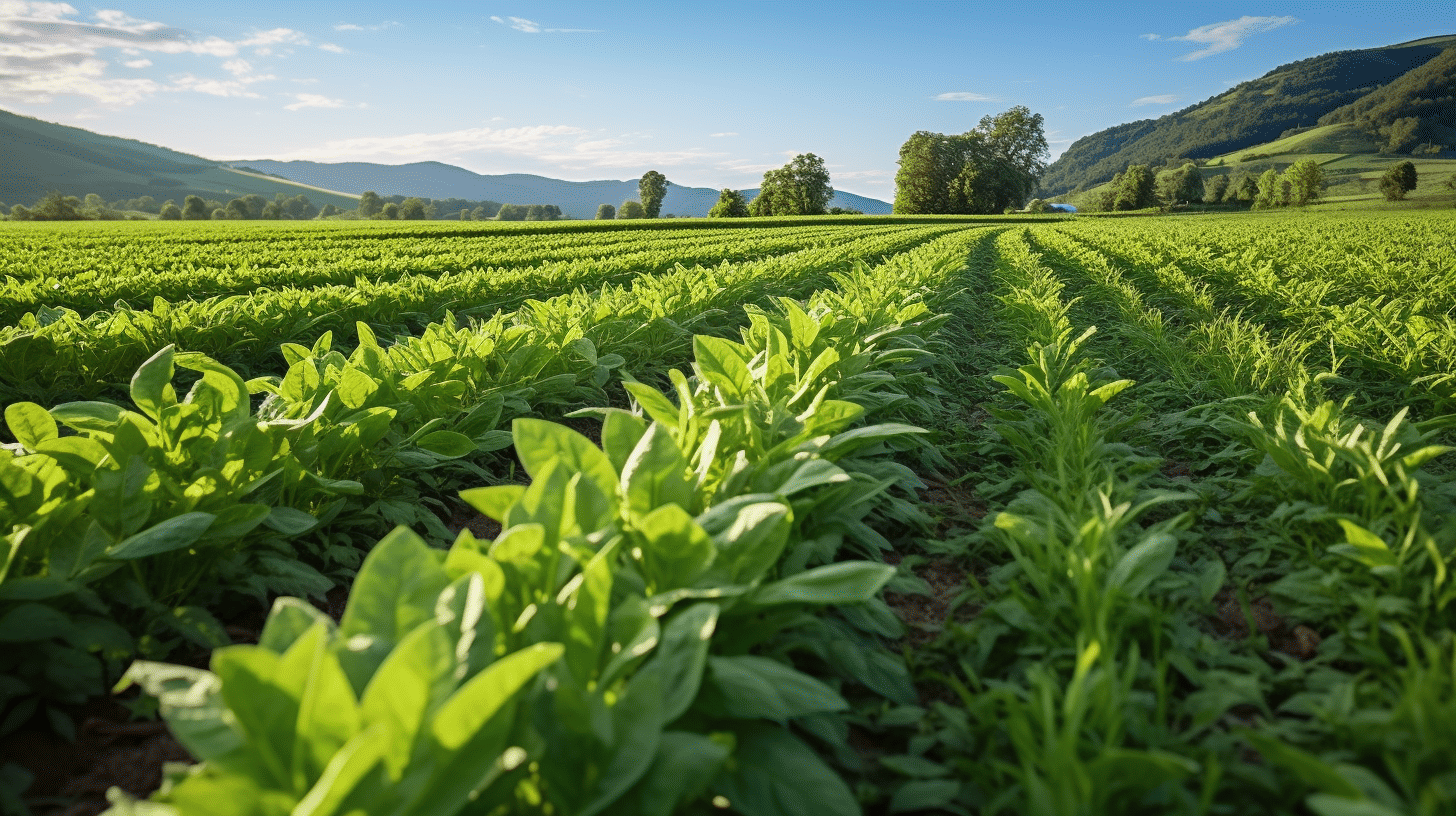
Cover crops have long been recognized as a key component of sustainable farming practices. These versatile plants not only help farmers protect and improve their soil but also promote overall ecosystem health. As a sustainable farmer, understanding the importance of soil fertility and how cover crops can support it is crucial for long-term success.
In this article, we will delve into the techniques that sustainable farmers can use to promote soil fertility through the strategic use of cover crops. We will explore the basics of soil fertility, the different types of cover crops, and how these plants can contribute to nitrogen fixation, erosion prevention, organic matter addition, and soil structure improvement. Furthermore, we will provide insights into the best cover crops for promoting soil fertility and specific techniques for incorporating them into your farming practices.
By the end of this article, sustainable farmers will have a comprehensive understanding of how cover crops can benefit their farming operations and enhance the long-term health of their soil. Whether you are a seasoned farmer or just starting out on your sustainable farming journey, the information presented here will help you make informed decisions about cover crop selection and application techniques.
So, let’s dive in and discover the secrets to promoting soil fertility with cover crops!
Understanding Soil Fertility
Soil fertility is a fundamental concept in agriculture and plays a crucial role in sustainable farming practices. Farmers and gardeners understand the importance of soil fertility for robust plant growth and high crop yields. In this section, we will explore the basic concepts of soil fertility and highlight its significance in sustainable farming.
Basic Concepts of Soil Fertility
To comprehend soil fertility, it is essential to understand some key concepts associated with it. Here are a few fundamental aspects of soil fertility:
- Nutrient Availability: Soil fertility is closely linked to the availability of essential nutrients that plants require for their development. These nutrients, such as nitrogen, phosphorus, and potassium, are present in the soil in varying amounts. Maintaining a balance of these nutrients is vital for healthy plant growth.
- Soil pH: The pH level of the soil influences nutrient availability. Different plants have specific pH requirements, and soil pH affects the solubility and uptake of nutrients by plant roots. Understanding and adjusting soil pH can help optimize nutrient availability and uptake.
- Organic Matter: Organic matter in the soil provides numerous benefits for soil fertility. It improves soil structure, enhances water retention, promotes beneficial microbial activity, and generally increases nutrient availability in the soil.
- Soil Texture: Soil texture refers to the proportions of sand, silt, and clay particles in the soil. Soil texture affects soil fertility as it influences water-holding capacity, aeration, and nutrient retention. Different crops have varying requirements depending on the soil texture.
Importance of Soil Fertility for Sustainable Farming
Soil fertility is critically important for sustainable farming practices. Here’s why:
- Enhances Crop Productivity: Fertile soil provides plants with the necessary nutrients for growth, leading to improved crop productivity and higher yields. Adequate nutrient availability promotes healthy plant development, resistance to diseases and pests, and overall plant vigor.
- Improves Soil Health: Optimal soil fertility fosters a healthy soil ecosystem. Balanced nutrient levels, organic matter content, and beneficial microorganisms contribute to improved soil structure, moisture retention, and nutrient cycling. Healthy soils minimize erosion, enhance water infiltration, and promote the sustainability of farming systems.
- Reduces Environmental Impact: By maintaining soil fertility, farmers can reduce their reliance on synthetic fertilizers and pesticides. A fertile soil naturally provides plants with the nutrients they need, reducing the need for chemical inputs. With sustainable farming practices, soil fertility can be maintained without compromising the environment.
In conclusion, understanding soil fertility is vital for sustainable farming. By grasping the basic concepts and recognizing its importance, farmers and gardeners can implement practices that optimize soil fertility, leading to healthier plants, increased yields, and a positive environmental impact.
Basics of Cover Crops
Cover crops have been gaining popularity among farmers and gardeners in recent years, and for good reason. These versatile plants provide a range of benefits that can enhance the health and productivity of the soil, improve crop yields, and contribute to sustainable farming practices. If you’re new to the concept of cover crops, this article will give you a solid understanding of what they are and the different types available. So let’s jump right in!
What Are Cover Crops
Cover crops, also known as green manure, are plants that are grown to improve the soil quality between planting seasons. Unlike cash crops, which are grown for their harvestable yield, cover crops serve other purposes in the agricultural system. They are typically used in fallow periods or after the main crop is harvested, providing a “cover” for the soil.
Here are some key points to know about cover crops:
- Soil health improvement: Cover crops play a crucial role in enhancing soil fertility and structure. When cover crops are grown, their roots penetrate deep into the soil, breaking up compacted layers and improving aeration. They also contribute organic matter to the soil as they decompose, increasing its nutrient content and moisture-holding capacity.
- Erosion prevention: Cover crops act as a natural shield against soil erosion caused by wind and water. Their dense foliage absorbs the impact of raindrops, preventing soil particles from being dislodged and carried away. In areas prone to erosion, cover crops are especially beneficial for preventing nutrient loss and preserving topsoil quality.
- Weed suppression: Cover crops compete with weeds for sunlight, water, and nutrients, effectively suppressing their growth. By shading the soil and releasing natural chemicals, cover crops can significantly reduce the weed seedbank in the field. This, in turn, reduces the need for herbicides and manual weed control.
- Nutrient management: Different cover crops have varying abilities to scavenge and retain nutrients. Some cover crops, like legumes, are nitrogen-fixing, meaning they can harness nitrogen from the atmosphere and convert it into a form that other plants can utilize. This natural process reduces the need for synthetic nitrogen fertilizers and helps maintain nutrient balance in the soil.
Types of Cover Crops
Cover crops come in a wide range of species, each with its own set of characteristics and benefits. Farmers and gardeners can choose from different types of cover crops depending on their specific goals and requirements. Here are some common cover crop options:
- Legumes: Leguminous cover crops, such as clover, vetch, and peas, are excellent nitrogen-fixers. They form a symbiotic relationship with nitrogen-fixing bacteria, harnessing atmospheric nitrogen and converting it into a usable form. Legume cover crops are particularly beneficial for increasing nitrogen levels and improving soil fertility.
- Grasses: Grass cover crops, like rye, oats, and wheat, are known for their rapid growth and extensive root systems. They are effective at suppressing weeds and adding organic matter to the soil as they decompose. Grasses also help prevent erosion and improve soil structure.
- Brassicas: Brassica cover crops, including radishes, turnips, and mustards, are valued for their deep taproots that break through compacted soil layers. They scavenge nutrients from deep within the soil and release them upon decomposition. Brassicas also help suppress weeds and can be used as biofumigants to control certain soil-borne pests and diseases.
- Mixtures: Cover crop mixtures, as the name suggests, are a combination of different species. Mixing cover crops allows farmers to maximize the benefits and diversity they provide. For example, a mixture of legumes and grasses can offer both nitrogen fixation and weed suppression.
Cover crops can be tailored to meet specific needs, and their benefits are best realized when selected and managed correctly. Whether you’re focused on building soil health, reducing erosion, or managing pests, there’s a cover crop option that can help achieve your goals.
In the next section, we’ll dive deeper into the advantages and considerations of different cover crop types, helping you choose the best options for your farming or gardening practices.
How Cover Crops Promote Soil Fertility
Cover crops are a powerful tool that farmers and gardeners can use to boost soil fertility. By incorporating specific plant species into their rotation, they can reap a variety of benefits that contribute to healthier and more productive soil. Let’s explore some of the ways in which cover crops can promote soil fertility.
Nitrogen Fixation
One of the significant benefits of cover crops is their ability to fix nitrogen. Some plants, such as legumes, have a unique partnership with soil bacteria called rhizobia. These bacteria live in nodules on the plant’s roots and can convert atmospheric nitrogen into a form that plants can use. The nitrogen-fixing capability of cover crops helps to replenish this essential nutrient in the soil, reducing the need for synthetic fertilizers. As a result, farmers can save both money and reduce their environmental impact by harnessing the power of cover crops.
Prevention of Soil Erosion
Soil erosion is a pressing issue that can deplete soil fertility over time. When exposed to wind or water, topsoil can be washed or blown away, taking valuable nutrients with it. This is where cover crops come into play. With their dense root systems and above-ground canopy, cover crops act as a protective shield for the soil. They help prevent erosion by holding the soil in place, reducing the impact of rainfall and wind. This not only ensures that nutrients remain in the soil but also improves water infiltration, reducing runoff and the risk of nutrient pollution in nearby water bodies.
Organic Matter Addition
Organic matter is the lifeblood of healthy soil. It provides a source of nutrients, improves water holding capacity, and enhances soil structure. Cover crops play a vital role in adding organic matter to the soil. As they grow and eventually decompose, cover crops contribute organic material to the soil, enriching it with essential nutrients. This process helps to build up the soil’s organic matter content over time, improving its overall fertility and creating a favorable environment for beneficial soil organisms.
Improving Soil Structure
A well-structured soil is crucial for plant growth. It allows for proper root development, water infiltration, and air circulation. When soils become compacted or lack sufficient organic matter, plant roots struggle to penetrate and take up nutrients effectively. However, cover crops can help improve soil structure. Their extensive root systems break up compacted soil, creating channels for air and water movement. Additionally, as cover crops decay, they contribute to the formation of stable aggregates, which further improve soil structure. This improved soil structure enhances nutrient availability, root growth, and overall plant performance.
In conclusion, cover crops offer a multitude of benefits when it comes to promoting soil fertility. They contribute to nitrogen fixation, prevent soil erosion, add organic matter, and improve soil structure. By incorporating these crops into their agricultural practices, farmers and gardeners can harness their power and create a more resilient and productive soil ecosystem.
Best Cover Crops for Promoting Soil Fertility
Cover crops are an essential tool for promoting soil fertility in agricultural practices. They provide numerous benefits, including reducing erosion, enhancing soil structure, and increasing organic matter content. In this article, we will explore some of the best cover crops that can help boost soil fertility.
Clover
Clover is a popular cover crop choice due to its ability to fix nitrogen in the soil. Nitrogen fixation is the process by which certain plants, like clover, convert atmospheric nitrogen into a usable form that other plants can absorb. This helps increase the availability of nitrogen, an essential nutrient for plant growth.
In addition to nitrogen fixation, clover also improves soil health by:
- Suppressing weeds: Clover’s dense growth shades out weeds, reducing competition for nutrients and moisture.
- Preventing erosion: Its extensive root system holds the soil in place, minimizing erosion.
- Enhancing soil structure: Clover’s deep roots break up compacted soil, improving drainage and aeration.
Vetch
Vetch is another excellent cover crop option for soil fertility. Similar to clover, vetch also has the ability to fix nitrogen. This makes it a valuable addition to crop rotations, as it replenishes the nitrogen levels in the soil.
Key benefits of vetch as a cover crop include:
- Weed suppression: Vetch forms a dense ground cover, choking out weeds and reducing the need for herbicides.
- Pest management: Vetch attracts beneficial insects that prey on pests, contributing to natural pest control.
- Soil erosion control: With its vigorous growth and extensive root system, vetch helps prevent soil erosion and improves soil structure.
Rye
Rye is a versatile cover crop that offers multiple benefits for soil fertility. It has a fibrous root system that helps improve soil structure, leading to enhanced water infiltration and nutrient absorption. Here are some reasons why rye is an excellent choice:
- Nitrogen scavenging: Rye efficiently captures excess nitrogen in the soil, preventing it from leaching into groundwater or being lost through runoff.
- Weed control: Rye allelopathy, the release of natural chemicals, inhibits weed seed germination and growth, reducing weed competition.
- Organic matter addition: Rye’s extensive biomass adds significant amounts of organic matter to the soil when incorporated.
Winter Peas
Winter peas are a fantastic cover crop option for promoting soil fertility, particularly in colder regions. They are nitrogen-fixing legumes that provide several advantages for soil health:
- Nitrogen fixation: Winter peas convert atmospheric nitrogen into a usable form, increasing soil nitrogen levels for subsequent crops.
- Soil structure improvement: The deep taproot of winter peas aids in soil aeration and drainage, contributing to improved soil structure.
- Biomass production: Winter peas produce abundant biomass that can be easily incorporated into the soil, adding organic matter and nutrients.
In conclusion, incorporating cover crops like clover, vetch, rye, and winter peas can significantly enhance soil fertility. These cover crops not only fix nitrogen but also offer additional benefits such as weed suppression, erosion control, and improved soil structure. As a result, farmers and gardeners can reap the rewards of healthier, nutrient-rich soils, leading to increased crop yield and overall agricultural sustainability.
Techniques for Using Cover Crops to Promote Soil Fertility
Cover crops are an invaluable tool for farmers and gardeners looking to boost soil fertility and improve overall soil health. By incorporating certain techniques when using cover crops, you can maximize their effectiveness and reap the benefits of healthier, more productive soil. In this article, we will explore some essential techniques to consider when using cover crops.
Timing
Timing is crucial when it comes to planting cover crops. To get the most out of these crops, it’s important to plan ahead and plant them at the right time. Here are some key points to keep in mind:
- Plant cover crops after harvest: After harvesting your main crop, promptly sow cover crops to take advantage of the nutrients left in the soil and prevent erosion.
- Consider the weather: Take into account the seasonal weather patterns in your region. Planting cover crops before a rainy season can help them establish and grow quickly, ensuring effective soil coverage.
- Pay attention to crop rotation: If you practice crop rotation, plan your cover crop planting accordingly. Be sure to select cover crops that complement the main crop you’ll be planting in the subsequent season.
Seeding Rates
The proper seeding rate is essential to achieve optimal cover crop growth and performance. Here are a few tips to guide you in determining the right seeding rate:
- Consider the purpose: The purpose of your cover crop will determine the seeding rate. For erosion control, a dense cover is needed, while for nutrient scavenging, a lower seeding rate may be sufficient.
- Refer to seed packaging: Most cover crop seed packages provide instructions on the recommended seeding rate per acre or square foot. Use this information as a starting point and adjust it based on your specific soil conditions and goals.
- Monitor and adjust: Regularly assess your cover crop growth and adjust the seeding rate if needed. Too thick of a cover crop can lead to competition for resources, while too sparse of a cover crop may not provide adequate soil coverage.
Mixing Crops
Mixing different cover crop species can bring numerous benefits to your soil. When combining cover crop species, consider the following:
- Diversity: Incorporate a mix of nitrogen-fixing legumes, grasses, and brassicas to leverage their unique characteristics and maximize overall soil health.
- Complementary qualities: Choose cover crop species that work well together, both in terms of growth habits and nutrient cycling capabilities. For example, legumes can fix nitrogen, while grasses provide soil coverage and erosion control.
- Rotation considerations: Take into account the rotational needs of your main crop. Select cover crops that not only enhance soil health but also fit into your crop rotation plan.
Crop Rotation
Integrating cover crops into your crop rotation plan can further enhance soil fertility and break pest and disease cycles. Consider the following when planning crop rotations with cover crops:
- Plan ahead: Determine which cover crops will best complement your main crop in the following season. Select cover crops that address any soil deficiencies or aim to break the cycle of pest or disease buildup.
- Adjust length of rotations: Depending on the needs of your soil and crops, consider adjusting the length of your crop rotations. Longer rotations that include multiple cover crops can provide more significant benefits over time.
- Focus on soil health: Prioritize cover crops that improve soil structure, increase organic matter, fix nitrogen, or scavenge nutrients. These crops will contribute to the overall health and fertility of your soil.
Incorporating these techniques into your cover crop strategy will help you reap the benefits of healthier, more fertile soil. Take the time to plan your cover crops wisely, considering factors like timing, seeding rates, crop mixing, and crop rotation. By doing so, you’ll not only promote soil fertility but also create a thriving ecosystem below the surface that supports the growth of your main crops.
Conclusion
In conclusion, cover crops are a valuable tool for sustainable farmers looking to promote soil fertility. By incorporating cover crops into their farming practices, farmers can reap numerous benefits, including improved soil structure, organic matter addition, prevention of soil erosion, and nitrogen fixation. With a wide range of cover crop options available, farmers can choose the best ones for their specific needs and goals.
By using techniques such as timing, seeding rates, mixing crops, and crop rotation, farmers can maximize the effectiveness of cover crops in promoting soil fertility. These techniques allow for optimal growth and nutrient cycling, leading to healthier and more productive soil.
Regenerative agriculture wiki is committed to providing comprehensive guides and insights on regenerative farming practices, including the use of cover crops. We aim to educate and inspire individuals and communities to adopt sustainable farming methods and contribute to global food security. Visit our website to learn more and join us in fostering a future where agriculture and ecology thrive hand in hand.
Frequently Asked Questions
- What are cover crops and how do they promote soil fertility?
Cover crops are crops that are grown specifically to improve soil health and fertility. They help prevent erosion, suppress weeds, improve soil structure, increase organic matter content, and provide nutrients when they are incorporated into the soil.
- Which cover crops are best for promoting soil fertility?
There are several cover crops that are known to promote soil fertility, including legumes like clover, hairy vetch, and red clover that fix nitrogen in the soil. Other popular choices include winter rye, buckwheat, and oats which provide good ground cover and act as nutrient scavengers.
- When should cover crops be planted for maximum soil fertility benefits?
Cover crops should be planted during fall or early spring, depending on the specific crop and climate. This allows them to establish before winter or provide soil cover throughout the colder months, effectively preventing erosion and enhancing nutrient retention.
- How should cover crops be incorporated into the soil?
Cover crops can be incorporated into the soil by either mowing and tilling them under, or by rolling and crimping them to create a mulch layer. The method chosen depends on the specific cover crop and the farmer’s practices and equipment.
- What are the long-term benefits of using cover crops for soil fertility?
Using cover crops for soil fertility can lead to long-term benefits, such as improved soil structure, increased water infiltration, enhanced nutrient cycling, reduced soil erosion, and reduced dependency on synthetic fertilizers and pesticides.


