Regenerative farming has gained significant attention in recent years as a sustainable and environmentally friendly approach to agriculture. This holistic method goes beyond traditional farming practices by focusing on restoring and enhancing ecosystems rather than just extracting resources from them. By adopting regenerative farming techniques, farmers can not only improve their soil health, but also contribute to climate change mitigation and biodiversity conservation.
In this article, we will explore different approaches to regenerative farming and delve into the pros and cons of each method. We will also discuss the impact of regenerative farming on the environment, particularly in terms of soil conservation and carbon capturing. Whether you are a farmer looking to transition to more sustainable practices or simply interested in learning about innovative agricultural techniques, this article will provide valuable insights into the world of regenerative farming. So, let’s dive in and discover the transformative power of regenerative farming!
What is Regenerative Farming?
Regenerative farming is not just a buzzword; it’s a transformative approach to agriculture that aims to improve the health of our planet and ensure the sustainability of our food systems. It goes beyond simply sustainable practices and focuses on actively regenerating the soil, ecosystems, and biodiversity that are essential for the health of our planet.
Definition
Regenerative farming can be defined as a holistic approach to agriculture that prioritizes the restoration and enhancement of the health of our soils, while also considering the overall health of the ecosystems in which farming takes place. It involves implementing practices that actively build soil organic matter, promote biodiversity, and minimize synthetic inputs and chemical fertilizers.
The fundamental principles of regenerative farming include:
- Soil Health: Regenerative farmers prioritize the health of their soils, recognizing that healthy soils are the foundation for sustainable and productive agriculture. By implementing practices such as cover cropping, crop rotation, and minimal or no-till farming, they aim to improve soil structure, fertility, and water retention.
- Biodiversity: Regenerative farmers understand the importance of biodiversity in maintaining resilient ecosystems. They encourage the presence of a variety of plant and animal species on their farms, promoting natural pest control, soil nutrient cycling, and overall ecosystem health.
- Carbon Sequestration: One of the key goals of regenerative farming is to sequester carbon from the atmosphere and store it in the soil. By implementing practices that enhance soil organic matter, such as composting, mulching, and agroforestry, regenerative farmers contribute to mitigating climate change by reducing greenhouse gas emissions.
Significance
Regenerative farming stands out as a significant approach to agriculture due to its various benefits for the environment, farmers, and consumers. Here’s why regenerative farming is gaining recognition and support:
- Environmental Resilience: Regenerative farming practices help restore and enhance ecosystem health, contributing to the conservation of biodiversity, soil fertility, and water quality. By adopting these practices, farmers can mitigate climate change, reduce soil erosion, and conserve valuable natural resources.
- Farmers’ Well-being: Regenerative farming offers numerous benefits to farmers. By reducing the reliance on chemical inputs, regenerative farmers can lower input costs, improve yields, and increase the resilience of their farming systems. Additionally, improved soil health and reduced chemical exposure can contribute to better farmer health and well-being.
- Quality Food: Regenerative farming focuses on producing healthy and nutritious food by prioritizing the quality of the soil. By enhancing soil health, regenerative farmers can produce crops with higher nutritional content, improved flavor, and enhanced resistance to pests and diseases. This translates into healthier and more flavorful food for consumers.
In summary, regenerative farming is a transformative agricultural approach that prioritizes the restoration and enhancement of soil health, biodiversity, and ecosystem resilience. By adopting regenerative practices, farmers can contribute to environmental sustainability, improve their own well-being, and provide consumers with high-quality, nutritious food. It’s an approach that holds great promise for building a more sustainable future for agriculture and our planet.
Read more about the importance of regenerative farming
Different Approaches to Regenerative Farming
Different Approaches to Regenerative Farming
Regenerative farming is gaining traction as a sustainable and environmentally friendly approach to agriculture. It focuses on improving soil health, biodiversity, and ecosystem resilience. In this article, we will explore four different approaches to regenerative farming: Holistic Management, Permaculture, Biodynamic Agriculture, and Agroecology.
Holistic Management
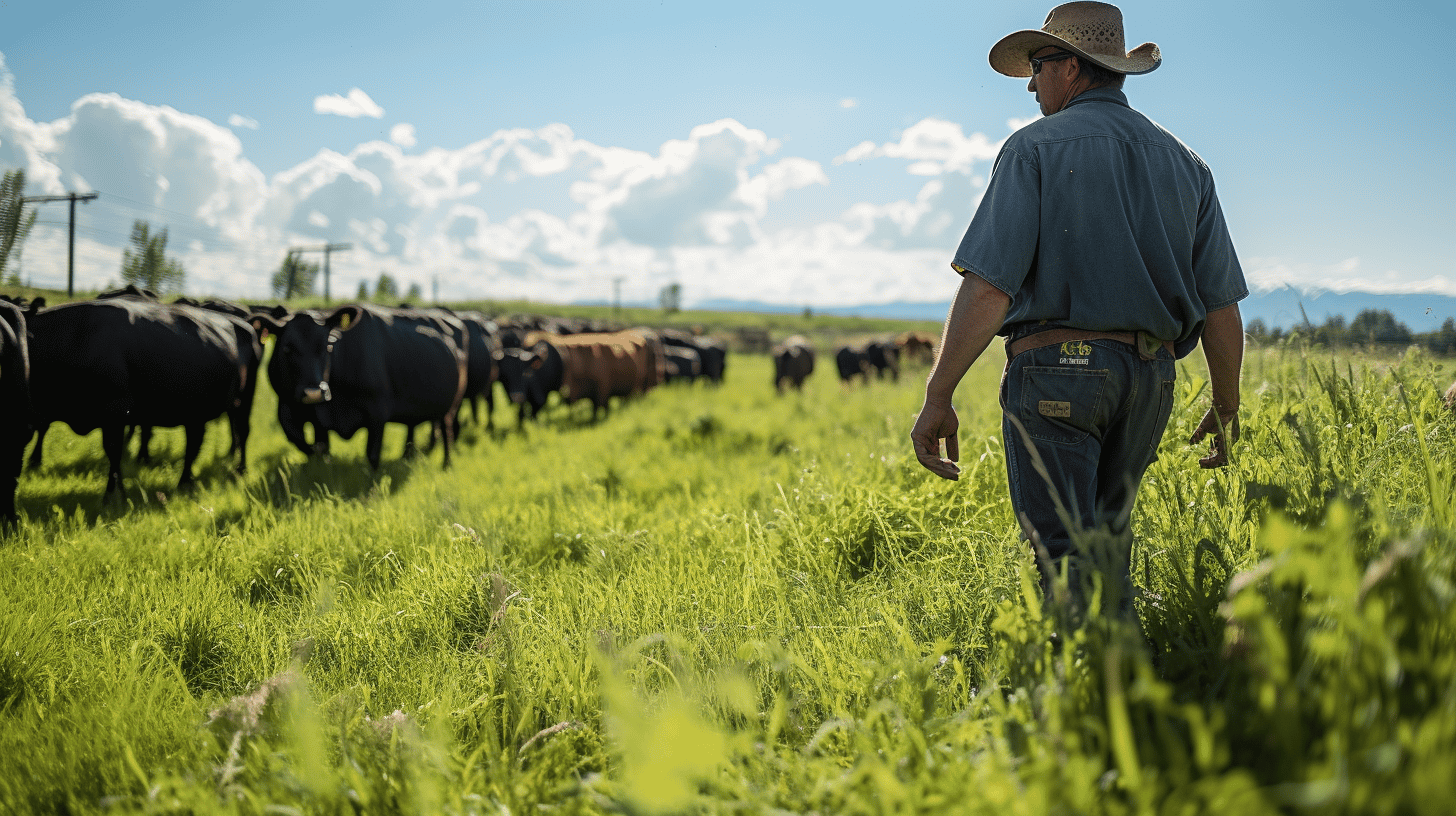
Holistic management takes a comprehensive approach to land management, emphasizing biodiversity and ecosystem health. It recognizes the interconnectedness between livestock, grasslands, and wildlife. By carefully managing grazing patterns, farmers can regenerate and improve soil health, increase organic matter content, and even mitigate climate change.
Key features of holistic management include:
- Planned rotational grazing: This practice involves dividing pastures into smaller sections and rotating livestock between them. This allows for adequate rest and regeneration of grasses and ensures uniform grazing pressure.
- Monitoring and adapting: Holistic management encourages farmers to monitor changes in vegetation, soil health, and water resources. Based on the data collected, they can adapt their grazing plans to ensure optimal outcomes for both livestock and the land.
Permaculture
Permaculture is a design system that integrates productivity with biodiversity conservation. It aims to create self-sustaining ecosystems that require minimal external inputs. Through careful observation and design, permaculture practitioners create diverse and productive landscapes that mimic natural patterns.
Key principles of permaculture include:
- Designing for resilience: Permaculture encourages designing systems that can adapt and bounce back from disturbances. This can include using diverse plant species, capturing and storing rainwater, and creating habitat for beneficial insects and wildlife.
- Multifunctional elements: Permaculture designs often incorporate elements that serve multiple purposes. For example, a fruit tree can provide shade, produce fruit, attract pollinators, and stabilize soil.
Biodynamic Agriculture
Biodynamic agriculture takes a holistic approach that integrates astrological and ecological concepts. It goes beyond organic farming by considering the farm as a living organism connected to the larger cosmos. Biodynamic farmers use specific preparations and applications to enhance soil fertility and promote plant and animal health.
Key practices of biodynamic agriculture include:
- Compost and biodynamic preparations: Biodynamic farmers use special compost preparations, such as cow manure stuffed into cow horns and buried, to enhance soil fertility and microbial activity. They also follow a strict calendar that aligns agricultural activities with lunar and planetary cycles.
- Biodiversity and farm self-sufficiency: Biodynamic farms aim to be self-sufficient by incorporating diverse crops and livestock. They prioritize creating a balanced and resilient ecosystem that can thrive without relying on external inputs.
Agroecology
Agroecology merges concepts from ecology and socioeconomics to create sustainable and socially equitable food systems. It emphasizes the importance of preserving natural resources, protecting biodiversity, and empowering local communities.
Key principles of agroecology include:
- Diverse cropping systems: Agroecology encourages farmers to adopt diverse cropping systems that include a variety of plant species and different management techniques. This promotes natural pest control, improves soil health, and enhances overall farm resilience.
- Local knowledge and innovation: Agroecology recognizes the value of local knowledge and empowers farmers to innovate and adapt practices to their specific context. It promotes farmer-led research and knowledge sharing to improve agricultural practices at the local level.
In conclusion, these four approaches to regenerative farming – Holistic Management, Permaculture, Biodynamic Agriculture, and Agroecology – offer different strategies for farmers to enhance soil health, biodiversity, and ecosystem resilience. By adopting these approaches, farmers can contribute to a more sustainable and resilient agricultural system that benefits both the environment and the community.
Pros and Cons of Regenerative Farming
Benefits
Regenerative farming offers several benefits that make it an attractive option for farmers and consumers alike. Here are some of the key advantages:
- Improved soil health: Through the use of cover crops, crop rotations, and reduced tillage, regenerative farming practices foster the development of healthy soils. This helps to retain moisture, prevent erosion, and increase nutrient availability, leading to improved crop yields and overall farm productivity.
- Enhanced biodiversity: By maintaining diverse crop rotations and incorporating natural habitats, regenerative farming promotes biodiversity on and around farms. This helps to support pollinators, beneficial insects, and other wildlife, contributing to a more resilient and balanced ecosystem.
- Reduced chemical inputs: Regenerative farming minimizes the use of synthetic fertilizers, pesticides, and herbicides. Instead, it emphasizes natural alternatives such as compost, organic matter, and biological pest control methods. This reduces chemical runoff into waterways and decreases the potential for negative impacts on human health and the environment.
- Climate change mitigation: Regenerative farming practices, such as the sequestration of carbon in the soil, can help mitigate climate change by acting as carbon sinks. This means that farms implementing regenerative techniques can potentially offset greenhouse gas emissions and contribute to global efforts to combat climate change.
- Improved water quality: By promoting healthy soil structure and reducing erosion, regenerative farming practices help to improve water quality. This has positive impacts on aquatic ecosystems, reduces the need for water treatment, and ensures a healthier water supply for both human and animal consumption.
Challenges
While regenerative farming holds great promise, it also presents some challenges that farmers and practitioners need to navigate. Here are a few of the key considerations:
- Transition period: Transitioning from conventional farming practices to regenerative farming can be a time-consuming and challenging process. It requires farmers to adopt new techniques, invest in alternative inputs, and often face lower yields initially as the soil undergoes restoration. Patience, support, and education are essential during this transitional period.
- Knowledge and expertise: Successful implementation of regenerative farming requires a deep understanding of ecological processes, soil health, and the specific needs of crops and livestock. Farmers may need additional training and support to develop these specialized skills, which can be a significant barrier, especially for small-scale or resource-limited operations.
- Market demand and pricing: While consumer interest in regenerative products is growing, the market demand and pricing for these products can be unpredictable and inconsistent. Farmers may face challenges in finding stable markets and receiving fair compensation for their regeneratively produced goods.
- Scaling up: Regenerative farming is often associated with small-scale and diversified operations. Scaling up regenerative practices on a larger commercial scale can be complex, given the need for extensive land management and investment in infrastructure. Overcoming these hurdles may require innovative solutions and collaboration among farmers, policymakers, and other stakeholders.
In conclusion, regenerative farming offers numerous benefits, including improved soil health, enhanced biodiversity, reduced chemical inputs, climate change mitigation, and improved water quality. However, challenges such as the transition period, knowledge and expertise requirements, market demand, and scaling up remain. As awareness and understanding of regenerative farming continue to grow, addressing these challenges will be crucial in realizing its full potential for sustainable agriculture.
Impact of Regenerative Farming on the Environment
Introduction:
Regenerative farming is an innovative approach to agriculture that focuses on improving soil health and ecosystem resilience. Unlike conventional farming methods, which often degrade the environment, regenerative farming practices aim to restore the natural balance of ecosystems and promote sustainable agricultural practices. In this section, we will explore two key aspects of regenerative farming’s impact on the environment: soil conservation and carbon capturing.
Soil Conservation
Regenerative farming plays a crucial role in soil conservation, preserving the very foundation of sustainable agriculture. Here are a few key points highlighting the impact of regenerative farming on soil health and productivity:
- Promoting soil organic matter: Regenerative farming practices such as cover cropping, crop rotation, and minimal tillage help increase the organic matter content in the soil. This organic material acts as a sponge, enhancing the soil’s water-holding capacity and reducing erosion. It also improves nutrient availability, contributing to healthier crops.
- Enhancing soil biodiversity: By promoting diverse crop rotations and incorporating plant and animal residues into the soil, regenerative farming fosters a diverse and robust soil microbiome. These beneficial microbes aid in nutrient cycling, disease suppression, and overall soil health. Increased soil biodiversity leads to enhanced soil structure, aggregation, and stability.
- Mitigating soil erosion: One of the significant challenges in conventional agriculture is soil erosion, which occurs due to intensive tillage and the removal of crop residues. Regenerative farming practices such as no-till or reduced tillage methods and the use of cover crops help prevent erosion by protecting the soil surface and promoting root growth.
- Reducing chemical inputs: In regenerative farming, the emphasis is on natural pest and weed management techniques rather than relying heavily on synthetic chemical inputs. This reduced reliance on pesticides and herbicides not only minimizes the chemical load in the soil but also helps preserve beneficial insects and other organisms, fostering a healthier ecosystem.
Carbon Capturing
Regenerative farming practices have gained attention for their significant contribution to carbon sequestration. By effectively capturing and storing carbon dioxide from the atmosphere, regenerative agriculture helps mitigate climate change. Here’s how regenerative farming practices contribute to carbon sequestration:
- Increasing soil organic carbon: Regenerative farming techniques, such as cover cropping and incorporating organic matter into the soil, promote the accumulation of soil organic carbon. This helps sequester carbon dioxide from the atmosphere, reducing its impact as a greenhouse gas and mitigating climate change.
- Reducing synthetic fertilizer use: Conventional agriculture relies heavily on synthetic fertilizers, which contribute to greenhouse gas emissions during their production and use. Regenerative farming practices often employ natural nutrient management techniques, such as composting and crop rotation, reducing the need for synthetic fertilizers and their associated emissions.
- Preserving existing carbon stocks: By minimizing soil disturbance through reduced tillage and organic matter preservation, regenerative farming helps prevent the release of stored carbon from the soil. This preservation of existing carbon stocks further assists in mitigating climate change.
In conclusion, regenerative farming practices have a profound impact on the environment. By promoting soil conservation and carbon sequestration, regenerative farmers are not only improving agricultural productivity but also contributing to a healthier and more sustainable planet for future generations. The next section will delve deeper into some notable examples of regenerative farming techniques being implemented around the world.
Conclusion
Regenerative farming offers a promising path towards a sustainable and harmonious future for agriculture and the environment. By adopting practices such as holistic management, permaculture, biodynamic agriculture, and agroecology, farmers can transform their land into thriving ecosystems that support soil health, biodiversity, and carbon capture.
While regenerative farming comes with its fair share of challenges, such as the need for knowledge and upfront investment, the benefits are substantial. Not only does it promote healthier soils and more resilient ecosystems, but it also enhances food security and supports local communities.
At Regenerative Agriculture Wiki, we are passionate about sharing knowledge and resources to empower individuals and communities in their journey towards regenerative farming. Our platform offers a wealth of informative content on various topics, including soil health, permaculture, and agroecology.
Join us in exploring the potential of regenerative agriculture and be part of a movement that fosters a sustainable future for our planet. Visit our website to learn more and embark on your regenerative farming journey today. Together, we can make a difference.
Visit Regenerative Agriculture Wiki to start your regenerative farming journey.
Frequently Asked Questions
- What is regenerative farming?
Regenerative farming is an approach to agriculture that focuses on restoring and improving soil health, biodiversity, and ecosystem functions. It aims to create sustainable and resilient farming systems that enrich the environment rather than depleting it.
- What are some common regenerative farming methods?
Common regenerative farming methods include cover cropping, crop rotation, minimal tillage, composting, agroforestry, and the use of natural fertilizers and pesticides. These methods promote soil regeneration, enhance biodiversity, and decrease reliance on synthetic inputs.
- How does regenerative farming benefit the environment?
Regenerative farming practices help combat climate change by sequestering carbon in the soil, reduce soil erosion, enhance water quality, and promote the conservation of natural resources. They also support wildlife habitats and increase biodiversity.
- Can regenerative farming methods increase crop yields?
Yes, regenerative farming methods have the potential to increase crop yields over time. By improving soil health, enhancing nutrient cycling, and reducing pest and disease pressures, regenerative practices can lead to more productive and resilient farming systems.
- Are regenerative farming methods applicable to all types of agriculture?
Yes, regenerative farming methods can be applied to various types of agriculture, including small-scale and large-scale farming, organic and conventional systems. These methods focus on principles that can be adapted to suit different contexts and farming practices.