Water is essential for all forms of life on Earth. From quenching our thirst to supporting ecosystems, it plays a vital role in our daily lives. However, as the global population continues to grow and climate change poses new challenges, effective water management is becoming increasingly important.
Whether you’re a homeowner, a business owner, or a community leader, understanding and implementing effective water management practices can have far-reaching benefits. Not only can it help conserve this precious resource, but it can also save you money and minimize the environmental impact of your water usage.
In this article, we will explore the tools and techniques available for beginners to implement efficient water management. From tracking water usage to implementing conservation strategies, we will provide you with the knowledge and resources you need to make a positive impact. So let’s dive in and discover how you can make water management easier and more effective in your daily life!
Importance of Effective Water Management
Water is a precious resource that sustains life on our planet. From drinking and sanitation to agriculture and industrial processes, water is essential for various aspects of our daily lives. However, with increasing population and the effects of climate change, the demand for water is rising while its availability is decreasing. This calls for effective water management to ensure the sustainable use and conservation of this vital resource.
The Benefits of Effective Water Management
Implementing effective water management practices brings numerous benefits, both for individuals and communities, as well as the environment. Here are some of the key advantages:
- Water Conservation: Effective water management helps conserve water by reducing wastage and optimizing its use. This is crucial in regions where water scarcity or drought conditions are prevalent. By ensuring responsible water usage, we can avoid water shortages and ensure a sustainable supply for future generations.
- Cost Savings: Efficient water management can lead to significant cost savings for individuals and organizations. By implementing water-saving measures, such as using water-efficient technologies and fixtures, we can reduce water bills and operational expenses.
- Environmental Protection: Proper water management practices contribute to the protection and conservation of ecosystems and biodiversity. By minimizing pollution and preventing water contamination, we can safeguard aquatic habitats and preserve the health of our rivers, lakes, and oceans.
- Preserving Water Quality: Effective water management involves treating and purifying water to meet quality standards. This ensures that the water we consume and use for various purposes is safe and free from contaminants, protecting public health.
- Mitigating Climate Change: Water management plays a critical role in mitigating the impacts of climate change. By implementing sustainable water practices, such as rainwater harvesting and efficient irrigation systems, we can reduce greenhouse gas emissions and adapt to changing climatic conditions.
The Role of Technology in Water Management
Advancements in technology have revolutionized the way we manage water resources. Here are some technologies and innovations that are transforming water management practices:
- Smart Water Meters: Smart water meters provide real-time data on water usage, allowing individuals and utilities to monitor and manage their water consumption effectively. This helps identify leaks and optimize water usage for both residential and commercial purposes.
- Water Efficiency Devices: From low-flow faucets and showerheads to water-efficient appliances, a range of devices has been developed to promote water conservation without compromising on functionality. These devices help reduce water consumption without sacrificing comfort or convenience.
Did you know? According to the Environmental Protection Agency (EPA), replacing an old toilet with a water-efficient model can save up to 13,000 gallons of water per year.
- Wastewater Treatment and Reuse: Technologies for wastewater treatment and reuse are gaining prominence, allowing us to extract valuable resources from wastewater and reduce the burden on freshwater sources. These technologies help promote circular economy principles by treating wastewater to a level suitable for non-potable uses such as irrigation or industrial processes.
- Remote Sensing and Data Analytics: Remote sensing technologies, such as satellite imagery and aerial surveys, combined with data analytics, enable effective monitoring and assessment of water resources. This data-driven approach helps identify water stress areas, optimize water allocation, and predict droughts or floods, enabling better decision-making in water management.
By harnessing the power of technology and implementing effective water management strategies, we can ensure the responsible and sustainable use of water resources. This will not only benefit us in the present but also leave a legacy of water security for future generations.
Global Water Management Market
Water is one of the most vital resources on our planet, and its effective management is crucial for sustainable development. The global water management market plays a vital role in ensuring the efficient use and conservation of this precious resource. Let’s take a closer look at two key segments within this market: the smart water management market and the water and wastewater treatment market.
Smart Water Management Market
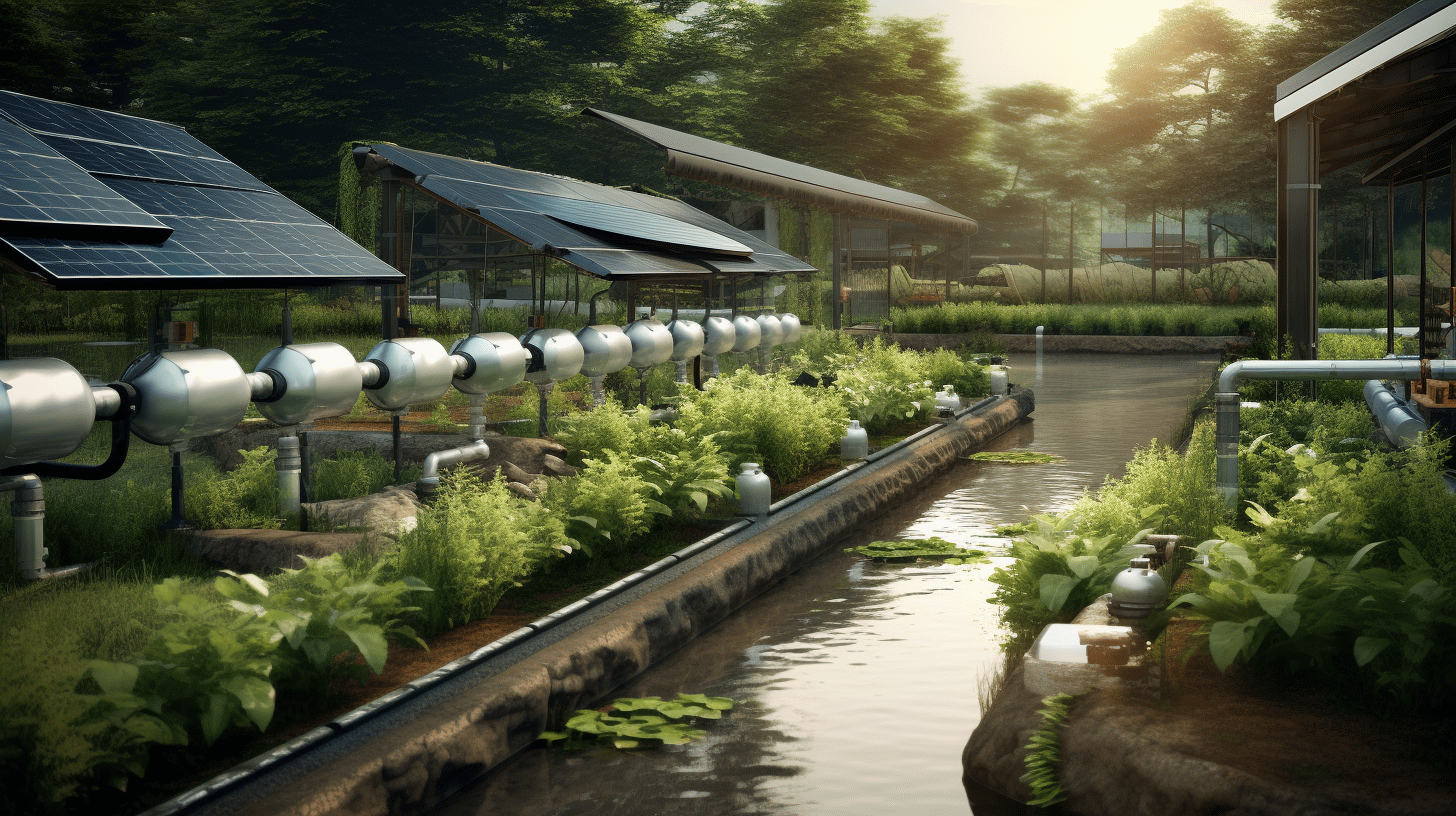
The smart water management market is a rapidly growing sector that leverages technology to optimize water usage, detect leaks, monitor water quality, and improve overall operational efficiency. With increasing water scarcity and the need for sustainable water management, the demand for smart water management solutions is on the rise.
According to recent projections, the global smart water management market is expected to reach a staggering $53.6 billion by 2031, growing at a compound annual growth rate (CAGR) of 14.2%. This significant growth can be attributed to several factors, including:
- The increasing adoption of advanced technologies, such as Internet of Things (IoT), Big Data analytics, and Artificial Intelligence (AI), in water management systems.
- Government initiatives promoting the implementation of smart water solutions to mitigate water wastage and ensure long-term water sustainability.
- Rising awareness among industries and consumers about the benefits of smart water management in cost savings, environmental conservation, and improving water supply reliability.
Water and Wastewater Treatment Market
The water and wastewater treatment market focuses on the purification and treatment of water to meet stringent quality standards for various applications, including drinking water supply, industrial processes, and agricultural irrigation. As the demand for clean and safe water increases, the need for efficient water treatment processes becomes paramount.
The water and wastewater treatment market is expected to be worth around $89.7 billion by 2032, growing at a compound annual growth rate (CAGR). Several factors are driving the growth of this market:
- The growing population, urbanization, and industrialization, leading to increased water pollution and the need for effective treatment solutions.
- Stringent government regulations and environmental standards that mandate the treatment of wastewater before discharge.
- The adoption of advanced water treatment technologies, such as membrane filtration, advanced oxidation processes, and reverse osmosis, to ensure the removal of contaminants and pollutants.
In conclusion, the global water management market is witnessing significant growth, driven by the rising importance of sustainable water management practices. The smart water management market is projected to reach $53.6 billion by 2031, while the water and wastewater treatment market is expected to be worth $89.7 billion by 2032. As technology continues to advance and the importance of water conservation grows, we can expect further innovation and investment in this crucial sector.
Tools for Effective Water Management
Water is a precious resource that we rely on for countless essential activities, from drinking and cooking to sanitation and irrigation. With the increasing global population and the challenges posed by climate change, effective water management has become more important than ever. Fortunately, there are a variety of tools available to help individuals, communities, and organizations better understand and manage their water resources. Whether you’re a homeowner looking to conserve water or a water utility company seeking to optimize distribution, these tools can provide valuable insights and support informed decision-making. Let’s explore some of the key tools for effective water management:
1. Water Monitoring Systems
One of the foundational tools for effective water management is a robust water monitoring system. These systems use sensors and advanced technology to collect data on water quality, quantity, and usage in real-time. By continuously monitoring water parameters such as flow rates, pressure, temperature, and contaminants, these systems provide valuable insights into the performance of water infrastructure and identify potential issues early on. Water monitoring systems enable proactive maintenance, leak detection, and efficient allocation of resources, ultimately leading to reduced water loss and improved system efficiency.
2. Geographic Information Systems (GIS)
Geographic Information Systems (GIS) are powerful tools that combine geography and data to provide spatial analysis and visualization. GIS technology allows water managers to map and analyze various features related to water resources, such as hydrological models, water infrastructure, land use patterns, and demographic information. By overlaying different layers of data, GIS helps identify vulnerable areas, plan resource allocation, and assess the impact of development on water resources. It is a valuable tool for water managers to understand the complex spatial relationships and make informed decisions based on geospatial information.
3. Water Efficiency Calculators
Water efficiency calculators are user-friendly tools that help individuals and organizations measure their water usage and identify potential areas for improvement. These calculators typically consider factors such as household size, irrigation practices, and appliance efficiency to estimate water consumption. By inputting data such as number of occupants, frequency of water use, and appliance types, users can gain insights into their water usage patterns and receive customized recommendations for reducing consumption. Water efficiency calculators play a crucial role in promoting water conservation and raising awareness about the impact of individual actions on water resources.
4. Demand Management Software
Demand management software is a valuable tool for water utility companies to optimize water distribution and meet customer demands effectively. These software solutions use algorithms and historical data to predict water demand patterns and allocate resources accordingly. By analyzing factors such as weather, customer behavior, and seasonal variations, demand management software helps utilities plan for peak usage periods, identify potential shortages, and optimize water supply infrastructure. This data-driven approach enables utilities to make informed decisions that maximize system efficiency, reduce waste, and ensure reliable water supply to customers.
5. Water Budgeting Tools
Water budgeting tools provide a structured framework for individuals and businesses to track and manage their water usage. These tools typically involve setting goals, tracking consumption, and analyzing trends over time. By establishing water budgets and monitoring progress, users can identify inefficiencies, set targets for improvement, and implement conservation measures. Water budgeting tools provide a tangible way to measure water consumption and promote accountability, both at the individual level and within organizations.
In conclusion, effective water management is crucial for ensuring the sustainability and resilience of our water resources. The tools mentioned above provide valuable support in understanding, monitoring, and optimizing water usage. By leveraging these tools, stakeholders can make informed decisions, conserve water, reduce waste, and contribute to a more sustainable future. Investing in these tools is not only beneficial for individual water users but also for communities and organizations seeking to create a positive impact on our planet’s most precious resource.
Techniques for Effective Water Management
Water is a precious resource that is essential for all life on Earth. With the increasing global population and climate change, effective water management has become more important than ever. In this article, we will explore some techniques that can help us manage water resources efficiently and sustainably.
Rainwater Harvesting
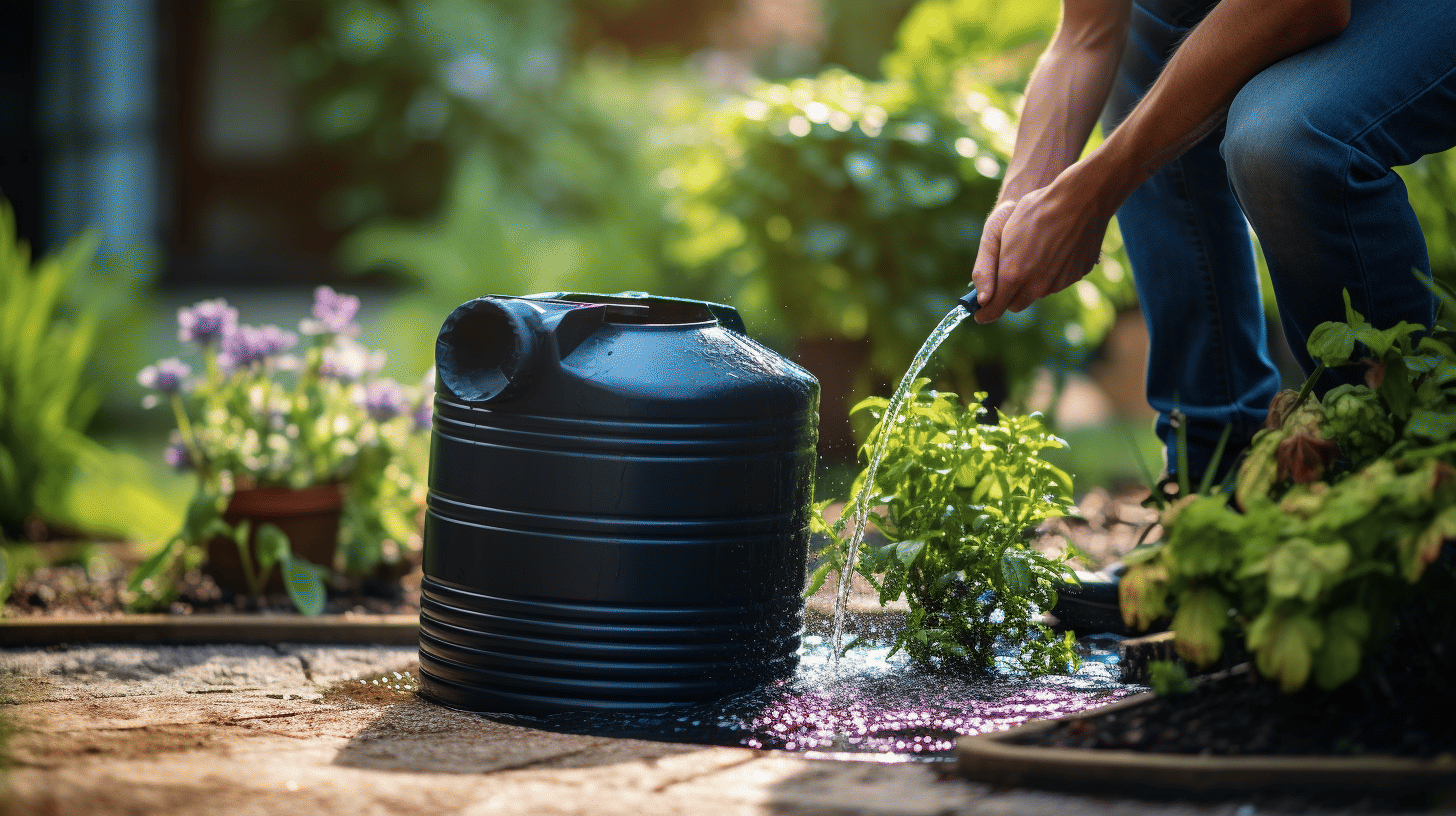
One of the most effective techniques for water management is rainwater harvesting. This process involves collecting and storing rainwater for later use. By capturing rainwater, we can reduce the strain on traditional water sources such as groundwater or reservoirs. Rainwater harvesting systems can range from simple rain barrels to more complex systems that collect and treat rainwater for potable use. Some benefits of rainwater harvesting include:
- Conservation: Rainwater harvesting helps to conserve water resources by using rainwater instead of relying solely on other sources.
- Reduced runoff: Collecting rainwater helps to reduce stormwater runoff, which can prevent flooding and erosion.
- Cost savings: Using harvested rainwater for non-potable purposes such as irrigation can lead to cost savings on water bills.
Drip Irrigation
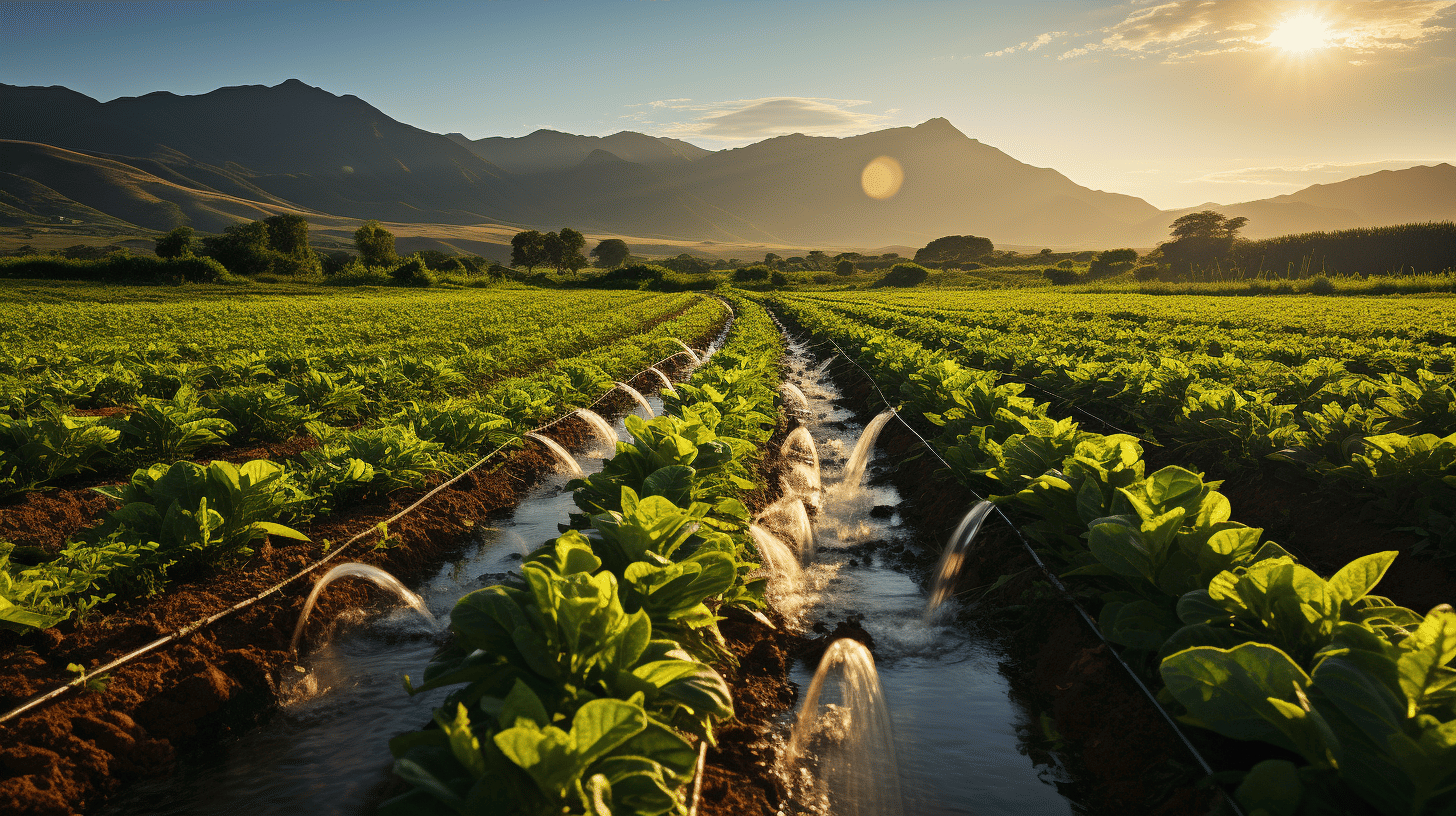
Another effective technique for water management is drip irrigation. Unlike traditional sprinkler systems, drip irrigation delivers water directly to the roots of plants in small, controlled amounts. This method minimizes water loss due to evaporation or runoff. Drip irrigation systems involve placing tubes or pipes with small holes near the base of plants, allowing water to drip slowly and steadily into the soil. Some advantages of drip irrigation include:
- Water efficiency: Drip irrigation systems have higher water-use efficiency compared to traditional sprinkler systems.
- Reduced weed growth: Because water is delivered directly to the plant roots, drip irrigation reduces weed growth by minimizing water contact with unplanted areas.
- Improved plant health: Drip irrigation provides plants with a consistent water supply, promoting healthier root growth and reducing the risk of diseases caused by overwatering.
Greywater Recycling
Greywater recycling is a technique that involves collecting and treating household wastewater, excluding toilet water, for reuse. This water can be used for non-potable purposes such as irrigation, toilet flushing, or laundry. Greywater recycling helps to reduce water consumption and strain on freshwater sources. Some benefits of greywater recycling include:
- Water conservation: By recycling and reusing greywater, we can reduce the demand for freshwater resources.
- Cost savings: Using treated greywater for non-potable purposes can lead to cost savings on water bills.
- Reduced strain on sewage systems: Greywater recycling reduces the volume of wastewater entering sewage systems, alleviating the burden on treatment plants.
In conclusion, effective water management is crucial for ensuring the availability and sustainability of water resources. Techniques such as rainwater harvesting, drip irrigation, and greywater recycling can contribute to water conservation, reduced water bills, and a more sustainable future. By implementing these techniques, individuals, communities, and industries can make a significant impact on water management and help mitigate the impacts of water scarcity.
Water Conservation Strategies for Beginners
Water conservation is an important practice for everyone to adopt. Not only does it help protect our natural resources, but it also contributes to cost savings and ensures a sustainable future. If you’re just starting to think about water conservation, here are some strategies to help you get started:
1. Fix Leaks
One of the first steps in water conservation is identifying and fixing leaks in your home. Leaks can waste hundreds of gallons of water each month, leading to both water and financial loss. Check faucets, toilets, and pipes for any signs of leaks, such as dripping water or damp areas. Fixing leaks promptly can make a significant difference in your water usage.
2. Install Water-Saving Fixtures
Consider upgrading your fixtures to more water-efficient alternatives. Installing low-flow showerheads and faucets can reduce the amount of water used without sacrificing water pressure. Likewise, replacing older toilets with low-flow models can save a substantial amount of water per flush. These simple changes can have a big impact on your water consumption.
3. Be Mindful of Outdoor Water Usage
Outdoor water usage accounts for a significant portion of residential water consumption. To conserve water outdoors, consider implementing the following practices:
- Water your plants and lawn early in the morning or late in the evening to minimize evaporation.
- Use a broom to clean outdoor surfaces instead of hosing them down.
- Collect rainwater in barrels to use for watering plants or washing your car.
4. Only Run Full Loads
Whether it’s your dishwasher or washing machine, make sure you’re waiting until you have a full load before running these appliances. Running partial loads wastes both water and energy. By maximizing the capacity of these machines, you can reduce water usage and decrease the number of cycles necessary.
5. Use Water-Saving Techniques in the Garden
If you have a garden or plants, there are several water-saving techniques you can implement:
- Mulching helps retain soil moisture, reducing the frequency of watering.
- Group plants with similar water needs together to avoid overwatering.
- Consider using native plants that are adapted to your region’s climate and require less water.
Remember, every drop counts, and these small changes can add up to substantial water savings over time. By adopting these water conservation strategies, you’re not only taking a step towards a more sustainable future but also reducing your water bill in the process. So, why wait? Start conserving water today and make a positive impact on our planet.
Check out this link for more water conservation tips and tricks!
Conclusion
In conclusion, effective water management is crucial for sustainable agriculture and a thriving ecosystem. By implementing the right tools and techniques, farmers and landowners can optimize their water usage, conserve this precious resource, and promote a healthy environment. From using smart irrigation systems to adopting regenerative farming practices, there are several ways to improve water management and contribute to the global efforts for conservation.
At Regenerative Agriculture Wiki, we are committed to providing you with valuable information and resources to support your journey towards sustainable farming practices. Explore our extensive content on regenerative agriculture, soil health, holistic management, and more to learn how you can make a positive impact on the planet. Join us in fostering a future where agriculture and ecology thrive in harmony.
Don’t miss out on the wealth of knowledge and inspiration available on our blog. Visit us at Regenerative Agriculture Wiki and unlock the potential of regenerative agriculture to create a more sustainable and resilient future. Together, let’s cultivate a greener world for generations to come.
Frequently Asked Questions
- Why is water management important?
Water management is important because it helps conserve water, prevents water pollution, reduces water-related hazards, and ensures sustainable use of water resources.
- What are some basic tools for water management?
Some basic tools for water management include rainwater barrels, drip irrigation systems, water flow meters, soil moisture sensors, and water timers.
- How can I reduce water consumption in my home?
To reduce water consumption in your home, you can install low-flow faucets and showerheads, fix any leaks promptly, use water-efficient appliances and fixtures, and practice water-saving habits such as shorter showers and turning off the tap while brushing your teeth.
- What are some techniques for water conservation in gardening?
Some techniques for water conservation in gardening include mulching, grouping plants with similar water needs, watering deeply but infrequently, using drought-tolerant plants, and collecting and reusing rainwater.
- How can I manage stormwater effectively?
To manage stormwater effectively, you can implement techniques such as rain gardens, permeable paving, and installing rain barrels or cisterns to capture and store rainwater.