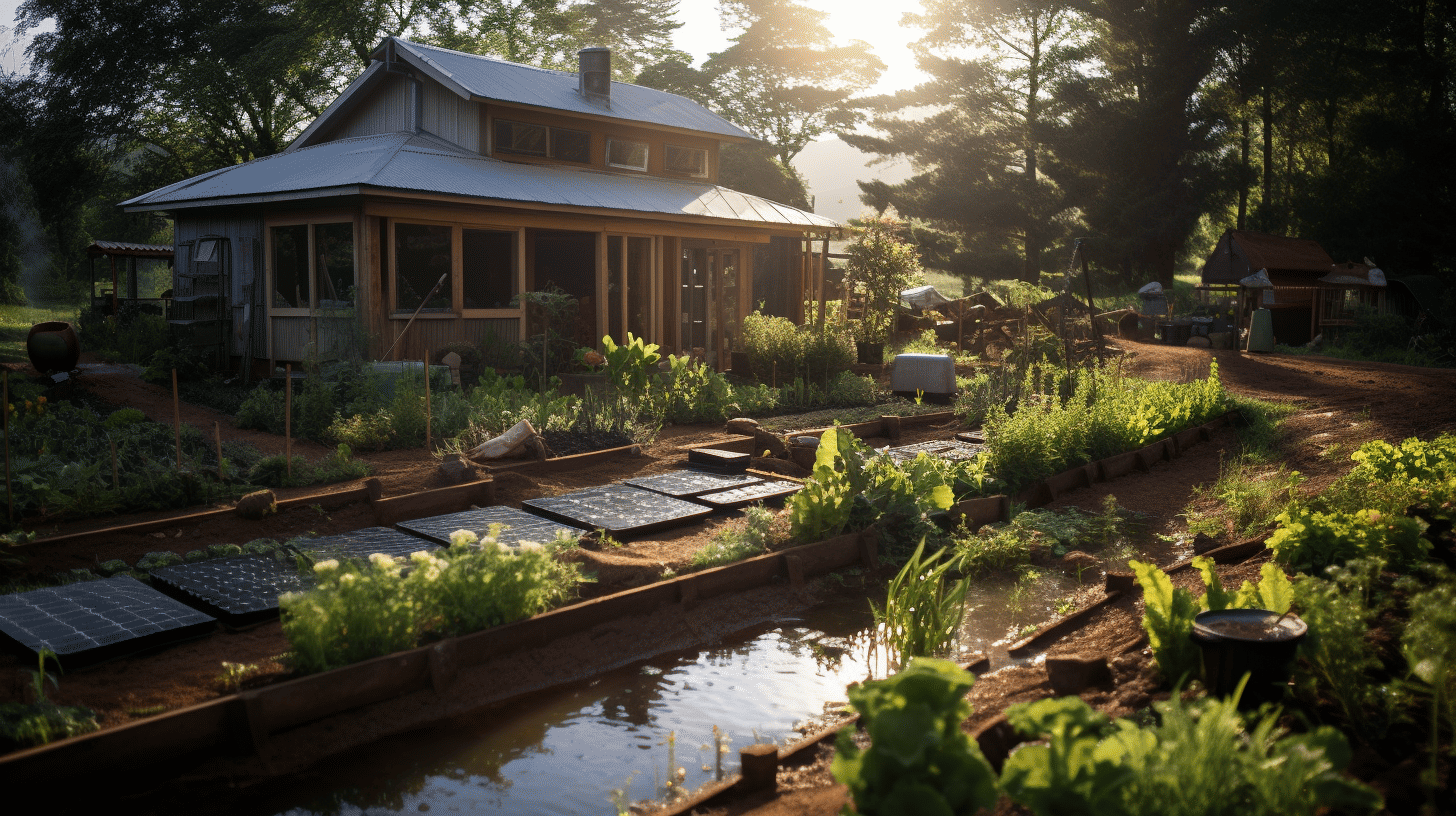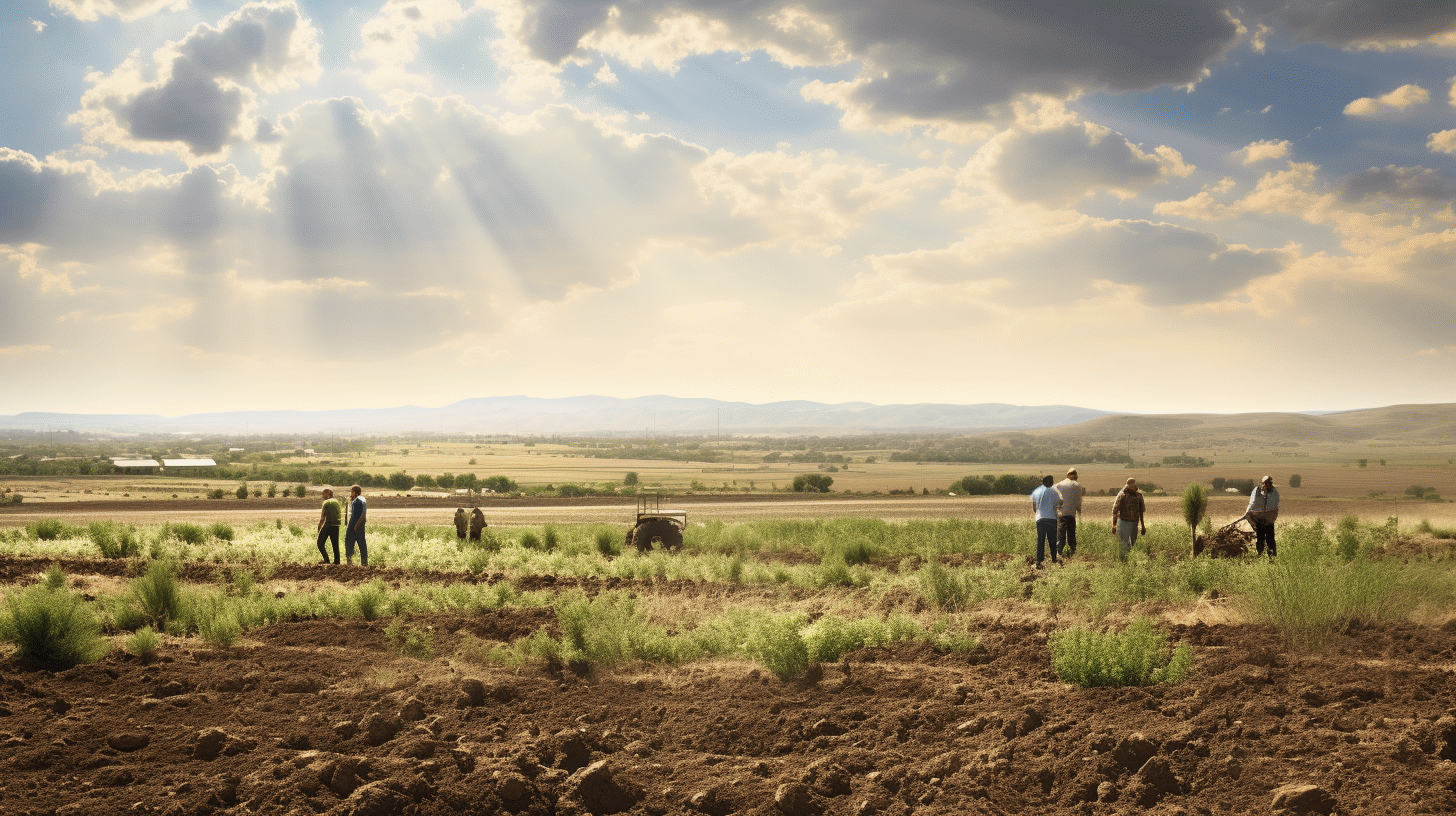
Regenerative agriculture is a dynamic and forward-thinking approach to farming that has been gaining traction in recent years. Farmers around the world are adopting regenerative practices and witnessing remarkable results. This article will explore the success stories of farmers who have embraced regenerative agriculture and how it is contributing to climate resilience.
Regenerative agriculture is not just another passing trend; it is a movement that recognizes the interdependence between healthy soil, biodiversity, and climate stability. By employing regenerative practices, farmers are not only improving the productivity and profitability of their lands but also mitigating the effects of climate change. Through this holistic approach, they are working towards building a sustainable and resilient future for generations to come.
In this article, we will delve into the following aspects of regenerative agriculture:
- The increased adoption rates of regenerative practices by farmers worldwide
- The estimated market worth of regenerative agriculture
- The various beneficiaries of regenerative agriculture practices, from farmers to consumers
Through these success stories and data-driven insights, we will gain a deeper understanding of how regenerative agriculture is transforming the face of modern farming and contributing to climate resilience. So let’s get started on this inspiring journey into the world of regenerative agriculture!
Regenerative Agriculture: A Movement on the Rise
Regenerative agriculture is gaining traction as a powerful solution to combat the adverse consequences of industrial farming practices. Its emphasis on nurturing soil health, promoting biodiversity, and reducing carbon emissions has garnered attention and support from farmers, environmentalists, and consumers alike. The regenerative agriculture movement presents a promising path forward for sustainable food production and a healthier planet. Let’s delve into some key aspects that highlight the increasing momentum behind this movement.
Increased Adoption Rates
In recent years, there has been a significant surge in the adoption of regenerative agriculture practices. According to recent data, the adoption rates have increased by up to 70% from 2017 to 2021[1]. Farmers are recognizing the long-term benefits of regenerative practices and are transitioning from conventional methods to a more holistic approach to farming. This shift is driven by a realization that regenerative agriculture not only improves soil health and crop yields but also helps mitigate climate change impacts.
Estimated Market Worth
The regenerative agriculture market is projected to witness substantial growth in the coming years. It is estimated to be worth $8.7 billion in 2022 and is expected to reach $16.8 billion by 2027, with a compound annual growth rate (CAGR) of 14.0%[2]. This exponential growth is indicative of the increasing demand for regenerative products and services across the agricultural sector. The market encompasses a wide range of practices, including organic farming, agroforestry, cover cropping, and holistic grazing, among others.
Beneficiaries of Regenerative Agriculture Practices
Regenerative agriculture practices have far-reaching benefits, not only for the environment but also for the farmers themselves. Over 15 million small farmers have already benefitted from adopting regenerative agriculture practices[3]. These practices provide farmers with the tools and knowledge to enhance soil fertility, increase crop resilience, and reduce input costs. By employing techniques such as composting, crop rotation, and integrated pest management, farmers can improve their livelihoods and build sustainable farming systems.
In summary, regenerative agriculture is experiencing a surge in popularity, with increased adoption rates and a projected market worth in the billions. This movement is transforming the way we produce food, focusing on restoring ecosystems, mitigating climate change, and supporting the livelihoods of farmers. As more individuals and organizations recognize the value of regenerative practices, we can expect to see a more sustainable and resilient agricultural industry in the years to come.
[1]: Link to data on increased adoption rates – source
[2]: Link to data on estimated market worth – source
[3]: Link to data on beneficiaries of regenerative agriculture practices – source
Regenerative Agriculture and Greenhouse-Gas Emissions
Regenerative agriculture is gaining traction as an innovative and sustainable approach to farming. This holistic practice focuses on enhancing ecosystem health, soil fertility, and biodiversity. But did you know that regenerative agriculture also has the potential to play a significant role in reducing greenhouse-gas emissions? Let’s take a closer look at how this farming method can contribute to a greener future.
The Impact of Global Agriculture on Greenhouse-Gas Emissions
Global agriculture is responsible for up to 8.5% of all greenhouse-gas emissions, primarily through the production and use of synthetic fertilizers, deforestation for agriculture, and emissions from livestock. The agricultural sector is a significant contributor to climate change, and finding sustainable solutions is crucial for mitigating its impact.
The Carbon Sequestration Potential of Regenerative Agriculture
One key aspect of regenerative agriculture is its ability to sequester carbon dioxide from the atmosphere and store it in the soil. By implementing regenerative practices such as cover cropping, crop rotation, and minimal tillage, farmers can improve soil organic matter and enhance carbon sequestration. Studies have shown that regenerative agriculture practices can potentially sequester up to 250 million tons of carbon dioxide annually in the United States alone.
How Does Regenerative Agriculture Reduce Greenhouse-Gas Emissions?
Regenerative agriculture offers several mechanisms for reducing greenhouse-gas emissions and promoting a more sustainable agricultural system. Some of these mechanisms include:
- Carbon Sequestration: As mentioned earlier, regenerative practices enhance carbon storage in the soil, effectively removing carbon dioxide from the atmosphere and mitigating its impact on climate change.
- Reduced Synthetic Inputs: By minimizing or eliminating synthetic fertilizers and pesticides, regenerative farmers reduce the production and use of these inputs, which contribute to greenhouse-gas emissions during their manufacturing processes.
- Enhanced Soil Health: Healthy soils with ample organic matter have improved nutrient cycling and water-holding capacity, reducing the need for irrigation and synthetic fertilizers. This, in turn, reduces the associated greenhouse-gas emissions from fertilizer production and water usage.
- Improved Biodiversity: Regenerative agriculture practices promote biodiversity, which can help to enhance ecosystem resilience. Biodiverse systems are more efficient in nutrient cycling and pest control, reducing the reliance on chemical inputs and mitigating associated greenhouse-gas emissions.
The Role of Regenerative Agriculture in a Greener Future
Regenerative agriculture has the potential to revolutionize the way we produce food while addressing the urgent need to reduce greenhouse-gas emissions. By implementing environmentally friendly practices, farmers can contribute to carbon sequestration, reduce reliance on synthetic inputs, and enhance overall ecological resilience. Embracing regenerative agriculture is not only beneficial for the environment but also for farmers’ livelihoods and the long-term sustainability of our food system.
As we strive for a more sustainable future, it is crucial to support and promote regenerative agriculture practices. The potential to reduce greenhouse-gas emissions, sequester carbon dioxide, and enhance ecosystem health makes it a viable and promising solution for combating climate change. Through collective efforts and widespread adoption, regenerative agriculture can play a significant role in creating a greener and more resilient world.
Profitability of Regenerative Farming
Introduction
Regenerative farming has gained significant attention in recent years due to its environmental benefits and ability to improve soil health. But is regenerative farming not just sustainable but also profitable? Let’s delve into the profitability of regenerative farming and how it compares to traditional agriculture.
Comparison to Traditional Agriculture
Traditional agriculture has long been the dominant form of farming, focusing on high-input systems that rely heavily on synthetic fertilizers and pesticides. While it has been effective in meeting the world’s food demands, traditional agriculture often comes with several drawbacks, including soil degradation, decreased biodiversity, and increased reliance on external inputs.
Regenerative farming, on the other hand, takes a holistic approach by mimicking nature’s processes to build soil health, enhance biodiversity, and sequester carbon. By utilizing regenerative practices such as cover cropping, crop rotation, and reduced tillage, farmers aim to create a more resilient and sustainable ecosystem. But how does it fare financially?
According to recent studies, regenerative farming can be just as profitable, if not more so, than traditional agriculture. Here are a couple of key findings:
- Higher profits over time: While regenerative fields may initially experience a slight decline in grain production compared to traditional systems, the long-term profitability is promising. In fact, studies have shown that regenerative farms can be up to 60% more profitable after just six years of implementation. This is due to a variety of factors, including reduced input costs, increased soil fertility, and improved water-holding capacity.
- Lower input costs: One of the major advantages of regenerative farming is its ability to reduce input costs. By relying less on synthetic fertilizers and pesticides, farmers can lower their expenses significantly. Additionally, regenerative practices such as cover cropping and crop rotation can naturally suppress weeds and pests, reducing the need for costly chemical inputs.
- Market demand and premiums: With the increasing consumer demand for sustainably produced food, regenerative farmers can often command a premium for their products. This is especially true in markets that prioritize organic or environmentally-friendly practices. By tapping into these niche markets, regenerative farmers can not only boost their profits but also create a loyal customer base willing to pay a premium for their products.
In conclusion, regenerative farming has proven to be a financially viable and profitable alternative to traditional agriculture. By prioritizing soil health, reducing input costs, and tapping into market demand for sustainable products, regenerative farmers can not only improve the health of our planet but also their own bottom line.
Regenerative Agriculture Enhancing Resilience to Climate Change and Soil Health
Introduction:
Regenerative agriculture is a holistic approach that focuses on improving soil health, enhancing biodiversity, and mitigating climate change. By implementing regenerative practices, farmers can create resilient agricultural systems that not only adapt to the changing climate but also contribute positively to the environment. This article highlights the benefits of regenerative agriculture in enhancing resilience to climate change and improving soil health.
Benefits of Regenerative Agriculture:
- Climate Change Mitigation: Regenerative agriculture practices, such as cover cropping, crop rotation, and agroforestry, can help sequester carbon dioxide from the atmosphere. Through the natural process of photosynthesis, plants capture carbon and store it in the soil, reducing greenhouse gas emissions. This not only helps combat climate change but also helps farmers adapt to extreme weather conditions caused by a shifting climate.
- Improving Soil Health: One of the key aspects of regenerative agriculture is prioritizing soil health. Healthy soil is crucial for productive and sustainable farming. Regenerative practices such as minimal tillage, composting, and the use of organic fertilizers promote the formation of organic matter, improve soil structure, and enhance its water-holding capacity. This leads to increased nutrient availability for crops and reduces erosion, making the soil more resilient to droughts and floods.
- Biodiversity Conservation: Regenerative agriculture embraces biodiversity by creating habitats for beneficial insects, birds, and other wildlife on farms. By restoring and preserving diverse ecosystems within and around agricultural lands, regenerative practices promote natural pest control, pollination, and soil fertility. This biodiversity conservation not only supports the long-term viability of farming systems but also contributes to the overall health of the surrounding environment.
- Water Conservation: In the face of increasing water scarcity, regenerative agriculture practices play a critical role in preserving water resources. Cover cropping, mulching, and the use of efficient irrigation techniques help reduce water loss through evaporation and runoff, allowing more water to infiltrate into the soil. This enhances water availability for crops, reduces the risk of soil erosion caused by heavy rainfall, and improves water quality by limiting chemical runoff from agricultural fields.
- Resilience to Extreme Weather: Climate change brings more frequent and intense weather events, such as droughts, floods, and heatwaves. By prioritizing soil health and biodiversity, regenerative agriculture practices enhance the resilience of farming systems to cope with these challenges. Healthy soils hold more water and nutrients, making crops more resilient to droughts. Diverse agroecosystems can better handle extreme weather events by providing natural buffers and reducing the impacts of pests and diseases.
In conclusion, regenerative agriculture offers numerous benefits in enhancing resilience to climate change and improving soil health. By adopting regenerative practices, farmers can contribute to climate change mitigation, while building more robust and sustainable farming systems. The combination of enhanced soil health, increased biodiversity, and water conservation measures makes regenerative agriculture a powerful tool for creating resilient agricultural systems in the face of climate change.
Projecting the Future of Regenerative Agriculture
Regenerative agriculture is gaining momentum as a sustainable farming practice that focuses on restoring and enhancing soil health, biodiversity, and ecosystem services. With its potential to combat climate change, improve food security, and foster resilient agricultural systems, it is no wonder that the future of regenerative agriculture looks promising. In this section, we will explore the projected growth and potential challenges of regenerative agriculture in the coming years.
1. Market Growth and Economic Potential
The regenerative agriculture market is projected to be worth around $31.2 billion in the near future[1]. As more consumers recognize the environmental and health benefits of regenerative farming, the demand for regeneratively grown products is expected to rise steadily. This presents significant economic opportunities for farmers who transition to regenerative practices.
- Increased Demand for Organic and Sustainable Products: With the growing awareness of the negative impacts of conventional agriculture, consumers are actively seeking out organic and sustainably produced food. Regenerative agriculture aligns with these consumer preferences, paving the way for greater market demand.
- Premium Prices for Regenerative Products: Due to the additional labor and attention required in regenerative farming, prices for regeneratively grown products are often higher than conventionally grown ones. As a result, farmers can potentially earn higher profits by adopting regenerative practices.
2. Environmental Benefits and Climate Change Mitigation
Regenerative agriculture has the potential to provide significant environmental benefits, making it an attractive solution for tackling climate change and promoting sustainable land management. By sequestering carbon in the soil and reducing greenhouse gas emissions, regenerative practices offer a pathway towards a more resilient and carbon-neutral agriculture sector.
- Carbon Sequestration: The implementation of regenerative practices, such as cover cropping, crop rotation, and agroforestry, can enhance soil organic matter and capture atmospheric carbon dioxide. This not only helps mitigate climate change but also improves soil fertility and water retention.
- Biodiversity Conservation: Regenerative agriculture prioritizes biodiversity conservation by creating habitats for beneficial insects, birds, and microorganisms. This leads to enhanced ecosystem services, such as natural pest control and pollination, fostering a more sustainable and balanced ecosystem.
3. Challenges and Opportunities
While the future of regenerative agriculture looks promising, there are still challenges that need to be addressed to ensure its widespread adoption and success.
- Knowledge and Education: Farmers need access to comprehensive training and information on regenerative practices to effectively implement them. Government support, research, and extension services can play a crucial role in disseminating knowledge and providing technical assistance to farmers.
- Scaling and Infrastructure: Scaling up regenerative agriculture practices requires investments in infrastructure, such as processing facilities and market access. Developing robust supply chains and distribution networks will be essential to meet the increasing demand for regenerative products.
- Policy and Financial Incentives: Governments can incentivize farmers to transition to regenerative practices through policies and financial mechanisms. This can include subsidies, tax credits, and grants to support the initial costs and potential income fluctuations associated with transitioning to regenerative agriculture.
In conclusion, the future of regenerative agriculture holds great promise. Its potential to improve soil health, mitigate climate change, and provide economic opportunities for farmers makes it a viable solution for a more sustainable and resilient agriculture sector. By addressing the challenges and leveraging the opportunities, we can pave the way for a future where regenerative agriculture becomes the norm and contributes to a more sustainable food system.
[1] Source
Conclusion
In conclusion, regenerative agriculture is not just a passing trend but a movement that is gaining traction and transforming the agricultural landscape. Farmers across the globe are recognizing the numerous benefits of adopting regenerative practices, from increased profitability to improved soil health and resilience to climate change. As awareness grows and more success stories emerge, it is clear that regenerative agriculture holds the key to creating a sustainable and thriving future for both farmers and the planet.
At Regenerative Agriculture Wiki, we are passionate about promoting regenerative farming practices and providing valuable resources to help individuals and communities adopt sustainable and regenerative techniques. Whether you are a seasoned farmer, an environmentalist, or simply someone curious about sustainable living, our platform offers a wealth of information and insights on topics such as soil health, holistic management, permaculture, and agroecology. Join us in exploring the potential of regenerative agriculture and embracing a future where agriculture and ecology thrive hand-in-hand.
For more in-depth information and comprehensive guides on regenerative agriculture, visit Regenerative Agriculture Wiki. Together, let’s nurture the environment, contribute to global food security, and shape a more sustainable world.
Frequently Asked Questions
- What is regenerative agriculture?
Regenerative agriculture is a holistic farming approach that aims to restore and improve soil health, enhance biodiversity, increase water retention, and sequester carbon by adopting practices such as cover cropping, crop rotation, minimum tillage, and integrating livestock.
- How does regenerative agriculture contribute to climate resilience?
Regenerative agriculture enhances climate resilience by building healthy soil that absorbs and retains more water, reducing the risk of erosion and flooding. It also sequesters carbon from the atmosphere, mitigating the effects of climate change.
- Can you provide some success stories of farmers practicing regenerative agriculture?
Certainly! There are numerous success stories of farmers practicing regenerative agriculture. For example, farmer John in Nebraska increased his crop yields by 30% and reduced his water usage by 40% after implementing cover cropping and rotational grazing. Farmer Sarah in California restored degraded land by planting nitrogen-fixing cover crops and increased her soil organic matter by 2% within three years.
- What are the benefits of regenerative agriculture for farmers?
Regenerative agriculture offers several benefits for farmers, such as improved soil fertility, reduced reliance on synthetic fertilizers and pesticides, increased profitability through higher crop yields, reduced input costs, enhanced biodiversity, and improved resilience against extreme weather events.
- Are there any government programs or incentives to support regenerative agriculture?
Yes, many governments offer programs and incentives to support regenerative agriculture. These can include financial assistance, technical support, tax incentives, and grants. It is advisable for farmers to research and reach out to relevant agricultural agencies or departments to explore the available support.