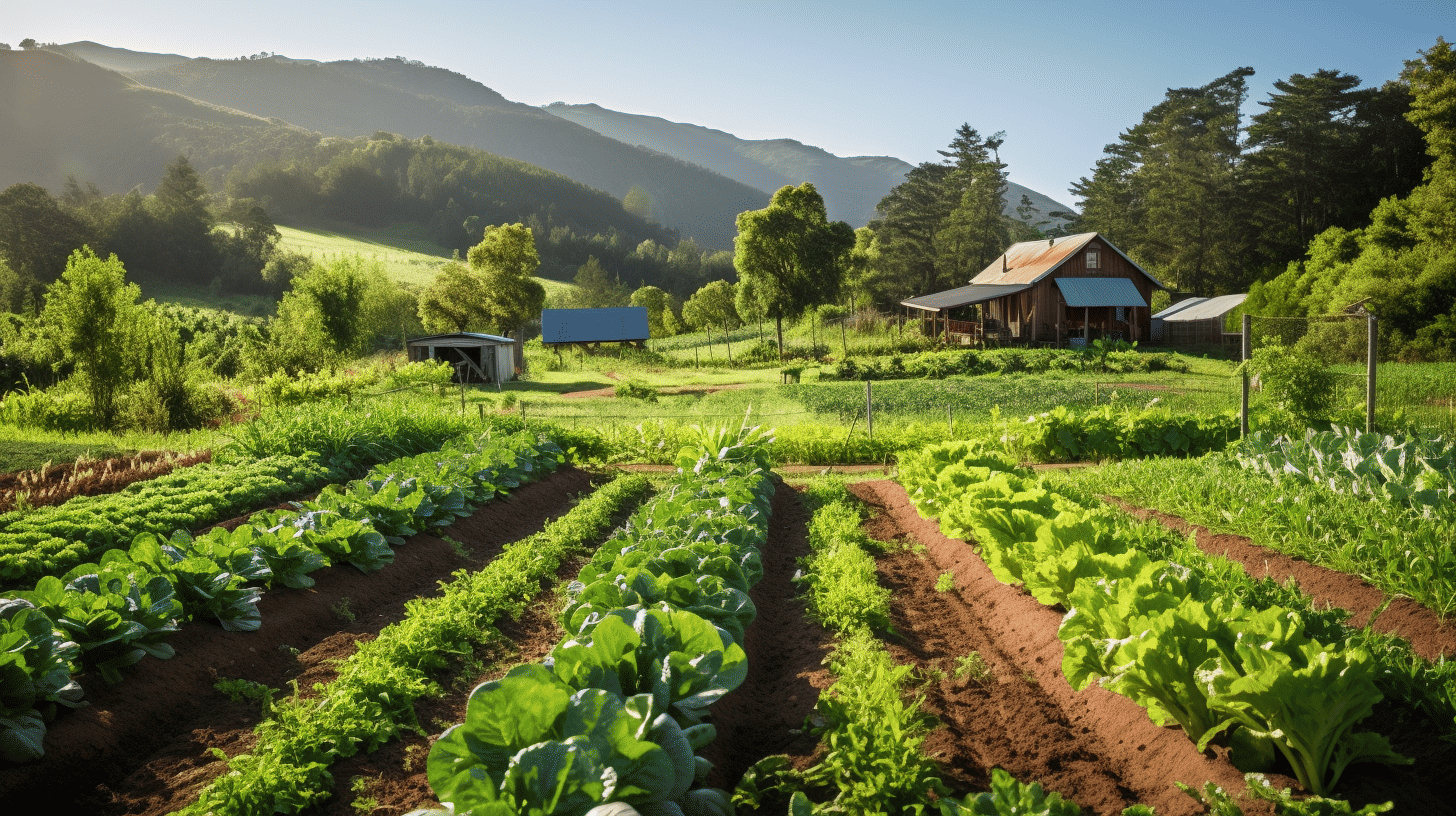
Composting is an age-old practice that has gained significant attention in the realm of sustainable agriculture. It involves the transformation of organic waste into nutrient-rich, organic matter known as compost. This process not only helps divert waste from landfills but also provides numerous benefits to agricultural systems. By harnessing the power of organic matter, composting plays a crucial role in improving soil health, enhancing crop productivity, and reducing environmental impact.
In this article, we will delve into the art of composting and explore its multifaceted benefits in agriculture. We will uncover how composting can significantly contribute to reducing greenhouse gas emissions, aiding in stormwater management, improving soil structure and health, and boosting local economies. Furthermore, we will uncover the positive impact of composting on crop quality, including increased productivity, enhanced antioxidant activity, and improved color and taste.
But what exactly makes composting such an invaluable soil enhancer? We will examine the science behind the process and explore how compost can increase soil fertility, improve soil health, and provide essential nutrients to plants.
Moreover, composting has diversified applications in various agricultural settings, ranging from crops to orchards, vineyards, and urban agriculture. We will highlight the versatility of compost and its potential to enhance soil health and promote nutrient availability.
As the future of composting continues to evolve, ongoing research focuses on understanding the benefits and potential nitrogen loss from compost piles. We will explore these areas of research and uncover the potential advancements that lie ahead.
Join us on this journey as we unravel the art of composting and discover how it can revolutionize modern agriculture. Let’s harness the power of organic matter and unlock the immense potential it holds for a sustainable and thriving future.
Role and Benefits of Composting in Agriculture
Composting plays a crucial role in modern agriculture by offering numerous benefits to both the environment and farmers. It is a natural and sustainable practice that involves the decomposition of organic waste, transforming it into nutrient-rich compost that can be used as a soil amendment. Let’s delve into some of the key benefits of composting in agriculture.
Reduction of Greenhouse Gas Emissions
Composting organic waste can lead to a significant reduction in greenhouse gas emissions. According to recent studies, composting can reduce over 50% of carbon dioxide-equivalent greenhouse gas emissions compared to sending organic waste to landfills[1]. By diverting millions of tons of organic waste from landfills, composting plays a vital role in mitigating the effects of climate change[2].
Assistance in Stormwater Management
In addition to reducing greenhouse gases, composting also helps in stormwater management. The presence of compost in the soil enhances its ability to absorb and hold water. In fact, compost can hold up to 2.5 times more water than soil without compost[3]. This increased water-holding capacity helps to reduce runoff and prevents soil erosion, improving the overall resilience of agricultural systems.
Improvement of Soil Structure, Health, and Nutrient Content
Compost is like a natural elixir for the soil. When incorporated into agricultural fields, compost improves soil structure, friability, and porosity, making it easier for roots to penetrate and allowing better air and water movement within the soil. It also enhances the soil’s water-holding capacity, reducing the need for irrigation and conserving water resources.
Moreover, compost is rich in essential nutrients that plants require for healthy growth, such as nitrogen, phosphorus, and potassium. These nutrients are released slowly and steadily over time, providing a sustainable and balanced supply for the crops. Compost also enhances the presence of beneficial microorganisms in the soil, promoting overall soil health and fertility.
Contribution to the Local Economy
The practice of composting can have significant economic benefits for local communities. By diverting organic waste from landfills and recycling it through composting, new businesses and job opportunities can be created. In fact, studies have shown that with the utilization of 10,000 tons of compost per year, new businesses can sustain 18 full-time jobs[4]. This not only contributes to the local economy but also fosters a more sustainable and circular approach to waste management.
Conservation of Water
Water scarcity is a pressing issue in many parts of the world, and agricultural practices often require substantial amounts of water. Composting can help conserve water resources by improving soil’s water-holding capacity and reducing the need for frequent irrigation. This is especially beneficial in regions where water availability is limited, as compost-amended soils can retain moisture for longer periods, reducing water usage and increasing overall water efficiency.
Promotion of Healthier Plant Growth
Lastly, composting promotes healthier plant growth. The rich and diverse nutrients found in compost nourish plants naturally, leading to improved crop yields and higher-quality produce. Additionally, the improved soil structure and increased water-holding capacity provided by compost create better growing conditions for plants, making them more resilient to stress, pests, and diseases.
In summary, composting plays a vital role in agriculture by reducing greenhouse gas emissions, aiding in stormwater management, improving soil structure and nutrient content, contributing to the local economy, conserving water, and promoting healthier plant growth. Embracing composting as a sustainable practice can have far-reaching positive effects on both the environment and the agricultural industry.
[1]: Source – US Environmental Protection Agency
[2]: Source, “Enhancing soil C sequestration through organic amendments: A comprehensive overview,” Journal of Soil Science and Plant Nutrition
[3]: Source, “Full documentation of Slagelse sustainable stormwater management system,” ResearchGate
[4]: Source – Waste Dive
Composting: A Soil Enhancer
Composting is a natural process that has long been recognized for its ability to enhance soil quality and fertility. The practice of composting involves the decomposition of organic matter, such as kitchen scraps, yard waste, and other biodegradable materials, into a nutrient-rich soil amendment known as compost.
Increase of Soil Fertility
One of the primary benefits of composting is its ability to increase soil fertility. Compost is teeming with beneficial microorganisms that aid in the breakdown of organic matter and release essential nutrients into the soil. These nutrients, including nitrogen, phosphorus, and potassium, are vital for plant growth and development. By adding compost to soil, gardeners and farmers can replenish these nutrients, promoting healthier, more robust plant growth.
In addition to providing nutrients, compost also improves the structure and texture of the soil. It helps to retain moisture, reduce compaction, and prevent erosion. This improved soil structure creates an ideal growing environment for plants, allowing their roots to penetrate the soil more easily and access water and nutrients more efficiently.
Improvement of Soil Health
Compost plays a crucial role in improving soil health. It acts as a natural soil conditioner, enhancing its ability to hold moisture and promote aeration. This, in turn, creates an optimal habitat for beneficial soil organisms like earthworms and bacteria, which are essential for maintaining a healthy soil ecosystem.
Moreover, compost helps to suppress plant diseases and pests. It contains beneficial microorganisms that can inhibit the growth of harmful pathogens, reducing the need for synthetic pesticides and fungicides. By using compost, gardeners and farmers can foster a more sustainable and environmentally-friendly approach to pest and disease management.
Addition of Essential Nutrients to the Soil
Composting also ensures the addition of essential nutrients to the soil. As organic matter breaks down during the composting process, it releases not only macro-nutrients like nitrogen, phosphorus, and potassium but also micronutrients such as magnesium, zinc, and iron. These micronutrients are vital for plant growth and play a crucial role in various physiological processes.
By enriching the soil with compost, gardeners and farmers can replenish these essential nutrients and create an environment that promotes healthy and productive plants. Additionally, compost helps to maintain a balanced pH level in the soil, providing an optimum growing environment for a wide range of plants.
In conclusion, composting is a valuable practice that can significantly enhance soil fertility, improve soil health, and enrich the soil with essential nutrients. By incorporating compost into their gardening or farming practices, individuals can create a sustainable and nutrient-rich environment for their plants to thrive.
Click here to learn more about the benefits of composting.
Impact of Composting on Crop Quality
When it comes to improving the quality of crops, composting is a game-changer. Its impact on crop productivity, antioxidant activity, and overall taste and color cannot be overstated. Research has shown that composting plays a significant role in enhancing these crucial aspects of crop quality.
Increase in Productivity
Composting is known to increase crop productivity in several ways. By adding organic matter to the soil, compost provides essential nutrients and improves soil structure, allowing plants to establish stronger root systems. This, in turn, leads to better nutrient uptake and increased water-holding capacity of the soil. As a result, crops grown in compost-amended soils often show higher yields compared to those grown in unamended soils.
But it doesn’t stop there. Compost also promotes the growth of beneficial microorganisms in the soil, which further aids in nutrient cycling and availability. This microbial activity not only enhances nutrient uptake but also helps suppress harmful pathogens, reducing the likelihood of plant diseases. With increased productivity and improved disease resistance, farmers can expect a bountiful harvest from compost-enriched soils.
Enhancement of Antioxidant Activity
Antioxidants are compounds that protect plants (and humans) from the damaging effects of free radicals. These harmful substances can accumulate in plants, leading to oxidative stress and a decline in crop quality. However, studies have found that composting can actually boost the antioxidant activity of crops.
The organic matter in compost contains valuable compounds such as phenols, flavonoids, and vitamins, which possess strong antioxidant capabilities. When these compost-derived substances are taken up by plants, they help neutralize free radicals, reducing oxidative stress and improving the overall health of the crops. This increased antioxidant activity not only benefits the plants but also enhances the nutritional value of the harvested produce for consumers.
Improvement of Color and Taste
Nothing beats the vibrant colors and delicious flavors of fresh, organic produce. And composting can help achieve just that. The organic matter in compost enriches the soil with nutrients and minerals, which are essential for the synthesis of pigments responsible for vibrant colors in fruits and vegetables.
Research has shown that crops grown in compost-amended soils often exhibit more intense colors, such as vibrant reds and deep greens, compared to those grown in conventional soils. Additionally, composting contributes to the formation of complex sugars and organic acids in plants, which play a crucial role in enhancing the taste and flavor profiles of crops. The result is produce that not only looks appealing but also delights the taste buds.
In conclusion, composting has a remarkable impact on crop quality by increasing productivity, enhancing antioxidant activity, and improving the color and taste of crops. By harnessing the power of compost, farmers can not only grow more abundant and nutritious crops but also provide consumers with produce that is visually appealing and full of flavor. Incorporating composting into agricultural practices can truly revolutionize the way we cultivate and enjoy our food.
The Diversified Applications of Compost
Compost is a versatile and valuable resource that has found its way into various applications across different industries. Its benefits extend far beyond just backyard gardening, proving its worth in agriculture, urban settings, and even vineyards and grasslands. In this article, we will explore the diversified applications of compost and how it can contribute to improving soil health and nutrient availability in different contexts.
Usage in Various Crops
Compost has long been recognized for its ability to enhance soil fertility and promote plant growth. Its nutrient-rich composition, organic matter content, and beneficial microorganisms make it an excellent choice for enriching the soil in various crop production systems. Whether it’s annual crops like vegetables and grains or perennial crops like fruit trees and vines, compost can significantly improve soil structure, moisture retention, and nutrient availability, resulting in healthier and more productive plants.
Here are some key benefits of using compost in crop production:
- Improves soil structure and water holding capacity, reducing soil erosion and water runoff.
- Increases nutrient availability by supplying essential macronutrients and micronutrients to plants.
- Enhances soil microbial activity, promoting beneficial soil organisms such as earthworms and mycorrhizal fungi.
- Suppresses soil-borne diseases and pests, reducing the need for chemical pesticides.
- Reduces the reliance on synthetic fertilizers, minimizing environmental impacts and potential groundwater contamination.
Utilization in Orchards, Vineyards, and Grasslands
Compost has proven its worth in orchards, vineyards, and grasslands, where long-term soil health and productivity are crucial. These perennial systems greatly benefit from the addition of organic matter, as it gradually improves soil structure and fertility over time. Compost acts as a steady and sustainable source of nutrients for trees, vines, and grasses, ensuring their optimum growth and vitality.
Here’s why compost is a valuable addition to orchards, vineyards, and grasslands:
- Enhances organic matter content in the soil, improving its ability to hold nutrients and water.
- Promotes beneficial microbial activity, aiding in nutrient cycling and disease suppression.
- Helps prevent soil compaction, especially in areas with high foot traffic or heavy equipment usage.
- Improves soil aeration, reducing the risk of waterlogging and root asphyxiation.
- Minimizes nutrient leaching, ensuring that essential elements stay within the root zone.
Contribution to Urban Agriculture
Composting is significantly growing in popularity in urban agriculture, where space constraints and limited access to fertile soils pose significant challenges. Urban farmers and community gardeners have turned to compost as a solution to enrich city soils and grow fresh produce in small spaces.
The benefits of compost in urban agriculture include:
- Utilizes organic waste materials generated within the city, reducing the burden on landfills.
- Enhances soil fertility and structure in community gardens, rooftop farms, and raised beds.
- Increases the yield and quality of urban-grown crops by providing essential nutrients.
- Improves water infiltration and retention in urban soils, reducing the risk of runoff and flooding.
- Minimizes the need for chemical fertilizers and pesticides, promoting environmentally-friendly practices.
Potential to Improve Soil Health and Nutrient Availability
One of the greatest strengths of compost lies in its ability to improve soil health and nutrient availability. Compost acts as a soil conditioner, introducing organic matter and beneficial microorganisms that work together to create an optimal environment for plant growth.
By using compost, farmers and gardeners can:
- Replenish and enhance soil organic matter content, improving soil structure and water-holding capacity.
- Increase nutrient availability by releasing essential elements slowly over time.
- Stimulate microbial activity, fostering a diverse and resilient soil ecosystem.
- Reduce the need for synthetic fertilizers and chemical inputs, leading to more sustainable agricultural practices.
- Restore degraded soils, such as those affected by erosion, nutrient depletion, or contamination.
In conclusion, compost offers a wide range of applications that are not only limited to backyard gardens. Its use in various crops, orchards, vineyards, grasslands, and even urban agriculture is a testament to its versatility and effectiveness in promoting soil health and nutrient availability. Incorporating compost into different systems can lead to more sustainable and resilient agricultural practices while reaping the benefits of healthier plants and improved soil conditions.
The Future of Composting: Areas of Research
Composting, the process of converting organic waste into nutrient-rich soil, has long been hailed as an eco-friendly solution to waste management. But what does the future hold for composting? In this article, we will explore the areas of research that are shaping the future of composting and uncovering new possibilities for sustainable waste management.
Understanding the Benefits and Potential Nitrogen Loss from Compost Piles
One area of research that is receiving significant attention is understanding the benefits of composting and the potential nitrogen loss from compost piles. Nitrogen is a vital nutrient for plant growth, and it plays a crucial role in the decomposition process of organic waste. However, excess nitrogen can have adverse effects on the environment, such as water pollution and greenhouse gas emissions.
Researchers are investigating ways to optimize the composting process to minimize nitrogen loss while maximizing the nutrient content of the compost. This includes studying the factors that influence nitrogen release, such as temperature, moisture, and carbon-to-nitrogen ratio. By understanding these factors, scientists can develop strategies to enhance compost quality and reduce environmental impacts.
Ongoing Research Efforts and Implications
Ongoing research is being conducted to gain a deeper understanding of the benefits of composting and potential nitrogen loss from compost piles. This research has several implications for the future of composting:
- Improved Compost Quality: By identifying and optimizing the factors that impact compost quality, researchers can develop methods to produce high-quality compost with consistent nutrient content. This will not only benefit farmers and gardeners but also contribute to sustainable soil management practices.
- Environmental Sustainability: Understanding and mitigating nitrogen loss from compost piles will help minimize the environmental impacts of composting. This includes reducing greenhouse gas emissions, preventing water pollution, and preserving ecosystem health.
- Resource Recovery: Composting is not only a waste management solution but also a means of resource recovery. Research efforts are focused on maximizing the recovery of valuable nutrients from organic waste, which can then be returned to the soil in the form of compost. This contributes to closing the nutrient cycle and promoting circular economy principles.
In conclusion, ongoing research in the field of composting is shedding light on the benefits of composting and ways to optimize the process for environmental and resource sustainability. As researchers deepen their understanding of composting dynamics, we can expect to see innovative solutions that enhance compost quality, reduce environmental impacts, and promote sustainable waste management practices.
Conclusion
In conclusion, composting is a powerful technique that harnesses the power of organic matter to enhance agriculture. Through the reduction of greenhouse gas emissions, assistance in stormwater management, improvement of soil health and nutrient content, contribution to the local economy, conservation of water, and promotion of healthier plant growth, composting plays a vital role in sustainable farming practices.
Not only does composting increase soil fertility, improve soil health, and add essential nutrients to the soil, but it also has a significant impact on crop quality. By increasing productivity, enhancing antioxidant activity, and improving the color and taste of crops, composting leads to higher-quality harvests.
The applications of compost are diversified, with its usage extending to various crops, orchards, vineyards, grasslands, and urban agriculture. Compost has the potential to improve soil health and nutrient availability, making it an invaluable resource for farmers and environmentalists alike.
As composting continues to gain recognition and popularity, there is ongoing research to better understand its benefits and potential nitrogen loss from compost piles. This research will help refine composting practices and ensure its optimal utilization in agriculture.
The potential of composting is immense, offering countless benefits to farmers, the environment, and the overall sustainability of our food system. By embracing composting practices, we can contribute to a future where agriculture and ecology thrive in harmony.
Regenerative Agriculture Wiki is your trusted source for in-depth information on regenerative agriculture and composting. Explore our extensive content to learn more about sustainable farming practices and how you can make a positive impact. Join us on this journey of fostering a greener and more resilient future.
Discover more about regenerative agriculture on our website.
Frequently Asked Questions
- What is composting and why is it important in agriculture?
Composting is the process of decomposing organic matter such as food waste, plant material, and manure into nutrient-rich soil amendments. It is important in agriculture as it enhances soil fertility, improves soil structure, promotes plant growth, and reduces the need for synthetic fertilizers.
- How long does it take for compost to be ready for use in agriculture?
The time required for compost to be ready for use depends on various factors such as the type of materials used, the size of the compost pile, and the environmental conditions. On average, it takes around 3 to 6 months for compost to mature and be suitable for agricultural applications.
- What are the key ingredients for successful composting?
Successful composting requires a balance of ‘browns’ (carbon-rich materials like dried leaves, wood chips) and ‘greens’ (nitrogen-rich materials like fresh grass clippings, vegetable scraps), adequate moisture, proper aeration, and a suitable carbon-to-nitrogen ratio (C:N ratio) of around 25-30:1.
- Can composting be done on a small scale or is it only for large-scale agriculture?
Composting can be done on both small and large scales. It is not limited to large-scale agriculture. Small-scale composting can be done in backyard compost bins, compost tumblers, or vermicomposting systems, and the resulting compost can be used for gardening, landscaping, or small-scale farming.
- Are there any potential challenges or problems with composting?
Yes, there can be challenges with composting. Some common problems include unpleasant odors (due to poor aerobic conditions), attracting pests, excessive moisture (leading to anaerobic conditions), and a high C:N ratio (resulting in slow decomposition). However, these issues can be mitigated by proper management and monitoring of the composting process.