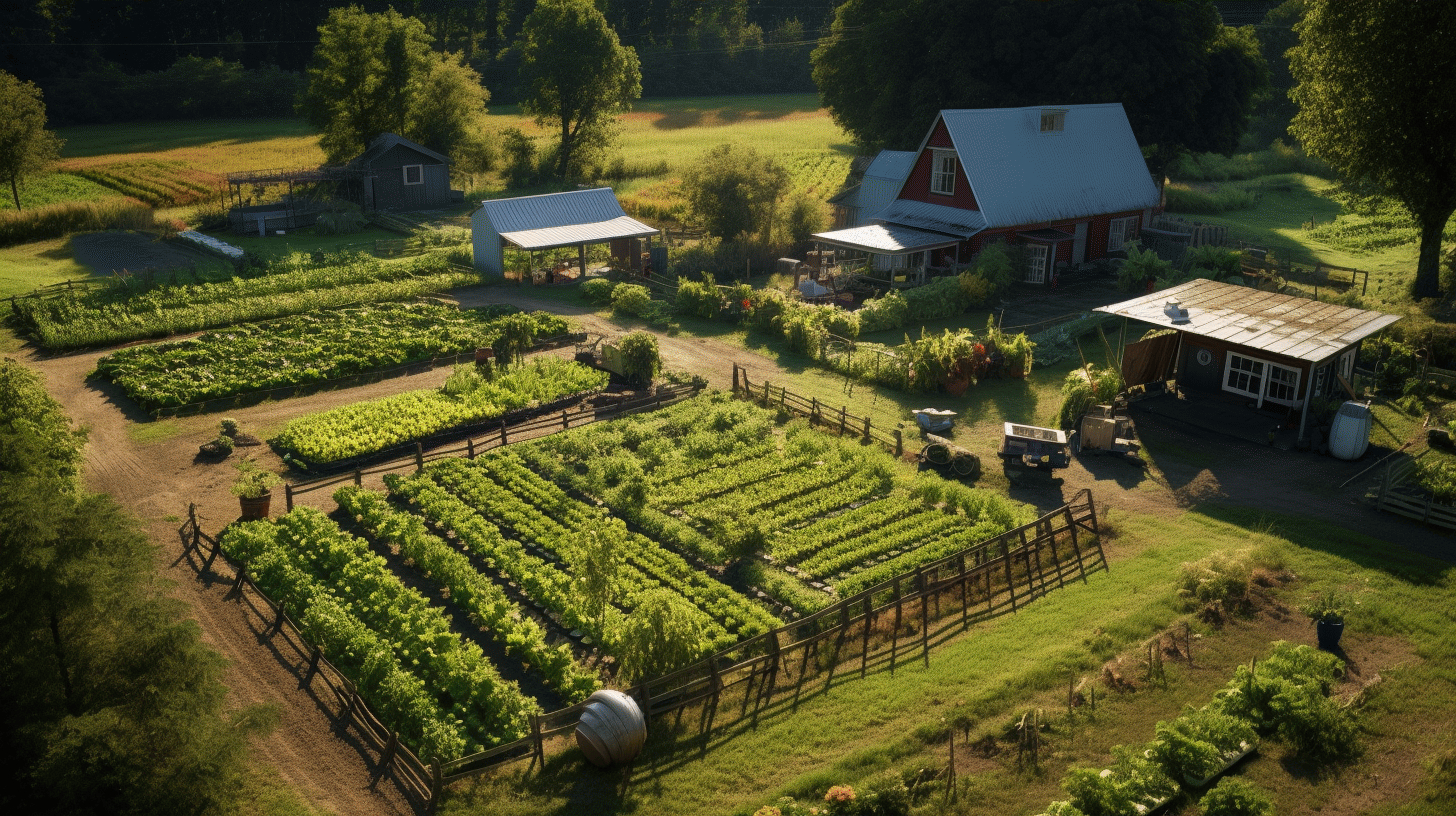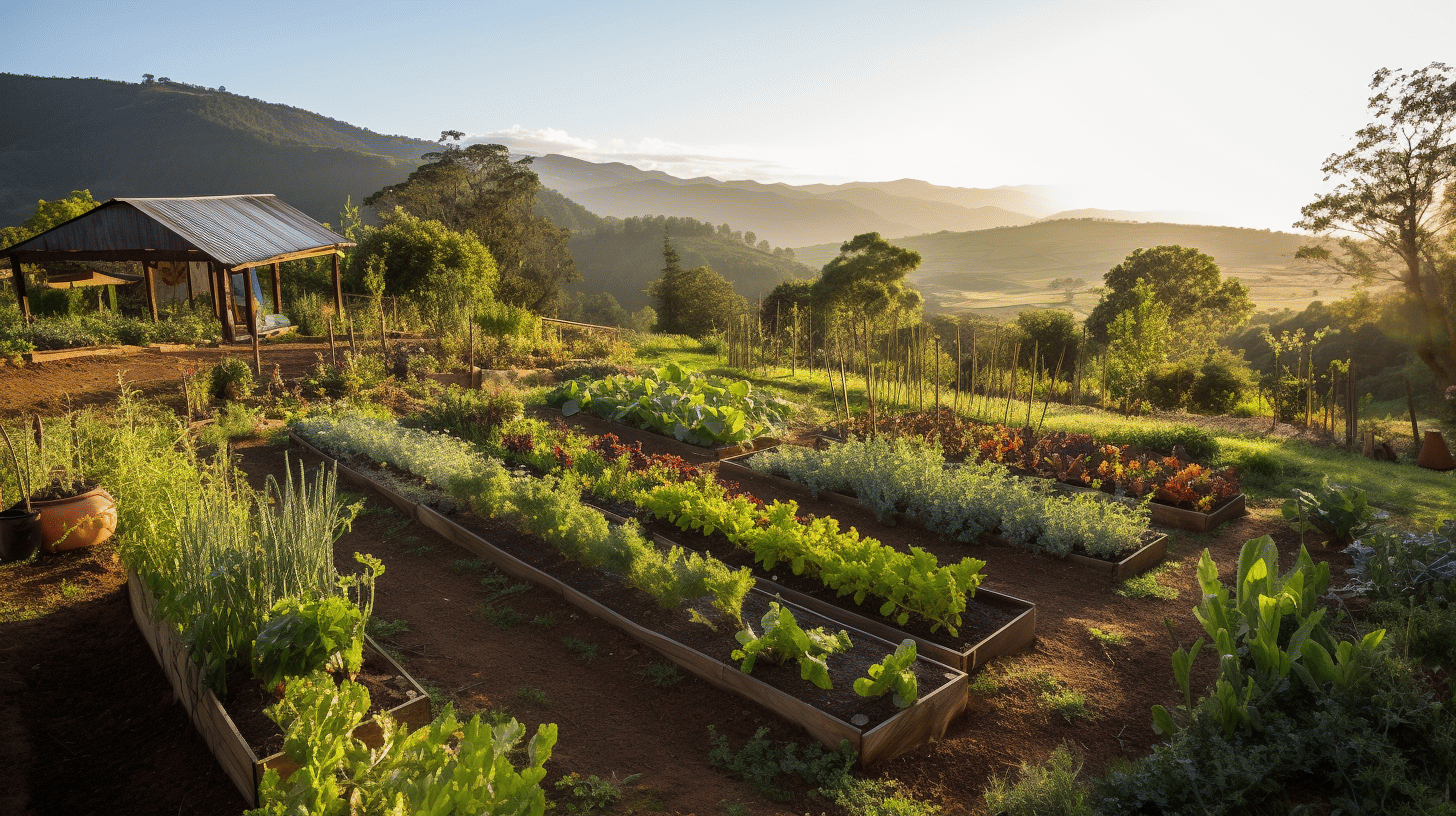
Climate change poses significant challenges to various sectors, and agriculture is no exception. As extreme weather events become more frequent and temperatures rise, traditional farming practices struggle to adapt. However, amidst these challenges, permaculture farming stands out as a sustainable and resilient solution. This article will explore the success stories of permaculture farming, showcasing how it can help combat climate change and create a more sustainable future for agriculture.
Permaculture farming is a holistic approach that aims to create regenerative ecosystems, mimicking patterns and relationships found in nature. By implementing permaculture techniques, farmers can create resilient and self-sustaining agricultural systems that promote biodiversity, conserve resources, and support ecosystem health. This approach not only mitigates the impacts of climate change but also offers numerous benefits to farmers, the environment, and local communities.
Throughout this article, we will delve into the various aspects of permaculture farming, highlighting its positive effects on agriculture, ecological rejuvenation, human health, and economic prosperity for farmers. We will explore the principles behind permaculture, effective farming techniques, success stories, and the importance of collaboration in sustainable farming practices.
Whether you are a farmer, an environmental enthusiast, or simply curious about sustainable agricultural practices, this article will provide valuable insights into the world of permaculture farming. Discover how permaculture can help us adapt to climate change, restore ecosystems, and foster a more harmonious relationship between humans and nature. Exciting possibilities lie ahead, and permaculture farming is at the forefront of this positive change.
Climate Change Effects on Agriculture and Role of Permaculture
Climate change is undeniably impacting our planet in numerous ways, and one of the sectors severely affected is agriculture. Rising temperatures, changing rainfall patterns, and extreme weather events pose significant challenges to farmers worldwide. However, there is hope on the horizon. Permaculture farming, with its sustainable and regenerative practices, offers a solution to mitigate the adverse effects of climate change on agriculture.
Droughts
Droughts have become more frequent and severe due to climate change. The lack of water availability greatly impacts crop production, leading to lower yields and decreased food security. However, permaculture practices can help combat the effects of drought. Through techniques such as rainwater harvesting, mulching, and agroforestry, permaculture promotes water conservation and retention in the soil. This ensures that plants have access to water even in dry periods, improving their resilience to droughts.
Floods
Conversely, climate change also brings about an increase in intense rainfall events and floods. These water extremes can wash away fertile topsoil, damage crops, and disrupt farming operations. Permaculture addresses this issue by focusing on building healthy soil. By employing practices such as composting, cover cropping, and no-till farming, permaculture helps enhance soil structure and fertility. Healthy, nutrient-rich soil can absorb and retain water, reducing the risk of erosion and waterlogging during flood events.
Soil Degradation
Soil degradation is another consequence of climate change that threatens agricultural productivity. Higher temperatures and changing rainfall patterns can lead to increased soil erosion, nutrient depletion, and loss of biodiversity. Permaculture offers an alternative approach to farming that prioritizes soil health and regeneration. Techniques like crop rotation, intercropping, and the use of organic matter help replenish nutrients, improve soil structure, and encourage beneficial microbial activity. With healthier soils, farmers can maintain productivity and adapt to changing climate conditions.
Permaculture farming can mitigate climate change effects on agriculture by promoting sustainable practices that enhance water conservation, soil health, and overall resilience. By embracing permaculture principles, farmers can not only adapt to the challenges posed by climate change but also contribute to mitigating its effects. It is crucial for policymakers, researchers, and farmers to recognize the value of permaculture as a viable solution for a more sustainable and climate-resilient agricultural future.
Additional Info: Permaculture farming can mitigate climate change effects on agriculture. To learn more about permaculture and its role in climate adaptation, visit Permaculture Institute.
Permaculture Techniques and CO2 Emissions
Permaculture farming has gained popularity in recent years due to its ability to create sustainable and environmentally-friendly agricultural systems. One of the key benefits of permaculture is its potential to reduce carbon dioxide (CO2) emissions, making it a promising approach in the fight against climate change. Studies suggest that permaculture techniques can play a significant role in mitigating CO2 emissions. Let’s explore how permaculture achieves this and why it’s an effective solution.
The Role of Permaculture in Reducing CO2 Emissions
Permaculture employs a variety of innovative techniques that work in harmony with nature to create self-sustaining ecosystems. By implementing these practices, permaculture farmers can achieve several outcomes that contribute to the reduction of CO2 emissions:
- Carbon Sequestration: Permaculture aims to build healthy and fertile soil by utilizing methods like composting, mulching, and cover cropping. These practices increase organic matter in the soil, which helps sequester carbon dioxide from the atmosphere. In fact, research has shown that permaculture farms can sequester higher levels of carbon compared to conventional farming methods.
- Agroforestry: Permaculture often integrates trees and shrubs into agricultural systems, creating what is known as agroforestry. These woody plants not only provide multiple benefits like shade, windbreaks, and wildlife habitat, but they also contribute to carbon sequestration. Trees absorb CO2 during photosynthesis and store it in their biomass, effectively removing this greenhouse gas from the atmosphere.
- Reduced Chemical Inputs: Permaculture advocates for natural and organic farming practices, minimizing the use of synthetic fertilizers, pesticides, and herbicides. By avoiding these chemical inputs, permaculture farmers prevent the release of CO2 emissions associated with their production and application. Additionally, these practices promote healthier ecosystems, improving overall soil health and biodiversity.
The Environmental Impact of Permaculture on CO2 Emissions
The potential impact of permaculture on reducing CO2 emissions extends beyond individual farming practices. When implemented on a larger scale, permaculture techniques can have significant environmental benefits, including:
- Climate Change Mitigation: As permaculture helps sequester carbon dioxide from the atmosphere and reduces the need for chemical inputs, it becomes an effective tool in mitigating climate change. By adopting permaculture methods, farmers can contribute to the global effort to reduce greenhouse gas emissions.
- Water Conservation: Permaculture systems prioritize water conservation through practices like rainwater harvesting, contouring, and efficient irrigation methods. By optimizing water usage, permaculture farms reduce the energy required for pumping and treating water, leading to indirect reductions in CO2 emissions.
- Biodiversity Enhancement: Permaculture’s emphasis on creating diverse and resilient ecosystems directly contributes to biodiversity conservation. A diverse range of plants and animals not only enhances the natural beauty of an area but also plays a crucial role in carbon sequestration and the overall health of ecosystems.
In conclusion, permaculture techniques have the potential to significantly reduce CO2 emissions and offer a sustainable solution to the challenges posed by conventional agricultural practices. By sequestering carbon, minimizing chemical inputs, and promoting biodiversity, permaculture farming can play a vital role in mitigating climate change and creating a more sustainable future for our planet.
Ecological Rejuvenation through Permaculture
Deforestation: Restoring the Balance of Nature
Deforestation has become a major concern in recent years, as it wreaks havoc on ecosystems and contributes to climate change. It not only leads to the loss of precious habitats for countless species but also disrupts the balance of nature. However, there is hope for reversing the damage done and restoring these depleted ecosystems through the application of permaculture principles.
Permaculture is a holistic approach to sustainable design and cultivation that aims to create harmonious and resilient ecosystems. By observing and mimicking the patterns and processes found in natural ecosystems, permaculture offers a way to regenerate landscapes that have been devastated by deforestation.
Here are some key ways in which permaculture can help restore the balance of nature in deforested areas:
- Reforestation: Permaculture emphasizes the importance of planting a diverse range of native tree species to replace those destroyed by deforestation. This helps to re-establish the forest canopy, aid in soil retention, and provide habitats for wildlife.
- Agroforestry: By integrating trees with agricultural crops, permaculture creates a productive and sustainable farming system. Trees play a critical role in preventing soil erosion, improving water retention, and offering shade to crops, thus mitigating the environmental impacts of deforestation.
- Soil Restoration: Deforestation often leads to nutrient depletion and increased soil erosion. Permaculture addresses these issues by promoting the use of organic matter, such as compost and mulch, to improve soil fertility and structure. Additionally, through practices like cover cropping and rotational grazing, permaculture helps to regenerate soil health and prevent further degradation.
- Water Management: Deforestation can disrupt the natural water cycles, leading to increased flooding and decreased water availability. Permaculture employs techniques like swales, terracing, and rainwater harvesting to manage water effectively on the landscape. This helps to replenish aquifers, restore natural water flows, and mitigate the impacts of deforestation on local ecosystems.
Overgrazing: Restoring the Resilience of Grasslands
Overgrazing is another significant environmental issue that compromises the health and resilience of grassland ecosystems. It occurs when livestock are allowed to graze on rangelands beyond what the vegetation can naturally regenerate, leading to soil erosion, loss of biodiversity, and the degradation of these vital habitats. Fortunately, permaculture offers practical solutions to restore the resilience of overgrazed grasslands.
Here are some ways in which permaculture can assist in reviving degraded grassland ecosystems:
- Rotational Grazing: Permaculture advocates for the practice of rotational grazing, where livestock are moved across different sections of the pasture. This allows for adequate periods of rest and regrowth for the grasses, preventing overgrazing and promoting their recovery.
- Regenerative Agriculture: By adopting regenerative agricultural practices, such as the use of cover crops and organic fertilizers, permaculture helps to restore soil health and increase the carbon content in the soil. This, in turn, enhances the fertility of grasslands and improves their ability to withstand grazing pressures.
- Diversification: Permaculture encourages the diversification of plant species within grasslands to promote ecological resilience. By introducing a variety of grasses, legumes, and forbs, the grassland ecosystem becomes more robust, with improved resistance to grazing pressures and a higher capacity to support biodiversity.
- Land Contouring: Overgrazing can lead to soil compaction and erosion. Permaculture employs techniques like contour plowing and the creation of swales to prevent these issues. These practices help to slow down water runoff, allowing it to infiltrate the soil and reducing erosion. Additionally, contouring the landscape can enhance water retention, promoting the recovery of grassland vegetation.
Applying permaculture principles can help rehabilitate ecosystems affected by deforestation and overgrazing. By restoring the balance of nature and promoting ecological resilience, permaculture offers a way forward towards a healthier planet.
Health Benefits of Permaculture Farming
Permaculture farming is not only beneficial for the environment but also for our overall health and well-being. The approach emphasizes sustainability, biodiversity, and working with nature rather than against it. Let’s explore the various health benefits that permaculture farming has to offer.
Physical Health Benefits
- Nutrient-rich Food: Permaculture farming focuses on organic and regenerative practices, resulting in nutrient-dense fruits, vegetables, and grains. These foods are free from harmful pesticides and chemicals, making them healthier and safer to consume.
- Access to Fresh Produce: By following permaculture principles, farmers can grow produce year-round through careful planning and companion planting. This means a consistent supply of fresh, locally-grown fruits and vegetables, which are often more nutritious due to shorter transportation times.
- Reduces Exposure to Harmful Chemicals: Permaculture farming avoids the use of synthetic fertilizers and pesticides, reducing our exposure to harmful chemicals. This can have a positive impact on our immune system, hormonal balance, and overall health.
- Enhanced Physical Activity: Permaculture farming involves manual labor, such as planting, weeding, and harvesting, which provides an opportunity for increased physical activity. Engaging in these activities can improve cardiovascular health, muscular strength, and flexibility.
Mental Health Benefits
- Stress Reduction: Spending time in nature has been proven to reduce stress levels. Permaculture farms offer a tranquil and peaceful environment, providing an escape from the hustle and bustle of daily life. Connecting with nature through gardening and farming can promote relaxation and improve mental well-being.
- Connection with the Natural World: Permaculture farming encourages a sense of connection with the natural world. Engaging in activities such as planting and nurturing plants can foster a deeper appreciation for the environment, leading to increased mindfulness and a sense of purpose.
- Cognitive Stimulation: The variety of tasks involved in permaculture farming, such as problem-solving, planning, and observation, can stimulate cognitive function and keep the mind sharp. Engaging in these activities may help prevent cognitive decline and improve mental agility.
Spiritual Health Benefits
- Connection to the Earth: Permaculture farming nurtures a deep connection with the Earth and fosters a sense of reverence for the natural world. By participating in the cycle of planting, growing, and harvesting, individuals can develop a profound appreciation for the interconnectedness of all living beings.
- Sense of Fulfillment: Cultivating one’s own food through permaculture farming can provide a sense of fulfillment and accomplishment. Eating food that has been nurtured and grown with one’s own hands can create a spiritual connection to the sustenance it provides.
In conclusion, permaculture farming offers a multitude of health benefits, impacting not only our physical health but also our mental and spiritual well-being. The combination of nutritious food, physical activity, and a deeper connection with nature can contribute to a healthier and more balanced lifestyle. By practicing permaculture principles, we can reap the rewards of a sustainable and holistic approach to farming.
Farmers’ Economic Benefits from Sustainable Practices
Sustainable farming practices have become increasingly popular in recent years, with farmers recognizing the numerous economic benefits they provide. Not only do these practices help protect the environment and promote the health of their land, but they also have significant financial advantages for farmers. By implementing sustainable practices, farmers can improve their overall income and create a more resilient business model. Let’s delve into some of the key economic benefits that sustainable farming practices offer:
1. Increased Crop Yields and Quality
Implementing sustainable farming practices, such as improved soil management techniques and natural pest control methods, can significantly increase crop yields and improve the quality of agricultural products. When farmers focus on building healthy soils through practices like composting, crop rotation, and cover cropping, they can enhance nutrient availability and water retention in the soil. This, in turn, improves the overall health and productivity of the crops, leading to higher yields and better market value.
2. Cost Savings on Inputs
Sustainable farming practices often prioritize reducing the reliance on expensive external inputs such as synthetic fertilizers and pesticides. By adopting techniques like organic fertilization, integrated pest management, and crop diversification, farmers can significantly lower their input costs. This cost-saving effect becomes particularly important in the long run, as conventional farming inputs tend to become increasingly costly, negatively impacting profitability. Sustainable practices allow farmers to achieve better financial stability by minimizing input expenses and maximizing returns.
3. Access to Premium Markets and Niche Opportunities
One of the significant advantages of sustainable farming practices is the ability to tap into premium markets and niche opportunities. Consumers are increasingly seeking out sustainably produced food items, and many are willing to pay a premium for them. By adopting sustainable practices, farmers can differentiate themselves in the market and cater to the growing demand for environmentally friendly and ethically produced goods. This opens up new avenues for farmers to sell their products at higher prices, leading to increased revenues and improved profitability.
4. Grants, Incentives, and Certification Programs
Governments, non-profit organizations, and certification programs often provide financial incentives and grants to farmers who adopt sustainable practices. These incentives not only help cover the initial costs of implementing sustainable farming techniques but also provide ongoing support in the form of technical assistance and training. For example, the U.S. Department of Agriculture (USDA) offers various programs like the Environmental Quality Incentives Program (EQIP) and Conservation Stewardship Program (CSP) that provide financial assistance to farmers involved in sustainable farming practices. By taking advantage of these programs, farmers can further enhance their economic benefits and improve the overall sustainability of their operations.
5. Climate Shock Buffer
Sustainable farming practices, including techniques like permaculture and agroforestry, help build resilience against extreme weather events and climate shocks. By diversifying their crops, implementing water conservation strategies, and preserving natural resources, farmers can reduce their vulnerability to adverse weather conditions. This resilience not only protects their livelihoods but also minimizes the financial losses associated with crop failures and other climate-related risks. Sustainable farming practices act as a buffer against climate shocks, ensuring a more stable income for farmers in the face of unpredictable weather patterns.
In conclusion, sustainable farming practices offer a wide range of economic benefits to farmers. From increased crop yields and cost savings on inputs to access to premium markets and financial incentives, farmers can improve their income and build a more resilient and profitable business. By prioritizing sustainability and implementing these practices, farmers can secure their future while also contributing to a healthier environment and a more sustainable food system.
Permaculture Principles for Climate Change Challenges
In the face of climate change challenges, permaculture principles offer a systematic approach to address and mitigate the effects of these pressing issues. By implementing sustainable design strategies and ecological principles, permaculture provides a holistic framework for adapting to and combating the impact of climate change.
Designing for a Sustainable Future
Permaculture design focuses on creating regenerative systems that work in harmony with nature, reducing our reliance on non-renewable resources. This approach considers the interconnectedness of all elements within an ecosystem and encourages thoughtful planning and implementation. Here are some key design principles that permaculture employs:
- Observe and interact: By carefully observing the natural patterns and processes of an environment, permaculturists gain valuable insights that inform their design decisions. This principle emphasizes the need to engage with the land, its inhabitants, and the local climate before making any modifications.
- Catch and store energy: Permaculture advocates for utilizing renewable energy sources such as solar, wind, and water to meet our energy needs. By harnessing and storing energy efficiently, we can reduce our reliance on fossil fuels and minimize our environmental impact.
- Use and value renewable resources and services: Permaculture encourages the use of renewable resources, such as organic waste and plant matter, to create fertile soil, generate energy, and provide habitat for beneficial organisms. This principle encourages a shift towards regenerative practices and the reduction of waste.
- Apply self-regulation and accept feedback: Permaculture recognizes the importance of adapting and evolving our practices based on feedback from the natural systems we interact with. By actively observing and responding to feedback, we can improve the effectiveness and resilience of our designs.
Harnessing Ecological Principles
Permaculture also draws heavily from ecological principles to guide its sustainable practices. By understanding and respecting the interconnections within ecosystems, permaculturists can create resilient and productive landscapes. Some key ecological principles that permaculture embraces include:
- Diversity: Permaculture systems aim to maximize biodiversity by incorporating a wide variety of plants, animals, and microorganisms. Diverse ecosystems are more resilient to climate change impacts, as they can better adapt to shifting conditions and provide essential ecological services.
- Interdependence: Permaculture recognizes the intricate web of relationships between different organisms within an ecosystem. By fostering symbiotic relationships, such as companion planting or integrating livestock into agricultural systems, permaculture promotes a balanced and mutually beneficial coexistence.
- Adaptation: Climate change demands adaptive strategies that can respond to evolving conditions. Permaculture emphasizes the importance of designing systems that can adapt and thrive amidst uncertain and changing climates.
- Stewardship: Permaculturists adopt a stewardship mindset, aligning their actions with the long-term health and vitality of the Earth. This principle emphasizes the responsibility we have to care for and restore ecosystems, fostering a regenerative approach that helps mitigate the effects of climate change.
By incorporating these permaculture principles into our practices and designs, we can take meaningful steps towards addressing climate change challenges. Through sustainable design and ecological stewardship, permaculture offers a pathway to a more resilient and sustainable future.
Reliance Reduction on Toxic Chemicals through Permaculture
Permaculture farming offers a sustainable and eco-friendly approach to agriculture that can significantly reduce our dependence on toxic chemicals such as pesticides and fertilizers. With rising concerns about the harmful effects of these chemicals on our health and the environment, permaculture provides a viable solution to minimize their use. By implementing permaculture principles, farmers can create a self-sustaining and resilient system that maximizes natural processes and minimizes reliance on external inputs.
How Permaculture Works
At its core, permaculture is about observing and mimicking nature’s patterns and processes to design agricultural systems that are regenerative, diverse, and productive. By integrating various elements such as plants, animals, and soil microorganisms, permaculture aims to create a balanced ecosystem that works harmoniously. Here’s how permaculture reduces reliance on toxic chemicals:
- Biodiversity: Permaculture emphasizes the importance of diversity in the farm ecosystem. By cultivating a wide range of plants and animals, the farm becomes less susceptible to pest outbreaks. Biodiversity attracts beneficial insects, birds, and other organisms that naturally control pests, reducing the need for chemical pesticides.
- Natural pest control: Permaculture uses methods such as companion planting, crop rotation, and polyculture to naturally control pests. Companion plants that repel pests or attract beneficial insects can be strategically placed to protect vulnerable crops. By rotating crops and avoiding the continuous planting of the same species, pest populations are disrupted, reducing the need for chemical interventions.
- Nutrient cycling: Permaculture focuses on building healthy soil through the use of composting, mulching, and cover cropping. These practices enhance nutrient cycling and improve soil fertility naturally. Healthy soil supports the growth of robust plants, which are better equipped to resist pests and diseases, minimizing the need for synthetic fertilizers.
- Water conservation: Permaculture employs various water-harvesting techniques such as swales, rainwater collection, and mulching to minimize water use and promote efficient irrigation. By optimizing water availability, plants can thrive without the need for excessive chemical inputs.
Permaculture In Practice
Permaculture principles can be applied to various types of farming systems, including small-scale gardens, urban farms, and large agricultural operations. Farmers who adopt permaculture techniques not only reduce their reliance on toxic chemicals but also benefit from:
- Increased resilience to climate change and extreme weather events.
- Improved soil health and fertility.
- Enhanced biodiversity and habitat creation.
- Reduced erosion and water pollution.
- Decreased input costs and improved profitability.
As the demand for sustainable and organic products grows, permaculture offers a holistic and environmentally conscious approach that aligns with consumer preferences. By reducing reliance on toxic chemicals, permaculture farming not only protects human health and the environment but also paves the way for a more sustainable future.
Incorporating permaculture principles into modern agricultural practices may require a shift in mindset and a willingness to learn new techniques. However, the long-term benefits for farmers, consumers, and the planet make it a worthwhile endeavor. By embracing permaculture, we can cultivate healthier food systems that prioritize the well-being of both people and the planet.
To learn more about the principles and practices of permaculture farming, visit our comprehensive guide on permaculture.
Negative Impacts of Global Warming and Unsustainable Practices
Global warming and unsustainable farming practices have become major concerns due to their detrimental effects on our environment. These practices have led to numerous negative impacts, including soil erosion and pollinator loss. Let’s take a closer look at how these issues are affecting our ecosystems and what we can do to address them.
Soil Erosion
One of the significant consequences of global warming and unsustainable practices is soil erosion. This occurs when the top layer of soil is washed away or blown off, leaving behind barren land. Soil erosion can have devastating effects on agriculture, as it depletes the nutrients necessary for plant growth and reduces the soil’s ability to retain water.
Here are a few key points to consider regarding soil erosion:
- Causes: Unsustainable farming methods, deforestation, and climate change contribute to soil erosion. Intensive farming practices such as excessive tilling, overgrazing, and the use of synthetic fertilizers and pesticides can strip the soil of its protective cover and make it more susceptible to erosion.
- Impacts: Soil erosion disrupts ecosystems and affects food production. It can lead to decreased crop yields, increased water runoff, and even landslides in hilly areas. The loss of fertile soil also threatens the livelihoods of farmers and exacerbates food insecurity.
- Solutions: Implementing sustainable farming techniques, such as conservation tillage, contour plowing, and cover cropping, can help reduce soil erosion. These practices promote soil health, increase organic matter content, and enhance the soil’s ability to hold water. Additionally, planting trees, restoring wetlands, and implementing erosion control measures can also contribute to mitigating soil erosion.
Pollinator Loss
Another critical issue resulting from global warming and unsustainable practices is the loss of pollinators. Pollinators, such as bees, butterflies, and birds, play a vital role in the reproduction of plants by transferring pollen from one flower to another. However, these essential species are facing significant challenges that threaten their populations.
Consider the following facts regarding pollinator loss:
- Causes: Habitat loss, pesticide use, climate change, and changes in land management practices are all contributing factors to pollinator loss. The destruction of natural habitats, such as meadows and forests, deprives pollinators of the resources they need to survive and reproduce. Pesticides, specifically neonicotinoids, have been linked to bee population declines.
- Impacts: The loss of pollinators can have severe consequences for both wild and agricultural ecosystems. Many fruits, vegetables, and nuts rely on pollinators for reproduction, and without them, these plants may not bear fruit or produce viable seeds. This loss of plant biodiversity can disrupt entire ecosystems and impact food security.
- Solutions: To address the decline of pollinators, it is essential to adopt sustainable land management practices that provide suitable habitats and food sources for these species. Creating pollinator-friendly gardens, reducing pesticide use, and supporting initiatives that protect pollinator habitats can all contribute to preserving these vital creatures.
In conclusion, the negative impacts of global warming and unsustainable practices, such as soil erosion and pollinator loss, have far-reaching consequences for our environment and food systems. However, by implementing sustainable farming techniques and taking action to protect pollinators, we can work towards mitigating these issues and creating a more sustainable future.
Resiliency Improvement through Permaculture Principles
Food Forests
In today’s world, where climate change poses significant challenges to agriculture, farmers are seeking innovative solutions to make their farms more resilient. One such solution gaining popularity is the implementation of food forests.
Food forests are agricultural systems that mimic natural forests, consisting of a diverse range of edible plants, trees, shrubs, and ground cover. They are designed to maximize productivity while promoting sustainability and resilience. By incorporating permaculture principles, food forests offer numerous benefits, both for farmers and the environment.
Here are some key ways in which food forests can improve farm resiliency:
- Biodiversity: Food forests promote biodiversity by creating a habitat for a wide variety of plant species. This diversity helps in boosting ecosystem resilience by minimizing the risk of crop failure due to pests, diseases, or adverse weather conditions.
- Water conservation: One of the critical challenges faced by farmers is water scarcity. Food forests employ smart water management techniques that reduce water consumption significantly. These techniques include the use of mulching, contouring, and integrating perennial plants with deep root systems that capture and retain water in the soil.
- Soil health: Food forests prioritize soil health by utilizing organic and natural methods. By avoiding the use of chemical fertilizers and pesticides, food forests protect the soil microbiome, promoting beneficial organisms that aid in nutrient cycling, disease suppression, and overall soil fertility.
- Climate resilience: With changing climatic patterns, farmers need to adapt to extreme weather events such as droughts and floods. Food forests, with their diverse plantings and layered canopies, can provide protection and shade, minimizing the impact of these events on crops.
- Ecosystem services: Food forests contribute to the provision of ecosystem services such as pollination, carbon sequestration, and water filtration. These services not only benefit the farm but also contribute to the overall well-being of the surrounding environment.
Incorporating food forests into agricultural practices is a sustainable approach to improve farm resiliency in the face of climate change. By focusing on ecological principles, farmers can create diverse and productive systems that can withstand environmental challenges while providing ample food and resources.
Water Management Systems
Water is the lifeblood of any farm, and its efficient management is crucial for farm resiliency. Implementing water management systems that work in harmony with nature is a key strategy used in permaculture to enhance farm sustainability and mitigate the risks associated with water scarcity.
Here’s how water management systems can contribute to improved farm resiliency:
- Rainwater harvesting: Collecting and storing rainwater is an essential component of water management systems. By installing rain barrels, tanks, or ponds, farmers can capture and store rainwater for use during dry periods, reducing dependence on external water sources.
- Swales and contouring: Swales are channels or trenches designed to capture and channel rainwater along a contour. They help in preventing erosion, recharging groundwater, and retaining moisture in the soil, benefiting plant growth during dry spells.
- Greywater recycling: Greywater, which is wastewater generated from activities like washing dishes and laundry, can be treated and reused for non-potable purposes on the farm, such as irrigation. Greywater recycling reduces water demand and conserves precious freshwater resources.
- Drip irrigation: Drip irrigation systems deliver water directly to the roots of plants, minimizing water wastage through evaporation and runoff. This efficient use of water helps in maximizing crop yield while reducing water consumption.
- Pond and wetland systems: Constructing ponds or wetlands on a farm can serve multiple purposes. They can store excess water during rainy periods and release it slowly during drier times. Additionally, these systems provide habitat for aquatic organisms, contribute to water filtration, and enhance landscape aesthetics.
By implementing water management systems informed by permaculture principles, farmers can enhance their farm’s ability to withstand water scarcity, reduce environmental impacts, and increase overall resilience. These systems not only help in conserving water resources but also contribute to regenerating the land and fostering a sustainable farming ecosystem.
Permaculture Farming Success Stories
Permaculture farming success stories are not only inspiring but also hold immense potential for economic growth and sustainable practices. These stories showcase the benefits of implementing permaculture principles in various agricultural settings. By examining real-life examples, we can gain insights into the transformative power of permaculture and its positive impact on the environment, local communities, and the overall economy.
Let’s explore some remarkable permaculture farming success stories that serve as shining examples of regenerative agriculture at its best:
- Polyface Farm – Located in Virginia, Polyface Farm, led by Joel Salatin, is a prime example of a thriving permaculture enterprise. Their unique approach to farming includes rotationally grazing livestock, using mobile shelters, and reinvigorating the soil through extensive composting practices. Through their regenerative methods, they have not only improved the vitality of their land but also enhanced profitability and resilience.
- Zaytuna Farm – Situated in Australia, Zaytuna Farm showcases the application of permaculture on a larger scale. This 66-acre property, established by Geoff Lawton, implements permaculture design principles to create an abundant and sustainable ecosystem. By utilizing key permaculture techniques such as water harvesting, diverse food production systems, and integrated animal systems, Zaytuna Farm demonstrates the potential for achieving self-sufficiency on a larger scale.
- Mandala Farm – Based in Maine, Mandala Farm is a wonderful example of a small-scale permaculture success story. Their focus on regenerative and ecological farming practices has not only increased productivity but also fostered a strong sense of community and local food security. With methods such as agroforestry, polycultures, and composting, Mandala Farm serves as an inspiration for small-scale farmers looking to integrate permaculture into their operations.
These success stories extend beyond the farms themselves, showcasing the broader benefits of permaculture farming:
- Environmental Resilience – Permaculture practices replenish soil health, increase biodiversity, and reduce the use of harmful chemicals, thus contributing to a more resilient and sustainable environment.
- Community Empowerment – By prioritizing local food production, permaculture farms create opportunities for community engagement, education, and economic growth. They foster a connection between people and their food, promoting healthier and more sustainable lifestyles.
- Economic Viability – Permaculture farms often demonstrate that sustainable agriculture can be economically viable. Through efficient use of resources, reduced input costs, and diverse revenue streams, permaculture practices offer a pathway towards profitable farming enterprises.
In conclusion, permaculture farming success stories showcase the immense potential of regenerative agriculture. By implementing permaculture principles, these farmers have not only improved their land’s health and productivity but have also brought positive change to their communities and local economies. These stories serve as inspiration for others to embrace permaculture practices and contribute to a more sustainable and resilient future.
Collaboration and Contract Restructuring in Sustainable Farming
Collaboration and restructuring of contracts are key to successful sustainable farming programs. In the ever-evolving agricultural landscape, farmers have recognized the importance of working together and adapting their contractual agreements to ensure the long-term viability of their operations. By fostering collaboration and implementing contract restructuring, farmers can address various challenges and seize opportunities in sustainable farming. Let’s explore how collaboration and contract restructuring play a crucial role in sustainable agriculture.
The Power of Collaboration in Sustainable Farming
Collaboration among farmers, agricultural organizations, and other stakeholders brings together a wealth of knowledge, resources, and expertise. By working together, farmers can create synergies and tackle common challenges more effectively. Here are a few ways collaboration can benefit sustainable farming:
- Knowledge and Information sharing: Collaboration allows farmers to exchange best practices, innovative techniques, and scientific research that promote sustainable practices. This knowledge sharing enables farmers to learn from each other, implement new methods, and enhance their farming practices.
- Pooling Resources: Sustainable farming often requires significant investments in infrastructure, equipment, and technology. By collaborating, farmers can pool their resources, reducing individual financial burdens and leveraging shared expertise. This collective approach empowers farmers to adopt sustainable farming practices that may have been prohibitively expensive on their own.
- Market Access: Collaborative efforts can help farmers access new markets and expand their consumer base. By working together, farmers can jointly market their products, negotiate better contracts, and capitalize on economies of scale. This increased market access not only promotes sustainable farming practices but also ensures the economic viability of farms.
Contract Restructuring for Sustainable Farming
Contract restructuring involves adapting the terms and conditions of agreements between farmers, suppliers, buyers, and other parties to align with sustainable farming practices. By renegotiating contracts, farmers can incorporate sustainability requirements and incentivize environmentally friendly practices. Here are some key aspects of contract restructuring in sustainable farming:
- Sustainability Clauses: Including sustainability clauses in contracts allows farmers to establish commitments and obligations related to sustainable practices. These clauses can cover issues such as soil health, water conservation, biodiversity protection, and reduced chemical usage. By formalizing sustainability requirements in contracts, farmers can ensure that all parties involved are committed to sustainable farming principles.
- Price Premiums: Contract restructuring can facilitate the incorporation of price premiums for sustainable agricultural products. Farmers who adopt sustainable practices and meet specific sustainability criteria can negotiate higher prices for their produce. These premiums incentivize and reward farmers for their efforts in adopting sustainable farming methods.
- Long-Term Contracts: Long-term contracts provide stability and certainty for farmers, enabling them to invest in sustainable farming practices with confidence. By negotiating longer contract durations, farmers can secure their market position, plan for the future, and make the necessary long-term investments in sustainable infrastructure and practices.
As sustainable farming becomes increasingly important, collaboration and contract restructuring are vital tools for farmers to navigate the challenges and seize the opportunities in this field. By fostering collaboration and adapting contracts to promote sustainable practices, farmers can ensure the long-term viability of their operations while contributing to a more sustainable and environmentally conscious agriculture industry.
Interested in learning more about sustainable farming? Check out this Sustainable Farming Guide for detailed information on best practices, resources, and case studies.
Conclusion
In conclusion, permaculture farming presents a promising solution for building resilience in the face of climate change. By implementing regenerative practices such as creating food forests, managing water resources effectively, and reducing reliance on toxic chemicals, farmers can mitigate the negative impacts of global warming and unsustainability. Permaculture not only benefits the environment but also promotes economic stability for farmers and provides numerous health benefits. Through collaboration and contract restructuring, sustainable farming practices can be further supported. By embracing permaculture principles and sharing success stories, we can inspire a global movement towards a more sustainable and resilient agricultural system.
At Regenerative Agriculture Wiki, we are committed to providing comprehensive and insightful content on permaculture and regenerative farming practices. Visit our website to explore a wide range of topics and discover the potential of regenerative agriculture. Together, let’s foster a future where agriculture and ecology thrive in harmony.

Frequently Asked Questions
- What is permaculture farming?
Permaculture farming is a sustainable and regenerative farming practice that focuses on designing and creating resilient and self-sufficient agricultural systems. It emphasizes working with nature and integrating various elements like plants, animals, and microorganisms to create a harmonious and productive ecosystem.
- How does permaculture farming help in the face of climate change?
Permaculture farming provides solutions to mitigate and adapt to climate change. By using techniques like water harvesting, soil regeneration, agroforestry, and biodiversity preservation, permaculture farms can enhance soil fertility, conserve water, sequester carbon, and increase resilience to extreme weather events.
- What are the benefits of permaculture farming?
Permaculture farming offers numerous benefits including increased soil health and fertility, reduced dependency on external inputs, improved biodiversity, higher production yields, better water management, carbon sequestration, and the ability to withstand and recover from climate-related challenges.
- Can permaculture farming be practiced on a small scale?
Yes, permaculture farming can be practiced on both small and large scales. In fact, it is particularly suitable for smaller farms as it maximizes space utilization, encourages diversity, and minimizes the need for expensive machinery or synthetic inputs.
- Are there any success stories of permaculture farming for resilience?
Yes, there are many success stories of permaculture farming worldwide. Examples include the Zaytuna Farm in Australia, where permaculture principles transformed degraded land into a thriving food forest, and the ReGen Villages project in the Netherlands, which showcases self-sustaining communities built on permaculture principles.