Water is an invaluable resource that plays a crucial role in sustaining agriculture and ensuring food security. As the global population continues to rise, the demand for food is increasing, placing greater pressure on farmers to produce more crops. However, with the growing scarcity of water resources, it becomes imperative for farmers to adopt effective water management strategies to optimize water use, reduce waste, and promote sustainable farming practices.
In this article, we will explore various water management strategies that farmers can employ to enhance water conservation and efficiency on their farms. From crop selection and irrigation techniques to innovative technologies and policy considerations, we will delve into the multifaceted approaches that can revolutionize water use in agriculture.
Through the implementation of these strategies, farmers can not only preserve this precious resource for future generations but also increase their own productivity and profitability. So, let’s dive in and discover the best practices for water management in sustainable farming!
Understanding the Importance of Water Management in Farming
Water scarcity is becoming an increasingly pressing issue around the world, posing significant challenges to agricultural productivity and the overall food security of nations. Without proper water management practices in farming, crops become vulnerable to drought stress, leading to yield losses and economic hardships for farmers. It is crucial to recognize the importance of water management in farming to ensure sustainable agricultural practices and a secure food supply for present and future generations.
Impact of Water Scarcity on Agriculture
Water is an essential resource for crop growth and development. When water scarcity occurs, it directly affects agricultural production in several ways. Here are some key impacts of water scarcity on agriculture:
- Crop Yield Reduction: Inadequate water availability inhibits the growth of crops, leading to yield reductions. Without sufficient water, plants cannot carry out essential functions like photosynthesis and nutrient uptake, resulting in stunted growth and reduced productivity.
- Crop Quality Decline: Water scarcity can also affect the quality of crops. Water stress during specific growth stages can lead to decreased nutritional value, smaller fruit sizes, and increased susceptibility to pests and diseases. This not only affects farmers’ incomes but also compromises the nutritional value of the food produced.
- Increased Irrigation Costs: In regions facing water scarcity, farmers may resort to alternative water sources or irrigation techniques, which can be costly. This additional financial burden can put small-scale farmers at a disadvantage and exacerbate income disparities within the agricultural sector.
- Environmental Impacts: Water scarcity not only impacts crop yield but also has far-reaching consequences for the environment. Reduced water availability can lead to the degradation of aquatic ecosystems, biodiversity loss, and soil erosion, further compromising the long-term sustainability of farming practices.
Given these significant impacts, implementing effective water management strategies is crucial for mitigating the effects of water scarcity on agriculture. By adopting sustainable water management practices, farmers can optimize water use, enhance crop resilience to drought, and minimize the adverse effects of water scarcity.
Strategies for Effective Water Management in Farming
To address water scarcity and promote sustainable agriculture, farmers can employ various water management strategies. Here are some key approaches to consider:
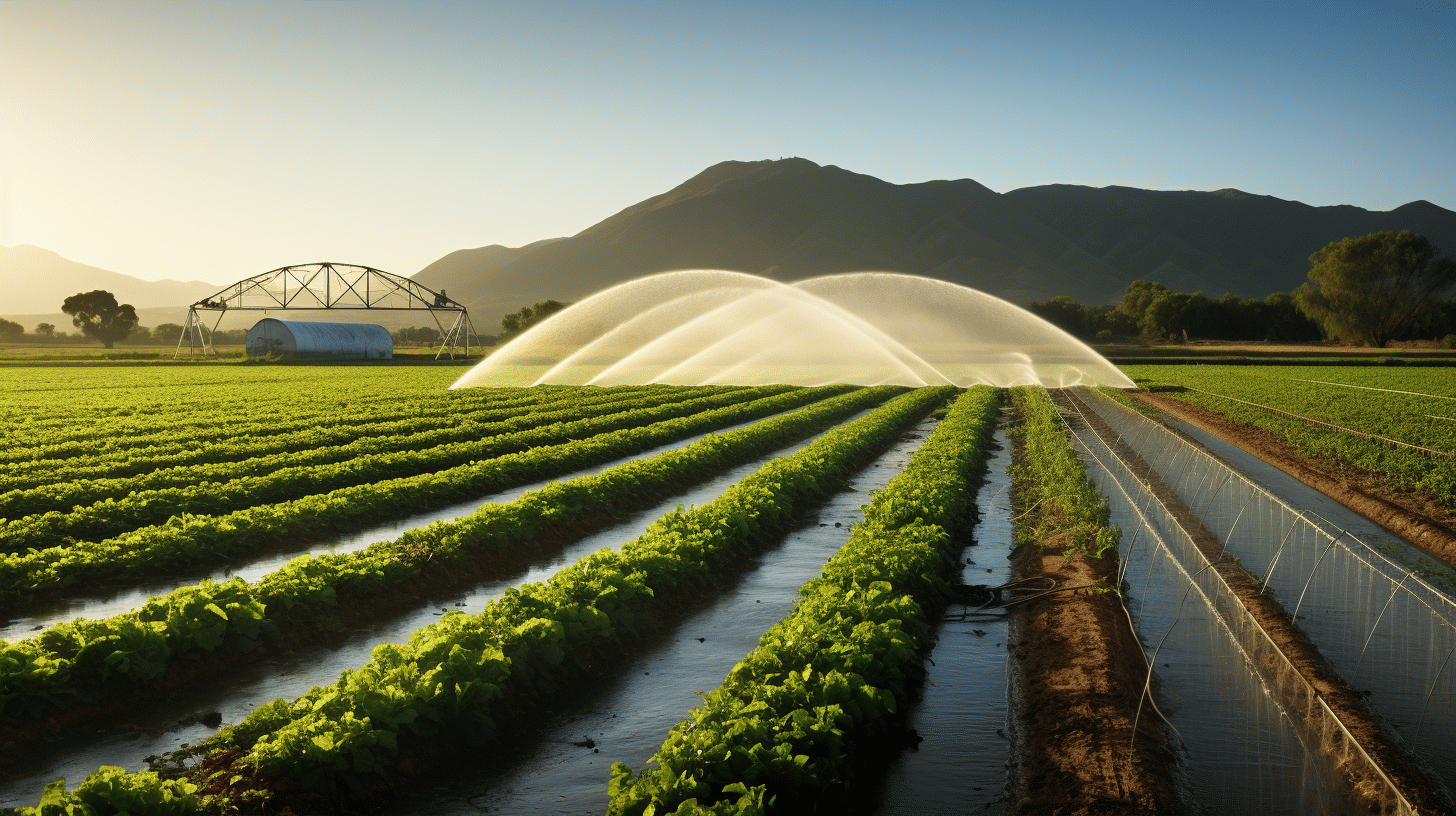
- Irrigation Efficiency: Implementing efficient irrigation systems such as drip irrigation or precision sprinklers can minimize water wastage and ensure that water reaches the root zone of plants effectively. This helps optimize water use by providing targeted irrigation where it is needed the most.
- Rainwater Harvesting: Collecting and storing rainwater can serve as an additional water source during dry periods. Farmers can install rainwater harvesting systems to capture and store runoff from roofs, fields, or other surfaces for use in irrigating crops.
- Crop Selection and Rotation: Choosing crop varieties that are more tolerant to water stress can help reduce water requirements. Additionally, practicing crop rotation can improve soil health and water retention capacity, leading to more efficient water use.
- Soil Conservation: Implementing soil conservation practices such as mulching, terracing, and contour plowing can help minimize soil erosion and improve water infiltration and retention in the soil. This improves water availability to crops and reduces the risk of runoff.
In conclusion, water management plays a pivotal role in sustainable farming practices and ensuring food security. By understanding the impacts of water scarcity on agriculture and implementing effective water management strategies, farmers can mitigate the adverse effects of water scarcity and promote the long-term viability of agricultural systems. It is imperative for stakeholders, including farmers, policymakers, and researchers, to collaborate and prioritize water management initiatives to safeguard the future of our global food supply.
Conservation Strategies for Efficient Water Use
Water is a precious resource that is essential for agriculture. As the global population continues to grow, the demand for water in agriculture is also increasing. However, water scarcity and droughts have become more common, making it crucial for farmers to adopt conservation strategies for efficient water use. By implementing these strategies, farmers can not only conserve water but also optimize their crop yield. In this article, we will explore three effective conservation strategies for efficient water use: crop selection and rotation, drip irrigation systems, and rainwater harvesting.
Crop Selection and Rotation
One of the most effective ways to optimize water usage in agriculture is through crop selection and rotation. By carefully choosing the right crops and implementing rotation practices, farmers can ensure efficient use of water resources. Here’s how:
- Choose appropriate crops: Some crops require more water than others. By selecting drought-tolerant crops that are well-suited to the local climate and soil conditions, farmers can reduce water consumption without compromising on the yield. For example, crops like millets, sorghum, and legumes are known for their ability to thrive in dry conditions.
- Implement rotation practices: Crop rotation involves growing different crops in the same field over a period of time. This practice helps improve soil fertility, reduce pest and disease pressure, and conserve water. Certain crops have deep root systems that can access water from deeper soil layers, while others have shallow root systems that require less water. By rotating between these different types of crops, farmers can optimize water usage and ensure sustainable farming practices.
Drip Irrigation Systems
Drip irrigation systems are another effective way to minimize water wastage in agriculture. Unlike traditional irrigation methods that flood the fields, drip irrigation delivers water directly to the roots of the plants, where it is needed the most. Here are some key benefits of drip irrigation systems:
- Targeted irrigation: Drip irrigation systems release water slowly and directly at the base of the plants, minimizing water loss due to evaporation and runoff. This targeted approach ensures that water reaches the roots efficiently, improving water-use efficiency and reducing water waste.
- Reduced weed growth: Traditional irrigation methods often result in excessive water on the soil surface, promoting weed growth. With drip irrigation, water is delivered directly to the plants, minimizing moisture on the soil surface and thereby reducing weed growth. This not only conserves water but also reduces the need for herbicides, promoting sustainable agricultural practices.
Rainwater Harvesting
Rainwater harvesting techniques provide an excellent opportunity for farmers to collect and store rainwater for future use. Here’s why rainwater harvesting is beneficial:
- Water availability: Rainwater harvesting allows farmers to collect and store rainwater during the rainy season, ensuring water availability during dry spells or droughts. This stored water can be used for irrigation, livestock, and other agricultural purposes, reducing dependency on groundwater or other water sources.
- Mitigating runoff: During heavy rain events, excess rainwater often runs off the fields, leading to soil erosion and water wastage. By collecting and storing rainwater, farmers can mitigate runoff and prevent soil erosion, helping to maintain soil health and conserve water resources.
In conclusion, adopting conservation strategies for efficient water use is vital for sustainable agriculture. By implementing crop selection and rotation practices, drip irrigation systems, and rainwater harvesting techniques, farmers can optimize water usage, conserve this precious resource, and ensure long-term agricultural productivity. Let’s strive towards a more water-efficient farming future.
Improving Water Efficiency through Technology
Water conservation is a pressing issue that requires innovative solutions. With the increasing demand for water in agriculture, finding ways to improve water efficiency becomes paramount. Thankfully, technology has come to the rescue, providing farmers with tools and techniques to optimize their water usage. In this article, we will explore three key technologies that are revolutionizing water efficiency in agriculture: smart irrigation systems, soil moisture monitoring, and precision agriculture.
Smart Irrigation Systems
Smart irrigation systems are leading the way in water efficiency in agriculture. These systems utilize sensors and data analysis to optimize irrigation schedules and reduce water waste. By gathering real-time data on factors such as weather conditions, soil moisture levels, and plant water requirements, smart irrigation systems can deliver water precisely when and where it is needed.
With smart irrigation systems, farmers can say goodbye to outdated timer-based irrigation methods. Instead, they can rely on automated systems that adjust watering schedules based on actual plant needs. This not only conserves water but also ensures that crops receive the right amount of hydration, leading to healthier and more productive plants.
To further enhance water efficiency, smart irrigation systems can also detect leaks or malfunctions in the irrigation system, allowing farmers to promptly address any issues and prevent water loss.
Soil Moisture Monitoring
Understanding soil moisture is crucial for efficient water management in agriculture. Traditionally, farmers would rely on visual indicators or manual efforts to determine when to water their crops. However, these methods are often subjective and can lead to overwatering or underwatering.
Enter soil moisture monitoring systems. These devices measure soil moisture levels at various depths, allowing farmers to make informed decisions about irrigation. Armed with accurate data, farmers can determine the optimal timing and amount of irrigation needed for their crops, ensuring that water is applied only when necessary.
Soil moisture monitoring not only helps conserve water but also prevents plant stress and disease. By avoiding overwatering, farmers can promote healthy root development and reduce the risk of root rot. On the other hand, preventing underwatering ensures that plants receive adequate hydration, enabling optimal growth and yield.
Precision Agriculture
Precision agriculture techniques take water efficiency to the next level. By utilizing advanced technologies such as GPS and remote sensing, precision agriculture enables farmers to apply water precisely where and when it is needed, minimizing waste.
For example, with the help of remote sensing technologies like drones or satellites, farmers can obtain detailed information about crop health and water stress. This allows them to identify specific areas in their fields that require extra irrigation, while reducing water usage in areas that are already adequately hydrated.
Precision agriculture also incorporates variable rate irrigation, which adjusts water application based on the varying needs of different crop zones. By matching irrigation rates to specific field conditions, farmers can optimize water usage, reduce runoff and leaching, and maximize crop yield.
In conclusion, technology plays a crucial role in improving water efficiency in agriculture. By adopting smart irrigation systems, soil moisture monitoring, and precision agriculture techniques, farmers can save water, reduce costs, and promote sustainable farming practices. As we strive to secure our water resources for future generations, harnessing the power of technology will be essential in achieving water-efficient agriculture.
Policy and Regulatory Considerations for Water Management
Water Rights and Regulations
When it comes to sustainable water management on farms, understanding water rights and complying with regulations is essential. Water rights refer to the legal entitlement of individuals or organizations to use water from a specific source. These rights vary from one region to another, and farmers must be aware of the regulations in their area to ensure they are using water resources appropriately.
Here are some key points to consider regarding water rights and regulations for effective water management:
- Water rights registration: Farmers need to understand the process of registering their water rights. This involves filing the necessary paperwork and providing evidence of their water usage. Registering water rights ensures that farmers have a legal claim to the water they are using, protecting them from potential disputes in the future.
- Allocation limits: Water allocation limits determine how much water farmers are allowed to use for irrigation purposes. These limits are often set by governmental or regulatory bodies to ensure the equitable distribution of water resources. Farmers must abide by these limits to avoid penalties or fines.
- Water permits and licenses: In some areas, farmers may need to obtain permits or licenses to access water resources. These permits specify the quantity and conditions under which water can be used. It’s crucial for farmers to research and understand the requirements for obtaining these permits and licenses in their region.
- Water quality regulations: Apart from managing water quantity, farmers must also consider water quality regulations. These regulations aim to protect water sources from contamination and ensure safe irrigation practices. Farmers may need to implement certain measures such as using appropriate irrigation methods and minimizing chemical runoff to comply with water quality standards.
- Monitoring and reporting: Many regions require farmers to monitor and report their water usage regularly. This information helps regulatory bodies track water consumption and enforce compliance with regulations. Farmers should keep accurate records of their water usage and submit required reports in a timely manner.
By understanding and complying with water rights and regulations, farmers can contribute to sustainable water management practices. It promotes efficient water use, reduces conflicts over water resources, and protects the environment. It is important for farmers to stay updated on any changes or amendments to water regulations to adapt their practices accordingly.
Note: The information provided in this section is based on general principles related to water rights and regulations. Farmers should consult their local regulatory authorities and legal professionals for specific and up-to-date information pertaining to their region.
Innovative Approaches to Water Management
Water management is a critical issue facing our world today. With increasing population growth and climate change, finding innovative solutions to conserve and maximize water resources is more important than ever. Fortunately, there are emerging methods that are revolutionizing the way we manage and use water. In this article, we will explore two such approaches: aquaponics and vertical farming. These methods not only address water scarcity concerns but also bring multiple benefits to agriculture and food production systems.
Aquaponics
Imagine a system where fish and plants coexist harmoniously, benefiting from each other’s presence. That’s the essence of aquaponics. Aquaponics combines aquaculture (the practice of raising fish) with hydroponics (cultivating plants in nutrient-rich water) to create a closed-loop system that maximizes water efficiency.
Here’s how it works:
- Fish are raised in tanks, producing waste rich in nutrients.
- The water containing fish waste is then pumped into grow beds where plants, such as lettuce or herbs, are cultivated using nutrient-rich water instead of soil.
- The plants naturally filter and absorb the nutrients from the fish waste.
- The now-filtered water is returned to the fish tank, creating a continuous cycle.
Why is aquaponics an innovative approach to water management?
- Water efficiency: Aquaponics systems use up to 90% less water than traditional soil-based agriculture. The water is continuously recycled, minimizing the need for constant irrigation.
- Nutrient recycling: Fish waste serves as a natural fertilizer for the plants. As the plants absorb the nutrients, they keep the water clean for the fish. This closed-loop system reduces the need for additional fertilizers and helps prevent water pollution.
- Year-round production: Aquaponics can be implemented both indoors and outdoors, allowing for year-round food production, regardless of weather conditions or geographical location.
- Space utilization: Since aquaponics doesn’t rely on soil, it can be implemented in urban areas or places with limited arable land. Vertical farming is a perfect fit for aquaponics, as it allows for stacking multiple layers of plants, maximizing space efficiency.
- Environmental sustainability: By reducing water usage and minimizing the need for chemical inputs, aquaponics promotes sustainable and eco-friendly food production practices.
Vertical Farming
Imagine growing crops in tall structures, using minimal land and resources. That’s the essence of vertical farming. Vertical farming is a revolutionary approach to agriculture that utilizes stacked layers of plants in a controlled environment such as a skyscraper or greenhouse. By vertically maximizing limited space and optimizing resources, vertical farming presents a promising solution to water scarcity and land requirements in urban areas.
Here are some key points about vertical farming:
- Vertical growth: Plants are arranged in vertical stacks, often using hydroponic or aeroponic systems, where the plants are grown in nutrient-rich water or in a mist environment, respectively.
- Resource optimization: Vertical farming relies on artificial lighting, efficient irrigation systems, and precise climate control to create optimal growing conditions while minimizing water usage. LED lights provide specific wavelengths needed for plant growth and can be adjusted based on the plant’s growth stage.
- Increased crop yields: Vertical farming enables year-round production and multiple crop cycles, resulting in increased yields compared to traditional farming methods. The controlled environment eliminates the risk of pests and diseases, leading to healthier plants and higher productivity.
- Urban food production: Vertical farms can be established in urban areas, bringing food production closer to consumers. This reduces the need for long-distance transportation and ensures fresh produce that is readily available.
- Sustainable agriculture: Vertical farming significantly reduces water usage since it relies on recirculating systems. By cultivating crops vertically, it minimizes land requirements, making it a sustainable solution for growing food in densely populated areas.
Innovative approaches like aquaponics and vertical farming are transforming the way we manage and utilize water resources for agriculture. These methods not only help address water scarcity but also promote sustainable food production in a world facing growing environmental challenges. By adopting these innovative water management practices, we can move towards a more sustainable and resilient future.
Conclusion
Water management is a crucial aspect of sustainable farming that cannot be overlooked. By implementing effective strategies for water conservation and efficiency, farmers can ensure the long-term viability of their operations while minimizing their impact on the environment. Through smart irrigation systems, soil moisture monitoring, and precision agriculture techniques, farmers can optimize water usage and minimize waste. Additionally, considering policy and regulatory factors such as water rights and regulations can further support sustainable water management practices.
At Regenerative Agriculture Wiki, we are dedicated to providing comprehensive resources and information on regenerative farming practices, including water management strategies. Our platform offers valuable insights and guidance to empower farmers, environmentalists, food enthusiasts, and anyone interested in sustainable living. Join us on our mission to foster a future where agriculture and ecology thrive in harmony. Explore our extensive content on regenerative agriculture and discover the potential for a more sustainable future.
Visit Regenerative Agriculture Wiki to learn more about sustainable farming practices and access our wide range of informative articles and guides. Together, let’s make a positive impact on the world through regenerative agriculture.
Frequently Asked Questions
- What is water management in sustainable farming?
Water management in sustainable farming refers to the practices and strategies implemented to conserve and efficiently use water resources in agricultural operations while ensuring the long-term sustainability of both the farm and the surrounding environment.
- Why is water management important in sustainable farming?
Water management is crucial in sustainable farming as it helps minimize water wastage, promotes efficient irrigation techniques, improves crop yield and quality, prevents soil erosion, reduces pollution from agricultural runoff, and ensures the long-term availability of water resources.
- What are some effective water management strategies for sustainable farming?
Some effective water management strategies for sustainable farming include implementing drip irrigation systems, using rainwater harvesting techniques, practicing crop rotation and proper field drainage, adopting precision farming technologies, and utilizing mulching and cover cropping methods.
- How can farmers conserve water in their agricultural practices?
Farmers can conserve water in their agricultural practices by using water-efficient irrigation systems, such as drip irrigation or sprinklers with precise timing and controls. They can also adopt water-saving techniques like mulching, crop rotation, and carefully monitoring soil moisture levels to avoid over-irrigation.
- What are the benefits of adopting water management strategies in sustainable farming?
Adopting water management strategies in sustainable farming brings numerous benefits, including reduced water usage and costs, improved crop productivity and quality, enhanced soil health and fertility, minimized environmental impact, and increased resilience to droughts and water scarcity.