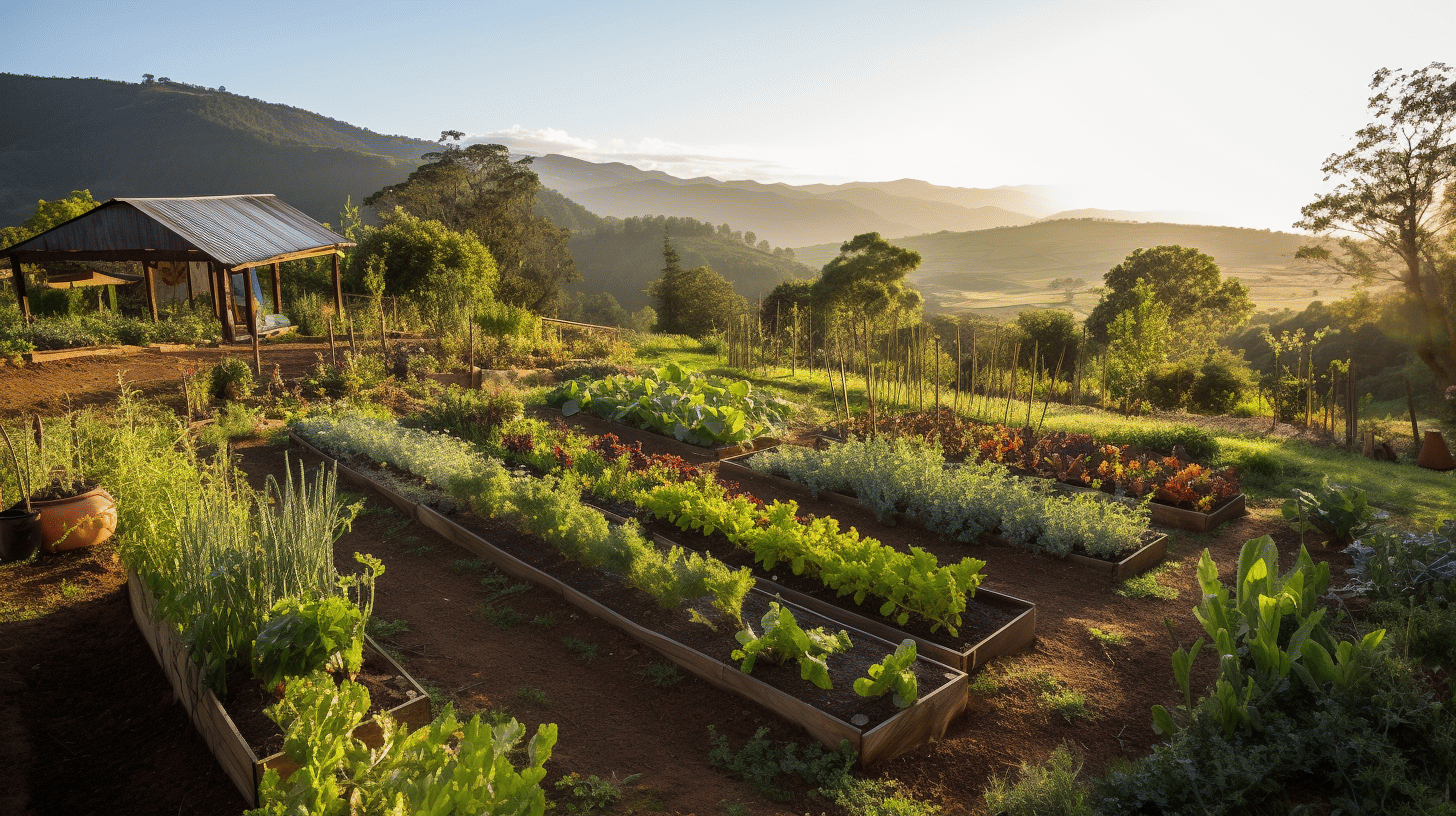
In recent years, there has been a growing movement towards sustainable and environmentally-friendly farming practices. One approach that has gained significant attention is regenerative agriculture. This innovative method focuses on restoring and enhancing the health of the land, rather than solely maximizing short-term profits. By adopting regenerative practices, farmers can not only improve their own livelihoods but also contribute to the greater good of the planet.
Regenerative agriculture is all about working with nature and fostering a harmonious relationship between farmers and the environment. It emphasizes the importance of holistic farm management, soil health, biodiversity, and ecosystem regeneration. Unlike conventional farming methods that often deplete soil fertility and rely heavily on synthetic inputs, regenerative agriculture aims to restore ecosystems, promote biodiversity, and build resilient farming systems.
By implementing regenerative farming practices, farmers can experience a wide range of benefits. These benefits extend beyond just increased yields and financial gains; they have positive impacts on the environment, local communities, and even global food security. From reduced pest pressures to healthier soils and carbon sequestration, the effects of regenerative agriculture are both profound and far-reaching.
In this article, we will explore the various benefits of regenerative agriculture, the progress of ongoing projects in 2022, the effects on the environment, the role of permaculture farming in this movement, and the potential of regenerative practices in mitigating climate change and increasing farmers’ incomes. Let’s delve deeper into the world of regenerative agriculture and discover its transformative potential.
Benefits of Regenerative Agriculture
Regenerative agriculture is not only beneficial for the environment, but it also has far-reaching positive impacts on farmers and communities around the world. By adopting regenerative practices, farmers can improve soil health, increase crop yields, and contribute to a more sustainable and resilient food system. Let’s explore some of the key benefits of regenerative agriculture:
Positive Results in the Developing World
In the developing world, regenerative agriculture practices have proved to be a game-changer for smallholder farmers. These farmers often face numerous challenges such as limited access to resources, unpredictable weather patterns, and declining soil fertility. However, by implementing regenerative techniques, they’ve been able to overcome these obstacles and achieve remarkable results.
According to data from Regenerative Agriculture Foundation, more than 15 million small farmers are already benefiting from regenerative agriculture practices. By using techniques like cover cropping, agroforestry, and rotational grazing, these farmers have seen improvements in soil structure, water retention, and overall farm productivity. This not only helps them improve their livelihoods but also contributes to global food security.
Encouraging Case Studies in American Farms
Regenerative agriculture is not just a concept confined to the developing world. Closer to home, American farmers have also embraced regenerative practices and witnessed transformative results. Soils for Life, a nonprofit organization, has been documenting inspiring case studies of farmers who have successfully transitioned to regenerative agriculture.
These case studies highlight the incredible potential of regenerative practices to restore degraded soils, enhance biodiversity, and sequester carbon. One such case study features a farmer in the Midwest who experienced a significant increase in crop yields after implementing cover cropping and managed grazing. This not only helped him reduce input costs but also brought long-term benefits to his soil health.
Impacts on Small Farmers
Small farmers globally often face challenges in competing with large-scale industrial farming operations. Regenerative agriculture offers them a pathway to not only sustain their livelihoods but also thrive in an increasingly competitive market. By adopting regenerative practices, small farmers can realize several benefits, including:
- Increased crop yields and productivity.
- Reduced dependence on costly inputs like chemical fertilizers and pesticides.
- Improved soil health and fertility, leading to long-term sustainability.
- Enhanced resilience to climate change and other environmental stressors.
- Ability to produce high-quality and nutritious food, attracting premium prices in the market.
These benefits empower small farmers to become active contributors to their local economies and promote a more sustainable and equitable food system.
In conclusion, regenerative agriculture has the potential to revolutionize farming practices and bring numerous benefits to farmers, communities, and the environment. From the positive results seen in the developing world to the encouraging case studies in American farms, the impacts of regenerative agriculture are far-reaching. By embracing regenerative practices, we can build a more sustainable and resilient agricultural system that nurtures the earth while providing for our growing population.
Progress of Regenerative Agriculture Projects in 2022
Regenerative agriculture projects in 2022 have shown significant progress across the field. Farmers and researchers are embracing innovative practices that prioritize soil health, biodiversity, and long-term sustainability. These projects aim to regenerate degraded land, increase agricultural productivity, and mitigate the impact of climate change on farming systems. Let’s take a closer look at some of the notable advancements in regenerative agriculture over the past year.
Implementation of Cover Cropping
One of the key strategies in regenerative agriculture is the use of cover crops. These crops are grown between cash crops and provide numerous benefits to the soil and overall ecosystem. In 2022, farmers widely adopted cover cropping practices to improve soil fertility, reduce erosion, suppress weeds, and enhance water infiltration. Some of the notable developments in cover cropping include:
- Increased diversity: Farmers have been diversifying their cover crop mixtures to enhance biodiversity and harness the benefits of different plant species.
- Precision planting: The adoption of precision planting techniques has allowed farmers to optimize seed placement, density, and timing, resulting in improved establishment and growth of cover crops.
- Integration with livestock: Farmers are integrating livestock grazing into their cover cropping systems, which not only provides additional income but also enhances nutrient cycling and soil health.
Advancements in Conservation Tillage
Conservation tillage techniques have gained momentum in the past year as farmers recognize their potential in reducing soil erosion, improving soil structure, and enhancing moisture retention. Here are some of the advancements in conservation tillage practices in 2022:
- No-till and reduced tillage systems: Farmers are increasingly embracing no-till and reduced tillage systems, minimizing disturbances to the soil while maintaining crop productivity.
- Adoption of cover crop mulching: Utilizing cover crop residues as mulch or organic matter inputs has become a common practice, further enhancing soil health and moisture retention.
Integrating Agroforestry and Perennial Crops
The integration of agroforestry systems and perennial crops has offered promising solutions to both farmers and the environment. These practices involve incorporating trees, shrubs, and perennial crops into agricultural landscapes, providing multiple benefits such as:
- Increased carbon sequestration: Agroforestry systems have the potential to store significant amounts of carbon in trees and soils, mitigating climate change.
- Enhanced biodiversity: The inclusion of non-crop plants in agroforestry systems promotes biodiversity, providing habitat for pollinators and beneficial insects.
- Improved water management: The deep root systems of trees and perennial crops help improve water infiltration and reduce water runoff, minimizing soil erosion and enhancing water quality.
Collaboration and Knowledge Sharing
A notable trend in regenerative agriculture projects in 2022 is the emphasis on collaboration and knowledge sharing among farmers, researchers, and organizations. This collective effort has created opportunities for learning, innovation, and scaling up regenerative practices. Sustainable agriculture conferences, online forums, and farmer field days have become platforms for sharing experiences, success stories, and challenges faced in implementing regenerative agriculture practices.
In conclusion, regenerative agriculture projects in 2022 have made substantial progress in implementing practices such as cover cropping, conservation tillage, agroforestry, and perennial crops. These advancements not only promote soil health and biodiversity but also contribute to climate change mitigation and sustainable food production. The collaboration and knowledge sharing within the regenerative agriculture community have played a vital role in driving this progress. With continued efforts and support, regenerative agriculture holds great promise for a resilient and sustainable farming future.
Effects of Regenerative Agriculture
Regenerative agriculture is a farming practice that focuses on revitalizing and restoring the health of the soil. This approach goes beyond sustainability and aims to actively improve the land by using techniques that promote biodiversity, enhance ecosystem stability, and reduce pest pressures. The effects of regenerative agriculture can have a wide-ranging impact on the environment and agricultural systems as a whole.
Reduced Pest Pressures
One of the remarkable benefits of regenerative agriculture is its ability to reduce pest pressures. Traditional farming practices often rely heavily on chemical pesticides to control pests. However, these pesticides can have detrimental effects on the environment, including the killing of beneficial insects and the buildup of chemical residues in soil and water.
Regenerative farming, on the other hand, employs natural pest management techniques that work with nature rather than against it. By creating a diverse and balanced ecosystem on the farm, with a variety of plants and habitats, regenerative farmers foster a natural system of checks and balances. This helps to control pests naturally by attracting beneficial insects and predators that keep pest populations in check.
Enhanced Biodiversity
Biodiversity is essential for a healthy and resilient ecosystem. Regenerative agriculture practices actively promote biodiversity on farms, leading to a greater variety of plant and animal species. Here are some ways in which regenerative farming enhances biodiversity:
- Crop rotation: Rotating crops helps break pest and disease cycles, reduces nutrient depletion, and provides different habitats for diverse species of plants and insects.
- Cover crops: Planting cover crops between cash crops helps to suppress weeds, improve soil health, and provide habitat and food for beneficial insects.
- Hedgerows and windbreaks: These planted borders provide shelter, nesting sites, and food sources for a range of wildlife, including birds, bees, and beneficial insects.
By promoting biodiversity, regenerative agriculture creates a balanced and resilient ecosystem that can better withstand disturbances and adapt to changing conditions.
Greater Ecosystem Stability
Regenerative agriculture practices also contribute to greater ecosystem stability. By improving soil health through techniques like cover cropping and minimal tillage, regenerative farmers reduce soil erosion and enhance water infiltration. This helps to mitigate the negative impacts of extreme weather events, such as heavy rainfall or droughts.
Moreover, the use of organic fertilizers and natural soil amendments in regenerative farming reduces the reliance on synthetic inputs. This not only minimizes the environmental pollution associated with chemical fertilizers but also leads to more stable nutrient cycling in the soil, promoting long-term sustainability.
Healthier Soils
Perhaps one of the most significant effects of regenerative agriculture is the improvement of soil health. Studies have shown that regenerative farming practices can lead to healthier soils with higher organic matter content. Here’s how regenerative agriculture promotes soil health:
- Increased carbon sequestration: Regenerative farming techniques, such as cover cropping and reduced tillage, increase the amount of organic matter stored in the soil, which helps capture and store atmospheric carbon dioxide, mitigating climate change.
- Improved soil structure: By fostering healthy soil biology and reducing soil disturbance, regenerative farming practices enhance soil structure, promoting better water infiltration, root penetration, and nutrient availability to plants.
- Enhanced soil fertility: Building up organic matter in the soil not only improves soil structure but also enhances soil fertility by increasing the soil’s ability to retain and release nutrients.
In conclusion, regenerative agriculture is a sustainable farming practice that offers numerous benefits to the environment and agricultural systems. By reducing pest pressures, enhancing biodiversity, promoting ecosystem stability, and improving soil health, regenerative farming can help create a more sustainable and resilient agricultural future.
Regenerative Agriculture and Climate Change
In the face of climate change, the need for sustainable agricultural practices has become increasingly apparent. One such practice that has gained attention and traction is regenerative agriculture. This innovative approach not only supports the growth of healthy, nutrient-rich crops but also has the potential to combat climate change by sequestering carbon dioxide from the atmosphere. Let’s explore how regenerative agriculture can have a positive impact on our environment.
Carbon Sequestration
Regenerative agriculture stands out for its ability to sequester substantial amounts of carbon dioxide. Through various techniques and principles, such as cover cropping, crop rotation, and the use of organic amendments, regenerative agriculture helps capture and store carbon in the soil. This carbon sequestration is crucial in reducing greenhouse gas emissions, as carbon dioxide is a significant contributor to global warming.
By enhancing soil health and structure, regenerative agriculture increases carbon storage capacity in the soil. Studies have shown that well-managed regenerative farming systems can sequester an impressive amount of carbon, effectively removing it from the atmosphere. This helps to mitigate climate change by offsetting carbon emissions and decreasing overall atmospheric carbon dioxide levels.
Cost-effective Solution
In addition to its environmental benefits, regenerative agriculture proves to be a cost-effective solution to combat climate change. By adopting regenerative practices, farmers can reduce their reliance on synthetic fertilizers and pesticides, as well as costly inputs. Instead, they focus on nurturing healthy soil ecosystems and natural nutrient cycling, which results in improved crop yields over time.
Moreover, regenerative practices can reduce soil erosion and improve water retention, leading to more resilient agricultural systems. This resilience helps farmers adapt to changing climatic conditions, reducing risks and ensuring their long-term sustainability. By implementing regenerative agriculture techniques, farmers can potentially reduce input costs while improving overall productivity and profitability.
The combination of carbon sequestration and cost-effectiveness makes regenerative agriculture an attractive solution for farmers and policymakers alike. By investing in the adoption of regenerative practices on a larger scale, we can work towards mitigating climate change while simultaneously ensuring the long-term viability of our agricultural systems.
In conclusion, regenerative agriculture holds great promise as a means to combat climate change and build sustainable food systems. Its ability to sequester carbon dioxide from the atmosphere and its cost-effectiveness make it an appealing option for farmers and policymakers. By supporting and promoting regenerative agriculture, we can take significant steps towards a more resilient and environmentally conscious future.
Business Case for Regenerative Agriculture
Regenerative agriculture is not just a sustainable practice; it also has a positive impact on the bottom line for farmers. This innovative approach to agriculture goes beyond merely minimizing harm to the environment; it actively works to restore and enhance the ecosystems that support agricultural production.
The Benefits of Regenerative Agriculture
Implementing regenerative agricultural practices can bring a wide range of benefits to farmers, both economically and environmentally. Here are some of the key advantages:
- Increased Soil Health: Regenerative agriculture focuses on building and maintaining healthy soil, which is the foundation for productive crops. By improving soil quality through practices like cover cropping, crop rotation, and reduced tillage, farmers can enhance nutrient availability, water-holding capacity, and overall soil structure. This, in turn, improves crop yields and reduces the need for synthetic fertilizers and pesticides.
- Lower Input Costs: One of the key attractions of regenerative agriculture is its potential to reduce input costs. By improving soil health, farmers can reduce their dependency on synthetic inputs like fertilizers and pesticides. This not only saves money but also reduces the risks associated with price volatility and supply chain disruptions.
- Drought Resilience: Climate change brings increased uncertainty in weather patterns, leading to more frequent and severe droughts. Regenerative agriculture practices, such as the use of cover crops and diverse crop rotations, enhance the soil’s ability to hold water. This helps farmers mitigate the impacts of drought and maintain productivity even in challenging conditions.
- Improved Biodiversity: Regenerative agriculture creates a more favorable environment for biodiversity, including beneficial insects, birds, and soil organisms. These natural allies help control pests, pollinate crops, and improve overall ecosystem resilience. By promoting biodiversity, farmers can reduce their reliance on chemical pest control methods, thereby lowering costs and potential risks to human health and the environment.
A Case Study: Regenerative Agriculture in Kansas
An analysis focused on farmers of winter wheat in Kansas provides a real-world example of the benefits of regenerative agriculture. The study compared regenerative farming practices to conventional farming methods and found some compelling results:
- Yield Increase: Farmers practicing regenerative agriculture saw an average increase in yield by 26% compared to conventional methods. This increase in productivity directly translates to higher revenue for farmers.
- Cost Savings: The study also found that regenerative agriculture reduced input costs by an average of 16%. These cost savings were primarily due to reduced fertilizer and pesticide usage, as well as lower energy costs associated with reduced tillage.
- Economic Resilience: The analysis revealed that farmers using regenerative practices were better equipped to withstand financial hardships. The increased yield and cost savings helped buffer the impacts of market fluctuations and commodity price volatility.
This case study highlights the tangible benefits that regenerative agriculture can bring to farmers. By adopting regenerative practices, farmers can not only improve their environmental stewardship but also create a more economically viable and resilient farming operation.
In conclusion, the business case for regenerative agriculture is strong. By embracing these practices, farmers can boost their profitability, reduce input costs, and build resilience in the face of climate change. It’s a win-win for both farmers and the planet.
Health and Nutrition Benefits of Regenerative Agriculture
Regenerative agriculture is not only beneficial for the environment but also for our health and nutrition. Research has shown that this sustainable farming practice has a positive impact on the quality of our food. Let’s delve into the health and nutrition benefits of regenerative agriculture:
1. Higher Nutritional Value
Regenerative agriculture focuses on building healthy soil by using natural techniques like cover cropping, crop rotation, and composting. This results in nutrient-rich soil, which in turn enhances the nutritional value of the crops grown. Studies have shown that regeneratively grown fruits, vegetables, and grains have higher levels of essential vitamins, minerals, antioxidants, and phytonutrients compared to conventionally grown produce.
2. Improved Soil Health
The health of our soil directly affects the nutritional content of our food. Regenerative agriculture practices help improve soil health by increasing organic matter, microbial diversity, and nutrient availability. Healthy soil provides plants with the necessary nutrients they need to thrive, resulting in healthier and more nutrient-dense crops.
3. Reduced Chemical Exposure
One of the key principles of regenerative agriculture is minimizing the use of synthetic fertilizers, pesticides, and herbicides. By relying on natural techniques to control pests and weeds, regenerative farmers reduce chemical exposure for both the crops and the consumers. This means that the food grown through regenerative methods is less likely to contain harmful residues, making it a healthier choice for our bodies.
4. Enhanced Biodiversity
Regenerative agriculture practices promote biodiversity by creating habitats for beneficial insects, birds, and other wildlife. This biodiversity not only contributes to a more resilient ecosystem but also has a direct impact on our food. When there is a diverse range of organisms in the agricultural landscape, it helps control pests naturally, reducing the need for chemical interventions.
5. Healthier Fats in Animal Products
Regenerative agriculture also extends to animal farming practices. Animals raised on regenerative farms have access to a more natural diet, such as grazing on diverse pastures rich in grasses and legumes. This results in animal products, like meat, dairy, and eggs, that have a healthier fatty acid profile. They tend to be higher in beneficial omega-3 fatty acids and lower in unhealthy omega-6 fatty acids compared to conventionally raised animal products.
In summary, regenerative agriculture offers numerous health and nutrition benefits. From higher nutrient content to reduced chemical exposure, this sustainable farming practice enhances the quality of our food while promoting ecological balance. By supporting regenerative agriculture and consuming its products, we can nourish our bodies and contribute to a healthier planet at the same time.
Role of Permaculture Farming
Permaculture farming plays a crucial role in revolutionizing the way we approach agriculture. With its focus on sustainable and environmentally-friendly practices, permaculture offers a way to achieve high yields and productivity while preserving the health of our planet. By implementing permaculture principles, farms can transform into productive and fertile lands that benefit both people and the environment.
High Yields and Productivity
One of the key advantages of permaculture farming is its ability to produce high yields of crops and livestock without relying on unsustainable practices. Here are some reasons why permaculture is known for its productivity:
- Polyculture: Permaculture encourages the cultivation of diverse crops in the same space. This practice mimics the natural ecosystem, where plants thrive in symbiotic relationships. By growing different plants together, permaculture farms can maximize the use of available resources and optimize yields.
- Companion Planting: Permaculture utilizes companion planting techniques, where certain plants are grown together to benefit each other. For example, some plants repel pests, while others attract beneficial insects for natural pest control. By strategically combining compatible plants, permaculture farmers create a harmonious environment that supports healthy growth and higher yields.
- Regenerative Agriculture: Permaculture emphasizes regenerative practices that focus on building soil health and fertility. By implementing techniques such as cover cropping, composting, and rotational grazing, permaculture farmers enrich the soil with organic matter, nutrients, and beneficial microorganisms. This results in improved soil structure, water retention, and nutrient availability, ultimately leading to increased yields.
Sustainable and Environmentally-friendly
In addition to its productivity, permaculture farming is a sustainable and environmentally-friendly approach to agriculture. Here’s how permaculture benefits the planet:
- Reduced Chemical Inputs: Permaculture minimizes the use of synthetic chemicals like pesticides and fertilizers, which can have detrimental effects on the environment and human health. Instead, permaculture focuses on natural methods of pest control, soil improvement, and nutrient cycling, creating a more balanced and sustainable farming system.
- Water Conservation: Permaculture employs water conservation strategies such as rainwater harvesting, swales, and contouring. These practices help retain and make the most of available water resources, reducing the reliance on excessive irrigation and conserving water for future use.
- Biodiversity Conservation: With its emphasis on diverse plantings, permaculture farms create habitats that support a wide range of beneficial insects, birds, and other wildlife. This promotes biodiversity and contributes to the conservation of endangered species, helping to restore ecological balance in agricultural landscapes.
In conclusion, permaculture farming offers a holistic and sustainable approach to agriculture, allowing us to achieve high yields and productivity while preserving the health of our planet. By implementing permaculture principles, farmers can transform their lands into resilient and thriving ecosystems. With its focus on long-term sustainability and environmental stewardship, permaculture farming is the way forward for a more regenerative and harmonious relationship with the land.
Potential of Regenerative Agriculture
Regenerative agriculture holds immense potential for transforming farming practices and addressing some of the critical challenges faced by the agricultural sector. This sustainable approach goes beyond mere conservation; it aims to rebuild and restore ecosystems, ensuring healthier soils, enhanced biodiversity, and improved long-term productivity. Let’s explore some of the key potential benefits of regenerative agriculture:
Mitigating Climate Change
Regenerative agricultural practices have the potential to play a significant role in mitigating climate change. By sequestering carbon in the soil, this approach helps reduce greenhouse gas emissions and combat global warming. According to studies, regenerative farming practices can harness the power of soil to sequester substantial amounts of carbon dioxide, thus acting as a natural carbon sink.
Increasing Farmers’ Incomes
Transitioning to regenerative agriculture can bring economic benefits to farmers, particularly small-scale and family-owned operations. By reducing external inputs and adopting sustainable farming practices, farmers can significantly lower production costs. Moreover, regenerative methods are known to enhance soil fertility and yield, leading to increased productivity. As a result, farmers can improve their profit margins and achieve financial stability.
Working with Nature
Regenerative agriculture recognizes the interdependence between agricultural systems and natural ecosystems. It encourages farmers to work in harmony with nature, preserving the intricate balance of the environment. By implementing practices such as cover cropping, crop rotation, and agroforestry, regenerative farmers create resilient and self-sustaining ecosystems that mimic nature’s patterns. This approach not only benefits soil health but also reduces the reliance on synthetic fertilizers and pesticides, minimizing the environmental impact of farming.
In conclusion, the potential of regenerative agriculture cannot be understated. This approach has the power to revolutionize farming practices and create a more sustainable and resilient agricultural system. From mitigating climate change to improving farmers’ livelihoods and promoting a harmonious relationship with nature, regenerative agriculture offers a promising path forward for the future of farming.
“Regenerative agriculture has the potential to transform not only our farms but also our entire food system.” – Link to Internal Source
Frequently Asked Questions
- What is regenerative farming?
Regenerative farming is a practice that aims to restore and enhance the health, vitality, and resilience of soil, water, ecosystems, and communities. It focuses on techniques such as cover cropping, crop rotation, composting, and holistic grazing to increase biodiversity, sequester carbon, and improve overall sustainability.
- What is permaculture and how does it relate to regenerative farming?
Permaculture is a design system that integrates ecological principles to create sustainable and self-sufficient human habitats. It emphasizes working with nature rather than against it and applies principles like observing and imitating natural patterns, maximizing resource efficiency, and promoting diversity. Permaculture practices often overlap with regenerative farming, as they both aim for ecological restoration and long-term sustainability.
- What are the benefits of adopting regenerative practices and permaculture on a farm?
By adopting regenerative practices and permaculture on a farm, numerous benefits can be achieved. These include improved soil health, increased biodiversity, reduced dependency on synthetic inputs, enhanced water retention, carbon sequestration, increased resilience to climate change, and the production of nutrient-dense, organic food.
- How can farmers transition to regenerative practices and permaculture?
Farmers can transition to regenerative practices and permaculture by first assessing the current state of their farm and identifying areas for improvement. They can then gradually introduce techniques such as cover cropping, rotational grazing, composting, agroforestry, and water harvesting. Farmers can also seek guidance from experienced regenerative farmers, attend workshops, and join farming networks and communities for support and knowledge sharing.
- Are regenerative practices and permaculture economically viable for farmers?
Yes, regenerative practices and permaculture can be economically viable for farmers in the long run. While the initial transition phase may require investment and adjustments, the reduced need for synthetic inputs, improved soil fertility, and increased biodiversity can lead to cost savings. Additionally, the growing demand for organic and sustainable products provides opportunities for farmers to fetch premium prices and tap into niche markets.