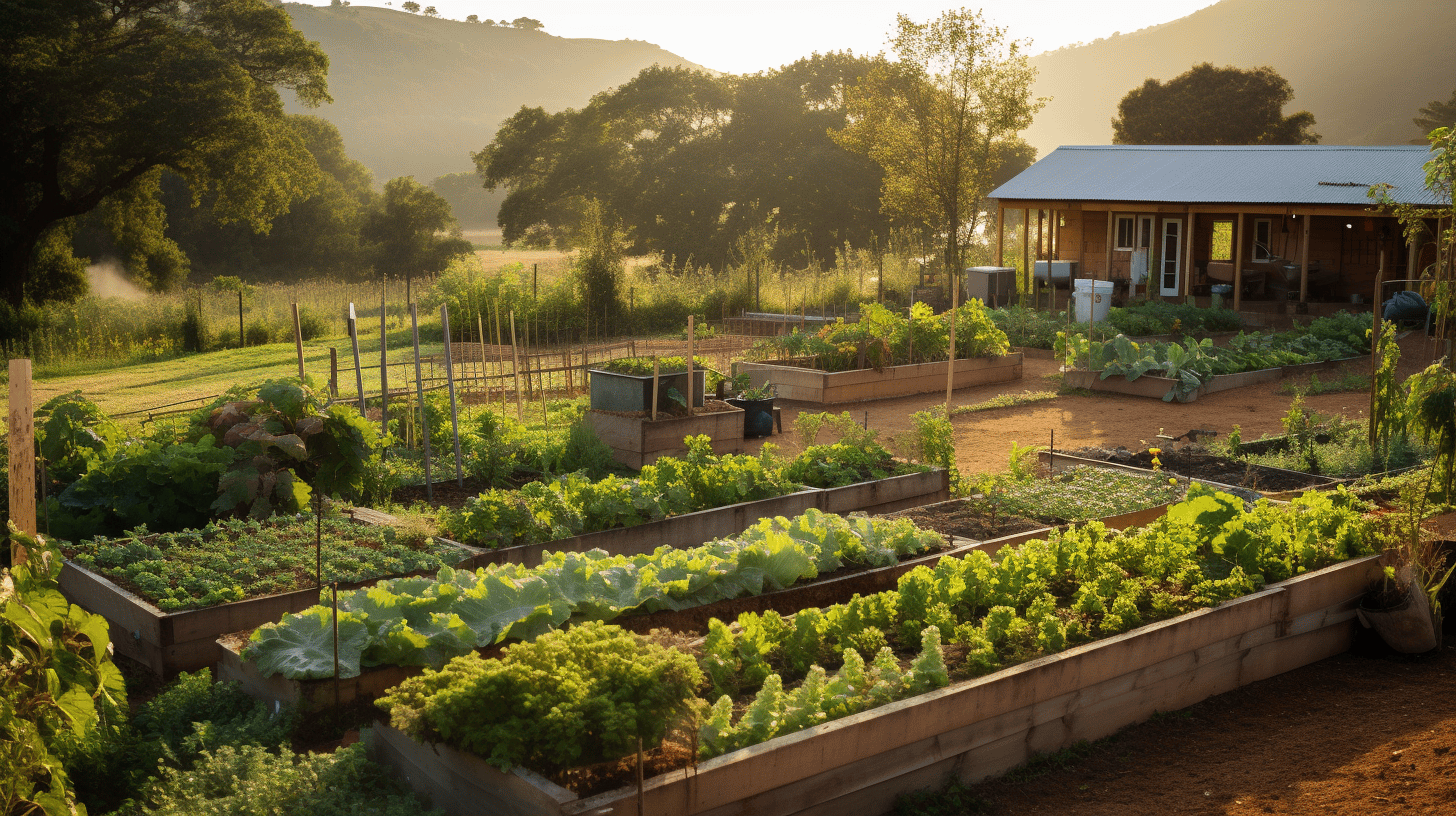
Regenerative agriculture is a transformative approach to farming that has gained significant attention in recent years. It is a philosophy and set of practices that focus on improving the health of the soil, enhancing biodiversity, and promoting sustainable agricultural systems. In short, regenerative agriculture aims to restore and regenerate the land, rather than deplete it.
So, what exactly is regenerative agriculture? At its core, regenerative agriculture seeks to work in harmony with natural ecosystems, mimicking nature’s cycles and processes. Farmers using regenerative practices adopt a holistic approach, recognizing the interconnectedness of all elements within the agricultural system – soil, plants, animals, and humans.
This approach to farming promotes practices such as crop rotation, cover cropping, composting, and the limited use of synthetic inputs. By doing so, regenerative agriculture seeks to not only improve soil health but also enhance the overall productivity and resilience of the farm. It’s a win-win situation for both the farmer and the environment.
But what are the positive impacts of regenerative agriculture? And how does it contribute to environmental and nutritional benefits? Let’s delve deeper into these aspects to gain a better understanding of the potential that regenerative agriculture holds for sustainable farming.
Positive Impacts of Regenerative Agriculture
Regenerative agriculture has been gaining attention as a sustainable and environmentally-friendly farming practice. This agricultural approach focuses on restoring and improving the health of the soil, while also promoting biodiversity and ecosystem resilience. Let’s explore some of the positive impacts of regenerative agriculture on both the environment and human nutrition.
Environmental Benefits
Regenerative agriculture practices are designed to enhance soil health and improve the overall ecosystem. These practices have several environmental benefits, including:
- Soil conservation: Regenerative practices such as cover cropping and soil-building techniques help to prevent soil erosion and improve soil structure. This, in turn, leads to better water infiltration, reduced runoff, and increased nutrient retention.
- Carbon sequestration: By using regenerative practices like rotational grazing and agroforestry, farmers can increase carbon sequestration in the soil. This means that carbon dioxide from the atmosphere is stored in the soil, helping to mitigate climate change.
- Water management: Regenerative agriculture practices focus on building healthy soils that can retain water more efficiently. This reduces the need for irrigation and helps to conserve water resources.
- Biodiversity preservation: Regenerative agriculture promotes biodiversity by creating habitat for beneficial insects, birds, and other wildlife. By avoiding the use of synthetic pesticides and fertilizers, regenerative farmers preserve the natural balance within ecosystems.
Nutritional Benefits
In addition to its positive impact on the environment, regenerative agriculture also has nutritional benefits for consumers. Research has shown that crops grown using regenerative practices can contain higher levels of certain vitamins and nutrients compared to conventionally grown crops.
For example, studies have found that crops from regenerative agriculture farms have higher levels of vitamins K and E. These vitamins are known for their antioxidant properties and play a crucial role in maintaining optimal health. By consuming crops grown using regenerative practices, individuals can gain increased access to these valuable nutrients.
It is important to note that these nutritional benefits are a result of the nourished and healthy soil that regenerative agriculture fosters. Healthy soil leads to healthier plants, which in turn provide more nutritional value to consumers.
In conclusion, regenerative agriculture offers a multitude of positive impacts on both the environment and human nutrition. By employing soil-building techniques, promoting biodiversity, and reducing the use of synthetic inputs, regenerative farmers are playing a crucial role in building a more sustainable and resilient food system. The environmental and nutritional benefits of regenerative agriculture make it a promising solution for addressing the challenges of our time. So, let’s support regenerative farming practices and contribute to a healthier planet and healthier diets.
Data-driven Farming and End-to-end Traceability
In the realm of regenerative agriculture, data-driven farming approaches and end-to-end traceability play a vital role in connecting initiatives to specific outcomes. By harnessing the power of data and implementing traceability systems, farmers can make informed decisions, optimize their practices, and create a more sustainable and efficient agricultural ecosystem. Let’s explore how data-driven farming and end-to-end traceability are shaping the future of agriculture.
The Importance of Data-driven Farming
Data-driven farming involves collecting and analyzing data from various sources, such as soil sensors, weather stations, and crop monitoring systems. This wealth of information allows farmers to gain valuable insights into their operations and make data-backed decisions. Here’s why data-driven farming is crucial:
- Precision Farming: With the help of data, farmers can precisely determine the right amount of resources, such as water, fertilizers, and pesticides, needed for optimal crop growth. This precision minimizes waste and reduces environmental impact.
- Improved Crop Management: By monitoring data on key factors like soil moisture levels, nutrient content, and pest infestation, farmers can identify potential issues before they become significant problems. This proactive approach enables timely interventions and reduces crop losses.
- Resource Optimization: Data-driven farming allows farmers to optimize resource allocation by identifying areas of inefficiency and focusing efforts where they are most needed. This leads to better resource utilization and cost savings.
- Yield Optimization: By analyzing historical data and tracking crop performance, farmers can identify patterns and trends that contribute to higher yields. These insights help improve planting strategies, crop rotation, and farm management practices for enhanced productivity.
End-to-end Traceability in Agriculture
End-to-end traceability refers to the ability to track and verify the journey of a food product from its origin to the consumer. This level of transparency ensures accountability and builds trust in the agricultural supply chain. Here’s why end-to-end traceability is gaining prominence:
- Food Safety: Traceability systems enable quick identification of the source of any contamination or quality issues in the food supply chain. In the event of a recall, stakeholders can act swiftly to remove the affected products, reducing the risk to public health.
- Consumer Confidence: In an era where consumers are increasingly concerned about the safety and sustainability of the food they consume, end-to-end traceability provides a valuable reassurance. It allows consumers to make informed choices by accessing information about the production methods, origin, and handling of the product.
- Supply Chain Efficiency: Traceability systems streamline supply chain management by providing real-time visibility into the movement of goods. This transparency enhances logistics planning, facilitates quality control, and reduces waste caused by inefficiencies or delays.
- Regulatory Compliance: Many countries have implemented traceability regulations to ensure food safety and quality. Adopting end-to-end traceability systems helps farmers and food producers comply with these regulations and avoid penalties or reputational damage.
By embracing data-driven farming approaches and implementing end-to-end traceability systems, farmers and food producers can unlock the full potential of regenerative agriculture. These innovative practices offer numerous benefits, including optimized resource utilization, improved productivity, enhanced food safety, and increased consumer trust. The future of agriculture lies in harnessing the power of data and creating a transparent and sustainable food ecosystem.
Benefits of Regenerative Agriculture Practices
Regenerative agriculture practices have gained recognition for their numerous benefits in recent years. This innovative approach to farming prioritizes sustainability and ecosystem health, aiming to restore and revitalize the land. By adopting regenerative farming techniques, farmers can achieve a range of positive outcomes that have far-reaching implications for our environment, soil health, and the economy.
Crop and Livestock Productivity
One of the significant advantages of regenerative agriculture practices is the increased productivity of both crops and livestock. By focusing on improving soil health and fertility, regenerative farmers can create thriving ecosystems that support robust plant growth and nutrient-dense crops. Healthy soils also contribute to the vitality and well-being of livestock, leading to higher-quality meat and dairy products.
Soil Erosion Prevention
Soil erosion is a significant concern in conventional agriculture, as it can deplete the topsoil and reduce its fertility. However, regenerative agriculture practices actively combat soil erosion through various techniques. By implementing practices like cover cropping, rotational grazing, and conservation tillage, farmers can protect the soil from erosion caused by wind and water runoff. This not only preserves soil health for future generations but also prevents pollutants from entering waterways and negatively affecting ecosystems.
Biodiversity Enhancement
Regenerative agriculture practices prioritize biodiversity, recognizing the crucial role that diverse ecosystems play in promoting resilience and sustainability. By incorporating diverse crop rotations, creating habitats for beneficial insects and wildlife, and preserving natural areas on the farm, regenerative farmers can create havens for biodiversity. This helps to support pollinators, control pests naturally, and maintain a balanced and resilient ecosystem.
Soil Carbon Sequestration
The ability of regenerative farming practices to sequester carbon is a game-changer in addressing climate change. The healthier soils created through regenerative practices have a higher capacity to capture and store carbon dioxide from the atmosphere. As plants capture carbon during photosynthesis and deposit it into the soil, regenerative farmers effectively contribute to mitigating greenhouse gas emissions and improving carbon balance.
Resilience to Climate Shocks
Regenerative agriculture practices foster resilience in farming systems, making them better equipped to withstand climate shocks and extreme weather events. Diverse crop rotations and cover cropping, for example, help to improve soil structure and moisture retention, reducing the reliance on irrigation and minimizing the impact of drought. These practices also strengthen the resilience of ecosystems and the agroecosystem as a whole.
Economic Benefits
Adopting regenerative agriculture practices offers substantial economic benefits to farmers and local communities. Healthier soils lead to increased crop yields and enhanced quality, allowing farmers to sell their products at higher prices. Additionally, regenerative practices can reduce input costs such as fertilizers and pesticides. In fact, estimates suggest that regenerative agriculture could generate at least €8.5 billion a year in socio-ecological benefits, creating a win-win situation for both farmers and the environment.
In conclusion, regenerative agriculture practices provide multifaceted benefits that extend beyond the boundaries of individual farms. From increased productivity to improved soil health, enhanced biodiversity to carbon sequestration, and economic advantages, regenerative agriculture is paving the way for a more sustainable and resilient future. By investing in regenerative farming techniques, we can foster healthy ecosystems, combat climate change, and ensure a thriving agricultural industry for generations to come.
Reducing GHG Emissions and Boosting Profits
Regenerative agriculture has emerged as a promising solution to reduce greenhouse gas (GHG) emissions while also benefiting the bottom line of farmers. By implementing regenerative practices, farmers have the potential to mitigate climate change, enhance biodiversity, and increase their profits. In fact, studies have shown that farmers embracing regenerative agriculture are 78% more profitable compared to those sticking to conventional farming methods[1](#ref1).
So, how exactly does regenerative agriculture achieve these remarkable outcomes? Let’s dive deeper into the key strategies and practices that contribute to both reduced GHG emissions and higher profits.
1. Carbon Sequestration
One of the main ways regenerative agriculture reduces GHG emissions is through carbon sequestration. By adopting practices like cover cropping, crop rotation, and agroforestry, farmers can increase the organic matter content in the soil. This leads to the sequestration of atmospheric carbon dioxide (CO2) in the soil, effectively reducing its concentration in the atmosphere. Not only does this help combat climate change, but it also improves soil fertility and water retention, resulting in higher crop yields and better profits.
2. Reduced Chemical Inputs
Conventional farming heavily relies on synthetic fertilizers and pesticides, which contribute to GHG emissions through their production and application processes. In contrast, regenerative agriculture emphasizes natural and organic practices, reducing the need for chemical inputs. By minimizing the use of synthetic fertilizers and pesticides, farmers can lower their carbon footprint and operational costs, consequently increasing their profits.
3. Enhanced Biodiversity
Regenerative agriculture promotes biodiversity by creating a healthy and thriving ecosystem on farmlands. By incorporating diverse crop rotations, integrating livestock, and preserving natural habitats, farmers can foster a rich and resilient ecosystem. Biodiversity not only supports pollinators and beneficial insects but also improves the overall soil health. This, in turn, leads to higher crop productivity and resilience to pests and diseases. The enhanced biodiversity not only benefits the environment but also boosts farmers’ profitability.
4. Diversified Income Streams
Another avenue where regenerative agriculture can boost profits is through diversified income streams. By incorporating additional revenue streams like agri-tourism, direct marketing to consumers (e.g., farmers’ markets or community-supported agriculture), and value-added processing (e.g., producing artisanal products or gourmet foods), farmers can broaden their customer base and increase their profitability. These diversified income streams provide opportunities for higher margins and a more stable financial outlook.
Conclusion
Regenerative agriculture presents a powerful solution to simultaneously address the challenges of reducing GHG emissions and boosting farmers’ profits. Through practices focused on carbon sequestration, reduced chemical inputs, enhanced biodiversity, and diversified income streams, farmers can play a vital role in combating climate change while also enjoying increased profitability. By embracing regenerative agriculture, farmers can contribute to a more sustainable future for both the planet and themselves.
[1](#ref1): Study: Regenerative Agriculture Practices Generate Increase in Farmer Profits
Soil Carbon Sequestration Potential
Regenerative agriculture not only brings a multitude of benefits to farmers and the environment but also plays a crucial role in addressing climate change. One of the key aspects of regenerative agriculture is its ability to enhance soil carbon sequestration.
Soil carbon sequestration is the process by which carbon dioxide (CO2) is captured from the atmosphere and stored in the soil, helping to mitigate the impacts of climate change. By adopting regenerative practices, farmers can greatly contribute to this important process. Here are some insights into the soil carbon sequestration potential of regenerative agriculture:
- Increased organic matter: Regenerative agriculture focuses on improving soil health through practices like cover cropping, crop rotation, and the use of organic fertilizers. These practices increase the amount of organic matter in the soil, which in turn increases the soil’s capacity to store carbon.
- Reduced soil disturbance: Conventional farming practices often involve excessive tillage, which can lead to the release of carbon stored in the soil. In contrast, regenerative agriculture promotes minimal soil disturbance, allowing the carbon to remain in the soil and contribute to sequestration.
- Enhanced plant diversity: Plant diversity plays a crucial role in carbon sequestration. Regenerative farmers often use diverse cover crops and crop rotations, which not only help improve soil health but also promote the growth of different plant species. This diverse plant life encourages the accumulation of carbon in the soil.
- Root system development: Regenerative practices promote the growth of deep-rooted plants, such as grasses and legumes. These plants have extensive root systems that penetrate deep into the soil, facilitating the sequestration of carbon below the surface.
- Integration of livestock: Livestock grazing can also contribute to soil carbon sequestration when managed properly. Practices such as rotational grazing, where animals are moved regularly between different pastures, can enhance plant growth and increase carbon storage in the soil.
- Long-term impact: One of the advantages of regenerative agriculture is its potential for long-term carbon sequestration. Unlike some forms of carbon capture and storage technologies, which require ongoing maintenance or costly infrastructure, regenerative practices naturally build up carbon levels in the soil over time, providing a sustainable solution to mitigate climate change.
Regenerative agriculture offers tangible and practical solutions to combat climate change. By prioritizing soil health and implementing regenerative practices, farmers can significantly contribute to the sequestration of carbon, helping to reduce atmospheric greenhouse gas levels and create a more sustainable future.
Soil carbon sequestration is just one aspect of the extensive positive impacts of regenerative agriculture. By adopting these practices, farmers can enhance the productivity of their crops and livestock, prevent soil erosion, promote biodiversity, and increase their resilience to climate shocks. Moreover, regenerative agriculture can bring economic benefits to farmers, making it a win-win solution for both the environment and the agricultural industry.
Frequently Asked Questions
- What is regenerative agriculture?
Regenerative agriculture is a farming and land management practice that focuses on improving soil health, biodiversity, and ecosystem functioning. It involves techniques such as cover cropping, crop rotation, minimal tillage, and the use of organic fertilizers to restore and regenerate degraded agricultural land.
- How does regenerative agriculture differ from conventional farming?
Unlike conventional farming, which often relies on synthetic inputs, intensive tilling, and monocropping, regenerative agriculture promotes natural processes and aims to minimize environmental impact. It emphasizes soil regeneration, biodiversity enhancement, and sustainable farming practices.
- What are the benefits of regenerative agriculture?
Regenerative agriculture offers several benefits, including improved soil health and fertility, increased water retention, reduced erosion and nutrient runoff, enhanced biodiversity, carbon sequestration, and improved resilience to climate change.
- Can regenerative agriculture be applied to different types of farming?
Yes, regenerative agriculture principles can be applied to various types of farming, including crop production, livestock grazing, and agroforestry. The specific techniques and practices might vary depending on the farming system, but the core focus on soil health and sustainability remains consistent.
- How can farmers transition to regenerative agriculture practices?
Farmers can transition to regenerative agriculture by gradually implementing practices such as cover cropping, crop rotation, reduced tillage, and integrating livestock into their farming systems. It is important to start with small-scale trials, seek guidance from experts, and gradually scale up the regenerative practices.