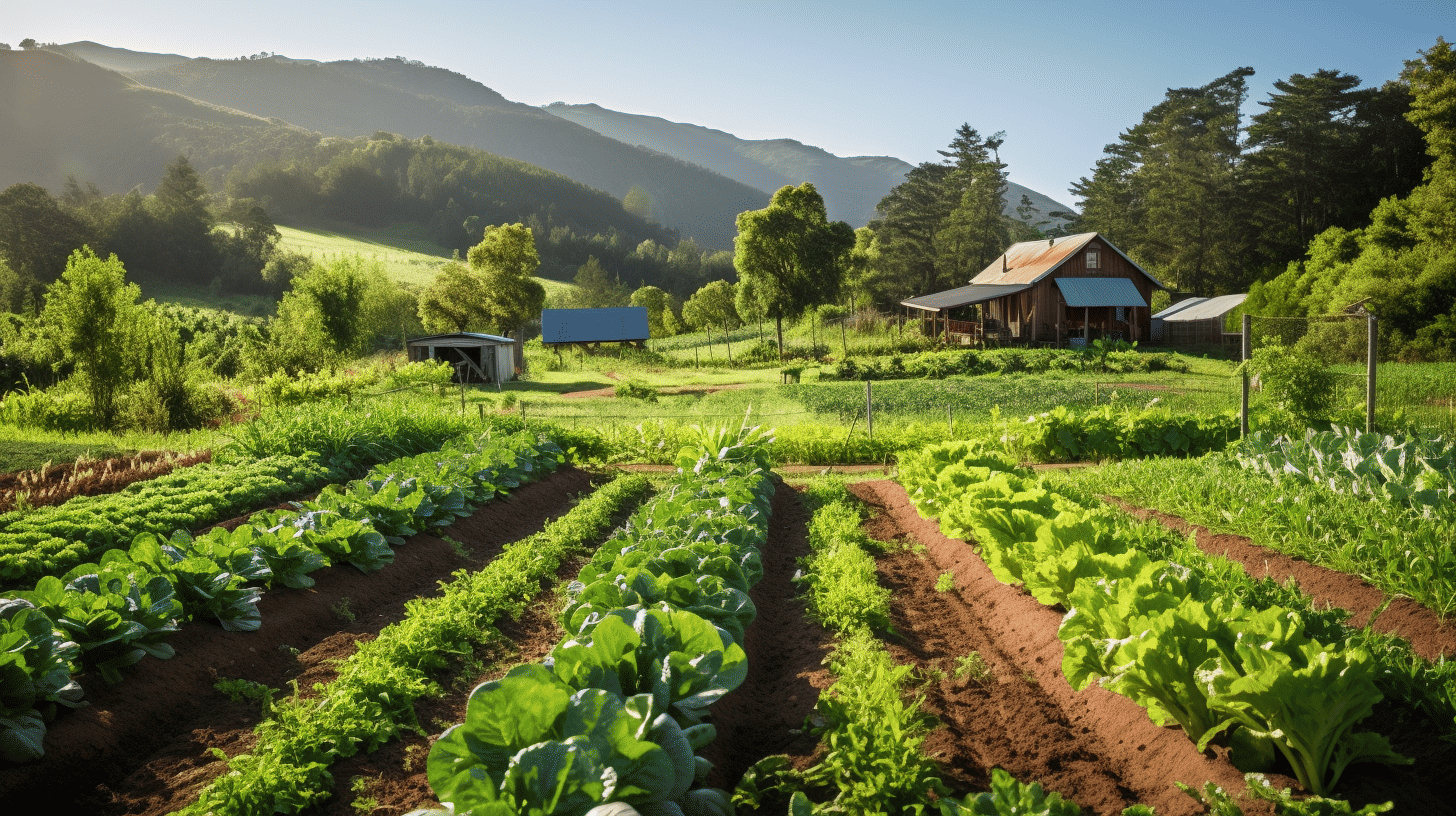
Sustainable soil management is the cornerstone of regenerative farming practices. By implementing these best practices, farmers can not only improve the health and productivity of their soil but also contribute to a more sustainable and resilient agricultural system. In this article, we will explore the importance of sustainable soil management, the components of sustainable farming, the benefits it brings, and the potential of regenerative agriculture. Whether you’re a seasoned farmer or just starting out, this article will provide valuable insights into the world of sustainable soil management and its impact on our food system. So let’s dive in!
Importance of Sustainable Soil Management
Soil is not just dirt; it is a living ecosystem that plays a crucial role in food production. The practice of sustainable soil management is essential for maintaining the health and productivity of our agricultural lands. In this section, we will explore the significance of soil in food production and the alarming issue of global soil degradation.
Soil’s Significance in Food Production
- The importance of soil in food production cannot be overstated. It is estimated that soil produces 98% of the food we consume[1]. From crops to livestock feed, our food system relies heavily on the nutrients and water that soil provides.
- Healthy soil acts as a natural reservoir, efficiently holding and releasing water to plants as needed. This is especially critical in areas with limited water resources or prone to droughts.
- Soil is home to a diverse range of microorganisms, including bacteria, fungi, and earthworms. These organisms play a vital role in nutrient cycling, breaking down organic matter, and enriching the soil with essential elements.
To ensure long-term food security and sustainability, it is crucial to adopt practices that preserve and enhance soil health. Sustainable soil management techniques, such as conservation tillage, crop rotation, and cover cropping, aim to minimize soil erosion, enhance soil fertility, and reduce reliance on synthetic inputs.
Global Soil Degradation
Despite the importance of soil, a significant portion of the world’s soils are facing degradation. Unsustainable farming practices, deforestation, urbanization, and pollution have led to the deterioration of soil quality worldwide.
According to a report by the Food and Agriculture Organization (FAO), around 33% of global soils are moderately or highly degraded[2]. This alarming statistic highlights the urgency of implementing sustainable soil management practices on a global scale.
Soil degradation can have severe consequences for food production and environmental sustainability:
- Reduced crop yields: Degraded soils are less productive, resulting in lower crop yields and reduced agricultural output. This can lead to food shortages and economic instability in affected regions.
- Increased water pollution: Degraded soils are more susceptible to erosion, which can lead to the contamination of nearby water bodies with sediment, nutrients, and pesticides. This pollution poses risks to aquatic ecosystems and human health.
- Loss of biodiversity: Healthy soils support a diverse range of organisms, contributing to overall ecosystem health. Soil degradation can lead to a decline in biodiversity, disrupting ecological balance and resilience.
It is crucial for policymakers, farmers, and consumers to recognize the importance of sustainable soil management and take action to preserve and restore soil health. Through adopting sustainable farming practices, investing in soil conservation programs, and promoting soil education, we can ensure a future where our soils remain healthy and productive for generations to come.
[1]: Source
[2]: Source
Components of Sustainable Farming
Sustainable farming is a holistic approach to agriculture that focuses on environmental stewardship, economic viability, and social responsibility. By implementing sustainable practices, farmers can enhance soil health, conserve water, manage pests and diseases effectively, and minimize waste generation. Let’s take a closer look at the key components of sustainable farming.
Soil Management
Maintaining healthy soil is crucial for sustainable farming. Healthy soil provides a fertile ground for crops to grow, improves nutrient availability, enhances water retention, and reduces erosion. Farmers can employ various practices to promote soil health, such as:
- Crop rotation: Rotating different crops on the same land helps break pest and disease cycles, improves soil structure, and prevents nutrient depletion.
- Cover cropping: Planting cover crops like legumes or grasses between cash crops helps prevent soil erosion, adds organic matter, and fixes nitrogen in the soil.
- Conservation tillage: Reducing or eliminating tillage minimizes soil disturbance, preserves soil structure, and reduces erosion.
By implementing these soil management practices, farmers can support long-term sustainability and productivity on their farms.
Crop Management
Efficient crop management is another crucial component of sustainable farming. It involves optimizing plant nutrition, reducing chemical inputs, and enhancing crop resilience. Farmers can adopt the following practices:
- Integrated nutrient management: Using organic fertilizers, compost, and crop residues can improve soil fertility, reduce reliance on synthetic fertilizers, and minimize nutrient runoff.
- Precision agriculture: By utilizing technology like GPS and remote sensing, farmers can apply inputs precisely, optimizing resource use and minimizing waste.
- Crop diversification: Growing a variety of crops can reduce pest and disease pressure, promote biodiversity, and enhance overall farm resilience.
By implementing sustainable crop management practices, farmers can produce healthy, high-quality crops while minimizing environmental impacts.
Water Management
Water is a precious resource, and sustainable farming aims to optimize its usage. Efficient water management practices can help farmers conserve water, reduce runoff, and maintain water quality. Some water management strategies include:
- Irrigation scheduling: Using weather data, soil moisture sensors, and evapotranspiration rates, farmers can time irrigation accurately, minimizing water waste.
- Water-saving techniques: Embracing techniques like drip irrigation, mulching, and reduced evaporation covers can enhance water use efficiency and reduce water loss.
- Rainwater harvesting: Collecting rainwater and storing it for later use can supplement irrigation needs and reduce reliance on other water sources.
By adopting sustainable water management practices, farmers can conserve water resources while maintaining crop productivity.
Disease/Pest Management
Controlling pests and diseases is an essential aspect of sustainable farming. Integrated Pest Management (IPM) is an approach that emphasizes prevention, monitoring, and targeted interventions to minimize the use of synthetic pesticides. Some IPM practices include:
- Biological control: Encouraging beneficial insects and organisms that prey on pests can help manage pest populations naturally.
- Crop rotation and diversification: Breaking pest cycles through crop rotation and planting pest-resistant varieties can reduce pest pressure.
- Cultural practices: Pruning, sanitation, and proper field hygiene can help prevent disease outbreaks and limit pest infestations.
By implementing sustainable disease and pest management practices, farmers can protect their crops while minimizing negative impacts on the environment and human health.
Waste Management
Effective waste management is essential for sustainable farming. By minimizing waste generation and maximizing resource utilization, farmers can reduce environmental pollution and improve overall farm efficiency. Some waste management practices include:
- Composting: Converting organic waste into nutrient-rich compost helps recycle nutrients, improve soil health, and reduce reliance on synthetic fertilizers.
- Manure management: Proper storage, treatment, and application of livestock manure prevent nutrient leaching, water contamination, and odor issues.
- Recycling and reuse: Reusing farm materials, such as machinery parts or packaging, reduces waste generation and conserves resources.
By embracing sustainable waste management practices, farmers can contribute to a more circular and environmentally friendly farming system.
In conclusion, sustainable farming encompasses various components that work together to promote environmental, economic, and social sustainability. By implementing soil management, crop management, water management, disease/pest management, and waste management practices, farmers can cultivate a more sustainable and resilient agricultural system for future generations.
Benefits of Sustainable Soil Management
Sustainable soil management practices bring numerous benefits to agriculture and the environment. By prioritizing the health of the soil, farmers can enhance crop productivity, reduce the need for synthetic fertilizers and pesticides, and contribute to the conservation of biodiversity. Moreover, sustainable soil management has a direct impact on the nutritional content of the food we consume.
Improving Soil Biodiversity
Implementing sustainable soil management practices such as cover cropping, crop rotation, and reduced tillage can enhance soil biodiversity. These practices create a favorable environment for beneficial microorganisms, earthworms, and other soil organisms to thrive. By increasing the diversity and abundance of these organisms, the soil ecosystem becomes more resilient to stressors and better able to provide essential ecosystem services, such as nutrient cycling and water filtration.
Research Focus Areas
Ongoing research in the field of sustainable soil management focuses on several key areas to further improve agricultural practices and environmental sustainability. Some of these research areas include:
- Soil Quality: Scientists are studying ways to assess and improve soil quality indicators, such as organic matter content, soil structure, and nutrient availability.
- Circular Agriculture: Research is being conducted to explore the potential of closed-loop systems, where waste from one process becomes a valuable resource for another, minimizing waste and maximizing resource efficiency.
- Nitrogen and Nature: Studies aim to understand the relationship between nitrogen fertilizers and their impact on soil health, as well as finding ways to reduce nitrogen losses to the environment.
- Climate and Greenhouse Gas Emissions: Researchers are investigating methods to mitigate greenhouse gas emissions from agricultural soils, such as carbon sequestration and the reduction of nitrous oxide emissions.
- Water Quality: Efforts are being made to develop best management practices that minimize nutrient runoff and protect water quality.
Impact on Soil Health
Sustainable soil management practices, such as regenerative agriculture, have a significant impact on soil health. These practices focus on building organic matter content, improving soil structure, and promoting the activity of beneficial microorganisms. The benefits of improved soil health include:
- Increased water-holding capacity, which improves resilience to drought conditions.
- Enhanced nutrient retention, reducing the need for synthetic fertilizers and minimizing nutrient pollution in water bodies.
- Improved soil structure and porosity, leading to better root penetration, aeration, and overall plant growth.
- Reduced soil erosion and nutrient runoff, helping to protect water quality.
Nutritional Content of Food
One of the most compelling reasons to prioritize sustainable soil management is its positive impact on the nutritional content of the food we consume. Research has shown that food grown using regenerative agriculture practices tends to have higher levels of essential nutrients compared to conventionally grown counterparts. This is attributed to the improved soil health and nutrient availability resulting from sustainable soil management practices.
Incorporating sustainable soil management practices not only benefits farmers and the environment but also has a direct impact on the quality and nutritional value of the food we eat. By supporting sustainable agriculture, we can contribute to a healthier planet and nourish our bodies with nutrient-rich produce.
Regenerative Agriculture and Soil Health
Regenerative agriculture is gaining recognition as a sustainable and effective approach to farming that not only benefits the environment but also improves soil health. By implementing regenerative practices, farmers can restore and enhance the quality of their soil, leading to numerous advantages for both the crops and the ecosystem at large. Let’s explore some of the ways regenerative agriculture can improve soil health and ultimately contribute to a more sustainable agricultural system.
Improving Soil Health
One of the key principles of regenerative agriculture is to prioritize soil health. Unlike conventional farming practices that often degrade soil over time, regenerative agriculture focuses on rebuilding and maintaining soil fertility. By implementing techniques such as cover cropping, crop rotation, and minimal tillage, regenerative farmers can:
- Increase organic matter content: Regenerative agriculture practices promote the buildup of organic matter in the soil. This organic matter not only improves soil structure but also enhances its water-holding capacity and nutrient retention capabilities. As a result, the soil becomes more resilient and better equipped to support healthy plant growth.
- Enhance soil structure: The continuous use of heavy machinery and frequent tilling can lead to soil compaction, reducing its ability to absorb water and nutrients. By minimizing tillage and adopting practices that encourage the growth of deep-rooted plants, regenerative farmers can prevent soil compaction and improve overall soil structure.
- Boost microbial activity: Soil health relies on a diverse and thriving community of microorganisms. Regenerative agricultural practices provide favorable conditions for these beneficial microorganisms to thrive, promoting nutrient cycling, disease suppression, and improved plant resilience.
Increasing Crop Nutrient Density
In addition to improving soil health, regenerative agriculture practices have been shown to increase the nutrient density of crops. By focusing on soil health, regenerative farmers create an environment where plants can access and absorb essential nutrients more effectively. This leads to crops that are not only more nutrient-rich but also more flavorful and resistant to pests and diseases.
Enhancing Resilience to Climate Change
Regenerative agriculture practices play a crucial role in building resilience in the face of climate change. By improving soil health, regenerative farmers can:
- Increase carbon sequestration: Healthy soils act as a carbon sink, helping to mitigate climate change by storing carbon dioxide from the atmosphere. Regenerative practices, such as cover cropping and minimal tillage, facilitate the accumulation of organic matter in the soil, which can significantly increase carbon sequestration rates.
- Reduce greenhouse gas emissions: Traditional farming methods are often associated with significant greenhouse gas emissions, primarily due to the use of synthetic fertilizers and intensive tillage practices. Regenerative agriculture, on the other hand, minimizes the need for synthetic inputs and reduces soil disturbance, leading to lower emissions of nitrous oxide and carbon dioxide.
Promoting Natural Pest Control
One of the remarkable aspects of regenerative agriculture is its reliance on natural pest control methods. By fostering biodiversity and creating a balanced ecosystem, regenerative farmers can reduce the reliance on synthetic pesticides. Instead, they encourage natural predators, beneficial insects, and diverse plant communities that work together to manage pests. This not only protects the environment but also safeguards the health of consumers who may be exposed to pesticide residues on conventionally grown crops.
Economic Benefits
Apart from the environmental advantages, regenerative agriculture can also bring economic benefits to farmers. Studies have shown that farms implementing regenerative practices can be up to 78% more profitable than those utilizing only conventional methods. This increase in profitability can be attributed to reduced input costs, improved soil fertility, and increased crop yields.
In conclusion, regenerative agriculture offers a promising path towards improved soil health and sustainability in the agricultural industry. By prioritizing soil health, increasing nutrient density, enhancing resilience to climate change, promoting natural pest control, and reaping economic benefits, regenerative farmers contribute to a more sustainable and resilient food system.
Expansion and Potential of Regenerative Agriculture
Regenerative agriculture is gaining momentum as a sustainable farming approach that offers numerous environmental and economic benefits. Its potential for transforming the agricultural sector is significant, and there are several indicators that point towards an expansion of regenerative practices in the future.
Current Adoption of Regenerative Practices
Currently, regenerative agriculture is being embraced by a growing number of farmers and landowners who recognize the importance of sustainable practices for long-term success. Many farmers are transitioning from conventional farming methods to regenerative practices due to the following reasons:
- Environmental benefits: Regenerative agriculture promotes soil health, reduces erosion, improves water quality, and enhances biodiversity. These benefits not only support the ecosystem but also contribute to climate change mitigation.
- Profitability: Despite initial investment and transition costs, regenerative farmers often experience improved profitability over time. By reducing input costs and improving soil health, regenerative practices can lead to higher crop yields and reduced reliance on expensive synthetic inputs.
- Consumer demand: With a heightened focus on sustainable and environmentally friendly practices, consumers are increasingly seeking out products from regenerative farms. This demand provides a strong incentive for farmers to adopt regenerative practices and meet consumer expectations.
Growth Potential
The growth potential for regenerative agriculture is substantial, given its numerous advantages. Several factors contribute to its promising future:
- Scientific research: Ongoing research is expanding our understanding of the benefits and mechanisms behind regenerative agriculture. This research is likely to provide further evidence and insights into the effectiveness and scalability of regenerative practices.
- Government support: Governments around the world are recognizing the importance of sustainable agriculture and providing support for regenerative practices through grants, incentives, and policy changes. This support can help accelerate the adoption of regenerative practices on a larger scale.
- Education and awareness: As more farmers and consumers become aware of the benefits of regenerative agriculture, there is an increasing demand for education and training programs. This awareness will contribute to the expansion of regenerative practices by equipping farmers with the knowledge and skills needed to implement these techniques.
Supporting a Healthy Food System
Regenerative agriculture has the potential to not only transform individual farms but also shape a healthier and more resilient food system. By focusing on soil health, regenerative practices can:
- Improve food quality: Healthy, nutrient-rich soil leads to crops with enhanced nutritional content. This directly benefits consumers by providing them with more nutritious and wholesome food.
- Ensure long-term food security: By improving soil fertility and resilience, regenerative agriculture helps safeguard against soil degradation and erosion. This ensures the long-term productivity of farmland, supporting food security for future generations.
- Reduce dependence on synthetic inputs: Regenerative practices emphasize natural inputs and minimal reliance on synthetic fertilizers and pesticides. This reduces the environmental impact associated with conventional agriculture methods and creates a more sustainable and resilient farming system.
With its expanding adoption, growth potential, and impact on the food system, regenerative agriculture holds immense promise for the future of sustainable farming. By prioritizing soil health, it provides a pathway for farmers to build resilient ecosystems, improve profitability, and contribute to a sustainable future for agriculture.
Frequently Asked Questions
- What is sustainable soil management?
Sustainable soil management involves adopting practices that promote healthy soil and minimize negative impacts on the environment. It focuses on improving soil fertility, enhancing water retention capacity, reducing erosion, and preserving soil biodiversity.
- Why is sustainable soil management important for regenerative farmers?
Sustainable soil management is crucial for regenerative farmers as it helps improve crop production, maintain soil health, and preserve the long-term fertility of the land. It also reduces the reliance on chemical inputs and contributes to climate change mitigation.
- What are some best practices for sustainable soil management?
Some best practices for sustainable soil management include: 1. Crop rotation and diversification, 2. Cover cropping, 3. Conservation tillage, 4. Composting and organic matter addition, and 5. Water management techniques like drip irrigation and mulching.
- How does sustainable soil management contribute to environmental conservation?
Sustainable soil management practices help reduce soil erosion, prevent nutrient runoff into water bodies, enhance carbon sequestration, and promote biodiversity. These contribute to environmental conservation by preserving ecosystems, protecting water quality, and mitigating climate change.
- Are there any financial benefits of implementing sustainable soil management practices?
Yes, there can be financial benefits of implementing sustainable soil management practices. These practices can improve crop yields, reduce input costs, decrease the need for chemical fertilizers and pesticides, and enhance the overall resilience of the farm. This can result in higher profitability for regenerative farmers.