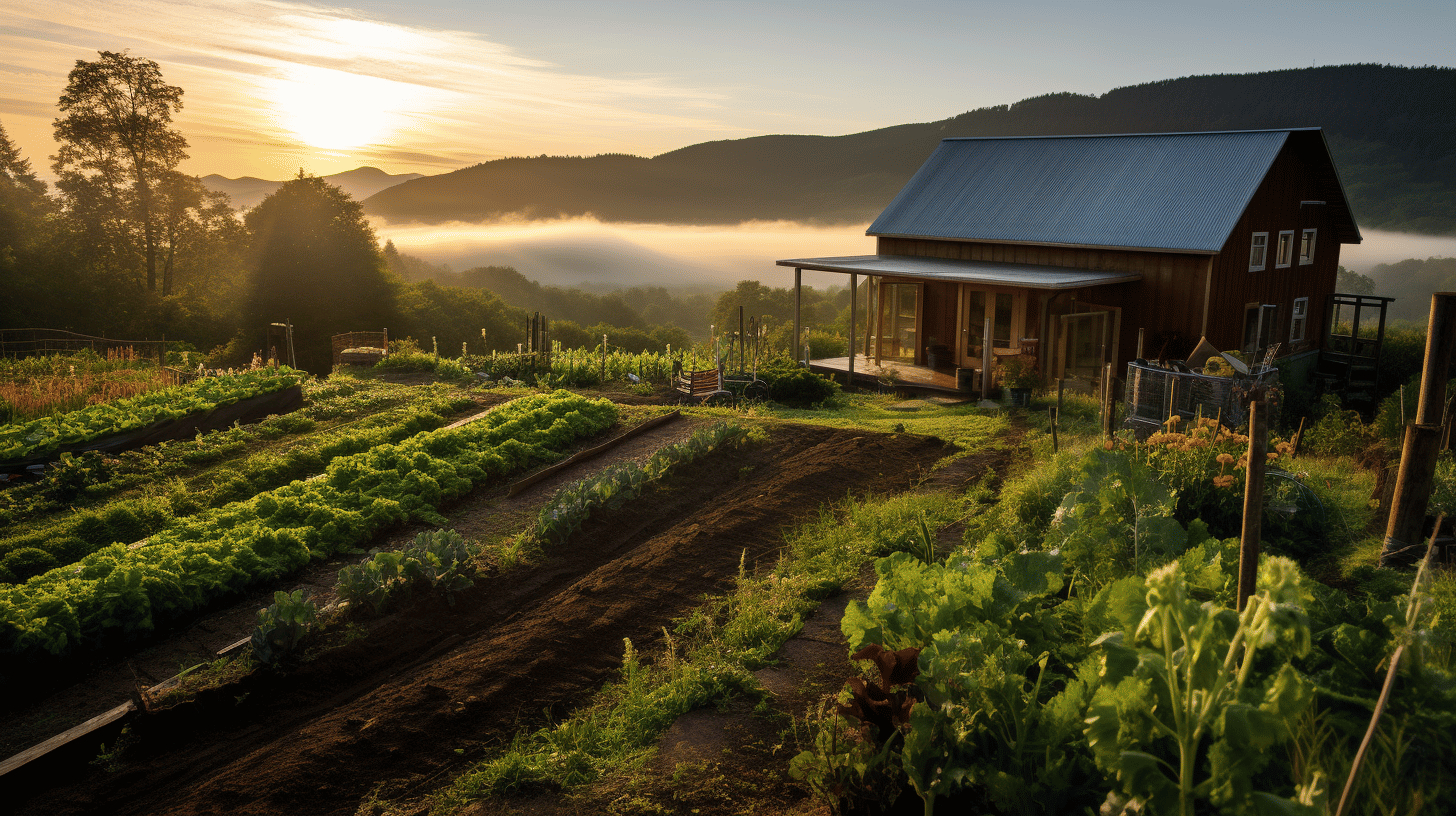
Regenerative agriculture is revolutionizing the way we approach farming. Instead of depleting natural resources and damaging ecosystems, regenerative agriculture focuses on enhancing soil health, biodiversity, and overall ecosystem function. This holistic approach not only benefits the environment but also offers numerous economic and social advantages.
In recent years, there has been a growing recognition of the importance of regenerative agriculture in addressing critical global challenges such as climate change, food security, and rural development. As a result, farmers, businesses, and organizations are increasingly embracing regenerative practices and seeking partnerships and collaborations to maximize their impact.
This article explores the power of regenerative agriculture partnerships and networks, highlighting the benefits of such collaborations, the market potential of regenerative agriculture, and the key players driving the movement. We will delve into the significance of information sharing, support systems, and strategic partnerships in scaling up regenerative agriculture practices worldwide.
So, whether you’re a farmer looking to transition to regenerative practices, a business seeking sustainable supply chains, or an organization interested in supporting this transformative movement, this article will provide valuable insights into harnessing the power of regenerative agriculture partnerships and networks. Let’s explore the possibilities together.
Benefits of Regenerative Agriculture
Regenerative agriculture is gaining attention as a sustainable farming practice that goes beyond conventional methods. It focuses on restoring and revitalizing natural ecosystems, promoting soil health, and mitigating the effects of climate change. The benefits of regenerative agriculture are numerous and far-reaching, making it an essential approach for the future of our planet.
Reducing Greenhouse Gas Emissions
One of the key advantages of regenerative agriculture is its potential to significantly reduce greenhouse gas emissions. By implementing practices such as cover cropping, rotational grazing, and agroforestry, regenerative farmers can effectively sequester carbon dioxide from the atmosphere. Studies suggest that regenerative agriculture practices have the potential to reduce greenhouse gas emissions by up to 30%[1]. This reduction plays a crucial role in combating climate change and its adverse effects.
Optimizing Water Use
Water scarcity is a pressing global issue, and regenerative agriculture offers a solution by optimizing water use on farms. Through practices like conservation tillage and the use of cover crops, regenerative farmers can improve the soil’s ability to retain moisture. This reduces the need for excessive irrigation, leading to more efficient water usage. As a result, regenerative agriculture helps conserve water resources and ensures their availability for future generations.
Increasing Soil Organic Carbon
Regenerative agriculture aims to increase soil organic carbon (SOC) levels, which leads to improved soil health and fertility. By implementing practices like crop rotation, composting, and the use of organic amendments, regenerative farmers can enhance SOC levels in their fields. Recent data from farming systems and pasture trials have shown that regenerative agriculture can sequester more than 100% of current annual CO2 emissions[2]. This approach not only helps mitigate climate change but also improves soil structure, nutrient cycling, and water infiltration.
Enhancing Biodiversity
With the rapid decline of global biodiversity, regenerative agriculture provides a promising solution by fostering diverse ecosystems on farms. By incorporating hedgerows, buffer strips, and perennial crops, regenerative farmers create habitats for beneficial insects, birds, and other wildlife. This biodiversity not only enhances natural pest control but also promotes pollination and improves overall ecosystem resilience. The presence of diverse plant and animal species is essential for the long-term sustainability and health of agricultural systems.
Mitigating Climate Change
Regenerative agriculture plays a crucial role in mitigating the impacts of climate change. By improving soil health, enhancing carbon sequestration, and reducing greenhouse gas emissions, this approach contributes to a more sustainable future. The benefits of regenerative agriculture extend beyond individual farms, as the adoption of these practices on a larger scale can have a significant positive impact on our environment and global food systems.
In conclusion, regenerative agriculture offers a multitude of benefits that make it a critical practice for the future of agriculture and our planet. By reducing greenhouse gas emissions, optimizing water use, increasing soil organic carbon, enhancing biodiversity, and mitigating climate change, regenerative agriculture presents a sustainable and holistic approach to farming. Its positive impacts extend far beyond individual farms, shaping a more resilient and environmentally conscious agricultural system for generations to come.
View more information on the benefits of regenerative agriculture
Market Potential of Regenerative Agriculture
Regenerative agriculture is an innovative and sustainable approach to farming that aims to restore the health of the soil, increase biodiversity, and improve water quality. As global concerns around climate change and food security continue to rise, the market potential for regenerative agriculture is gaining significant traction. Let’s explore the market dynamics and potential growth opportunities in this exciting field.
The Global Regenerative Agriculture Market
According to market research, the global regenerative agriculture market is projected to experience substantial growth in the coming years. It is estimated to be worth $8.7 billion in 2022 and is expected to reach $16.8 billion by the end of 2027[1]. This impressive growth indicates the growing demand for regenerative farming practices across the globe.
Addressing the Impact of Conventional Agriculture
Conventional agriculture has had significant negative impacts on the environment, including soil erosion, water pollution, and greenhouse gas emissions. Regenerative agriculture practices hold the potential to reverse these adverse effects and promote environmental sustainability.
By focusing on soil health and ecological restoration, regenerative farming techniques can transform agricultural lands into carbon sinks[1]. This means that not only can regenerative agriculture mitigate the negative impacts of conventional farming, but it can also help combat climate change by sequestering carbon from the atmosphere.
Unlocking New Opportunities
The market potential for regenerative agriculture extends beyond environmental benefits. It also opens up new opportunities for farmers, entrepreneurs, and stakeholders in the agricultural sector. Here are some key areas where regenerative agriculture can drive growth:
- Increased consumer demand: As consumers become more environmentally conscious, the demand for sustainably produced food is on the rise. Regenerative agriculture practices align with these values, making it an attractive choice for consumers and creating opportunities for farmers who adopt these practices.
- Financial incentives: Governments and organizations are introducing financial incentives and subsidy programs to encourage the adoption of regenerative agricultural practices. This support provides additional motivation for farmers to transition towards regenerative farming methods, fostering market growth.
- Technological advancements: The integration of technology, such as precision agriculture, IoT devices, and data analytics, can further enhance the productivity and efficiency of regenerative farming. This intersection of technology and sustainability presents opportunities for innovation and investment in agri-tech startups.
Regenerative agriculture is not just a trend; it is a transformative approach that has the potential to revolutionize the agricultural sector. The combination of increasing consumer demand, policy support, and technological advancements makes regenerative agriculture a promising market with ample growth opportunities.
[1]: Source
Partnerships and Collaborations in Regenerative Agriculture
Regenerative agriculture is gaining momentum as companies, organizations, and governments recognize the importance of sustainable farming practices. To further the adoption of regenerative agriculture methods, partnerships and collaborations are crucial. By working together, stakeholders can leverage their expertise and resources to drive positive change in the agriculture sector. Here are some notable partnerships and collaborations that are making a significant impact:
Farming Companies and Organizations
- Knorr: Knorr has partnered with farming organizations and farmers to promote regenerative agriculture practices. Through their Farmer Connect program, they provide training and resources to support farmers in transitioning to regenerative farming methods.
- AgEvidence: AgEvidence collaborates with agricultural companies, non-profit organizations, and research institutions to develop evidence-based solutions for sustainable farming. Their partnership model enables knowledge-sharing and encourages the adoption of regenerative agricultural practices.
- Indigo Ag: Indigo Ag works closely with farmers and agricultural organizations to facilitate the adoption of regenerative practices. They provide tools and technologies to improve soil health and help farmers implement sustainable farming methods.
- General Mills: General Mills has formed partnerships with various farming organizations to promote regenerative agriculture. By supporting farmers in implementing regenerative practices, they aim to improve soil health, reduce greenhouse gas emissions, and enhance biodiversity.
Academic and Research Initiatives
- Regenerative Agriculture Initiative: The Regenerative Agriculture Initiative supports student-led research projects on regenerative agricultural practices. By partnering with universities and research institutions, they contribute to the body of knowledge on regenerative agriculture and foster innovation in the field.
Government Initiatives
- Regenerative Agriculture and Agritech Network: The government of B.C. has launched a Regenerative Agriculture and Agritech Network to support farmers in adopting regenerative practices. This network aims to connect farmers with relevant resources, funding, and expertise to accelerate the adoption of regenerative agriculture in the region.
Agri-tech Partners
- AgriCircle: Collaborating with agri-tech firms like AgriCircle can provide innovative solutions for soil health and regenerative agriculture. By leveraging technology, farmers can gain valuable insights into soil health and make informed decisions to improve sustainability on their farms.
As these partnerships and collaborations continue to grow, the regenerative agriculture movement gains more momentum. By working together, stakeholders from various sectors can drive the transition to more sustainable farming practices, benefitting both the environment and the agricultural industry as a whole.
Importance of Information, Support, and Partnerships
Regenerative agriculture is not just about implementing sustainable farming practices; it is also about fostering a collaborative ecosystem where information, support, and partnerships are key. In order to fully harness the power of regenerative agriculture, farmers, researchers, organizations, and policymakers must come together to share knowledge, resources, and expertise.
Why is information crucial in regenerative agriculture?
- Keeping up with the latest research: The field of regenerative agriculture is constantly evolving, with new studies and findings being published regularly. Staying informed about the latest research allows farmers to adapt their practices and incorporate new techniques that can lead to better outcomes for their land and crops.
- Learning from other farmers: Farmers who have successfully adopted regenerative practices can serve as valuable sources of information and inspiration for others. Sharing experiences, challenges, and success stories can help the entire community of farmers learn and grow together.
- Accessing technical support: Transitioning to regenerative agriculture may require technical expertise and guidance. Whether it’s understanding soil health, implementing cover cropping techniques, or utilizing organic pest management strategies, having access to technical support can make a significant difference in paving the way for successful regenerative practices.
The role of support in regenerative agriculture
- Financial support: Transitioning to regenerative agriculture practices may require initial investments in infrastructure, equipment, and education. Financial support in the form of grants, subsidies, and low-interest loans can help farmers overcome these barriers and make the switch to more sustainable farming methods.
- Training and education: Providing farmers with training and educational opportunities is crucial for their successful adoption of regenerative practices. Workshops, seminars, and online courses can equip farmers with the knowledge and skills they need to implement regenerative techniques effectively.
- Mentorship programs: Pairing experienced regenerative farmers with those who are new to the practice can foster a supportive mentor-mentee relationship. Mentors can provide guidance, advice, and encouragement, helping new farmers navigate the challenges of transitioning to regenerative agriculture.
The power of partnerships in regenerative agriculture
- Collaboration for impact: By forming partnerships, different stakeholders in the regenerative agriculture ecosystem can work together to achieve collective impact. Collaborations between farmers, researchers, NGOs, and policymakers can lead to the development of innovative solutions, policy changes, and scalable practices that benefit the environment and agriculture sector as a whole.
- Sharing resources and knowledge: Partnerships facilitate the sharing of resources, knowledge, and best practices among different actors in the regenerative agriculture space. This exchange of information can accelerate the progress of regenerative agriculture and help in addressing common challenges.
- Building a supportive community: Partnering with like-minded individuals and organizations creates a sense of community and support in the regenerative agriculture movement. Farmers can find encouragement, inspiration, and practical assistance from their peers, strengthening their commitment to regenerative practices.
In conclusion, information, support, and partnerships are crucial elements in unlocking the full potential of regenerative agriculture. By sharing knowledge, providing support, and forming partnerships, farmers and other stakeholders can work together to drive the adoption of regenerative practices, leading to a more sustainable and resilient agricultural system.
Frequently Asked Questions
- What is regenerative agriculture?
Regenerative agriculture is a holistic approach to farming that focuses on rebuilding and improving soil health, enhancing ecosystem biodiversity, and reducing carbon emissions. It aims to create sustainable and resilient farming systems that positively impact the environment.
- What are the benefits of practicing regenerative agriculture?
Practicing regenerative agriculture offers several benefits, including improved soil fertility and health, increased water retention, enhanced biodiversity, reduced erosion, carbon sequestration, and increased resilience to climate change. It also promotes sustainable and profitable farming practices.
- What are regenerative agriculture partnerships and networks?
Regenerative agriculture partnerships and networks are collaborations between farmers, researchers, organizations, and stakeholders that promote knowledge sharing, best practices, and support for implementing regenerative agricultural techniques. These partnerships aim to accelerate the adoption and impact of regenerative agriculture.
- How can farmers benefit from joining regenerative agriculture networks?
By joining regenerative agriculture networks, farmers can access valuable resources, knowledge, and expertise. They can learn from experienced practitioners, receive guidance on implementing regenerative practices, gain marketing and branding opportunities, and connect with a supportive community of like-minded individuals.
- How can individuals and organizations support regenerative agriculture partnerships?
Individuals and organizations can support regenerative agriculture partnerships by providing financial assistance, sponsoring research and education initiatives, volunteering time and expertise, advocating for policy changes, and promoting awareness and adoption of regenerative agriculture practices.