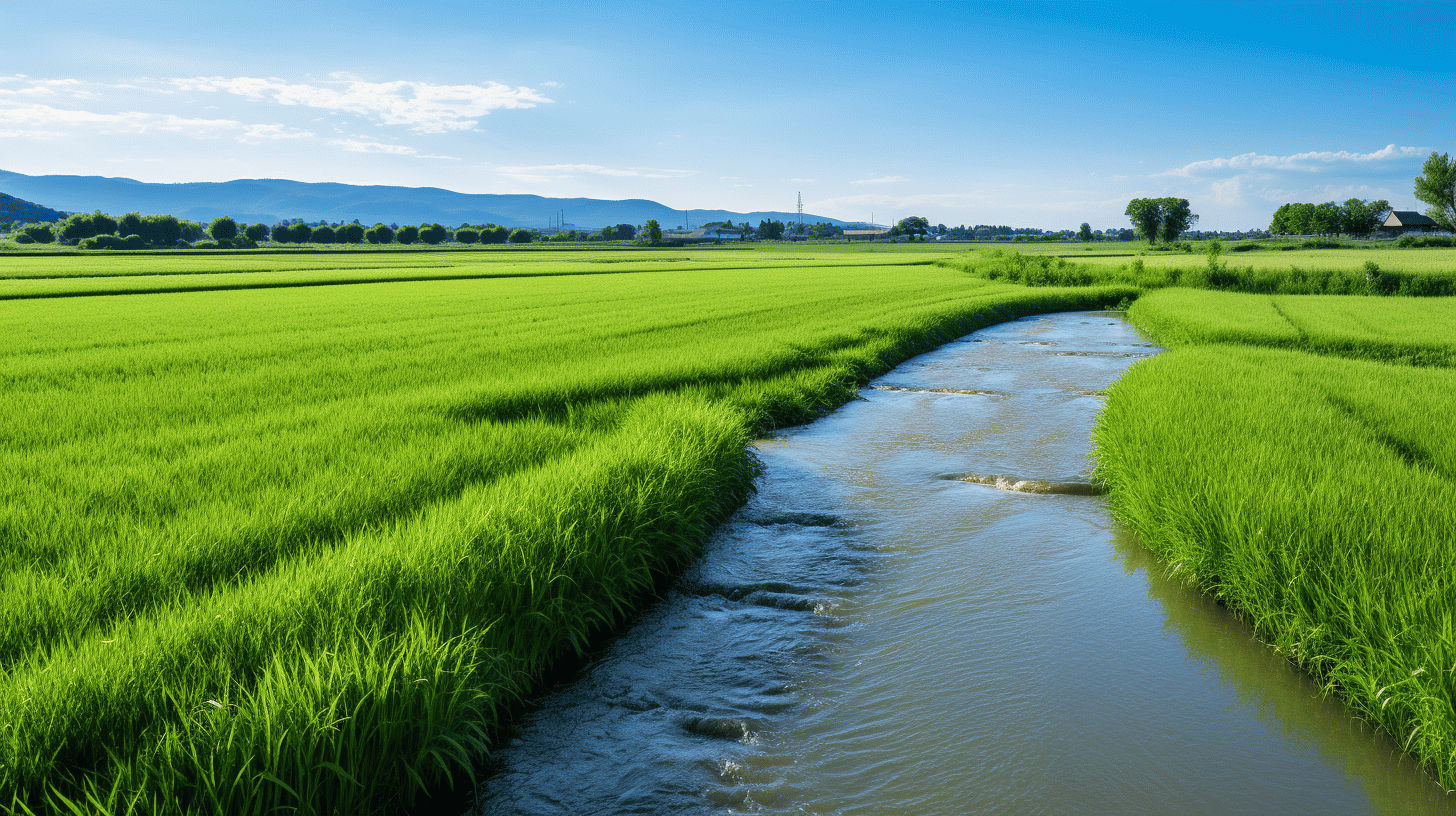
Cover crops play a vital role in maintaining water quality and promoting healthy watersheds. As the global population continues to grow, it becomes increasingly important to find sustainable agricultural practices that minimize the negative impacts on the environment. One such practice is the use of cover crops, which have proven to be effective in reducing nutrient runoff, soil erosion, and sedimentation, ultimately leading to cleaner and healthier water sources.
In this article, we will explore the ways in which cover crops contribute to water quality protection and their benefits for soil erosion control. We will also discuss the impacts of cover crops on water yield and nutrient losses, as well as their role in corn-soybean rotations. Lastly, we will touch on the positive effects of cover crops on soil health and fertility.
By the end of this article, you will have a comprehensive understanding of how cover crops can sustain healthy watersheds and contribute to a more sustainable agricultural system. So let’s dive in and explore the fascinating world of cover crops and their impact on water quality.
Protecting Water Quality with Cover Crops
Cover crops play a crucial role in protecting water quality by minimizing losses of nutrients, pesticides, and sediment. These crops provide numerous benefits to both the soil and the surrounding environment. One of the major advantages of using cover crops is their ability to reduce the negative impacts of agricultural activities on water bodies. Specifically, cover crops can help in the following ways:
Reduction of Nutrients, Pesticides, and Sediment
- Cover crops act as a protective barrier, preventing nutrients like nitrogen and phosphorus from leaching into water bodies. This is especially important because excessive nutrient runoff can lead to algal blooms and oxygen depletion in aquatic ecosystems.
- By capturing excess nutrients, cover crops help to improve water quality and reduce the risk of water pollution.
- In addition to nutrients, cover crops also help to retain pesticides that may be present in the soil, preventing them from reaching water bodies.
- Sediment is another common pollutant in water sources, often caused by erosion from agricultural fields. Cover crops play a vital role in reducing sediment loss by stabilizing the soil and preventing erosion, thus protecting the overall water quality.
Reduction of Total Suspended Solids (TSS) and Discharge
The implementation of cover crops has shown significant positive impacts on water quality indicators such as Total Suspended Solids (TSS) and discharge. TSS refers to the measure of solid particles suspended in water, including soil particles, organic matter, and other pollutants.
Studies have demonstrated that the use of cover crops can lead to a notable reduction in TSS and discharge:
- Research conducted in a treated watershed found that during the treatment period, the implementation of cover crops resulted in a 33% reduction in TSS and a 34% reduction in discharge. This indicates the effectiveness of cover crops in reducing sediment and pollutants in water bodies.
By implementing cover crops, farmers and landowners can play a significant role in protecting water quality. These crops not only benefit the soil through improved fertility and reduced erosion but also contribute to the overall health of aquatic ecosystems. Incorporating cover crops into agricultural practices can be a sustainable solution for minimizing the negative impacts of farming on water bodies and ensuring the long-term availability of clean water resources.
Benefits of Cover Crops for Soil Erosion Control
Soil erosion is a critical issue that affects agriculture and the environment. Traditional agricultural practices often leave soil exposed to the elements, which can lead to erosion and the loss of valuable topsoil. However, one effective solution to combat this problem is the use of cover crops. These crops, which are planted specifically to protect and improve the soil, offer numerous benefits when it comes to soil erosion control.
Reduced Soil Erosion and Compaction
One of the primary benefits of cover crops is their ability to mitigate soil erosion and reduce soil compaction. How do they accomplish this? Let’s take a closer look:
- Improved Soil Structure: When cover crops are grown, their roots penetrate deep into the soil, creating channels and pores that allow water to infiltrate more easily. This enhanced soil structure helps to prevent surface runoff and reduces the risk of erosion.
- Protection from Wind and Water: The vegetation provided by cover crops acts as a natural barrier, shielding the soil from the impact of wind and water. The leaves and stems help to absorb the energy of rainfall, preventing the formation of raindrop splash and reducing soil erosion.
- Increased Organic Matter: Cover crops contribute to the build-up of organic matter in the soil. As the crops decompose, they add organic material to the soil, which improves its overall structure and increases its ability to hold water. This, in turn, reduces soil compaction and erosion.
- Root Systems Prevent Soil Movement: The extensive root systems of cover crops help to anchor the soil, making it more resistant to erosion. These roots bind the soil particles together, holding them in place and preventing their movement during heavy rainfall or wind events.
In addition to these benefits, cover crops also offer advantages such as nutrient cycling, improved soil fertility, and weed suppression. These factors contribute to healthier, more resilient soils that are better equipped to withstand erosion.
It is essential that farmers and agricultural professionals recognize the positive impact of cover crops on soil erosion control. By incorporating cover crops into their practices, they can protect their soil from erosion, maintain its fertility, and contribute to sustainable agricultural systems.
Impacts on Water Yield and Nutrient Losses
Cover crops have shown significant potential in impacting water yield and reducing nutrient losses in agricultural systems. Implementing cover crops in all croplands within a watershed may lead to a decrease in annual water yield, but the benefits they provide in terms of nutrient management outweigh this potential drawback.
Potential Reduction in Annual Water Yield
While it’s true that cover crops can reduce the amount of water available for groundwater recharge due to their increased water uptake, this should not be seen as a negative impact. Instead, it is important to understand that this reduction in water yield can lead to several positive outcomes:
- Improved water quality: When water is limited, it becomes more essential to manage it efficiently. With cover crops, the reduced water yield promotes better filtration and infiltration of water, leading to improved water quality.
- Reduced runoff: Cover crops act as a natural barrier that slows down surface water runoff. This allows for more water to be absorbed into the soil, preventing soil erosion and reducing the risk of nutrient runoff into nearby water bodies.
- Enhanced soil moisture retention: The increased water uptake by cover crops helps to retain soil moisture, reducing the need for irrigation and improving crop resilience during dry periods.
Scavenging Nitrates and Reducing Leaching
One of the most significant benefits of cover crops is their ability to scavenge nitrates, preventing their loss through leaching and reducing nutrient losses to watersheds. Here’s how it works:
- Nitrate uptake: Cover crops, such as legumes, grasses, and brassicas, have deep root systems that can capture nitrates from the soil profile. These plants take up the nitrates, effectively removing them from the soil solution.
- Preventing leaching: By capturing nitrates before they can leach into groundwater or tile drainage systems, cover crops help reduce the risk of nitrate contamination in drinking water sources and protect downstream ecosystems.
- Nutrient cycling: Once the cover crops accumulate nitrates, they can be incorporated back into the soil through decomposition or through the subsequent incorporation of cover crop residues. This allows for the recycling of nutrients, making them available for the following cash crop.
In conclusion, the benefits of implementing cover crops in terms of reducing nutrient losses and improving water quality far outweigh the potential reduction in water yield. By scavenging nitrates and reducing leaching, cover crops provide an effective and sustainable solution for managing water resources and nutrient cycling in agricultural systems.
Cover Crops in Corn-Soybean Rotations
Cover crops are an essential tool in sustainable agriculture, and they play a particularly vital role in corn-soybean rotations. They offer a myriad of benefits, from reducing soil erosion to improving nutrient retention. In this section, we will explore two key advantages of incorporating cover crops into corn-soybean rotations: erosion and nitrate leaching reduction and reduced nitrate concentrations with late-season planting.
Erosion and Nitrate Leaching Reduction
One of the primary advantages of using cover crops in corn-soybean rotations is their ability to reduce both erosion and nitrate leaching. Erosion can have devastating effects on soil health, leading to loss of topsoil and reduced water infiltration. Nitrate leaching, on the other hand, can contaminate groundwater and contribute to water pollution. Here’s how cover crops help combat these issues:
- Erosion Control: Cover crops, with their dense root systems and above-ground biomass, provide excellent ground cover and hold the soil in place. This helps prevent erosion caused by wind and water runoff, preserving the integrity of the land and protecting valuable topsoil from being lost.
- Nitrate Leaching Mitigation: Cover crops capture excess nitrogen in the soil and prevent it from leaching into the groundwater. When cover crops are planted after the cash crop harvest, they take up the leftover nitrogen, effectively minimizing nitrate leaching. This nitrogen is later released and made available to subsequent crops during decomposition, creating a natural nutrient cycling system.
By incorporating cover crops into corn-soybean rotations, farmers can greatly reduce soil erosion and minimize nitrate leaching, leading to healthier soils and improved water quality.
Reduced Nitrate Concentrations with Late-season Planting
Late-season planting of cover crops can further enhance the benefits of cover crops in corn-soybean rotations, particularly in terms of reducing nitrate concentrations. Research has highlighted the following advantages of late-season planting:
- Increased Nitrogen Uptake: Late-season planting allows cover crops to continue growing for a more extended period, maximizing their capacity to take up nitrogen from the soil. This enhanced nitrogen uptake helps further reduce nitrate concentrations, improving water quality.
- Reduced Nitrate Loss Potential: Planting cover crops late in the season can help prevent excess nitrate from being lost through leaching or excessive runoff. The cover crops actively absorb and hold on to the nitrogen, preventing it from reaching water bodies and potentially causing pollution.
By strategically timing the planting of cover crops late in the growing season, farmers can optimize the benefits of these crops, minimizing nitrate concentrations and enhancing water quality.
In conclusion, incorporating cover crops into corn-soybean rotations provides multiple advantages, including erosion and nitrate leaching reduction, as well as reduced nitrate concentrations with late-season planting. These benefits not only contribute to healthier soils and improved water quality but also promote sustainable farming practices. By harnessing the power of cover crops, farmers can safeguard the environment while ensuring the long-term productivity and success of their operations.
Improving Soil Health with Cover Crops
Cover crops are an invaluable tool for farmers and gardeners looking to improve the health of their soil. These crops, which are planted primarily for the benefit of the soil rather than harvest, offer a range of benefits that contribute to long-term soil health and fertility. In this section, we will explore two key ways in which cover crops can improve soil health: increasing soil organic matter and fertility, and enhancing soil microbial communities.
Increasing Soil Organic Matter and Fertility
One of the primary benefits of using cover crops is their ability to increase soil organic matter and fertility. When cover crops are planted, they grow vigorously and accumulate biomass, which is then incorporated into the soil. This biomass adds organic matter to the soil, providing numerous benefits:
- Improved soil structure: Organic matter helps create soil aggregates, which improve the soil’s ability to hold water and resist erosion. It also promotes better root penetration and nutrient uptake by plants.
- Enhanced nutrient availability: As cover crops decompose, the organic matter releases essential nutrients, including nitrogen, phosphorus, and potassium, back into the soil. These nutrients become available for future crop uptake, reducing the need for synthetic fertilizers.
- Increased water-holding capacity: Organic matter acts as a sponge, holding onto water and making it available to plants during dry periods. This can help reduce the need for irrigation and improve drought resistance.
- Balanced soil pH: Cover crops can help moderate soil pH levels, making the soil more hospitable for plants that have specific pH requirements.
By incorporating cover crops into their rotation, farmers and gardeners can continually replenish their soil with organic matter, promoting long-term soil health and fertility.
Enhancing Soil Microbial Communities
In addition to increasing organic matter, cover crops play a vital role in fueling the underground world of microbes that reside in the soil. Soil microbes are essential for nutrient cycling, disease suppression, and overall soil health. Here’s how cover crops contribute to the enrichment of soil microbial communities:
- Root exudates: When cover crops grow, their roots release exudates – a mixture of sugars, organic acids, and other compounds – into the soil. These exudates serve as a food source for soil microbes, fueling their growth and activity.
- Increased biodiversity: Different cover crop species support various types of microbes. By incorporating a diverse range of cover crops into the rotation, farmers and gardeners can foster a more diverse microbial community, which promotes ecosystem balance and resilience.
- Improved soil structure: Soil microbes play a critical role in building and maintaining soil aggregates. As they consume organic matter and produce glue-like substances, they help bind soil particles together, resulting in better soil structure.
- Disease suppression: Some cover crops, such as mustard or radish, release compounds that can suppress soil-borne pathogens. This natural disease suppression can help reduce the need for chemical pesticides and protect crops from diseases.
By nurturing the microbial communities in the soil through the use of cover crops, farmers can reap the benefits of increased nutrient availability, improved soil structure, and enhanced disease resistance.
In conclusion, cover crops offer a multitude of benefits for soil health improvement. By increasing soil organic matter and fertility, as well as fueling underground microbial communities, cover crops contribute to the long-term health and productivity of the soil. Incorporating cover crops into crop rotations can lead to improved soil structure, nutrient availability, disease suppression, and overall soil health. So, whether you’re a farmer or a gardener, consider incorporating cover crops into your practices for a thriving and resilient soil ecosystem.
Conclusion
In conclusion, the use of cover crops in farming practices plays a vital role in sustaining healthy watersheds and protecting water quality. By implementing cover crops, farmers can reduce nutrient runoff, pesticide contamination, and sediment erosion, thus safeguarding our water sources. These crops also contribute to soil erosion control by minimizing soil erosion and compaction. Additionally, cover crops have the potential to enhance water yield and reduce nutrient losses by scavenging nitrates and minimizing leaching. In corn-soybean rotations, cover crops have proven effective in reducing erosion and nitrate leaching, as well as reducing nitrate concentrations through late-season planting. Furthermore, cover crops promote improved soil health by increasing soil organic matter, fertility, and enhancing soil microbial communities.
To learn more about regenerative agriculture practices and how they can benefit your farming endeavors, visit Regenerative Agriculture Wiki. Our platform offers a wealth of information, comprehensive guides, and inspiring content to help you embark on a sustainable farming journey. Join us in fostering a future where agriculture and ecology thrive in harmony.
Frequently Asked Questions
- What are cover crops?
Cover crops are crops that are planted primarily to protect and improve the soil rather than being harvested for consumption. They are planted during periods when the main cash crops are not growing and are used to cover the soil, preventing erosion and nutrient loss.
- How do cover crops improve water quality?
Cover crops help improve water quality by reducing soil erosion, preventing runoff of sediment and nutrients into water bodies. They also absorb excess nutrients, such as nitrogen, from the soil, preventing them from leaching into groundwater or being washed into streams and rivers.
- What types of cover crops are commonly used for improving water quality?
Commonly used cover crops for improving water quality include legumes like clover and vetch, grasses like rye and wheat, and brassicas like kale and turnips. Each type offers different benefits, such as nitrogen fixation, soil structure improvement, and weed suppression.
- Are there any drawbacks to using cover crops for water quality improvement?
While cover crops have numerous benefits for water quality improvement, there can be some drawbacks. Planting and terminating cover crops require additional time, labor, and expenses. There can also be challenges in managing cover crops, especially if they become invasive or compete with cash crops.
- How can I start using cover crops to improve water quality?
To start using cover crops, assess your soil and climate conditions, and determine the goals you want to achieve. Consult with local agricultural extension services or experts to select the most suitable cover crops for your region. Consider integrating cover crops into your crop rotation and follow proper planting and management practices.