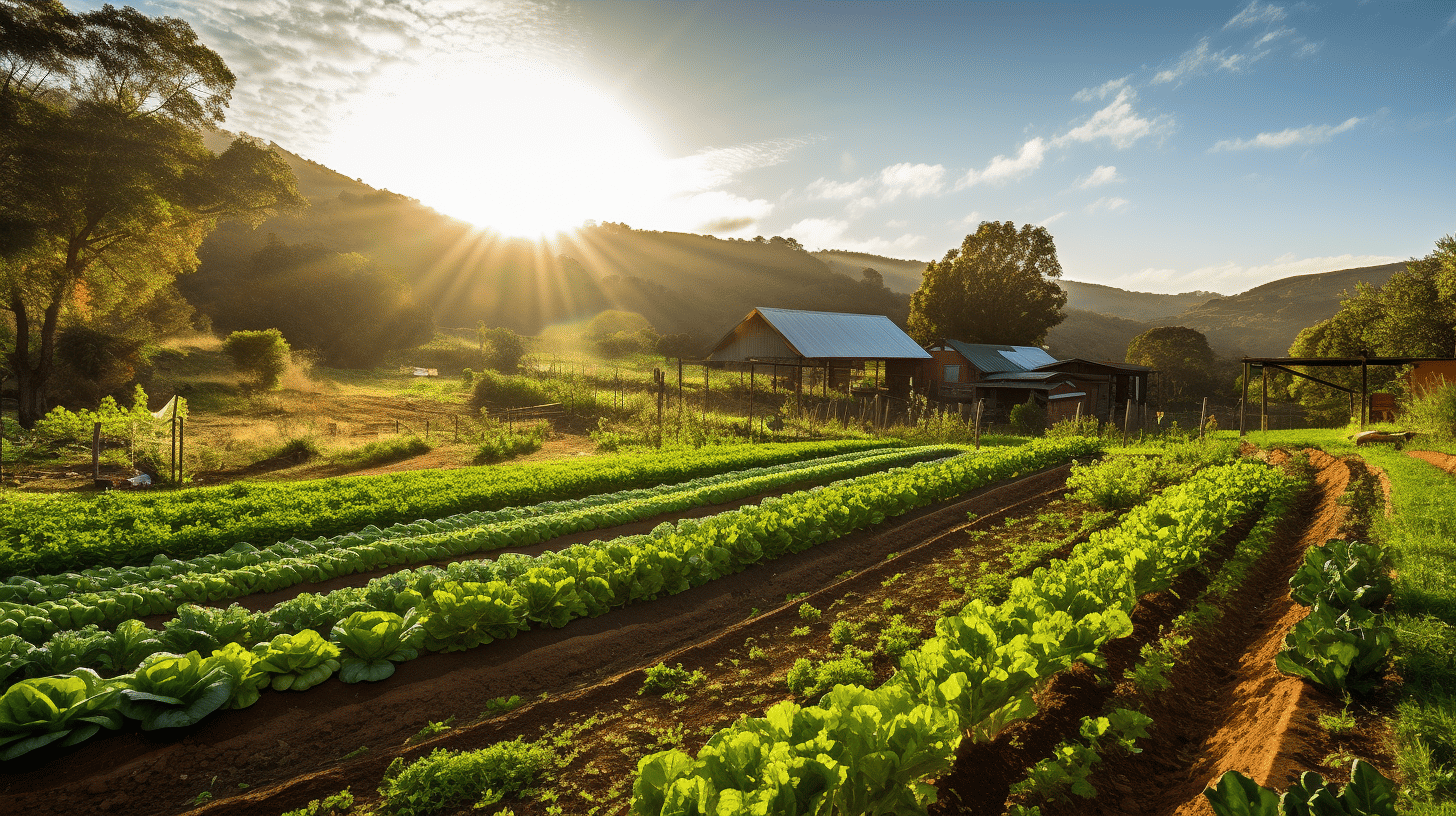
Soil health may not be a topic that immediately grabs your attention, but it’s actually the foundation of our entire food system and ecosystem. It’s the intricate web of organisms and processes that work together beneath our feet to support plant growth, nutrient cycling, and water filtration.
In this article, we will delve into the science of soil health, unlocking its secrets and revealing why it’s so crucial for the health and sustainability of our planet. We’ll explore the key factors that affect soil health, the roles of soil microorganisms, assessment techniques, and ways to enhance soil health. By the end, you’ll have a deeper understanding of the hidden world beneath the ground that plays a vital role in our lives.
So, let’s dig in and discover the wonders of soil health!
What is Soil Health
Soil health is a fundamental aspect of agriculture and plays a crucial role in the overall ecosystem. It refers to the ability of the soil to function and sustain life, including plants, animals, and microorganisms. Healthy soil provides a fertile environment for plant growth, nutrient cycling, water infiltration, and carbon sequestration. It is the foundation on which successful farming and sustainable land management practices are built.
Definition of Soil Health
Soil health can be defined as the capacity of the soil to perform its essential functions, which include:
- Nutrient Availability: Healthy soil contains an adequate supply of essential nutrients needed for plant growth, such as nitrogen, phosphorus, and potassium. These nutrients are essential for plants to develop strong roots, produce healthy foliage, and yield robust crops.
- Water Retention and Drainage: Soil health is closely related to its ability to retain water while allowing excess water to drain away. Well-structured soil with good water-holding capacity prevents waterlogging and facilitates proper hydration of plants.
- Biological Activity: Healthy soil supports a diverse community of microorganisms, including bacteria, fungi, and earthworms. These organisms play a vital role in nutrient cycling, organic matter decomposition, and disease suppression. They enhance soil structure, making it more resilient and productive.
- Soil Structure and Stability: Structurally sound soil has good pore spaces, allowing for adequate aeration and root penetration. This enables plants to uptake oxygen and nutrients efficiently. Healthy soil is resistant to erosion, preventing valuable topsoil from being washed away during heavy rainfall or windy conditions.
- pH Balance: An optimal pH level is necessary for proper nutrient availability. Soil that is too acidic or alkaline can hinder nutrient uptake by plants. Maintaining a balanced pH level is crucial to ensure healthy growth and development.
Importance of Soil Health
Maintaining soil health is of utmost importance for the following reasons:
- Enhancing Crop Productivity: Healthy soil provides the necessary conditions for plants to thrive, leading to increased crop productivity. Nutrient availability and water retention capabilities ensure that plants receive the resources they need for optimal growth and yield.
- Sustainability and Resilience: Well-managed soil health practices contribute to sustainable agriculture and environmental preservation. By supporting beneficial organisms and maintaining soil structure, farmers can reduce the need for chemical inputs, conserve water, and mitigate climate change by sequestering carbon in the soil.
- Improving Water Quality: Healthy soils help prevent water pollution by retaining and filtering contaminants before they reach water bodies. This is particularly important for safeguarding groundwater, which is a vital resource for drinking water and irrigation.
- Conserving Biodiversity: Healthy soil supports a diverse range of organisms, including beneficial insects, worms, and microbes. This biodiversity is essential for the overall health of the ecosystem, as it promotes natural pest control, nutrient cycling, and contributes to the overall resilience of the agricultural landscape.
In conclusion, understanding the concept of soil health is paramount for sustainable agriculture and environmental stewardship. By implementing practices that promote soil health, farmers and land managers can establish resilient ecosystems that support thriving plant growth, conserve natural resources, and contribute to a healthier planet overall.
Key Factors Affecting Soil Health
Soil health is a vital aspect of our environment, affecting everything from agriculture to water quality. Maintaining healthy soil is crucial for sustainable land management and food production. Several key factors influence soil health, including soil composition, climate changes, and human activities. Let’s take a closer look at each of these factors and understand their impact on the health of our soil.
Soil Composition
The composition of soil plays a crucial role in determining its health and fertility. Soil is made up of various components, including minerals, organic matter, water, and air. The combination and proportion of these elements can greatly impact the soil’s ability to support plant growth and nutrient availability. Here are some key points to consider regarding soil composition:
- Minerals: Different types of minerals, such as sand, silt, and clay, determine the soil’s texture and drainage capabilities. Sandy soil drains quickly but can lack nutrients. On the other hand, clayey soil retains water well but may become compacted.
- Organic Matter: Organic matter in the soil, derived from decaying plant and animal material, contributes to soil fertility and structure. It enhances the soil’s ability to hold water, improves nutrient availability, and promotes beneficial microbial activity.
- pH Levels: The pH level of soil is a measure of its acidity or alkalinity. Different plants have specific pH requirements for optimal growth. Adjusting the pH of the soil can help ensure that plants can access nutrients efficiently.
Climate Changes
Climate changes, such as temperature fluctuations and rainfall patterns, can have a significant impact on soil health. Here’s how climate changes affect soil:
- Temperature: Extreme temperatures can alter soil chemistry and physical conditions. Freeze-thaw cycles, for example, can lead to the expansion and contraction of soil particles, causing soil erosion and compaction.
- Rainfall and Drought: Changes in rainfall patterns can affect soil moisture levels. Excessive rainfall can lead to soil erosion, while drought conditions can result in soil drying out and nutrient depletion.
Human Activities
Human activities play a significant role in shaping soil health. Some activities can degrade soil quality over time, while others can help improve it. Here are some key human activities and their impact on soil health:
- Agricultural Practices: Intensive agricultural practices, such as excessive tilling, overuse of synthetic fertilizers, and improper irrigation techniques, can lead to soil erosion, nutrient loss, and degradation. However, adopting sustainable farming practices like crop rotation, cover cropping, and organic fertilizers can promote soil health.
- Deforestation: Clearing forests for agriculture, urbanization, or logging purposes can disrupt the delicate balance of the soil ecosystem. The removal of tree cover can result in increased erosion, loss of organic matter, and decreased biodiversity in the soil.
- Industrial Activities: Industrial activities and improper waste disposal can lead to soil pollution. Contamination from heavy metals, chemicals, and other pollutants can render soil unfit for agricultural use and harm soil organisms.
Understanding these key factors affecting soil health is crucial for developing sustainable land management practices. By promoting soil conservation, implementing best agricultural practices, and mitigating the effects of climate change, we can ensure the long-term health and productivity of our soil.
Read more: To learn more about the importance of soil conservation and sustainable land management practices, check out this article on soil conservation.
Understanding the Roles of Soil Microorganisms
Soil microorganisms play a crucial role in the health and fertility of the soil. They are the unseen champions that contribute to the overall functioning of the soil ecosystem. From breaking down organic matter to releasing essential nutrients, these tiny organisms are the driving force behind a thriving soil environment. In this article, we will explore the different roles of soil microorganisms, focusing on bacteria, fungi, protozoa, and nematodes.
Bacteria
Bacteria are among the most abundant and diverse microorganisms found in soil. They are single-celled organisms that come in different shapes and sizes. These microscopic entities have a significant impact on soil fertility and nutrient cycling. Here’s a closer look at their roles:
- Decomposition: Bacteria play a fundamental role in the decomposition of organic matter in the soil. They break down complex organic compounds, such as dead plant material and animal waste, into simpler forms that can be readily absorbed by plants.
- Nitrogen Fixation: Certain species of bacteria have the extraordinary ability to convert atmospheric nitrogen into a form that plants can utilize. This process, called nitrogen fixation, is crucial for maintaining adequate nitrogen levels in the soil.
- Disease Suppression: Some bacteria have the ability to suppress soil-borne plant diseases by outcompeting and inhibiting the growth of pathogenic organisms. They act as natural protectors, promoting plant health and preventing crop losses.
Fungi
Fungi are another group of soil microorganisms that contribute significantly to soil health. They are unique organisms that exist as single cells or multicellular structures like hyphae. Let’s take a closer look at their roles:
- Decomposition: Similar to bacteria, fungi play a vital role in breaking down organic matter in the soil. They secrete enzymes that break down complex organic compounds and facilitate nutrient recycling.
- Mycorrhizal Associations: Many fungi form mutually beneficial relationships with plants through mycorrhizal associations. In these associations, fungi extend their hyphae into the plant roots, aiding in nutrient uptake, specifically phosphorus. In return, the plant provides the fungi with carbohydrates.
- Pathogen Control: Certain types of fungi are effective biological control agents against plant pathogens. They can parasitize or produce biochemical compounds that inhibit the growth of harmful fungi or bacteria, protecting plants from diseases.
Protozoa
Protozoa are tiny, single-celled organisms that can be found in soil environments. They are an essential part of the soil food web and perform various functions:
- Nutrient Cycling: Protozoa contribute to the cycling of nutrients in the soil. They consume bacteria, fungi, and organic matter, releasing essential nutrients in their waste products, which can be readily absorbed by plants.
- Soil Structure: Protozoa play a role in soil aggregation and structure. Some species create channels in the soil by their movement, promoting better water infiltration and root penetration.
- Control of Bacterial Populations: Certain protozoa control the populations of bacteria by preying upon them. This predation helps regulate bacteria numbers and prevents their overgrowth, which could lead to imbalances in the soil ecosystem.
Nematodes
Nematodes are multicellular, worm-like organisms that are found in almost every type of soil. They are an integral part of the soil food web, and their roles include:
- Nutrient Cycling: Nematodes feed on bacteria, fungi, and other microorganisms, breaking them down into simpler forms and releasing nutrients back into the soil. They are important contributors to nutrient cycling processes.
- Predation: Some nematodes are predators, feeding on other microscopic organisms like bacteria and nematodes. This predation helps maintain the balance of the soil ecosystem.
- Indicator Species: Nematodes are used as indicators of soil health and fertility. The presence of certain nematode species can indicate specific soil conditions or potential imbalances, allowing farmers and researchers to make informed management decisions.
Understanding the roles of soil microorganisms is crucial for sustainable soil management practices. By harnessing the power of these microorganisms, we can improve soil fertility, enhance nutrient cycling, and promote healthy plant growth. So, the next time you dig your hands into the soil, remember the incredible world of microorganisms that are working tirelessly for a flourishing ecosystem beneath our feet.
Soil Health Assessment Techniques
Soil health assessment techniques play a crucial role in understanding the quality and condition of soil, which is essential for sustainable agriculture and land management practices. By evaluating various aspects of soil health, such as nutrient availability, organic matter content, and microbial activity, these techniques help farmers and land managers make informed decisions that contribute to the long-term productivity and sustainability of their land.
There are several methods available for assessing soil health, each offering unique insights into the soil’s physical, chemical, and biological properties. Let’s explore three commonly used techniques: in-situ observations, laboratory methods, and remote sensing techniques.
In-situ Observations
In-situ observations involve direct visual and physical assessments of the soil in its natural environment. This technique allows researchers to observe soil characteristics on-site, providing real-time data that can guide soil management decisions. Some common in-situ observation methods include:
- Field Sampling: Collecting soil samples from different depths and locations within a field to measure various soil parameters like pH, texture, moisture content, and compaction.
- Soil Color Assessment: Evaluating soil color can provide insights into soil organic matter content, drainage conditions, and the presence of certain minerals or contaminants.
- Soil Moisture Monitoring: Using devices like soil moisture sensors to measure the amount of water present in the soil, helping determine irrigation needs and water-use efficiency.
These in-situ observations help build a comprehensive understanding of the soil’s physical properties and enable farmers to make informed decisions regarding soil management practices.
Laboratory Methods
Laboratory methods involve the analysis of soil samples collected from the field in specialized laboratories. These methods provide detailed information about the chemical and biological properties of the soil. Some common laboratory-based soil health assessment techniques include:
- Nutrient Analysis: Measuring the concentration of essential nutrients like nitrogen, phosphorus, potassium, and micronutrients in the soil to determine the soil’s fertility and nutrient availability for plant growth.
- Soil Organic Matter Determination: Estimating the amount of organic matter in the soil, which is crucial for soil structure, water-holding capacity, and nutrient cycling.
- Microbial Activity Analysis: Assessing the abundance and diversity of soil microorganisms through techniques like DNA sequencing and enzyme activity assays, giving insights into soil biological activity and nutrient cycling processes.
These laboratory methods provide detailed and quantitative data about the soil’s chemical composition and biological functioning, aiding in the development of customized soil management strategies.
Remote Sensing Techniques
Remote sensing techniques involve the use of satellite or aerial imagery to gather information about the soil’s properties over large areas. These techniques allow for rapid and non-destructive assessment of soil health. Some remote sensing techniques used for soil health assessment include:
- Hyperspectral Imaging: Analyzing the reflectance patterns of different wavelengths of light captured by sensors to infer soil properties like organic matter content, moisture levels, and nutrient status.
- Thermal Imaging: Measuring thermal radiation emitted by the soil surface to assess soil moisture content and detect areas of water stress or excessive irrigation.
- Normalized Difference Vegetation Index (NDVI): Using satellite imagery to estimate the vigor and health of vegetation, which can indirectly indicate nutrient availability and soil moisture levels.
Remote sensing techniques provide valuable insights into large-scale soil health patterns, enabling land managers to identify potential problem areas and take targeted actions to improve soil productivity.
In conclusion, soil health assessment techniques encompass a range of methods, from in-situ observations to laboratory analyses and remote sensing. By combining the information obtained from these techniques, farmers and land managers can make informed decisions regarding soil management practices, optimizing agricultural productivity and preserving soil health for future generations.
Ways to Enhance Soil Health
Have you ever wondered how to improve the quality of your soil? Whether you’re a farmer, gardener, or just have a small patch of land, maintaining healthy soil is crucial for successful plant growth. There are several practices you can incorporate into your soil management routine to boost its health and fertility. Let’s explore some of the most effective methods:
Cover Crops
Cover crops, also known as green manure, are plants that are grown specifically to protect and enrich the soil. They are sown between regular crop rotations and serve a multitude of purposes. Here’s why cover crops are essential for soil health:
- Erosion control: Cover crops act as a natural barrier, preventing soil erosion caused by wind and rain. Their extensive root systems hold the soil in place and ensure its stability.
- Weed suppression: A dense cover crop canopy helps suppress weed growth by shading out unwanted plants, reducing competition and the need for herbicides.
- Nutrient cycling: Cover crops scavenge and absorb excess nutrients from the soil, preventing leaching and making them available for upcoming crops.
- Improved soil structure: Cover crop roots penetrate deep into the soil, breaking up compacted layers and enhancing water infiltration and drainage.
- Increased organic matter: When cover crops are incorporated into the soil, they contribute to organic matter content, improving its structure and nutrient-holding capacity.
Crop Rotation
Crop rotation is a time-tested technique that involves growing different crops in a specific sequence over multiple growing seasons. This practice offers numerous benefits to soil health:
- Disease and pest management: Rotating crops disrupts pest and disease cycles, reducing the risk of buildup and spread. Different crops attract different pests and diseases, so by varying the types of plants grown, you can help break the cycle and keep your soil healthier.
- Balanced nutrient uptake: Different crops have varying nutrient requirements. By rotating crops, you allow the soil to replenish specific nutrients that may have been depleted by the previous crop, promoting balanced nutrient uptake.
- Weed suppression: Similar to cover crops, rotating crops interrupts weed growth patterns, making it harder for weeds to establish and spread throughout the field or garden.
- Improved soil structure: Different crops have different root depths and structures, leading to diverse root systems. This variation helps break up compacted soil and improves its overall structure.
Organic Matter Management
Organic matter plays a vital role in soil health and fertility. It provides the necessary nutrients, improves water retention, and promotes beneficial microbial activity. Here’s how you can effectively manage organic matter:
- Composting: Composting is a fantastic way to recycle organic waste and create nutrient-rich soil amendments. By composting kitchen scraps, yard trimmings, and other organic materials, you can enrich your soil with a steady supply of organic matter.
- Mulching: Applying mulch to the soil surface helps conserve moisture, prevent weed growth, and gradually adds organic matter as it breaks down.
- Adding organic amendments: Organic amendments, such as well-rotted manure or compost, can be added directly to the soil to increase organic matter content. These amendments also contribute essential nutrients and beneficial microbes to the soil ecosystem.
Minimal Soil Disturbance Practices
Reducing soil disturbance is a crucial practice for maintaining soil health. Excessive tillage and compaction can negatively impact soil structure, disrupt microbial communities, and contribute to erosion. Here are some practices to minimize soil disturbance:
- No-till farming: No-till farming involves planting crops without tilling or plowing the soil. This method helps protect soil structure, conserve moisture, and preserve beneficial soil organisms.
- Reduced tillage: If complete no-till is challenging, adopting reduced tillage practices can still provide benefits. Limiting the depth and frequency of tillage reduces soil erosion and disturbance.
- Avoiding heavy machinery: Heavy machinery can compact the soil, reducing pore space and limiting root growth. Minimizing the use of heavy equipment or implementing practices to alleviate compaction, such as deep tillage or subsoiling, can help maintain soil health.
By incorporating these practices into your soil management routine, you can significantly enhance soil health, promote plant growth, and contribute to a more sustainable and productive environment. Give them a try and watch your soil thrive!
The Future of Soil Health
Soil health is a topic of growing importance in today’s agricultural and environmental landscapes. As we look ahead to the future, it is crucial to prioritize practices that promote and preserve the health of our soil. In this section, we will delve into the benefits of soil health, explore innovative techniques for improving it, and discuss the role of technology in shaping the future of soil health.
The Benefits of Soil Health
Maintaining healthy soil is essential for numerous reasons, including:
- Improved Crop Yields: Healthy soil provides the optimal conditions for plant growth, leading to increased crop yields. Nutrient-rich soil supports robust root development, enables efficient nutrient uptake, and enhances water retention ability.
- Enhanced Nutrient Cycling: Soil health plays a vital role in the cycling of nutrients. Healthy soil is teeming with microorganisms that break down organic matter and release nutrients in forms that are readily available for plant uptake. This natural recycling process reduces the need for synthetic fertilizers and promotes sustainable agriculture.
- Water Management: Healthy soil acts as a sponge, capable of absorbing and storing significant amounts of water. This ability reduces erosion and runoff, improves water infiltration rates, and helps mitigate the impact of droughts and floods.
- Climate Change Mitigation: Healthy soil contributes to climate change mitigation by sequestering carbon. Soils with high organic matter content have the capacity to store significant amounts of carbon, thereby reducing greenhouse gas emissions and acting as a natural carbon sink.
Innovative Techniques for Soil Health Improvement
In recent years, farmers, scientists, and environmentalists have embraced various innovative techniques to improve soil health. These practices focus on improving the physical, chemical, and biological properties of the soil. Some notable techniques include:
- Cover Cropping: Planting cover crops, such as legumes or grasses, during periods when the main crops are not growing. Cover crops help prevent soil erosion, suppress weed growth, and improve soil structure through the addition of organic matter.
- Conservation Tillage: Reducing or eliminating tillage practices helps to protect soil structure, minimize erosion, and preserve soil moisture. Conservation tillage techniques include no-till or reduced tillage.
- Crop Rotation: Rotating crops helps break pest and disease cycles while enhancing soil health. Different plants have different nutrient requirements and interactions with soil microorganisms, leading to a more balanced and resilient soil ecosystem.
- Composting: Composting organic materials, such as crop residues or livestock manure, converts them into nutrient-rich humus. Adding compost to soil improves fertility, enhances water-holding capacity, and encourages beneficial microbial activity.
The Role of Technology in Soil Health
As technology advances, it holds great promise for revolutionizing soil health management. Some technological advancements that are shaping the future of soil health include:
- Precision Agriculture: Through the use of sensors, drones, and satellite imagery, farmers can gather real-time data on soil moisture, nutrient levels, and crop health. This information allows for precise and targeted application of inputs, reducing waste and optimizing resource use.
- Soil Sensing Technologies: Innovations in soil sensing technologies have made it possible to monitor soil health parameters, such as pH, organic matter content, and nutrient levels, with greater accuracy and efficiency. These tools enable farmers to make informed decisions and take timely actions to improve soil health.
- Digital Farming Platforms: Integrated digital farming platforms provide farmers with comprehensive tools to manage soil health effectively. These platforms offer features such as field mapping, decision support systems, and data analytics, enabling farmers to monitor, analyze, and plan soil health management strategies.
In conclusion, the future of soil health looks promising as more attention is given to its importance and innovative practices are embraced. By prioritizing soil health, we can ensure sustainable agriculture, increased crop yields, and a healthier environment for future generations. Through the adoption of innovative techniques and the use of technology, we are poised to unlock the full potential of our soil and pave the way for a greener and more sustainable future.
Conclusion
In conclusion, understanding and prioritizing soil health is vital for sustainable agriculture and a thriving ecosystem. The science of soil health reveals the interconnected web of factors that influence soil health, including soil composition, climate changes, and human activities. By nurturing soil microorganisms and implementing effective soil health assessment techniques, farmers and land managers can make informed decisions to enhance soil health. Practices such as cover crops, crop rotation, organic matter management, and minimal soil disturbance contribute to healthier soils and more resilient agricultural systems. As we look to the future, promoting soil health will play a crucial role in ensuring food security and environmental sustainability.
At Regenerative Agriculture Wiki, we are passionate about promoting regenerative farming practices and providing comprehensive resources to support farmers, environmentalists, and individuals interested in sustainable living. Explore our extensive collection of articles, guides, and insights on regenerative agriculture, soil health, and more. Together, let’s cultivate a future where agriculture and ecology thrive in harmony.
Learn more about soil health and regenerative agriculture on Regenerative Agriculture Wiki.
Frequently Asked Questions
- What is soil health?
Soil health refers to the ability of soil to function as a living ecosystem that sustains plants, animals, and humans. It involves the physical, chemical, and biological properties of soil that support plant growth and provide environmental services.
- Why is soil health important?
Soil health is crucial for sustainable agriculture, as healthy soils contribute to higher crop productivity, nutrient cycling, water infiltration and retention, carbon sequestration, and overall ecosystem resilience and biodiversity.
- What are some key indicators of soil health?
Key indicators of soil health include soil organic matter content, soil structure and aggregation, nutrient availability, pH level, microbial activity, water holding capacity, and erosion resistance.
- How can I improve soil health in my garden or farm?
To improve soil health, you can incorporate organic matter through composting or adding organic amendments, practice crop rotation, minimize tillage, use cover crops, avoid over-application of pesticides and fertilizers, and manage water drainage effectively.
- Are there any specific soil tests to assess soil health?
Yes, there are various soil tests available to assess soil health, such as tests for soil pH, organic matter content, nutrient levels, soil structure, microbial biomass, and enzymatic activity. These tests provide valuable insights into the soil’s current condition and guide necessary improvements.